Basketball and Power

Roots of the Game
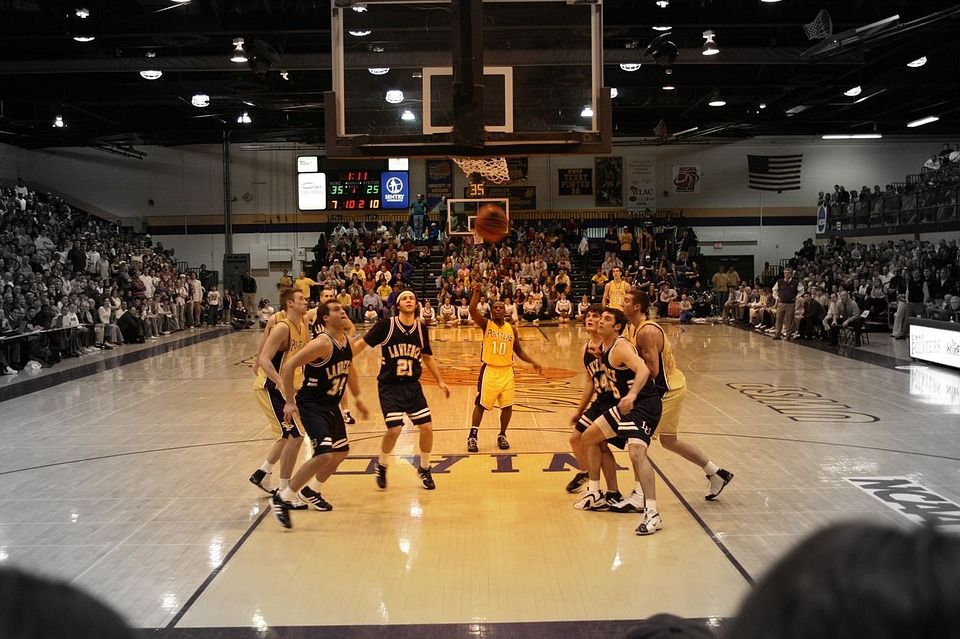
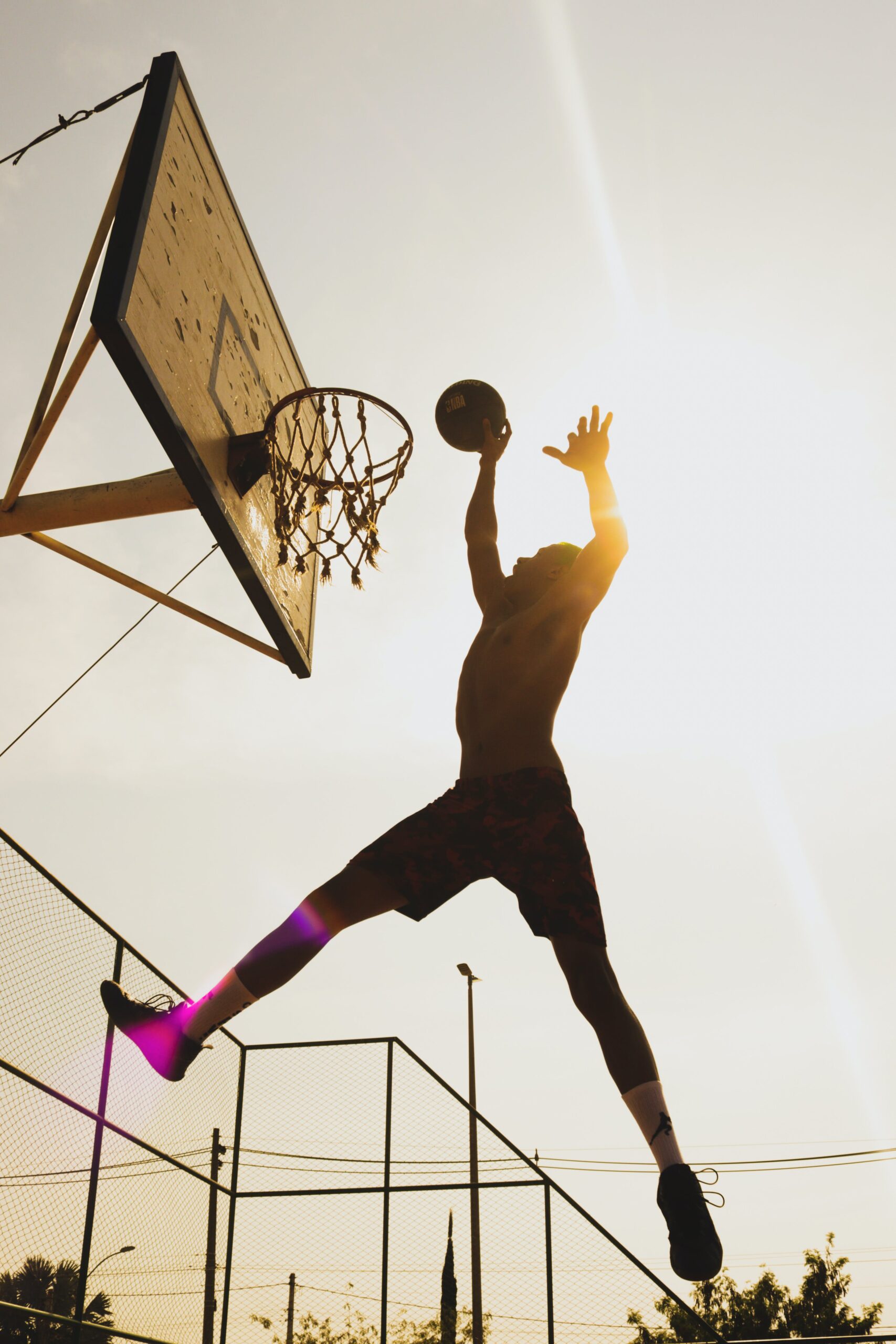
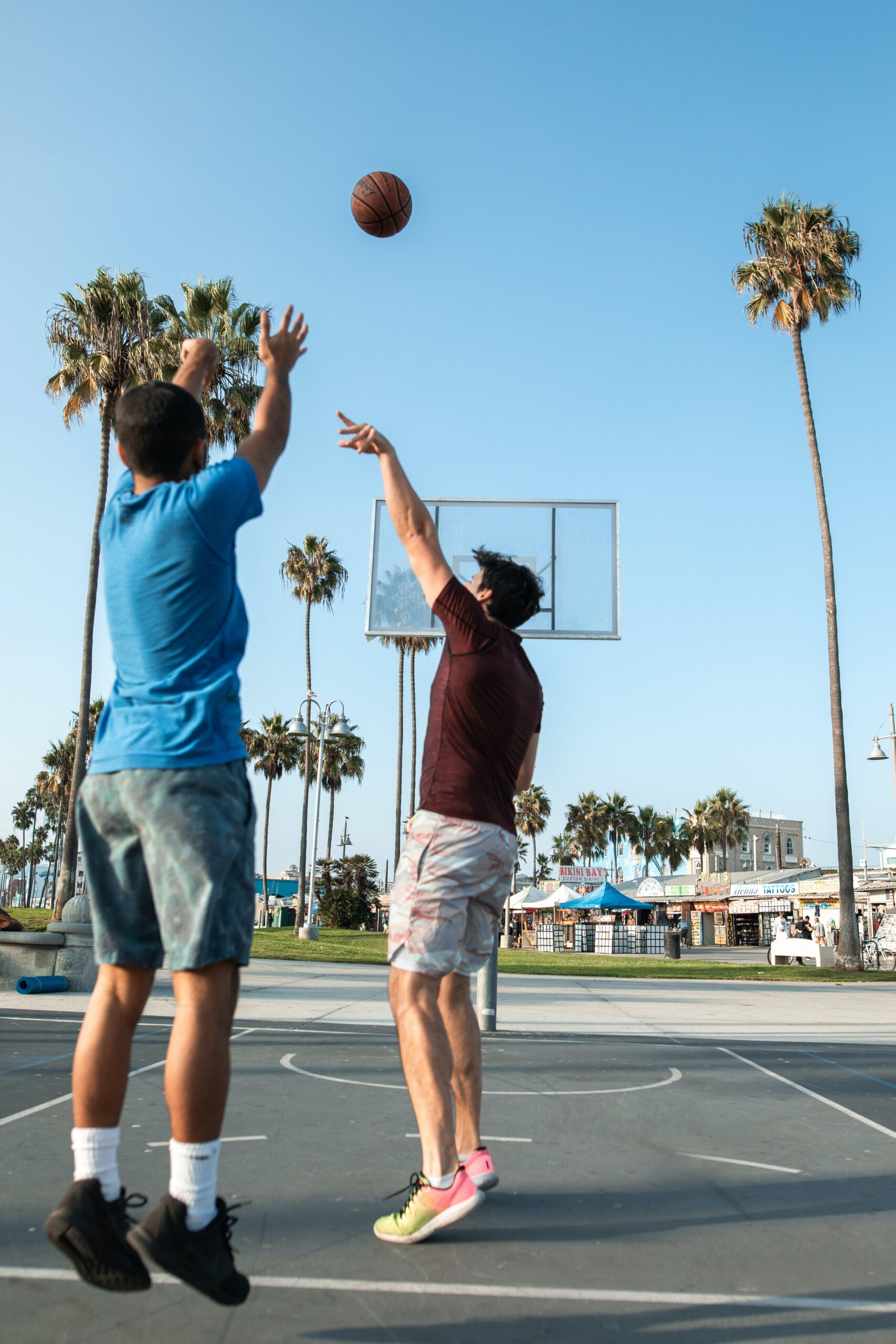
Basketball started small. It was played in school gyms, backyards, and public courts. People played to share time, to escape work, playing at 22Bit and to find pride in movement. It was never about billion-dollar arenas. It was about community. It was about having a ball and a hoop, nothing else.
Money Takes Over
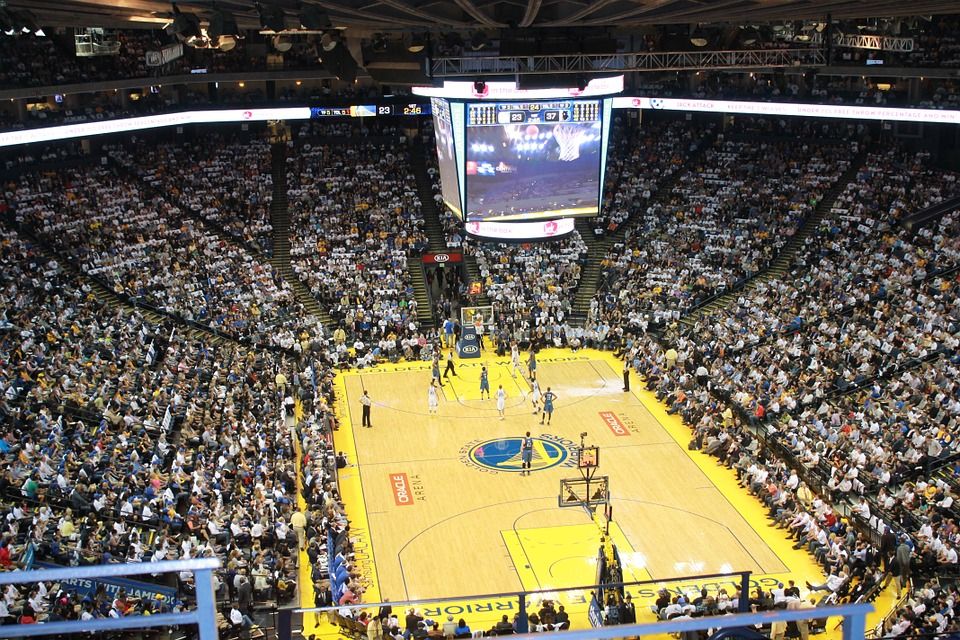
Today, the sport is ruled by money. Tickets are too expensive for many fans. Teams are owned by billionaires who care more about profits than people. Workers in arenas clean, cook, and sell food for low wages. Meanwhile, luxury boxes fill with the rich. The divide is sharp, and the game feels less free.
Global Expansion
Corporations now stretch basketball across the globe. Young athletes in poor regions are scouted early. Many never see the promises fulfilled. Their talent is taken, their communities left behind. Global leagues talk about “growth,” but it often means extraction—turning bodies into profit, with little care for the people themselves.
The Illusion of Neutrality
It is tempting to imagine basketball as separate from politics, a neutral stage where athleticism alone defines value. Yet that illusion hides the deeper truth: every sponsorship deal, every arena naming right, every broadcast contract ties the game to systems of inequality. What fans consume as spectacle is inseparable from the financial logic that extracts labor, commodifies bodies, and disciplines communities into passive spectatorship. To insist on neutrality is itself a political act, one that shields power from critique.
Fragmented Visibility
The way basketball is shown to the world creates a hierarchy of visibility. Stars become hyper-recognizable, their names and faces repeated until they seem larger than life. At the same time, workers who keep the system alive—arena staff, local coaches, even the players who never “make it”—remain unseen. This split visibility is not accidental. It is the architecture of a system that celebrates individuals as myths while erasing the collective labor that makes their stage possible. To truly see basketball means to see what is hidden, not only what shines under the lights.
Basketball as a Site of Contestation
Every jump shot, every chant in the stands, every grassroots tournament carries more than entertainment. These acts accumulate as struggles over meaning: is the game a tool of profit or a language of resistance? The answer is not fixed. It shifts with each strike by players refusing to perform, with each fan boycott against exploitative ticket prices, with each community league organized outside corporate control. Basketball, then, is not static. It is a site of ongoing contestation, where the forces of capital and the possibilities of solidarity collide in full view of the public.
Conclusion
Basketball is more than a sport. It reflects power, class, and race. In the hands of corporations, it becomes exclusion and control. In the hands of communities, it becomes freedom. The question is simple: who owns the game, and who benefits? The answer will decide if basketball remains another tool of profit or becomes a space of joy, struggle, and solidarity.