Do Basketball Players Choose Their Own Jersey Numbers?
Jersey numbers in basketball might seem like just a practical way to tell players apart, but they’re much more than that. They’re symbols of identity, legacy, and personal meaning. So, do basketball players actually get to choose their jersey numbers? The short answer is yes, but the process isn’t as simple as just picking your favorite digit. There’s a lot more to it, and the journey of a jersey number is often filled with fascinating stories, from sentimental choices to iconic legacies. Let’s dive into how players choose their numbers and what makes them so meaningful.
The Jersey Number Selection Process
For many players, the story of their jersey number begins long before they ever step onto a professional court. High school and college basketball are often where athletes first start building a connection with their numbers. Whether it’s their lucky birthday number or the same digit their favorite player wore, these choices often stick with them throughout their careers.
Once a player reaches the professional level, things get more complicated. In the NBA, for example, players don’t always get their first choice. When joining a team, they typically submit their top three number preferences to the team’s equipment manager. If their preferred number isn’t retired, already in use, or restricted by league rules, they’ll usually get it. If not, they’ll have to negotiate with teammates or settle for an alternative. Some players even offer compensation to a teammate who already wears their desired number—anything from sneakers to dinner to cold, hard cash.
It’s worth noting that even this process has its quirks. Numbers containing digits higher than five, for example, are rare because referees rely on hand signals to communicate fouls, and those signals are based on finger combinations. This rule impacts what numbers are available, especially in youth leagues and college basketball.
Restrictions and Rules
Choosing a jersey number might sound fun, but the rules can quickly turn it into a game of compromise. Leagues like the NBA enforce restrictions to maintain clarity and consistency on the court. Numbers can’t exceed two digits, and as mentioned earlier, digits higher than five are off-limits in many leagues to simplify referee hand signals. For example, you’ll rarely see a number like 78 on a basketball jersey.
Then there are retired numbers. Teams honor their legends by retiring their jersey numbers, permanently removing them from circulation. For instance, if you’re joining the Chicago Bulls, don’t even think about wearing #23—Michael Jordan’s iconic number. The Lakers? Forget about #8 or #24, both retired for Kobe Bryant. Retired numbers serve as a reminder of the franchise’s history and the players who shaped it.
In some cases, numbers are unofficially reserved. They may not be hanging in the rafters, but out of respect for a particular player or tradition, teams may avoid assigning certain numbers. And if you think about switching your number mid-season, think again. League rules often require official approval, and unauthorized changes can result in hefty fines.
Personal Meaning Behind Jersey Numbers
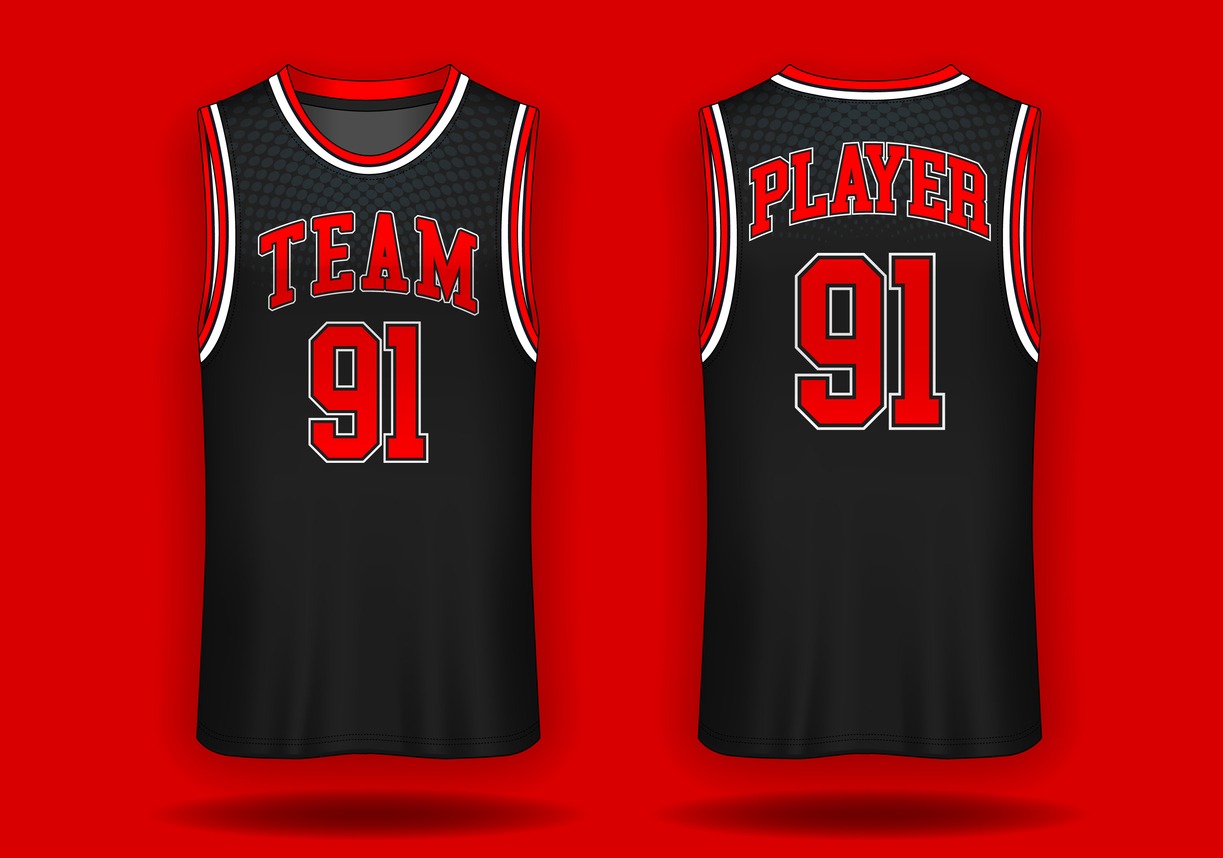
While rules and restrictions play a big role, personal significance is often the driving force behind a player’s choice. For many athletes, their jersey number is more than a uniform—it’s a story.
Take birthdays, for example. A player born on March 3 might opt for #3. Family connections also influence these choices. A player might choose the same number their parent or sibling wore in their athletic career, carrying on a family tradition.
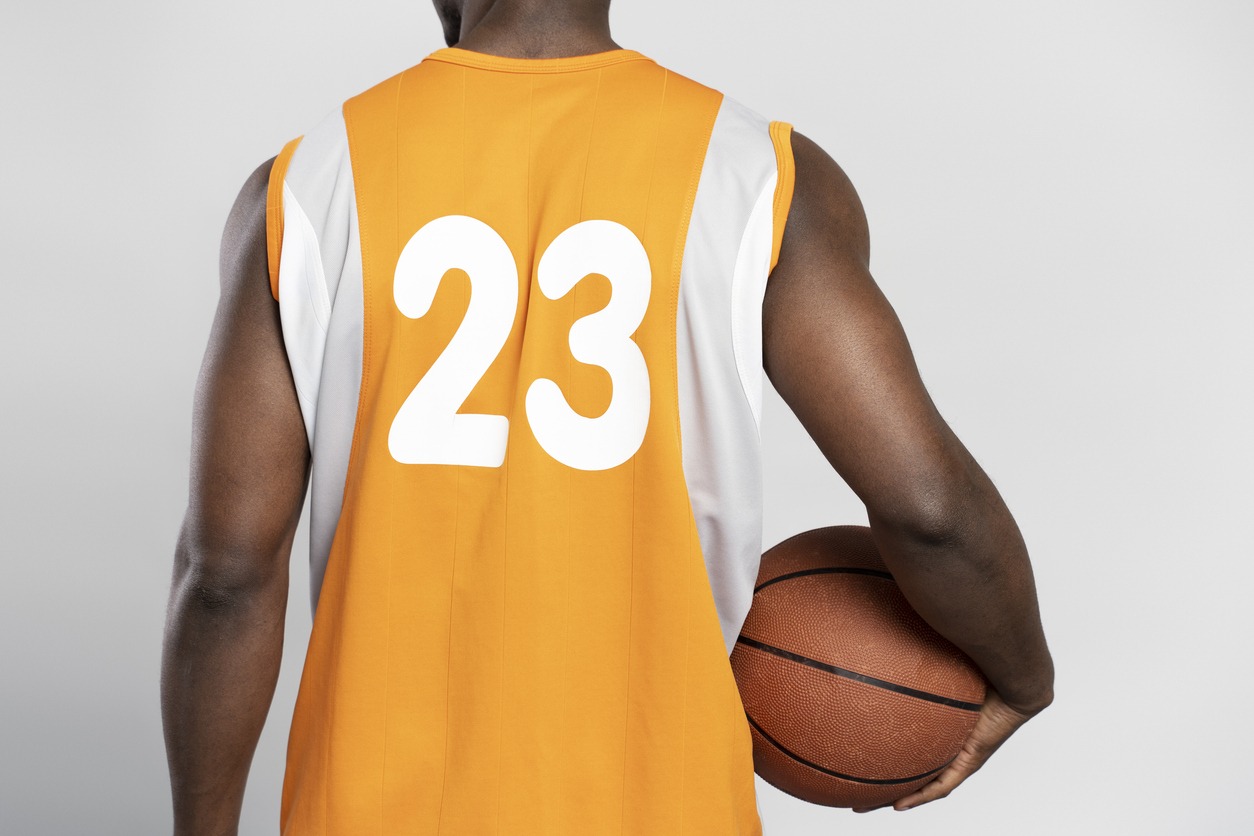
Tributes to basketball heroes are another common theme. Michael Jordan’s #23 has inspired countless players to pick the same number, hoping to channel even a fraction of his greatness. LeBron James, for instance, adopted #23 for this very reason. Similarly, players might choose numbers to honor mentors or coaches who made a significant impact on their lives.
Superstitions also come into play. Some players believe certain numbers bring good luck or help them perform better. Others avoid numbers they associate with bad experiences or losses. These personal connections create a bond between players and their jerseys, making the number an extension of their identity.
Retired Numbers and Team Legacy
If you’ve ever looked up at the rafters of an NBA arena, you’ve probably noticed the retired jerseys hanging there. These aren’t just decorations; they’re symbols of a team’s history and the players who defined it.
Retiring a number is one of the highest honors a team can bestow on a player. It’s a way of saying, “You’ve made such a significant impact that no one else will ever wear this number again.” Icons like Michael Jordan (#23), Bill Russell (#6), and Dirk Nowitzki (#41) have their numbers retired, serving as a constant reminder of their greatness.
But retired numbers aren’t just about celebrating individual players. They’re also about inspiring future generations. When current players see those numbers in the rafters, it’s a challenge to rise to that level of excellence. For fans, retired jerseys tell the story of their team’s journey and the legends who made it possible.
Marketing and Branding
View this post on Instagram
In today’s NBA, jersey numbers are more than personal identifiers—they’re branding tools. Think about it: When you see #23, you immediately think of Michael Jordan. When you see #30, you think of Steph Curry and his revolutionary three-point shooting. A jersey number can become so intertwined with a player’s identity that it’s hard to separate the two.
Players and teams recognize the marketing potential of jersey numbers. Merchandise sales often skyrocket when a player’s number becomes iconic. This is why many players stick with the same number throughout their careers. Changing numbers can disrupt their brand, making it harder for fans to connect.
Some players even build entire marketing campaigns around their numbers. Personal logos, social media hashtags, and signature sneakers often incorporate their digits. For example, LeBron James’ “King James” branding frequently features #23 or #6, depending on which number he’s wearing.
Number Changes and Trades
Trades are a part of life in professional basketball, but they can throw a wrench in a player’s plans when it comes to jersey numbers. Imagine building your entire career and brand around a specific number, only to be traded to a team where that number is already taken or retired.
This situation forces players to adapt. Some negotiate with teammates to claim their preferred number, while others use the opportunity to start fresh with a new digit. However, these changes can have ripple effects on their brand, from merchandise sales to social media engagement.
For example, when LeBron James joined the Miami Heat, he switched from #23 to #6 because the Heat had retired #23 in honor of Michael Jordan. When he returned to Cleveland and later joined the Lakers, he reverted to #23, showing how fluid jersey numbers can be in a player’s career.
Cultural Significance
Jersey numbers aren’t just significant on a personal level; they carry cultural and historical weight as well. In some cultures, certain numbers are considered lucky or symbolic. For instance, the number 8 is highly regarded in Chinese culture, representing prosperity and good fortune. It’s no surprise that many players of Asian descent or those playing in international leagues favor this number.
Numbers can also pay homage to broader historical movements. Jackie Robinson’s #42, for example, is retired across Major League Baseball as a tribute to his role in breaking the color barrier. While basketball doesn’t have a similar universal number, players often use their jerseys to honor civil rights pioneers or personal heroes.
Conclusion
So, do basketball players choose their own jersey numbers? Yes, but it’s rarely a straightforward decision. From navigating league rules and retired numbers to honoring personal and cultural connections, the process is as unique as the players themselves. Jersey numbers are more than just digits; they’re stories, legacies, and symbols of identity.
The next time you watch a game, take a moment to look beyond the play on the court. Every number you see has a tale behind it, waiting to be told.