Do Basketball Shoes Cause Injuries? Key Considerations

When you’re on the basketball court, your shoes are more than just part of your outfit—they’re essential equipment. The wrong pair of shoes, or shoes that are old and worn out, can be the difference between scoring the winning point and sitting out the rest of the season with an injury. So, do basketball shoes cause injuries? Not directly. But your choice of footwear, its fit, and how well you maintain it can have a big impact on your safety and performance.
Let’s break this down and talk about what really matters when it comes to basketball shoes and preventing injuries.
The Anatomy of Basketball Shoes: What You Need to Know
Basketball shoes are designed to give you the perfect mix of support, cushioning, and traction. But not all shoes are created equal, and understanding their parts can help you make better decisions.
- The Upper: This is the part that wraps around your foot and ankle. It can be made of leather, mesh, or synthetic materials. The upper’s job is to support your foot, and its height (low, mid, or high) determines how much ankle coverage you get.
- The Midsole: This is where the magic of cushioning happens. Made from materials like EVA foam or polyurethane, the midsole absorbs shock when you jump or land. It’s what keeps your knees and ankles from taking too much impact.
- The Outsole: This is the rubber part that touches the court. It’s all about grip. A good outsole prevents slipping and helps you make quick, controlled movements.
When you’re picking out shoes, think about how these parts work together to support your play style. For example, high-tops might feel more secure, but low-tops could give you the freedom you need for fast cuts and quick sprints.
The Impact Forces of Basketball
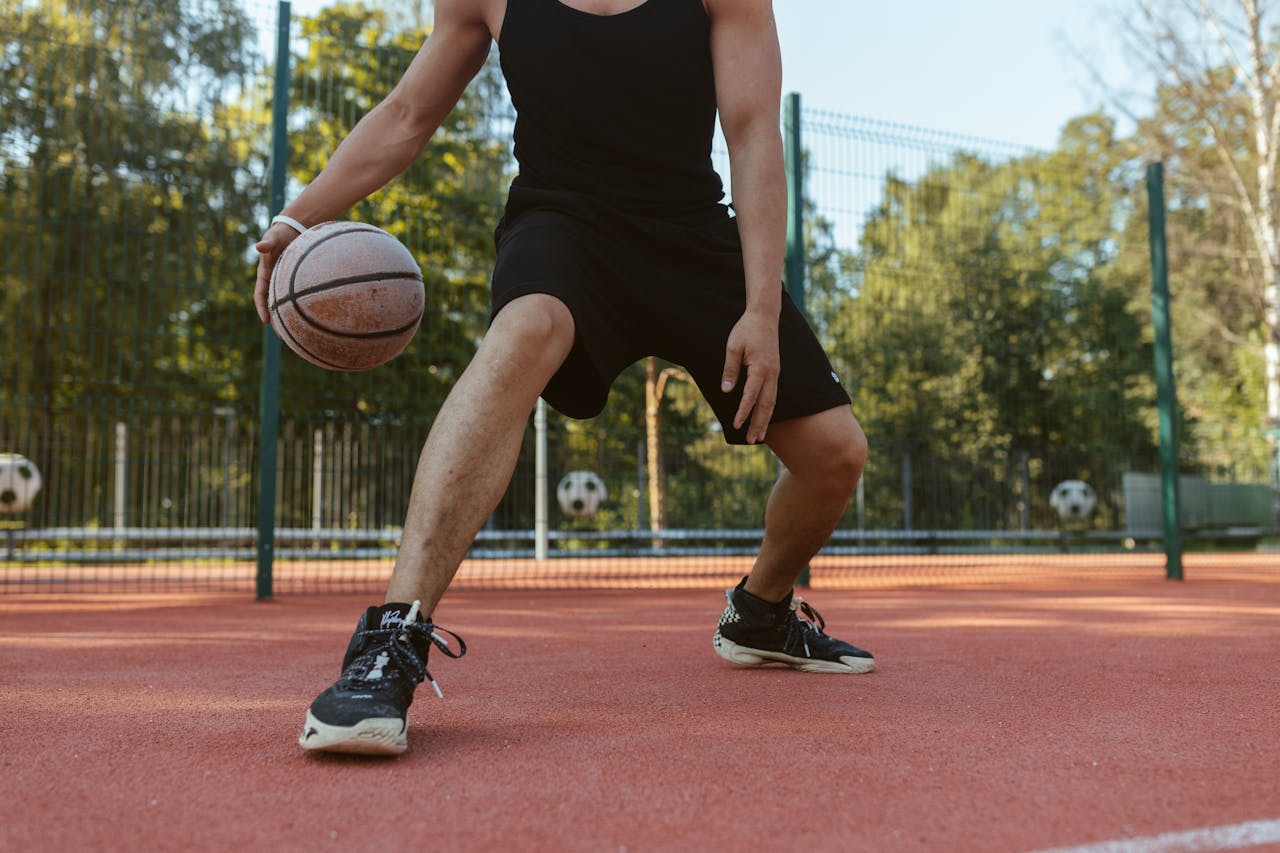
Let’s talk about the beating your body takes during a game. Every time you jump, run, or land, your body absorbs impact forces—sometimes up to five times your body weight! Your feet and ankles bear the brunt of this stress, especially during fast movements like cuts or pivots. Without the right footwear, this repeated strain can lead to injuries like ankle sprains, plantar fasciitis, or shin splints.
Basketball shoes with proper cushioning in the midsole help absorb these shocks. And traction—let’s not forget that! A grippy outsole keeps you from slipping, especially on those unpredictable court surfaces. So, when you’re shopping for shoes, look for features that reduce the stress on your joints and keep you steady on your feet.
Busting the Ankle Support Myth
Here’s a question that sparks debate in basketball circles: Are high-tops really better for preventing ankle injuries? The answer might surprise you. Research shows there’s no significant difference in injury rates between high-tops and low-tops. In fact, high tops can sometimes hinder your ankle stabilizer muscles, delaying their natural response to sudden movements.
What really matters is how you prepare your body. Exercises that strengthen your ankles and improve balance—like calf raises, single-leg stands, or resistance band drills—do more to prevent injuries than the height of your shoes ever could. And don’t skip a proper warm-up! Dynamic stretches and light cardio can prime your muscles for the intense movements of a game.
So, instead of focusing on shoe height, prioritize comfort and fit. A pair of well-fitted low-tops with great traction and cushioning can protect you just as well as high-tops, especially if you’re doing the right exercises to keep your ankles strong.
The Importance of Proper Fit
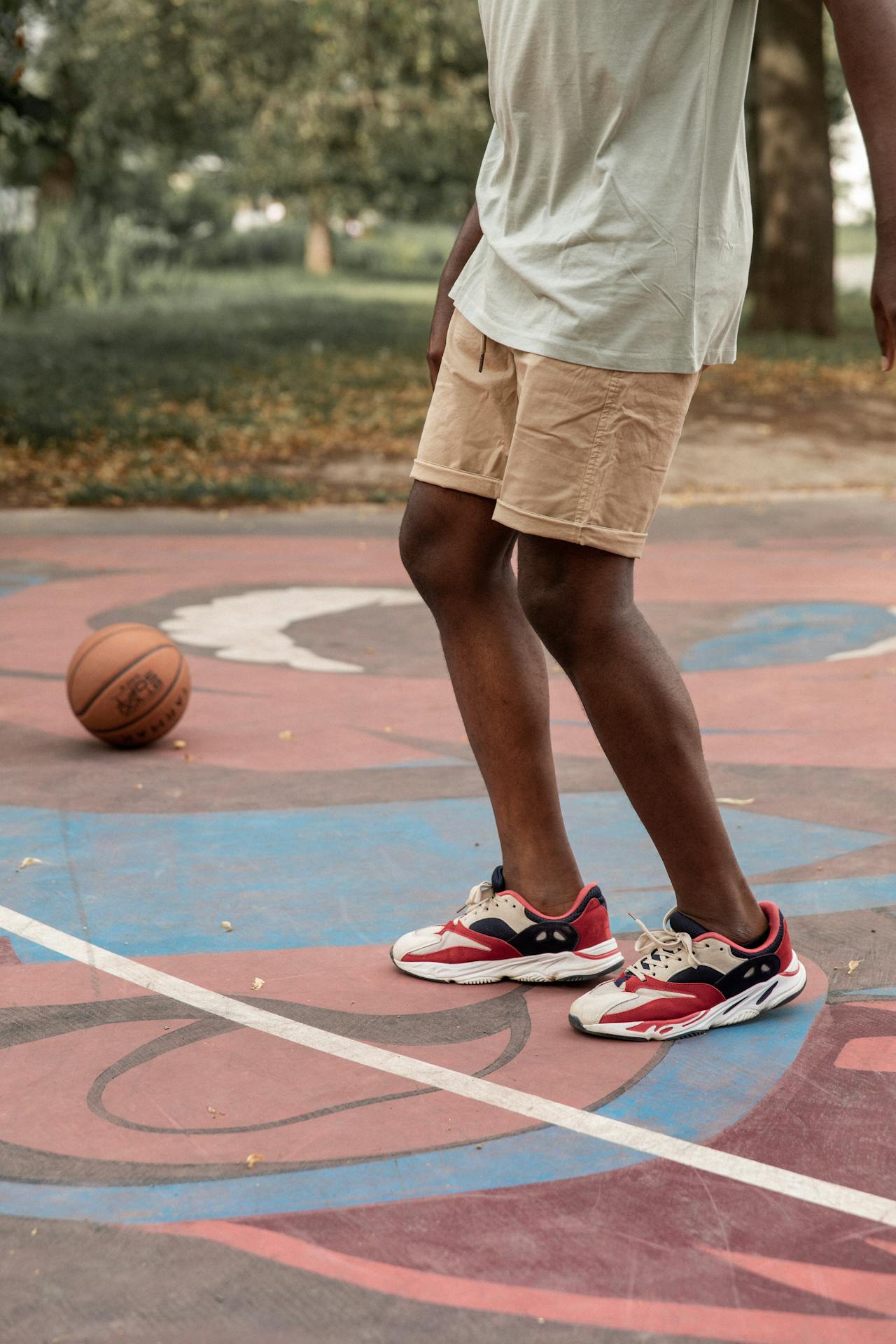
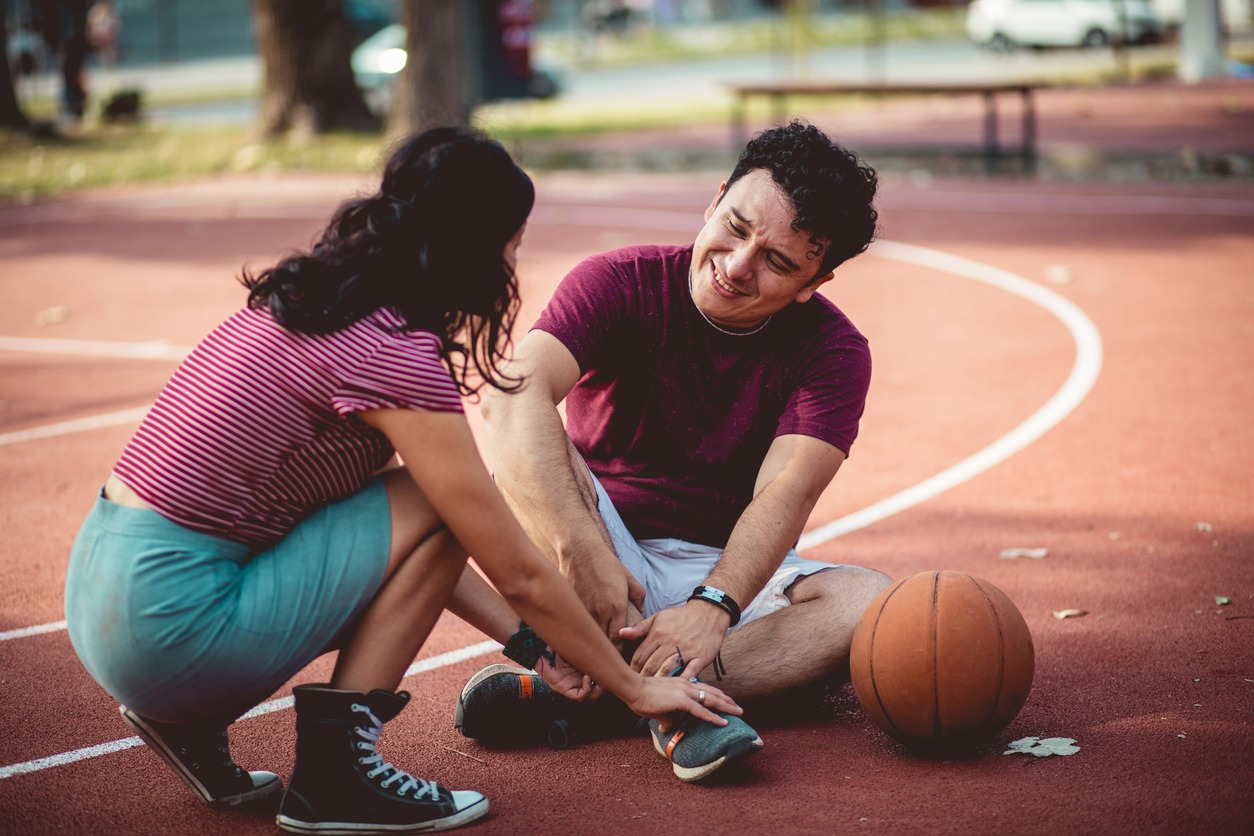
Fit isn’t just about comfort; it’s about safety, too. Shoes that are too tight can cut off circulation, cause painful blisters, and even lead to long-term issues like bunions. On the flip side, shoes that are too loose leave your feet sliding around, increasing your risk of ankle sprains.
How do you find the right fit? Start by measuring your feet—yes, even if you think you know your size. Your foot size can change over time, and the best time to measure is at the end of the day when your feet are slightly swollen. When you’re trying on shoes, wear the same socks you’ll use during games. Look for about a thumb’s width of space between your toes and the end of the shoe, and make sure your heel doesn’t slip out when you move.
The toe box is another critical area. Your toes should have enough room to move naturally without feeling cramped. As for the ankle, your shoes should feel snug without digging into your skin. Remember, a proper fit ensures that your shoes can do their job—keeping you safe and supported on the court.
Replace Worn-Out Shoes Before It’s Too Late
Basketball shoes don’t last forever. Over time, the cushioning compresses, the upper stretches, and the outsole wear down, all of which can compromise your safety. A general rule of thumb is to replace your basketball shoes every 2-3 months or after 72 hours of court time, whichever comes first.
But how do you know when it’s time to retire your kicks? Here are some signs:
- The midsole feels flat or unresponsive.
- The outsole has lost its grip.
- The upper shows signs of excessive wear, like tears or stretched material.
If you’re playing casually, you might not need to replace shoes as often as a professional athlete. Still, keep an eye on their condition. Investing in a new pair when needed is much cheaper than dealing with an injury caused by worn-out footwear.
Exercises to Prevent Injuries
Shoes can only do so much. To truly protect yourself, you need to strengthen your ankles, feet, and legs. Here are some simple exercises to include in your routine:
- Calf Raises: Stand on the edge of a step, lower your heels, and then lift them as high as you can. This builds strength in your calves and Achilles tendons.
- Single-Leg Balances: Stand on one foot and try to hold your balance for 30 seconds. For an extra challenge, close your eyes or stand on an uneven surface.
- Ankle Rotations: Sit down, extend one leg, and rotate your ankle in circles. Do 10 rotations in each direction for both ankles.
- Resistance Band Drills: Use a resistance band to add tension while moving your foot in different directions. This helps improve ankle stability.
Spend just 10 minutes a day on these exercises, and you’ll notice a difference in your balance and stability on the court.
A Checklist for Choosing the Right Basketball Shoes
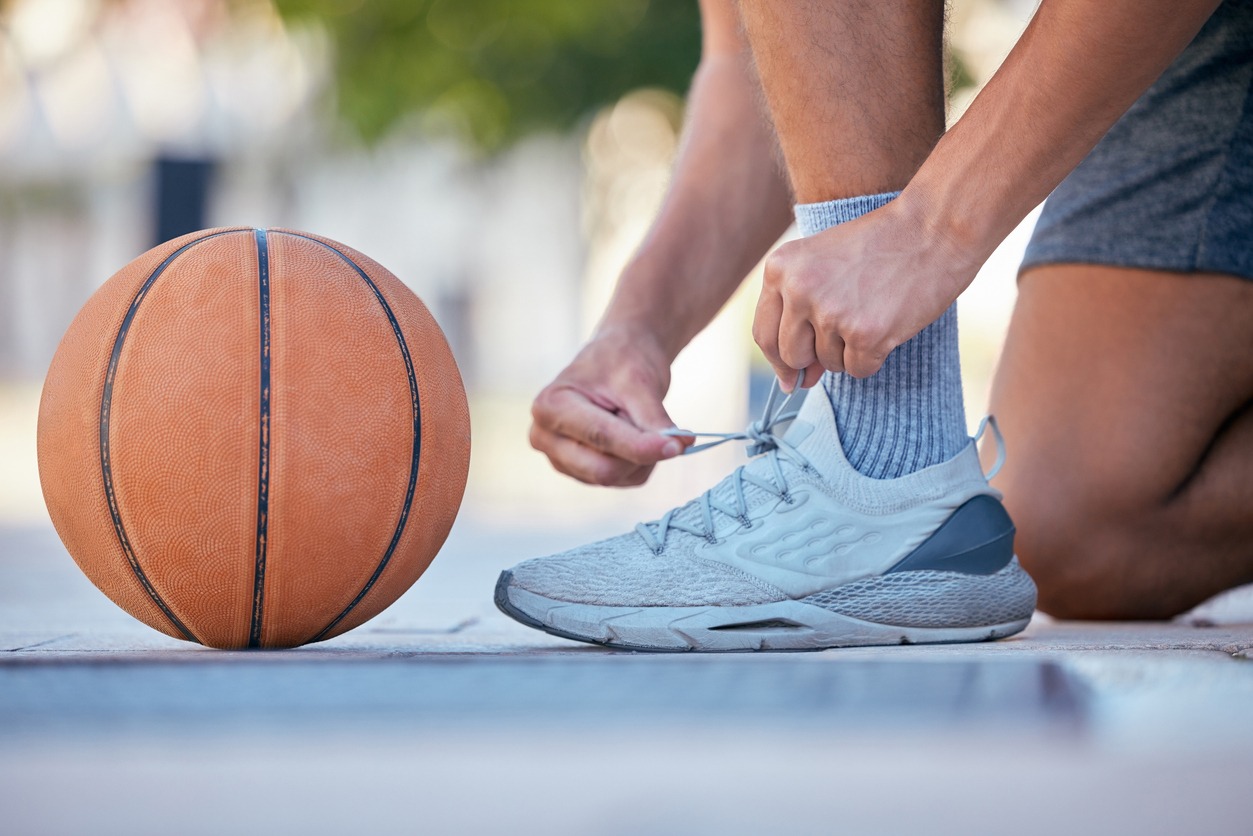
Still unsure about how to pick the perfect pair? Here’s a quick checklist to help:
- Cushioning: Does the midsole absorb shock effectively?
- Traction: Is the outsole grippy enough for your playing surface?
- Fit: Are they snug but not tight? Do your toes have enough room?
- Material: Is the upper durable yet flexible?
- Weight: Are they light enough to support quick movements?
- Position-Specific Needs: Do you play a position that requires extra ankle support or speed?
When you’re in the store, don’t just try the shoes on—move around in them. Jump, pivot, and mimic your on-court movements to see how they feel.
Conclusion
Basketball shoes may not directly cause injuries, but they’re a crucial factor in how well you can protect yourself on the court. By choosing the right pair, ensuring a proper fit, replacing them when needed, and strengthening your ankles with simple exercises, you can reduce your risk of injuries and keep playing at your best. Remember, investing in good footwear isn’t just about performance—it’s about staying safe and enjoying the game you love.