Essential Basketball Terms Every Player Should Know
Basketball isn’t just about running up and down the court or shooting hoops. It’s a fast-paced game filled with strategy, skill, and unique lingo that makes it a world of its own. Whether you’re stepping onto the hardwood for the first time or you’ve been a fan since you could dribble, understanding basketball terminology is your ticket to playing better, communicating with teammates, and even appreciating the game more when you’re watching it. Let’s break down the essential basketball terms you need to know and how mastering them can elevate your game—on and off the court.
Basic Basketball Lingo
Before we dive into the nitty-gritty, let’s start with some foundational terms that everyone—players and fans alike—should know.
- Airball: This one’s as embarrassing as it sounds. It’s when a player takes a shot, and the ball completely misses the rim, backboard, and net. Remember Kobe Bryant’s infamous airballs as a rookie? He turned those misses into motivation and became a legend. So, if you shoot an airball, shake it off—it’s all part of the game.
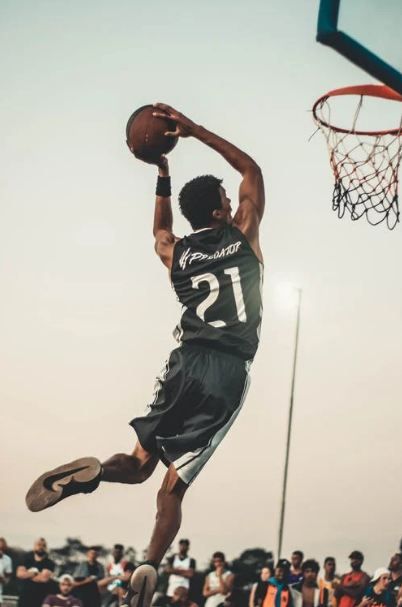
- Alley-Oop: Picture this: a teammate throws a high pass near the rim, and you soar up, catch it mid-air, and slam it into the basket. That’s an alley-oop, one of basketball’s most electrifying plays. It’s all about timing, trust, and a little showmanship.
- And-One: When a player gets fouled while making a basket, they earn an extra free throw. It’s called an “and-one” because, well, you’ve scored the basket and get one more shot.
- Assist: Teamwork makes the dream work, right? An assist is when a pass directly leads to a teammate’s successful shot. Think of it as the unsung hero of scoring.
- Bank Shot: A shot that bounces off the backboard before going into the basket. Tim Duncan was famous for his consistent use of the bank shot.
- Fast Break: A quick transition from defense to offense, often resulting in an easy scoring opportunity before the opposing defense sets up.
- Triple-Double: When a player accumulates double digits in three statistical categories (points, rebounds, assists, steals, or blocks) in a single game. LeBron James and Russell Westbrook are masters of this feat.
These terms are just the tip of the iceberg. As you get more into the game, you’ll start to hear these words more often—and you’ll notice how knowing them helps you follow the action better.
Offensive Moves and Skills
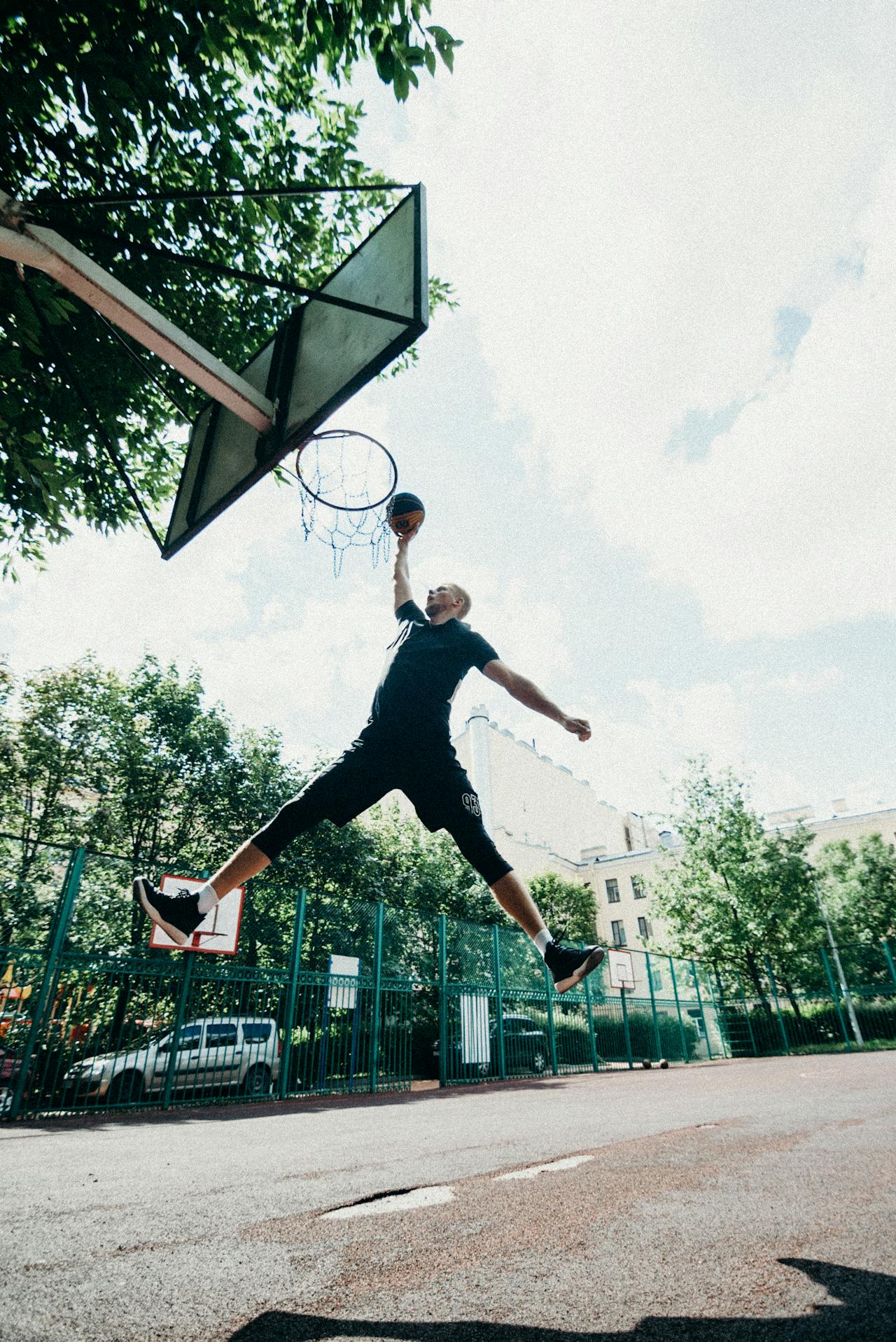
A strong offense is built on more than just shooting. Let’s break down the moves that make scorers shine.
- Jump Shot: The bread and butter of basketball. This move allows you to elevate above defenders and release the ball with precision. Players like Stephen Curry have turned the jump shot into an art form, raining threes with ease.
- Layup: When driving to the basket, a layup is often your best bet. It’s a close-range shot where you use the backboard to guide the ball into the hoop. If you’ve ever seen Kyrie Irving in action, you know how creative layups can get.
- Fadeaway: This advanced move involves jumping back as you shoot, creating space between you and your defender. It’s high-risk but high reward and was perfected by none other than Michael Jordan.
- Hook Shot: A classic move that’s still effective today. The hook shot allows you to protect the ball with your body as you arc it over a defender. Kareem Abdul-Jabbar’s skyhook remains one of the most unstoppable shots in basketball history.
- Euro Step: A deceptive two-step move designed to evade defenders. Players like Manu Ginóbili and James Harden use it to great effect.
- Spin Move: A slick maneuver where you rotate your body while dribbling to evade a defender. It’s flashy but effective.
- Pump Fake: Pretending to take a shot to make a defender jump, giving you space to shoot or drive to the basket.
Pro Tip: Start with the basics, like layups and jump shots, and as you build confidence, work on advanced moves like fadeaways and hook shots. Practice makes progress!
Court Positions and Zones
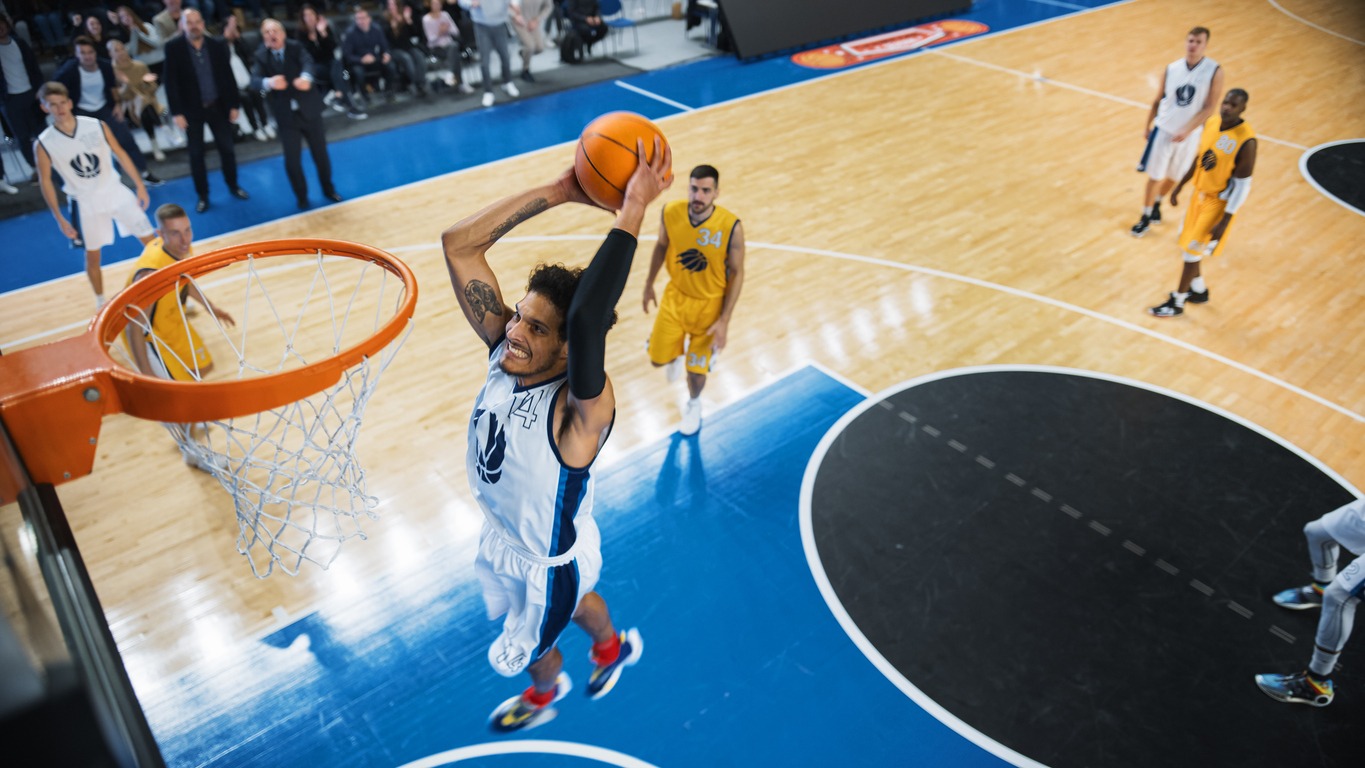
Understanding the layout of the court and the roles of each position is critical to your basketball IQ.
- Half-Court Line: This line divides the court into two sections: the frontcourt (offense) and the backcourt (defense). Teams have a limited time to cross it with the ball, adding a strategic element to gameplay.
- The Paint: Also known as the key, this rectangular area near the basket is where a lot of the action happens. Centers and forwards dominate here, fighting for rebounds and scoring close-range points.
- Baseline: The boundary line at the ends of the court. Players must stay inbounds during play, and it’s often used strategically during inbound plays.
- Free-Throw Line: The line where players take foul shots located 15 feet from the basket.
- Three-Point Line: The arc that marks the distance for three-point shots. Shots made beyond this line are worth three points.
- Point Guard: The floor general. This player directs the team’s offense, sets up plays, and makes crucial decisions. Think Chris Paul or Magic Johnson.
- Shooting Guard: A versatile scorer who can shoot from the perimeter or drive to the basket. Michael Jordan and Kobe Bryant redefined this position.
Other positions, such as small forwards, power forwards, and centers, each bring unique skills to the table, making basketball a game of teamwork and strategy. Learn where you fit best and how to maximize your role.
Defensive Techniques and Strategies
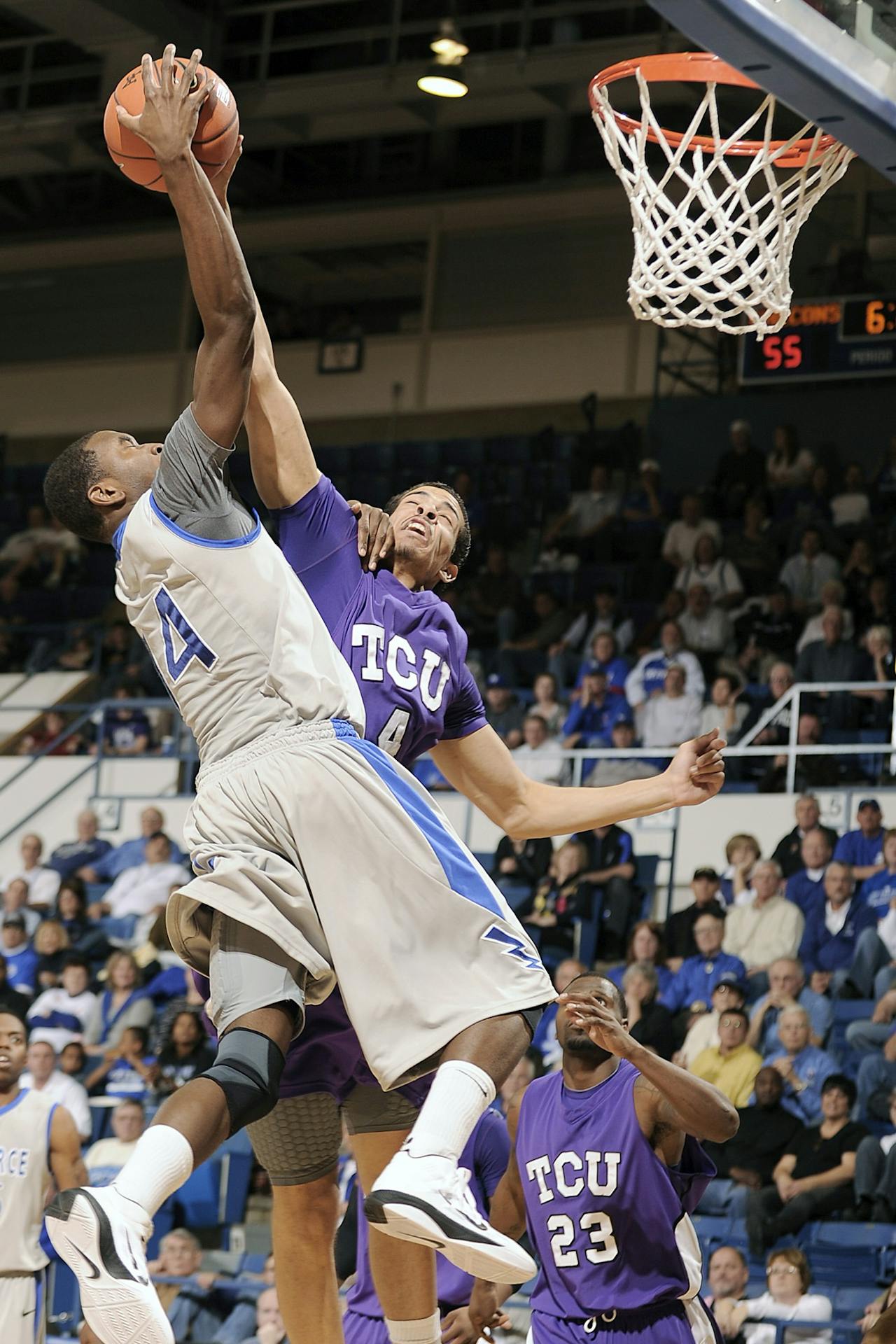
Defense wins championships. Here’s how to shut down your opponent and protect the basket.
- Box Out: A fundamental skill where you position yourself between the basket and your opponent to grab rebounds. Dennis Rodman was a master at this.
- Help Defense: When a teammate gets beaten by their man, you temporarily leave your assignment to provide backup. It’s a balancing act but crucial for team success.
- Drawing Charges: Standing your ground and taking a hit from an offensive player can result in a turnover. It’s not glamorous, but it’s a game-changer.
- Steal: When a defender takes the ball away from an offensive player through quick hands or smart positioning.
- Shot Blocking: Timing your jump to deflect or block an opponent’s shot without fouling. Dikembe Mutombo’s finger wag comes to mind.
Pro Tip: Great defense isn’t just about individual skills—it’s about communication. Call out screens and switches, and help situations to keep your team on the same page.
Essential Ball-Handling Terms
Ball-handling is what keeps the game moving. Mastering these moves will help you maintain control and create scoring opportunities.
- Crossover: A quick dribble where you switch the ball from one hand to the other to shake off a defender. Allen Iverson’s crossover was legendary.
- Behind-the-Back Dribble: A dribble where the ball is moved behind your back to evade a defender.
- Hesitation Dribble: A brief pause to make the defender think you’re stopping, then exploding past them.
- Between-the-Legs Dribble: Moving the ball between your legs to change direction or protect it from a defender.
Practicing these moves at game speed is key to making them second nature. Set up cones or use imaginary defenders to simulate real-game situations.
Shooting Fundamentals
Shooting is where points come from, so let’s break down the mechanics.
- Alignment: Start with your feet shoulder-width apart, dominant foot slightly forward. Your knees, elbows, and shoulders should align with the basket.
- Release and Follow-Through: As you jump, release the ball at the peak and let it roll off your fingertips. Finish with your shooting arm fully extended and your wrist relaxed.
- Types of Shots:
- Free Throws: Focused, unguarded shots worth one point each.
- Mid-Range Shots: Taken between the paint and the three-point line.
- Three-Pointers: Shots beyond the arc that require precision and strength.
- Bank Shot: Use the backboard to angle the ball into the hoop; especially effective for mid-range shots or layups.
Tip: Practice a consistent shooting routine to build muscle memory. Players like Stephen Curry didn’t become sharpshooters overnight—it took hours of repetition.
Team Play Vocabulary
Basketball is a team sport, and communication is everything.
- Screen: A legal pick to block a defender and free up a teammate.
- Cut: A quick move toward the basket to receive a pass.
- Spacing: Proper positioning to avoid crowding and create passing lanes.
- Outlet Pass: A long pass to a teammate down the court, often starting a fast break.
Offensive terms like “pick-and-roll” and defensive calls like “help” and “rotate” are part of every game. Learn them and use them to stay in sync with your teammates.
Game Clock and Scoring
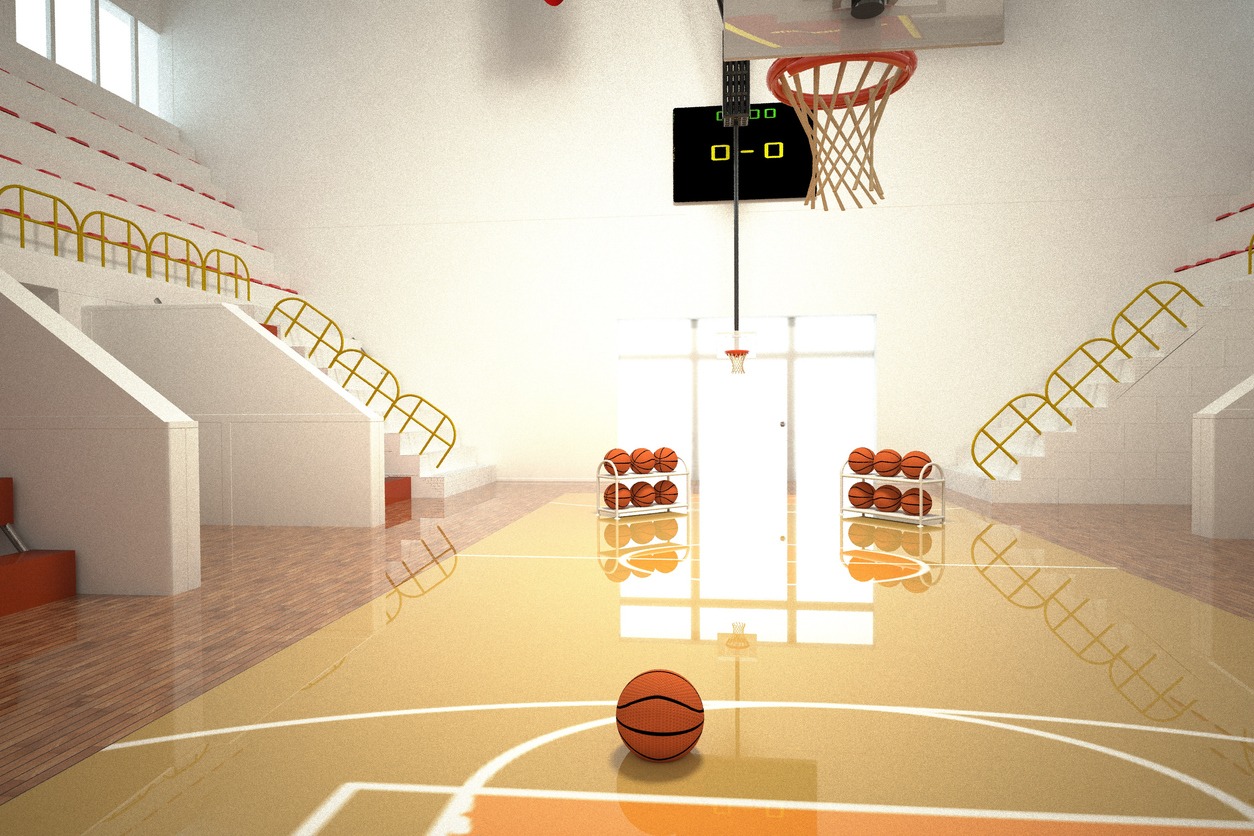
Time management is just as important as scoring.
- Shot Clock: Teams must attempt a shot within 24 seconds (NBA rules) to keep the game moving.
- Overtime: If the score is tied after regulation, the game continues with an extra period.
- Buzzer Beater: A shot made just as the game clock expires, often deciding the outcome of a close game.
Scoring is straightforward:
- Two Points: Any shot inside the three-point line.
- Three Points: Shots beyond the arc.
- One Point: Free throws.
Tip: Watch games to see how teams manage the clock during close matchups. You’ll notice how pacing and timing can make or break a game.
Player Movement Terms
Basketball is as much about movement without the ball as it is with it.
- Backdoor Cut: Slip behind your defender for an easy basket.
- Pick-and-Roll: Set a screen for the ball handler and roll to the basket for a pass.
- Give-and-Go: Pass the ball to a teammate and immediately move to receive it back.
- Pivot: Keeping one foot planted while moving the other to create better passing or shooting angles.
Movements like these keep defenses guessing and open up scoring opportunities. To become a more dynamic player, work on combining them in drills.
Conclusion
Mastering basketball terms isn’t just about sounding knowledgeable—it’s about understanding the game on a deeper level. From basic lingo to advanced moves, each term connects to a skill or strategy that can elevate your play. So, whether you’re on the court or in the stands, dive into these terms, practice what you learn, and watch your appreciation for the game grow. Now, lace up your sneakers and get out there—the court is calling!