How Did China's CBA Get Started?
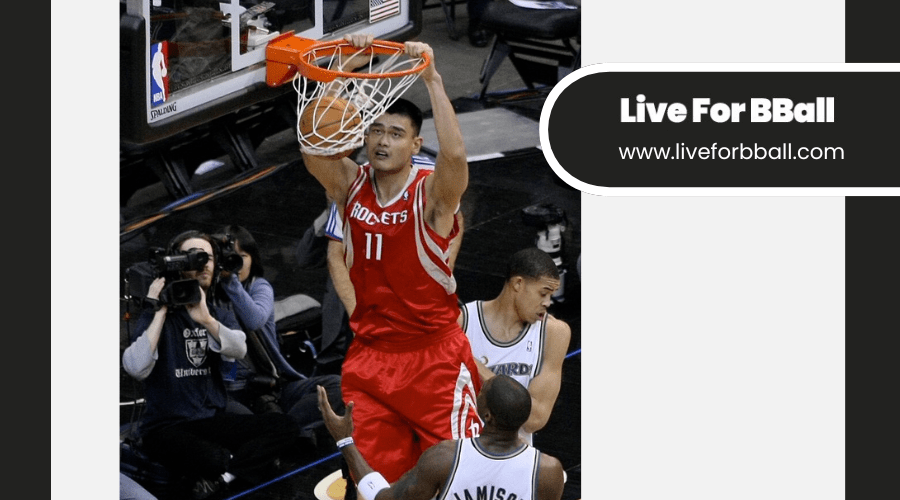
Keith Allison, AAAA1801, CC BY-SA 2.0
China's CBA (Chinese Basketball Association) began in the mid-1990s, a period characterized by significant changes and ambitions in Chinese sports. The league's inaugural season was in 1995-96, with the goal of enhancing domestic basketball and incorporating foreign players to boost competition. However, the journey faced early challenges, including inadequate facilities. The emergence of stars like Yao Ming brought global attention to the league. To understand how these elements combined to shape the CBA into its current form and the government's role in its development, let's delve deeper.
Early Beginnings of CBA
The Chinese Basketball Association (CBA) launched its journey in the mid-1990s, with its inaugural season in 1995-96. From the beginning, the league welcomed foreign players to elevate the competitive level of Chinese basketball. However, the early days were challenging. Facilities were inadequate, healthcare was lacking, and living conditions for foreign players were often unsanitary. Despite these obstacles, American players quickly became fan favorites, gaining celebrity status among enthusiastic Chinese fans.
As the league matured, the late 1990s and early 2000s saw the emergence of Chinese basketball icons like Yao Ming and Mengke Bateer, who significantly boosted the CBA's credibility on the global stage. Yao Ming, in particular, became a household name, inspiring a new generation of players and fans alike. The inclusion of American players such as God Shammgod also played a crucial role in enhancing the league's reputation. These notable signings created a more competitive environment, allowing domestic talents to compete against seasoned international athletes.
Governance and Structure
View this post on Instagram
Governance and structure in the Chinese Basketball Association (CBA) are centered around the Chinese Basketball Management Center (CBMC), which operates under the State General Administration of Sports. The CBMC, despite being a non-governmental organization, is heavily influenced by government policies, ensuring that the CBA's governance aligns with national sports objectives. This framework allows for a balance between independent league operations and state involvement. Since its inception in the mid-1990s, the CBA has welcomed foreign players, enhancing the league's competitiveness and global appeal. The CBMC oversees all aspects of the CBA, from the regular season's round-robin format to comprehensive team management. This oversight ensures uniform application of governance policies across all teams, promoting fair play and competitiveness. In 2017, Yao Ming's appointment as CBA president marked a significant shift. As the first non-official to hold this position, Yao has advocated for reforms aimed at improving team management and player development. His leadership aims to modernize the league, creating an environment where both domestic and foreign players can thrive. This focus on robust governance and structured player development is critical for the CBA's continued growth and success. New ventures often face significant hurdles, and the Chinese Basketball Association (CBA) was no exception. In its early years, the league encountered various challenges. Foreign players, who were allowed to participate from the start, frequently had to endure harsh living conditions, inadequate facilities, and subpar healthcare. These issues tarnished the CBA's reputation and posed significant obstacles to attracting top talent. Despite these difficulties, American players received celebrity-like treatment from enthusiastic fans, which helped spark interest in the league. As the CBA navigated these early challenges, it began to gain credibility in the late 1990s and early 2000s. The emergence of Chinese stars like Yao Ming and Mengke Bateer played an essential role in this growth. Their performances drew the attention of NBA scouts, increasing the league's visibility and enhancing its reputation. Notable signings, such as God Shammgod, highlighted the dynamic interplay between American and Chinese players, enriching the league's talent pool and fostering its growth. These developments marked a turning point, as the CBA began to overcome initial challenges and establish itself as a credible professional basketball league on the global stage. When foreign players initially joined the Chinese Basketball Association (CBA) in the 1995-96 season, they faced challenging living conditions and limited facilities. Despite these obstacles, their presence significantly elevated the league's profile and competitive standards. Over time, increasing salaries, particularly during the 2011 NBA lockout, made the CBA an attractive destination for international talent. The introduction of foreign players into the Chinese Basketball Association (CBA) in the mid-1990s was a transformative period for the league, albeit not without challenges. These players significantly influenced the CBA's development and competitiveness but encountered obstacles such as harsh living conditions, inadequate facilities, and poor healthcare. Despite these difficulties, basketball's popularity in China was undeniable. American players, in particular, were treated almost like celebrities by local fans, underscoring the substantial role that foreign players played in elevating the league's visibility and appeal. Players like God Shammgod not only helped raise the CBA's profile but also attracted NBA scouts, thereby increasing the visibility of Chinese players. The influx of foreign talent was crucial for the CBA's growth, enhancing the development of local players and improving the overall quality of play. While the early challenges were significant, the benefits brought by foreign players to the CBA's development and popularity cannot be overstated. The arrival of foreign players in the Chinese Basketball Association (CBA) during the mid-1990s led to a significant increase in player salaries, fundamentally reshaping the league's economic structure. These players enhanced the level of competition and overall quality of play. Initially, foreign players earned approximately $30,000 per month. However, by the 2011 NBA lockout, salaries had soared to between $1 million and $3 million tax-free, making the CBA an attractive option for international talent. This influx of high-profile foreign players raised salary expectations across the league. Eager to strengthen their rosters, CBA teams actively sought out scoring wings and rebounding bigs, which further drove the financial boom. This increase in player salaries not only drew top-tier talent but also offered valuable mentorship opportunities. Local Chinese players greatly benefited from the experience and skills of their international teammates, improving their own performance. As the CBA's popularity grew, its financial stability improved. Teams were able to pay foreign players on time and without a salary cap, creating a stable and lucrative environment. Consequently, the Chinese Basketball Association emerged as a premier destination for basketball talent worldwide. Salaries in China's CBA saw a dramatic increase in the early 2010s, reshaping the league's financial landscape. During the 2011 NBA lockout, foreign players experienced a significant salary boost in the CBA, with monthly earnings rising from $30,000 to between $1 million and $3 million, tax-free. This made the CBA an attractive destination for NBA talent, especially as European market salaries were declining. With no salary cap and reliable payments, the CBA's financial allure was evident. The arrival of American players not only bolstered the league's financial viability but also contributed to the development of local Chinese players. Foreign players often served as mentors, enhancing the skills of their Chinese teammates and elevating the overall level of play. Despite these advantages, most CBA teams still operate at a loss. The Guangdong Hongyuan team is one of the few exceptions, showing modest profitability. This situation highlights the urgent need for better marketing and merchandising strategies to enhance profitability. Improving these areas could be crucial for the league's financial health. Foreign players are expected to significantly contribute to team scoring, underscoring the league's demand for roles such as scoring wings and rebounding bigs. Established in the mid-1990s, China's CBA has experienced several key milestones and achievements that have defined its trajectory. The Chinese Basketball Association launched its inaugural season in 1995-96, formally organizing the sport and allowing foreign players to join, which immediately enhanced its competitiveness. One early milestone was the emergence of Chinese stars like Yao Ming and Mengke Bateer in the late 1990s. Their success not only attracted NBA scouts but also increased global visibility for the CBA, showcasing the league's growing talent pool. This period marked a turning point and set the stage for future achievements. Salaries for foreign players have seen a dramatic rise over the years. Initially, they earned around $30,000 monthly, but during the NBA lockout in 2011, these figures soared to between $1 million and $3 million, reflecting the league's financial growth and attractiveness. A significant achievement came when Errick McCollum set a league record by scoring 82 points in a single game. This performance underscored the CBA's rising competitive standards and global appeal, solidifying its reputation in the international basketball community. When Yao Ming became the president of the CBA in 2017, he introduced a modernizing perspective focused on reform. His initiatives to enhance team management and upgrade training facilities initially encountered some resistance but ultimately instigated significant changes. Under his leadership, the CBA has increased its competitiveness and strengthened its connections with the NBA, setting new standards for basketball in China. Since assuming the presidency of the Chinese Basketball Association (CBA) in February 2017, Yao Ming has spearheaded significant modernization and professionalization efforts within the league. A former NBA star, Yao introduced reforms aimed at enhancing governance, player development, training infrastructure, and team management. Under Yao's leadership, the CBA has also focused on boosting its commercial viability. The league schedule was expanded from 36 to 46 games to attract more fans and sponsors, thereby elevating its profile and financial health. Yao's presidency is emblematic of a broader reform movement within Chinese basketball, balancing government oversight with commercial interests to improve the league's quality. By prioritizing these areas, Yao Ming has significantly influenced the CBA's trajectory toward becoming a more competitive and professional organization. Despite Yao Ming's visionary leadership and persistent efforts to modernize the Chinese Basketball Association (CBA), he encountered significant resistance from entrenched officials and organizations wary of change. Elected as the first non-official president of the CBA in February 2017, Yao Ming introduced numerous reform proposals aimed at improving team management, training, and facilities. His goal was to enhance the league's competitiveness and commercial viability, yet he faced opposition from those hesitant to adopt these changes. Yao Ming's annual proposals since 2013 included splitting the CBA into two conferences and increasing the number of regular season games. However, initial suggestions like limiting national team training time for players and adopting an invitation system similar to the NBA were largely rejected. The resistance stemmed from a reluctance to shift away from traditional structures and a fear of losing control over the sport. Nevertheless, Yao Ming's leadership symbolized a push for modernization in Chinese basketball. Although not all his reform proposals were immediately accepted, some were implemented over time, gradually reshaping the CBA. His relentless advocacy continues to challenge the status quo and drive progress within the league. Yao Ming's influence on the CBA's team management is transformative. Since his election as president in February 2017, Yao has modernized the league's management structure. As the first non-official in this role, he signifies a reformative shift under governmental oversight. Yao's annual proposals focus on key areas including training, facilities, and comprehensive team management, aimed at modernizing the league: Yao's emphasis on reducing national team commitments underscores a focus on superior team management, essential for club success. His vision-driven changes are progressively transforming the CBA, balancing modernization with preserving the league's integrity under governmental oversight. The competitive environment of the CBA is intense, featuring a rigorous schedule of three games per week. This demanding timetable mirrors the NBA's pace, ensuring players remain in peak condition and maintaining high game quality. The CBA emphasizes competitive balance by allowing each team to have two American or European imports, plus an additional third player from FIBA Asia. These foreign players significantly enhance the level of play, making the league more exciting for fans. Talent development is a cornerstone of the CBA, with former NBA coaches contributing their expertise to improve team performance and competitiveness. Financial incentives play a crucial role, with salaries for foreign players ranging from $1 million to $3 million, making the CBA an attractive option for top international talent. The visibility of the CBA is also notable, with games broadcasted on CCTV-5 and reaching approximately 900 million viewers. This extensive coverage elevates the league's profile in the global sports landscape, further fueling the competitive spirit and passion on the court. The competitive environment of the CBA keeps the league dynamic and engaging, but government influence shapes its very foundation. Established in 1995, the Chinese Basketball Association (CBA) was created under the auspices of the Chinese Basketball Federation (CBF), a state-owned entity. The CBF greatly influences the league's operations and governance, ensuring that government control remains a central aspect of the CBA. Government policies, updated every five years, focus on improving the national team's global competitiveness and using basketball as a tool for soft power, aligning with broader strategic goals. The CBA's market structure heavily relies on government-dictated sponsorship deals, involving nearly 20 companies, including global brands like Nike. While some corporate involvement is allowed, the government maintains strict control over the basketball sector, limiting private enterprise activities and shaping the league's development. Key points of government influence on the CBA include: Understanding these dynamics provides insight into how the CBA operates within the framework of state influence. Looking ahead, the CBA's future shines with promise and opportunity. With an estimated 600 million basketball fans and around 300 million players in China, the market potential for the CBA is vast. This extensive audience positions the league as a significant player in the global basketball arena, creating opportunities for American players abroad and fostering international collaborations. The CBA's unique momentum compared to other professional leagues offers a strong platform for Chinese players to join the NBA, enhancing visibility and competitiveness. This exchange between leagues boosts the future of basketball in China, promising higher quality play and increased global interest. Strategic partnerships with corporate sponsors and the NBA are crucial. These alliances can drive further commercialization and grassroots talent development, ensuring that the next generation of Chinese players is well-prepared and highly skilled. The league's ongoing advocacy for reforms, including improvements in player training and facilities, underscores a commitment to modernization. As the CBA continues to evolve, it will likely utilize its market potential and strategic partnerships to solidify its standing. This approach will significantly contribute to the future of basketball, both in China and globally.Initial Challenges and Growth
Introduction of Foreign Players
Early Challenges Faced
Rising Player Salaries
Financial Landscape and Salaries
Key Milestones and Achievements
Influence of Yao Ming
Yao Ming's CBA Presidency
Reform Focus Initiative Outcome Governance Modernizing management Improved decision-making and accountability Player Development Upgrading training facilities Better-prepared athletes with increased international exposure Commercial Viability Expanding league schedule to 46 games Enhanced fan engagement and more sponsorship opportunities Reform Proposals Resistance
Enhancing Team Management
Competitive Environment
Government Influence
Future Prospects