How Popular Is Basketball in Africa?
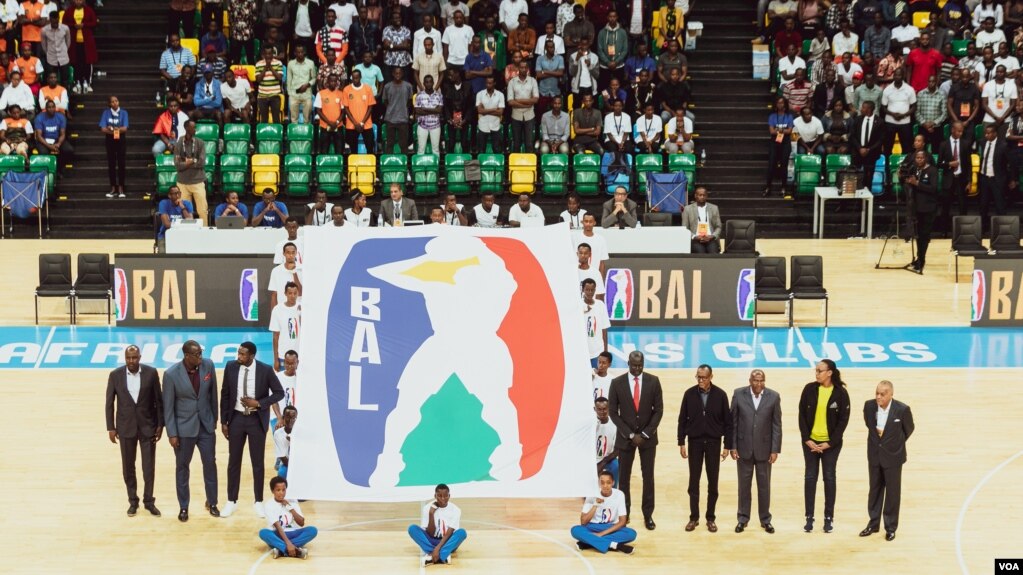
Basketball has deeply embedded itself into African culture since its introduction in the mid-20th century. The establishment of the African Basketball Confederation and the Afrobasket tournament has steadily increased the sport's popularity. The launch of the Basketball Africa League (BAL) in 2021, supported by major sponsorships, has further elevated its profile. African NBA players and grassroots initiatives have significantly influenced this growth. Local businesses and media coverage also play crucial roles in enhancing its popularity.
Historical Context
The roots of basketball in Africa can be traced back to the mid-20th century when missionaries introduced the sport. Egypt's early enthusiasm for basketball led to its joining FIBA in 1934, signaling the beginning of international competition on the continent. A significant milestone was the first recorded international game in 1949 between American and Egyptian teams, marking the sport's budding development in Africa.

In 1961, the African Basketball Confederation (AFABA) was established, becoming the main governing body for basketball in Africa. This organization was crucial in setting up diverse national leagues and fostering a structured environment for the sport. By 1962, the Afrobasket tournament was launched, providing a platform for African teams to qualify for global events and enhancing the sport's visibility and competitive spirit.
The late 20th century saw significant strides in professional basketball across Africa, with development continuing into the 21st century. This culminated in the launch of the Basketball Africa League (BAL) in 2019, a collaboration between FIBA and the NBA. This league underscored Africa's growing prominence in the basketball world, showcasing the continent's talent on a professional stage. Through these historical milestones, basketball has firmly established itself in Africa's sports culture.
Basketball Africa League (BAL)

The Basketball Africa League (BAL), launched in 2021, features 12 teams from various African countries and is structured similarly to the UEFA Champions League. The league's growth is supported by major sponsorships from global brands like Nike and Hennessy, which enhance its visibility. With the addition of the Kalahari Conference in 2024 and a focus on developing local talent, the BAL is expanding its reach and impact across the continent.
Team Structure and Conferences
Understanding the team structure and conferences of the Basketball Africa League (BAL) is crucial for grasping how the league operates. The BAL consists of 12 teams divided into three conferences: Sahara, Nile, and Kalahari. Each team competes in a regular-season round-robin tournament within their respective conferences. This format allows teams to play against each other and determine the strongest contenders.
Teams qualify for the BAL through their national federations, either as national league champions or by advancing through qualifying rounds, culminating in the Elite 16. The league's inaugural season took place in 2021 and has experienced significant growth since then. Plans for expansion in 2024 include the introduction of the Kalahari Conference and the participation of the initial Sub-Saharan champion, Petro de Luanda.
The top two teams from each conference, along with the two best third-ranked teams, advance to the playoffs. These playoffs are conducted as a single-elimination tournament, heightening the excitement and intensity of the competition. This structure guarantees that only the best teams progress, maintaining a high level of competition and excitement throughout the season.
Sponsorship and Financial Backing
To fully understand the dynamics of the Basketball Africa League (BAL), it's essential to consider the pivotal role of sponsorship and financial backing. The BAL has secured significant multinational sponsors such as Air Jordan, Nike, and Hennessy, which enhance the league's visibility and provide crucial financial support. These partnerships enable the league to offer a $150,000 prize to its champions, thereby incentivizing competition and rewarding excellence.
Despite these valuable sponsorships, the BAL faces financial challenges as it strives to establish a sustainable business model. NBA Africa, which oversees the BAL, is valued at over $1 billion, indicating substantial potential for growth and investment in African basketball.
To generate revenue, the BAL relies on international broadcasts and sponsorships. Extensive media coverage spans 215 countries in 14 languages, further boosting its visibility. This international reach is vital for attracting additional sponsors and ensuring the league's long-term sustainability.
Impact of African NBA Players
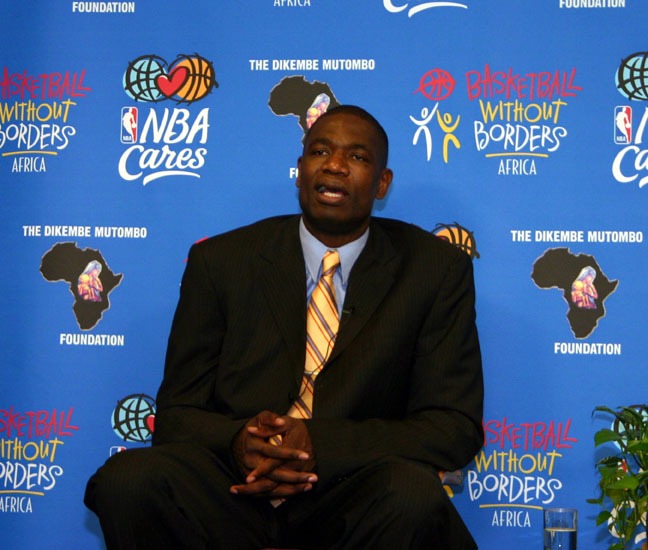
Recognizing the significant impact of African NBA players, stars like Joel Embiid and Hakeem Olajuwon have reshaped perceptions of African talent in basketball. Joel Embiid, named the 2022-23 NBA MVP, exemplifies the rising prominence of African players in the NBA. His incredible skill set and dominance on the court highlight the continent's contributions to the league. Likewise, Hakeem Olajuwon, the first overall pick in the 1984 NBA draft, paved the way for many young players from Africa to aspire to NBA careers.
The influence of African players in the NBA is undeniable. With over 70 players currently in the league either born in Africa or of African descent, the impact is considerable. The 2022 NBA Draft, which saw a record eight players of African origin selected, underscores the burgeoning talent emerging from the continent. Figures like Dikembe Mutombo and Joel Embiid have not only excelled on the court but also opened doors for future generations, promoting basketball in Africa as a viable career path. The achievements of these players inspire young talent and continue to enhance the status of basketball in Africa.
Grassroots Development
African NBA players have undoubtedly reshaped perceptions and opened doors, but the true foundation of basketball's growth on the continent starts at the grassroots level. Engaging young people and nurturing future talent are crucial, and grassroots development is key to achieving this. Programs like Basketball Without Borders (BWB) have been instrumental, conducting camps in 30 countries, including 10 in Africa, and developing over 500 players, with 15 making it to the NBA.
Community initiatives and local leagues also play an essential role in enhancing participation and providing fundamental training. The Giants of Africa initiative, for instance, aims to build 100 basketball courts across the continent, with 50 already constructed, providing training for over 10,000 young players. Grassroots organizations like Grassroots Africa Basketball and the Power Forward Programme have collectively trained over 160,000 players in regions including Nigeria and Southern Africa.
Here are some impactful grassroots development efforts:
- Basketball Without Borders camps - Developing over 500 players across Africa, with 15 reaching the NBA.
- Giants of Africa initiative - Constructing 50 basketball courts and training over 10,000 young players.
- Grassroots Africa Basketball and Power Forward Programme - Training over 160,000 players across Nigeria and Southern Africa.
- NBA Junior program - Promoting participation through school tournaments.
These initiatives are significant for fostering youth engagement and expanding the reach of basketball in Africa.
Sponsorship and Partnerships
Sponsorship and partnerships play a crucial role in the growth of basketball in Africa. Multinational sponsors such as Air Jordan, Nike, and Hennessy have significantly enhanced the visibility and financial strength of the Basketball Africa League. Collaborations with local businesses like Flutterwave and Visit Rwanda also highlight the increasing interest in the sport. These partnerships not only boost revenue but also create financial incentives for teams, intensifying competition and promoting sustainability.
Corporate Sponsorship Growth
Corporate sponsorships have driven significant growth in the Basketball Africa League (BAL), with multinational brands like Air Jordan, Nike, and Hennessy leading the charge. These sponsorships have greatly amplified the league's visibility and financial stability. Under NBA Africa's guidance, the BAL has attracted substantial interest and strategic investments, transforming the league into a burgeoning success story. Thanks to these multinational sponsors, the BAL is not only gaining popularity but also establishing a sustainable economic model for professional basketball in Africa.
Key impacts of corporate sponsorships include:
- Financial Backing: Multinational sponsors provide essential financial support, ensuring the BAL has the resources to thrive.
- Partnerships: Collaborations with organizations such as Flutterwave and Visit Rwanda enhance sponsorship opportunities and foster growth.
- Prize Incentives: The BAL champion receives $150,000, highlighting the league's lucrative potential.
- Revenue Generation: International broadcasts and sponsorships are vital for creating a sustainable economic model, despite initial financial challenges.
With NBA Africa's valuation exceeding $1 billion, strategic investments are clearly paying off. Corporate sponsorships are paving the way for a promising future in African basketball.
International Brand Collaborations
International brand collaborations have propelled the Basketball Africa League (BAL) to unprecedented levels. Partnerships with global giants like Air Jordan, Nike, and Hennessy have significantly enhanced the league's visibility and financial stability. These collaborations provide not just financial support but also attract further sponsorship, creating a mutually beneficial scenario for both the league and its partners.
NBA Africa, which manages the BAL, has secured strategic investments that have elevated its valuation to over $1 billion. This financial strength highlights the burgeoning potential of basketball in Africa. The BAL's international broadcasts now reach 215 countries, illustrating the league's growing global appeal. Major networks like ESPN offer extensive coverage, further elevating the profile of African basketball.
Collaborations with organizations such as Flutterwave and Visit Rwanda are aimed at promoting the BAL while boosting tourism linked to basketball events. Additionally, the $150,000 prize for the BAL champion heightens competitive interest among teams. This competitive environment, driven by strategic investments and multinational sponsorships, ensures that the BAL remains a key focus for basketball fans worldwide.
Local Business Support
While the Basketball Africa League (BAL) has secured impressive multinational sponsors like Air Jordan, Nike, and Hennessy, local business support remains crucial for its long-term success. These global brands significantly enhance the league's visibility and financial foundation, but the involvement of local businesses is essential for building a sustainable basketball ecosystem.
Here are key points to understand the importance of local business support:
- Financial Stability: Local businesses provide critical financial resources that help stabilize the league.
- Community Engagement: Sponsorship from local enterprises fosters greater community interest and boosts attendance at games.
- Sustainable Development: Local sponsorship ensures the league's endurance even if multinational sponsors withdraw.
- Investment Potential: With NBA Africa valued at over $1 billion, there is a strong opportunity for local businesses to participate in the sponsorship arena.
Partnerships with organizations like Flutterwave and Visit Rwanda aim to elevate the BAL's profile and engage local businesses in the basketball ecosystem. These collaborations underscore the growing investment landscape in African basketball, which is essential given the financial challenges faced by the BAL. The $150,000 prize for the league champion further incentivizes teams and attracts both local and international sponsorship interest. Ultimately, local business support is key to ensuring the BAL's long-term sustainability and success.
Cultural Influence and Media Coverage
Basketball's cultural influence in Africa is undeniable, with the sport rapidly becoming a unifying force across the continent. The Basketball Africa League (BAL) has significantly increased media coverage, broadcasting games in 215 countries and in 14 languages, attracting a diverse audience. This heightened visibility underscores the sport's cultural importance and brings attention to the local talent flourishing on the continent.
High-profile figures like Barack Obama have also played an essential role in promoting African basketball on the global stage. The NBA's investment, particularly through NBA Africa and initiatives like the NBA Junior program, has further deepened the sport's cultural impact and youth engagement. Recognizing Africa as a crucial growth area for basketball, organizations like FIBA are working to make the continent a major hub for the sport.
Here are some key aspects:
| Initiative | Impact | Coverage |
|---|---|---|
| Basketball Africa League | Increased media coverage | 215 countries, 14 languages |
| NBA Africa | Youth engagement | Continental impact |
| Barack Obama's Support | Global visibility | Cultural significance |
| FIBA Recognition | Local talent development | Future potential |
| NBA Junior Program | Grassroots development | Youth tournaments |
These efforts collectively enhance the sport's prominence and cultural footprint across Africa.