The Design Process Behind Today’s High-Performance Basketball Shoes
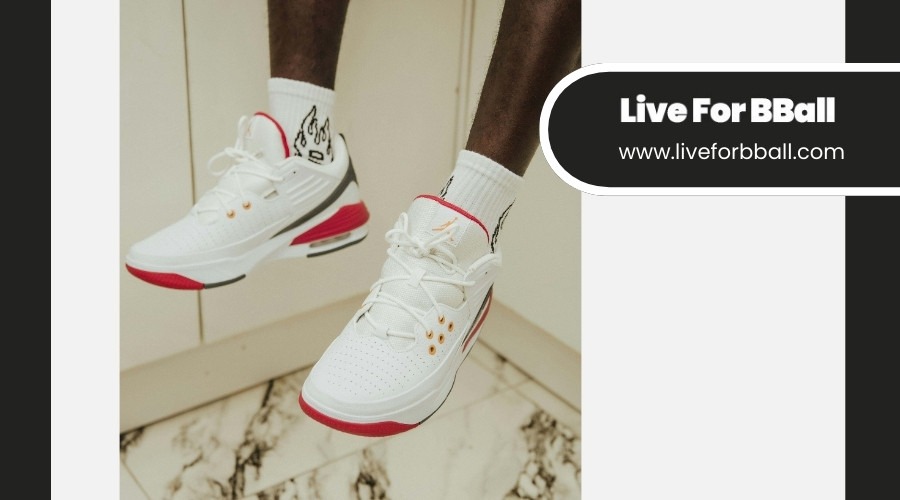
Modern basketball shoes aren't just shoes—they're tools designed to help athletes perform their best. Every pair combines engineering, science, and art, with designers working closely with players to fine-tune every detail. From player feedback to cutting-edge testing, there's a lot that goes into creating these high-performance sneakers. Let's break it down in a way that's easy to understand.
1. Players Shape the Design
View this post on Instagram
The design process starts with the players. Designers work directly with athletes to understand what they need. Every movement, jump, and cut is studied to create a shoe that performs perfectly.
Take Kobe Bryant's partnership with Nike, for example. Kobe wanted lightweight shoes that felt like playing barefoot. His input led to a whole new approach in basketball shoe design, focusing on agility without losing support.
The collaboration doesn't stop there. Players test prototypes and give feedback that helps designers make improvements. Whether it's better cushioning for landing or stronger grip for quick cuts, players and designers work as a team to create something great.
2. Picking the Right Materials
Choosing materials for basketball shoes is like solving a puzzle. Designers need materials that are durable, flexible, and comfortable—all at the same time.
Most shoes today use synthetic leathers or knit fabrics for the uppers. These materials are tough but breathable, keeping players comfortable. For the midsole, brands like Nike and Adidas use tech like Zoom Air or Boost foam to add cushioning that helps players stay energized throughout a game.
Traction is also key. The rubber soles are tested rigorously to ensure they'll grip the court without wearing out too fast. This means players don't have to worry about slipping during a crucial play.
3. Studying Movement with Biomechanics
To make the best shoes, designers need to understand how players move. That's where biomechanics come in. Using tools like motion capture and force plates, researchers study things like how a player's foot lands after a jump or pivots during a fast break.
This research helps designers create shoes that reduce stress on joints and provide the right support. For example, cushioning systems are placed exactly where they're needed most to absorb shock and keep players comfortable. They also use computer models to predict how different materials and designs will perform, saving time and resources in the process.
Biomechanics also factor into preventing injuries. For example, ankle rolls are common in basketball. By studying how these injuries happen, designers can create features like higher collars or reinforced lateral supports to minimize risks without hindering movement.
4. Testing and Prototyping
Once the design ideas are ready, it's time to make prototypes. Designers use 3D modeling to quickly create and test different concepts. These prototypes go through all kinds of tests to check their performance.
Stress tests look at durability. Pressure mapping helps refine cushioning. Traction patterns are tested on various surfaces to make sure they grip well. Athletes wear-test the shoes and give feedback on fit, comfort, and performance. This process can involve dozens of tweaks to get everything just right.
Prototyping also allows for customization. For example, signature lines for athletes often incorporate unique elements specific to their playing style or preferences. This level of detail ensures that shoes are not only high-performing but also deeply personal.
5. How Shoes Work with Court Surfaces

Basketball is played on all kinds of courts—indoor hardwood, outdoor asphalt, and everything in between. Designers study how shoes interact with these surfaces to optimize performance.
Traction patterns are a big focus. For example, Nike uses circular patterns for multidirectional grip, perfect for guards who make quick cuts. These patterns are tested in labs that replicate real court conditions, so designers know the shoes will perform during high-pressure moments.
Additionally, outdoor basketball presents unique challenges. Asphalt courts require outsoles made from more durable rubber compounds to withstand rough surfaces, while maintaining the same level of traction and responsiveness.
6. Protecting Players from Impact
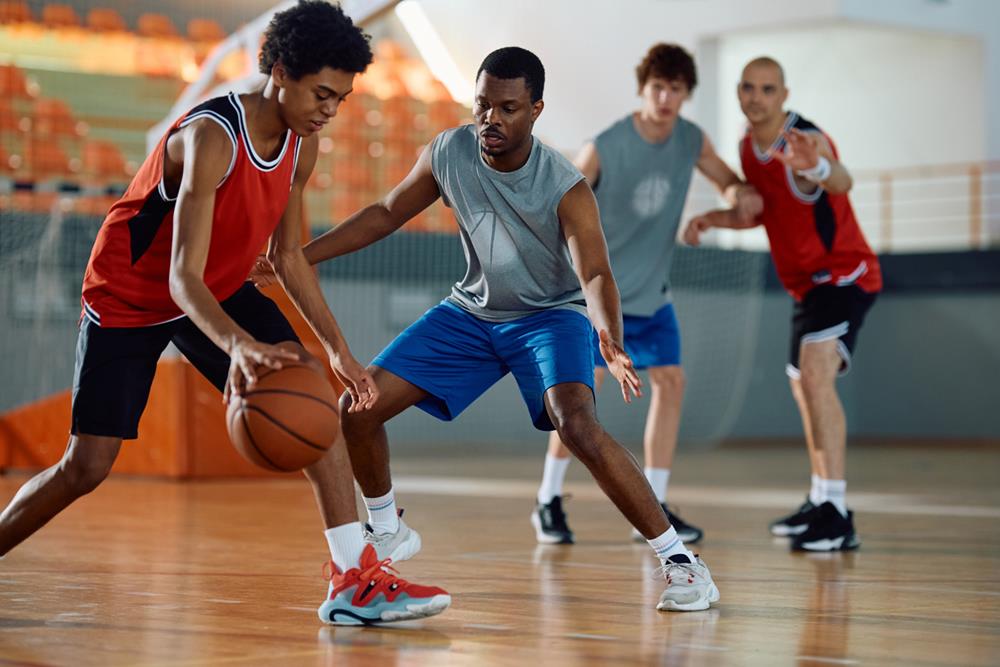
Basketball is tough on the body, especially the feet. That's why impact protection is a must in modern shoes. Technologies like Nike Air and Adidas Boost are designed to absorb shock and reduce stress on joints.
These cushioning systems are placed strategically. For instance, the forefoot might have extra cushioning for explosive takeoffs, while the heel focuses on softening landings. This targeted approach keeps players comfortable and protected throughout the game.
Impact protection also plays a role in player longevity. Reducing the strain on joints and muscles allows athletes to recover faster and reduce the risk of overuse injuries, ensuring they can stay at the top of their game for longer.
7. Keeping It Light
A shoe's weight can make or break a player's performance. Designers work hard to make shoes as light as possible without sacrificing support.
They use materials like carbon fiber plates and ultralight foams to add strength without bulk. Advanced computer models help study how weight is distributed, ensuring the shoe feels balanced and natural. The result? Shoes that let players move freely without feeling weighed down.
Weight also ties into energy efficiency. Lighter shoes mean less fatigue over the course of a game, giving players a slight but crucial edge in the final minutes.
8. Staying Cool Under Pressure
Basketball games get intense, and so do players' feet. Temperature control is a big deal in shoe design. Modern shoes use breathable mesh uppers and moisture-wicking linings to keep feet cool and dry.
Some even go a step further with high-tech solutions like phase-change materials that absorb and release heat as needed. This keeps players comfortable and focused, even during overtime.
In extreme conditions, such as outdoor games in hot climates, these technologies can make a huge difference in preventing overheating or blisters, allowing athletes to maintain peak performance.
9. Balancing Performance and Style
Basketball shoes today are as much about making a statement as they are about performance. Designers work to blend cutting-edge technology with bold, eye-catching designs that resonate with fans and players alike.
Signature lines, like those from Michael Jordan or LeBron James, tell stories about the players they're made for. These shoes aren't just functional—they're cultural icons. Custom colorways, unique patterns, and even collaborations with artists or brands make basketball shoes stand out both on and off the court.
Style doesn't compromise performance, though. Every aesthetic choice, from materials to shapes, is carefully considered to ensure it enhances the player's experience while looking great.
10. The Future of Basketball Shoe Design
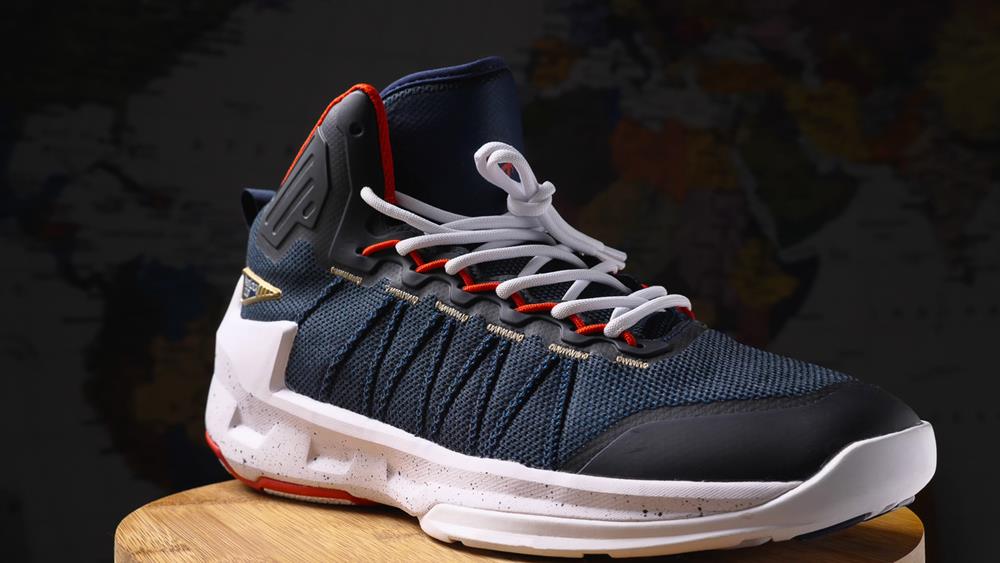
The innovation in basketball shoe design shows no signs of slowing down. Technologies like 3D-printed midsoles, self-lacing systems, and eco-friendly materials are already making waves in the industry. As designers continue to push boundaries, the next generation of basketball shoes promises to be even more advanced.
We're also seeing a move towards personalization. Imagine shoes that adapt in real-time to your movements or track your performance data during games. These possibilities could redefine what basketball footwear can do, making them an even more integral part of an athlete's toolkit.
Final Word
The process of designing basketball shoes is a true team effort. From players to designers to scientists, everyone contributes to creating footwear that helps athletes excel. So, the next time you see your favorite player hit the court, take a moment to appreciate the innovation and collaboration behind the shoes on their feet.