The Importance of Footwork in Basketball: Key Techniques
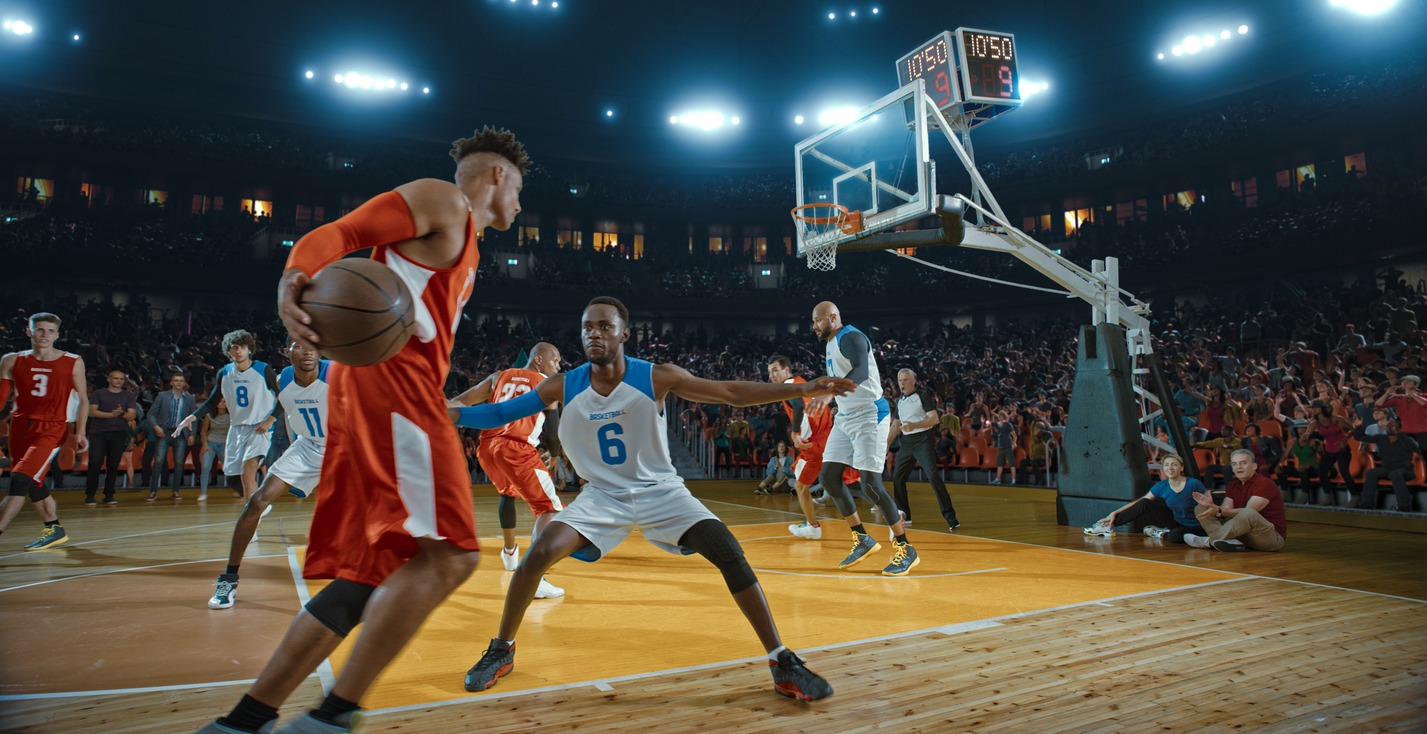
Basketball is a game of skill and precision, but every great move starts with proper footwork. While shooting and dribbling often get the spotlight, it's footwork that allows players to execute those skills effectively. Legends like Kobe Bryant and Hakeem Olajuwon were masters of footwork, using their agility and balance to outmaneuver opponents. Let's dive into how you can improve your footwork to elevate your basketball game.
Fundamentals of Basketball Footwork
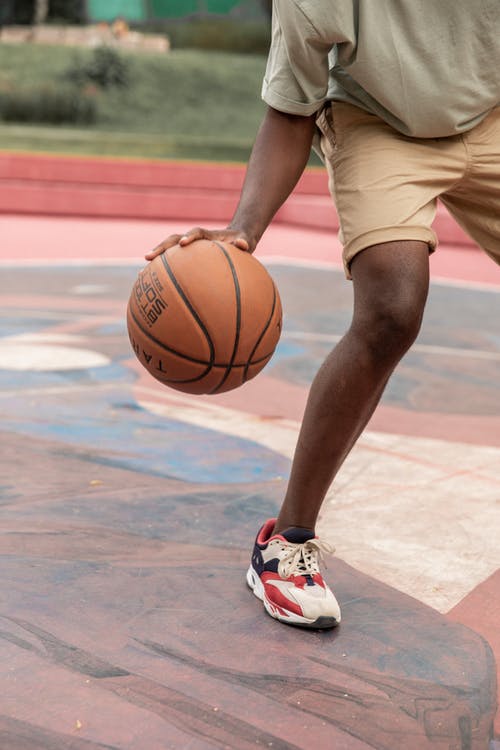
Good footwork begins with balance. Your stance should be stable, with feet shoulder-width apart, knees slightly bent, and your weight evenly distributed on the balls of your feet. This position keeps you ready to react, whether you're on offense or defense. Balance also reduces the risk of injuries, as it minimizes unnecessary strain on your joints during sudden movements.
Basic Techniques to Build Your Foundation
- One-Two Step Landing: Use this to maintain balance and control when catching a pass or stopping your dribble. The one-two step ensures that your feet are in position for the next move, whether it's a shot or a pass.
- Jump Stops: A critical move for coming to a halt quickly without losing your footing. This technique helps you avoid traveling violations and allows you to pivot effectively.
- Pivoting: Essential for creating space and maintaining ball control. Master forward, reverse, inside, and outside pivots to stay unpredictable. Pivoting also helps you protect the ball from defenders while looking for passing or shooting opportunities.
Practical Application
Imagine driving to the basket. Without proper balance and control, you're more likely to lose possession or commit a traveling violation. Master these fundamentals to ensure your moves are smooth and effective. Balance and basic techniques set the stage for more advanced skills like step-back jumpers and euro-steps.
Mastering the Ready Position
The ready position is your foundation for quick, explosive movements. Stand with your feet shoulder-width apart, dominant foot slightly ahead, knees bent, and weight forward. Your hands should be up, ready to react, and your head should stay up to keep your vision on the court.
Common Mistakes
Some players stand too upright or lean backward, which reduces their ability to move quickly. Make sure to stay low and balanced at all times. Another common error is letting your weight shift to your heels, which makes it harder to push off effectively.
Why It Matters
This stance allows you to transition seamlessly between offense and defense. It's a position of strength that keeps you ready for anything. For example, when defending, you can react to a crossover or drive; on offense, you're ready to accelerate past your defender.
Essential Pivoting Techniques
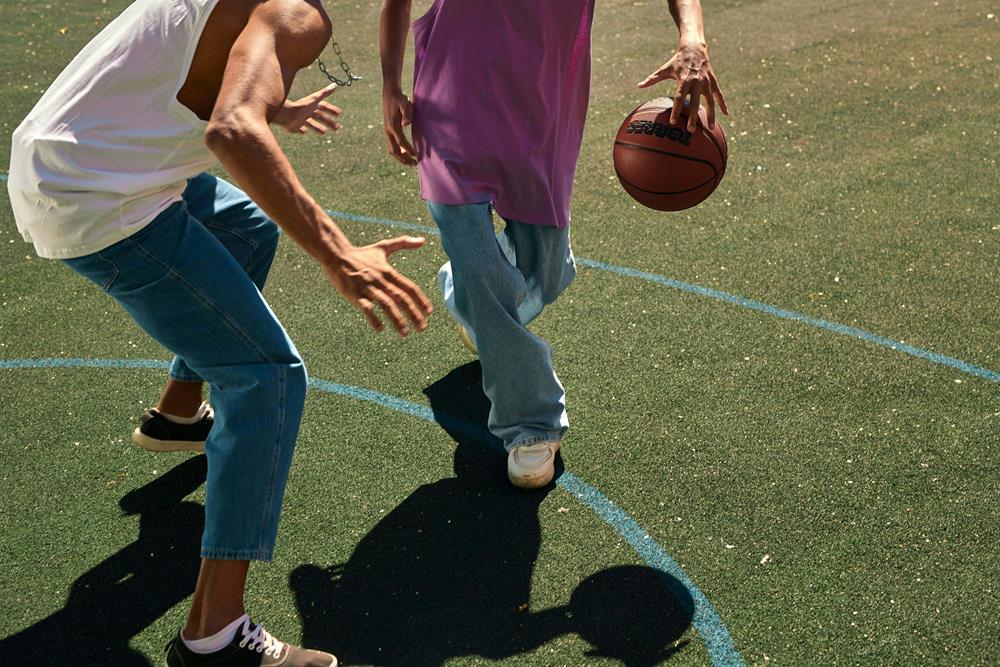
Pivoting is the ability to rotate your body while keeping one foot firmly planted. This skill helps you protect the ball, evade defenders, and set up scoring opportunities. Effective pivoting can turn a defensive trap into an offensive advantage.
Types of Pivots
- Forward Pivot: Rotate toward the basket to create an offensive advantage.
- Reverse Pivot: Rotate away from the defender to gain space.
- Inside Pivot: Turn toward the center of the court to shield the ball.
- Outside Pivot: Turn toward the sideline to escape pressure.
Drills for Practice
Incorporate cone drills into your routine. Place cones in a circle and practice pivoting around them, keeping your pivot foot firmly planted. Focus on speed and control. Another effective drill is the "Pivot and Pass" drill, where you practice pivoting while maintaining vision to deliver accurate passes to teammates.
Mistakes to Avoid
Never lift your pivot foot off the ground. Doing so results in a traveling violation and a loss of possession. Avoid spinning too fast, as this can cause you to lose balance or misjudge the defender's position.
Defensive Movement and Stance
A strong defensive stance is essential for quick reactions. Keep your feet shoulder-width apart, knees bent, and weight on the balls of your feet. Stay low and balanced to maintain agility. Keep your hands active but controlled, ready to contest shots or deflect passes.
Key Defensive Techniques
- Lateral Slides: Move side-to-side without crossing your feet. This keeps you in front of your opponent.
- Closeouts: Approach shooters with controlled, choppy steps to contest shots without fouling. Focus on maintaining balance and staying low as you close the gap.
- Recovery Movements: If an opponent beats you, sprint to recover and re-establish your defensive stance. Quick recovery can prevent an easy basket and buy time for teammates to help.
Drills to Improve
- Footfire Drills: Increase your quickness with rapid, small steps.
- Defensive Slides: Practice moving laterally while maintaining your stance.
- Closeout Drills: Work on closing the gap between you and the shooter without overcommitting.
- Mirror Drills: Pair up with a teammate and mimic their movements to improve reaction time and defensive positioning.
Game-Changing Footwork Drills
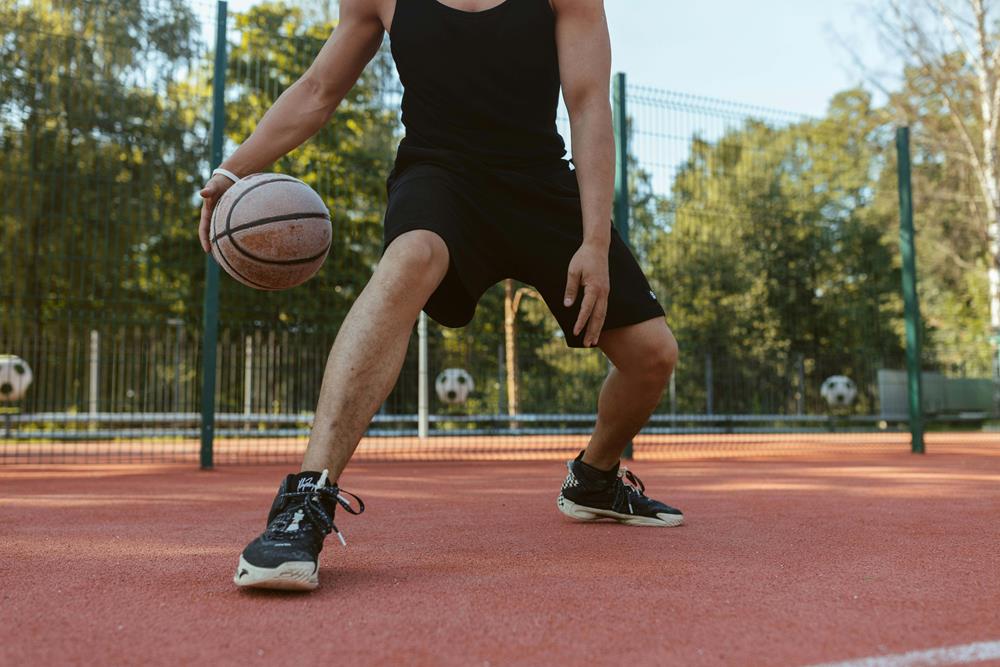
To refine your skills, dedicate time to these footwork drills:
Ladder Drills
Use an agility ladder to improve your foot speed and coordination. Start with basic patterns like straight runs, then progress to more complex sequences like lateral shuffles and in-and-out steps. This improves both offensive and defensive footwork.
Four-Step Run
Mark a square with cones and practice moving two steps forward and two steps back. This drill enhances your ability to change direction quickly while staying balanced. It's particularly effective for simulating fast breaks or defensive transitions.
Two Up, One Back
Take two steps forward and one step back to simulate the quick direction changes you'll use in games. This drill sharpens your reflexes and helps with pivots. Combine this with dribbling to enhance multitasking skills.
Inside Hopscotch
Alternate between single-foot and double-foot landings to improve your balance and coordination. This drill also strengthens your ankles and knees, reducing the risk of injuries.
Footwork for Specific Positions
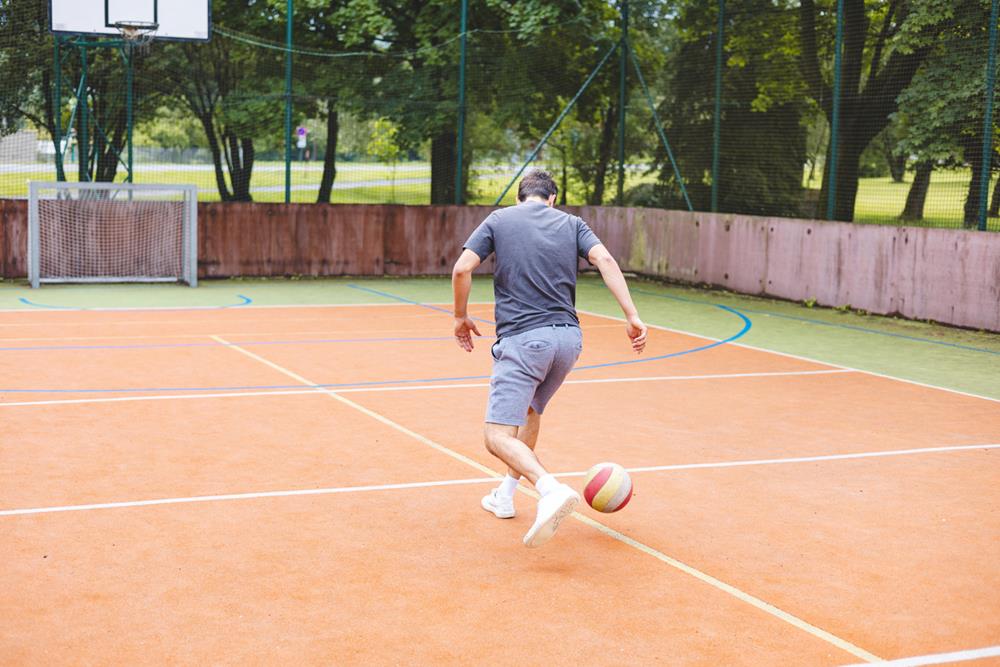
Guards
Guards rely heavily on quickness and precision. Their footwork focuses on explosive first steps, hesitation moves, and sharp changes in direction. Drills like the "Crossover Step" and "Pull-Up Stop" are essential for guards.
Forwards
Forwards often operate in the post and on the perimeter, requiring versatile footwork. Focus on pivoting, drop steps, and spin moves to dominate in close-range situations. Perimeter drills like jab steps and step-backs are also crucial.
Centers
Centers use footwork to secure rebounds, establish position in the paint, and execute post moves. Drills like the "Drop Step Drill" and "Up-and-Under Drill" help centers improve their effectiveness near the basket.
Common Mistakes to Avoid
Even experienced players can fall into bad habits. Here are some to watch out for:
- Improper First Step: Push off your back foot, not your front foot, for maximum explosiveness.
- Long Strides: Avoid taking steps that are too long, as they reduce balance and agility.
- Crossing Feet: When sliding on defense, keep your feet apart to maintain balance.
- Jumping Off the Wrong Foot: Use the correct footwork for layups and jump shots to maintain power and accuracy.
- Overthinking Movements: Hesitation can slow you down. Practice enough to make footwork instinctive.
Advanced Footwork Applications
Once you've mastered the basics, you can incorporate advanced techniques into your game.
Offensive Moves
- Jab Steps: Use quick, deceptive steps to keep defenders off-balance.
- Fadeaways: Develop smooth footwork to create space for difficult mid-range shots.
- Step-Backs: Create separation for long-range shots with sharp step-back moves.
Defensive Advantages
Superior footwork allows you to anticipate your opponent's moves, cut off driving lanes, and recover quickly if you're beaten. Advanced defenders also use foot positioning to force opponents into less favorable areas of the court.
Study the Greats
Watch footage of players like Kyrie Irving or Kawhi Leonard. Pay attention to how they use footwork to create space and stay in control. Look for their ability to adjust their movements based on defensive pressure.
Professional Training Methods
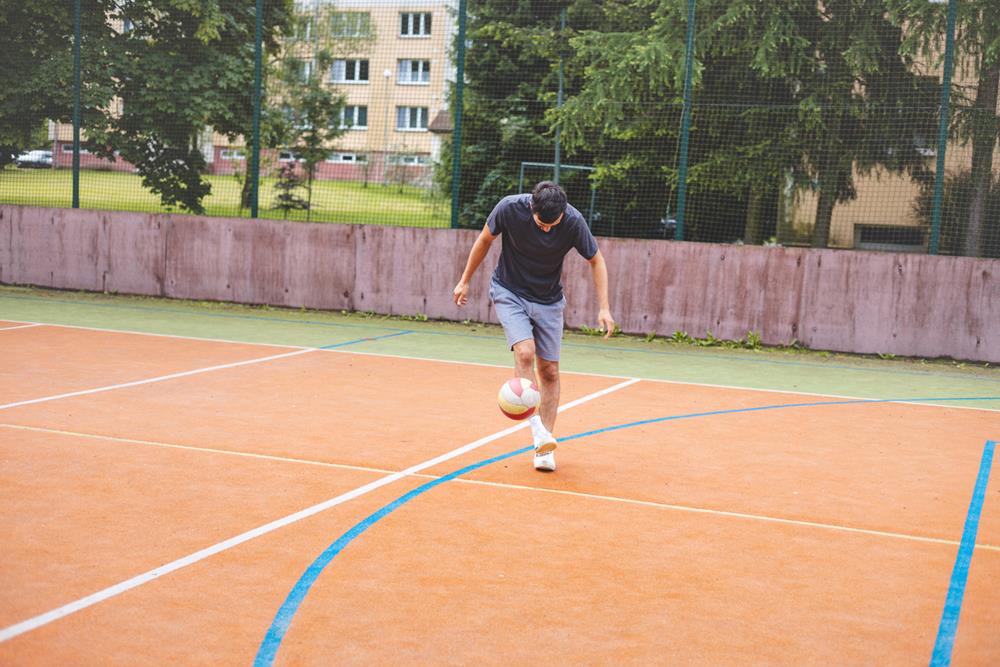
Elite players don't rely on natural talent alone; they work tirelessly on their footwork. Here's what sets them apart:
Warm-Up Routines
Professional athletes use dynamic stretches and agility drills to prepare their muscles and reinforce proper movement patterns.
Personalized Coaching
Working with experienced coaches provides valuable feedback. Coaches can identify weaknesses and introduce drills tailored to your needs.
Modern Tools
Advanced training tools like the Dr. Dish shooting machine help players practice footwork in game-like scenarios. This technology reinforces muscle memory and builds confidence.
Team Drills
Professionals often incorporate team-based footwork drills that simulate real-game situations, helping players adapt their skills to dynamic environments.
Adding a Mental Edge
Footwork isn't just physical; it's also mental. Visualization techniques can help you anticipate plays and react instinctively. Before games or practices, picture yourself executing moves flawlessly. This mental preparation sharpens your focus and improves your performance. Remember, confident footwork stems from a clear mind.
Conclusion
Footwork is the foundation of basketball excellence. Whether you're driving to the basket, defending an opponent, or pivoting to create space, every movement starts with your feet. By practicing the techniques and drills outlined here, you'll develop the balance, agility, and control needed to dominate on the court. Remember, even the greatest players began with the basics. With dedication and hard work, you can take your game to the next level.