The Most Obscure and Forgotten Basketball Rules
You might think you know basketball, but have you ever considered the quirks of forgotten rules like the "jump ball" or the specifics of free throw timing? These rules, once essential, have quietly slipped into the background. How about the penalties for flopping or the subtle impact of the three-second rule? Even tattoo regulations for players have their place in the rulebook. There's a rich history of rule changes and milestones in women's basketball that often go unnoticed. Curious about the intricacies that shape the game beyond the obvious? Let's investigate some of the most overlooked rules that still influence play today.
Free Throw Timing
Regarding free throw timing, players have a strict 10-second rule to shoot after receiving the ball. This rule, mandated by NBA Rule No. 9, Section I, ensures the pace of the game is maintained. If a player violates this timing, it results in a turnover for the shooting team. Notably, Dwight Howard's delays in 2011 brought significant attention to the enforcement of this rule.
Even star players must adhere to these regulations. Giannis Antetokounmpo has faced multiple 10-second violations, demonstrating that referees closely monitor compliance. This strict observance maintains the game's rhythm and fairness for all players involved.
Sometimes, the enforcement can lead to humorous moments. Scott Skiles, for example, famously counted out loud during free throws to emphasize the importance of the time limit. These moments highlight the rule's critical nature while adding a bit of levity to the game.
Excessive Technical Fouls
Maintaining composure on the court is essential, yet players sometimes lose their temper and accumulate technical fouls. In the NBA, receiving two technical fouls in a game results in an automatic ejection, underscoring the importance of sportsmanship. The notorious Bernard King incident in 1983 during a Nets vs. 76ers game remains a vivid reminder. King was ejected after receiving three technical fouls, leading to a game replay due to a protest.
Technical fouls can stem from various infractions, including unsportsmanlike conduct, arguing with officials, and delay of game. These infractions not only impair team performance but also morale. A technical foul awards the opposing team one free throw, making it crucial to avoid unnecessary fouls.
| Infraction Type | Consequence | Impact on Team |
|---|---|---|
| Unsportsmanlike Conduct | Ejection after two fouls | Lowers morale, loss of player |
| Arguing with Officials | Free throw for opponent | Potential game imbalance |
| Delay of Game | Free throw for opponent | Disrupts game flow |
Occasionally, referees miscount technical fouls, leading to errors. Such incidents have prompted the suspension of officials and rule clarifications to ensure fairness in the game. Balancing intensity and composure is key to avoiding technical fouls and maintaining a positive impact on the court.
Flopping Penalties
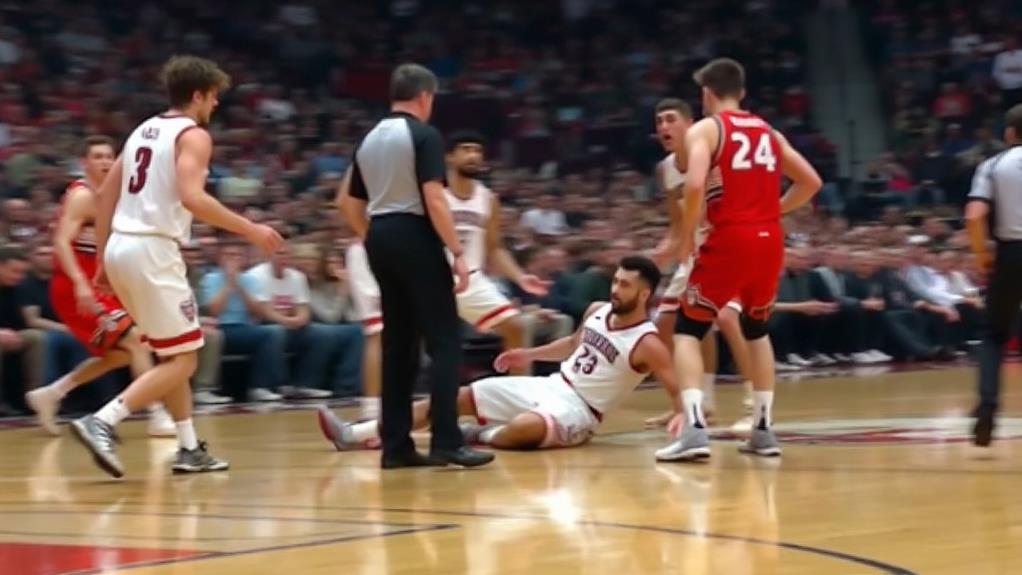
In the 2023-2024 season, the NBA introduced a rule allowing referees to issue a non-unsportsmanlike technical foul for flopping. If a player is penalized, the opposing team is awarded one free throw. This rule, motivated by fan feedback, aims to enhance the game's integrity by reducing instances of exaggerated contact.
New 2023-2024 Rule
This NBA season introduces a significant rule change targeting flopping, aimed at minimizing deceptive plays that disrupt the game's flow. Under the new regulation, players caught flopping will be charged with a non-unsportsmanlike technical foul. This results in the opposing team being awarded one free throw, adding a tangible consequence to deter such behavior.
The decision to implement this penalty was influenced by fan feedback and a desire to address the longstanding issue of flopping. Fans have long been frustrated by this conduct, and the NBA has responded. This change reflects the league's ongoing efforts to improve the game's integrity and promote fair play among its athletes.
Non-Unsportsmanlike Technical Foul
The NBA's new 2023-2024 rule addressing flopping introduces the concept of a non-unsportsmanlike technical foul for these deceptive actions. This change responds to fan feedback about the growing annoyance of exaggerated falls and movements on the court. Players who flop can now be assessed a technical foul, resulting in the opposing team being awarded one free throw.
The rule aims to enhance the authenticity of gameplay and discourage the strategic use of flopping to draw fouls or stop the game clock. By implementing non-unsportsmanlike technical foul penalties, the NBA is taking a significant step in improving the game's integrity. This rule allows referees to penalize players for actions that are purely deceptive, without falling under unsportsmanlike conduct.
The introduction of flopping penalties aligns with the NBA's broader effort to maintain a level playing field and ensure the game remains fair and enjoyable for both players and fans. As a result, viewers might notice less drama and more genuine basketball action in future games.
Free Throw Penalty
A significant change in the NBA's 2023-2024 season is the introduction of a free throw penalty for flopping, aimed at reducing deceptive play. When a player is caught flopping, referees can now issue a non-unsportsmanlike technical foul. This results in the opposing team getting one free throw, adding a tangible consequence to what was previously a subjective call.
The NBA made this change in response to fan feedback. Players, coaches, and spectators have long expressed frustration with flopping, as it undermines the integrity of the game. By imposing this new penalty, the league aims to promote a more genuine style of play and uphold sportsmanship.
Key points to consider:
- Deterrence: The free throw penalty discourages players from flopping.
- Fairness: It ensures that deceptive play does not provide an unfair advantage.
- Scrutiny: Players who repeatedly flop may face additional penalties or fines.
Player Tattoo Rules
In the NBA, player tattoo rules are more intricate than one might expect, as the league enforces specific regulations on body art to maintain a professional image. These regulations require players to cover any tattoos deemed as commercial logos. Non-compliance can result in fines. For instance, LaMelo Ball's "NLF" tattoo was classified as a commercial logo, necessitating him to cover it with tape during games to comply with league rules. Similarly, Lonzo Ball had to modify his "Triple B's" tattoo into a design of dice to avoid fines from the NBA.
These tattoo regulations underscore the league's policies on personal branding and commercial representation. The rules reflect a broader approach to player image management, ensuring that personal expression aligns with the league's professional standards. This highlights the complexities of player expression within the confines of league regulations, showcasing a unique aspect of professional basketball culture.
| Player | Tattoo Issue | Solution | Resulting Action | League Policy |
|---|---|---|---|---|
| LaMelo Ball | "NLF" commercial logo | Covered with tape | Compliance | Tattoo regulations |
| Lonzo Ball | "Triple B's" commercial logo | Modified to dice design | Compliance | Tattoo regulations |
These examples illustrate the NBA's commitment to maintaining a professional appearance while balancing players' personal expression.
Historical Rule Changes
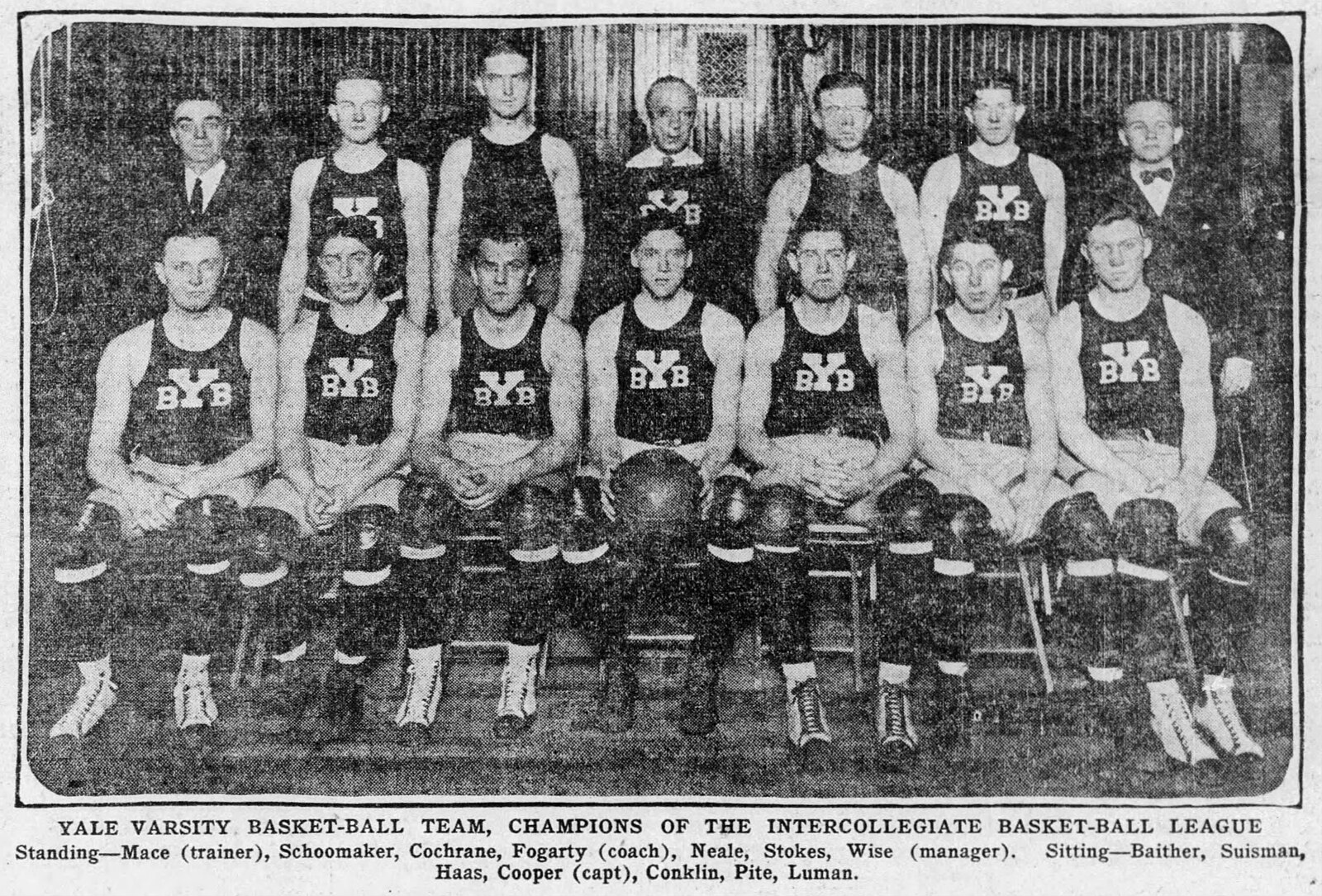
Historical rule changes in the NBA have significantly influenced the evolution and current dynamics of the game. The introduction of the shot clock in 1954 revolutionized the pace of play by limiting teams to 24 seconds per possession, thereby eliminating stalling tactics and making the game more dynamic and exciting.
In response to Wilt Chamberlain's dominance in the 1960s, the NBA implemented an offensive goaltending rule to ensure fair competition. This adjustment aimed to level the playing field and prevent any single player from overwhelming the game.
The adoption of the three-point line in 1976 fundamentally altered offensive strategies, making long-range shooting a key component of the game and changing how teams approached scoring.
In the 1994-95 season, the "illegal defense" rule was introduced to improve scoring and offensive flow by mandating man-to-man defense and preventing zone defenses that could stifle offensive plays. Additionally, the 2001-2002 season saw the implementation of the "clear path foul" rule, which penalized defenders for fouling during fast breaks to maintain a fluid and engaging style of play.
- Shot clock introduction (1954)
- Offensive goaltending rule (1960s)
- Three-point line adoption (1976)
- Illegal defense rule (1994-95)
- Clear path foul rule (2001-2002)
Additional Rules
Here’s a list of some of the most obscure and forgotten basketball rules, many of which are either rarely invoked or simply overlooked by casual players and fans:
1. Traveling During the Inbound Pass - While inbounding the ball, the player must stay within a designated area and can only move laterally within 3 feet of the original spot. Moving beyond this is considered a violation.
2. The Closely Guarded Rule - A player holding the ball must pass, dribble, or shoot within five seconds if they are closely guarded by a defender. This is rarely called, but it exists to prevent stalling.
3. Lane Violation During Free Throws (Shooter) - The player shooting the free throw cannot cross the free throw line until the ball touches the rim. This is frequently ignored in casual games but strictly enforced in professional settings.
4. Timeout While Airborne - Players cannot call a timeout if they are airborne while saving the ball from going out of bounds. This rule was changed to prevent abuses in time management.
5. Jump Ball Violation - During a jump ball, the player cannot catch the ball before it touches the ground or another player. The jump ball must result in a clean tap by both players.
6. The “Jump Stop” Rule - When performing a jump stop, players must land on both feet simultaneously. Taking multiple steps after this can result in a traveling violation.
7. Entering the Court Illegally - Players cannot enter or re-enter the court without notifying the referee or without waiting for a dead ball. Doing so results in a technical foul.
8. The Free Throw Fake - It is illegal to fake a free throw in an attempt to get the opposing players to violate the lane rules. Doing so results in a violation.
9. Throwing the Ball Over the Backboard - Players cannot throw or shoot the ball over the backboard from any direction. This results in an automatic turnover, even if the ball would have gone in the basket.
10. Foul During a Jump Ball - A player cannot commit a foul while the ball is still in the air during a jump ball. Any infraction results in a free throw or change in possession.