The Right Way to Lace Basketball Shoes for Optimal Performance

When it comes to dominating the basketball court, every detail matters—and that includes how you lace your shoes. Proper lacing is not just about keeping your shoes on; it's an essential element of performance, comfort, and injury prevention. From choosing the right laces to mastering specialized techniques for different foot types, lacing your basketball shoes correctly could be the game-changer you need to elevate your play.
In this guide, we'll explore why lacing matters, common mistakes to avoid, and tailored techniques for various foot shapes. By the end, you'll have the knowledge to achieve the perfect fit that supports your game.
Why Proper Lacing Matters
Stepping onto the court with poorly laced shoes can impact every move you make. A proper lacing technique ensures your shoes fit snugly, offering the right balance of stability and flexibility. This balance is critical for executing quick cuts, powerful jumps, and sprints without discomfort or risk of injury.
Your lacing style also affects how pressure is distributed across your feet. Uneven tension can lead to painful blisters, foot sliding, and even chronic injuries like plantar fasciitis. By threading your laces correctly, you'll enhance stability and reduce the risk of injuries, ensuring you stay at the top of your game.
Beyond comfort, proper lacing is essential for preventing ankle injuries. Secure lacing minimizes foot movement inside the shoe, reducing the likelihood of sprains during intense play. Whether you're a beginner or a seasoned player, taking the time to master your lacing technique can significantly improve your performance and protect your feet.
Common Lacing Mistakes to Avoid
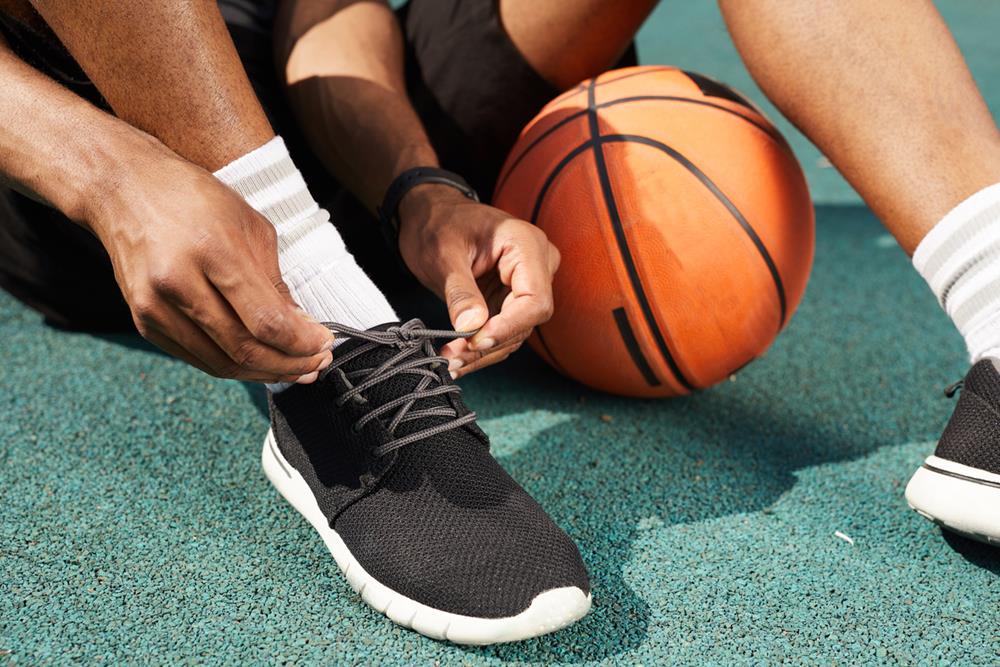
Even experienced players can overlook lacing mistakes that undermine their performance. Here are some of the most common errors and how to avoid them:
- Loose Laces: Leaving your laces too loose can cause your foot to slide inside the shoe, leading to blisters and instability. Always ensure your laces are snug but not overly tight.
- Over-Tightening: While a secure fit is crucial, overtightening your laces can restrict blood flow and create painful pressure points. This can lead to discomfort and numbness, affecting your ability to move freely.
- Ignoring Heel Locks: Failing to secure the heel area properly increases the risk of ankle sprains. The heel lock technique provides added stability, particularly during quick directional changes.
- Using Worn-Out Laces: Frayed or stretched laces compromise the shoe's support. Replace your laces regularly to maintain optimal performance and a professional look.
- One-Size-Fits-All Approach: Your foot shape and arch type should influence your lacing method. A universal technique may not provide the specific support your feet need.
Types of Basketball Shoelaces
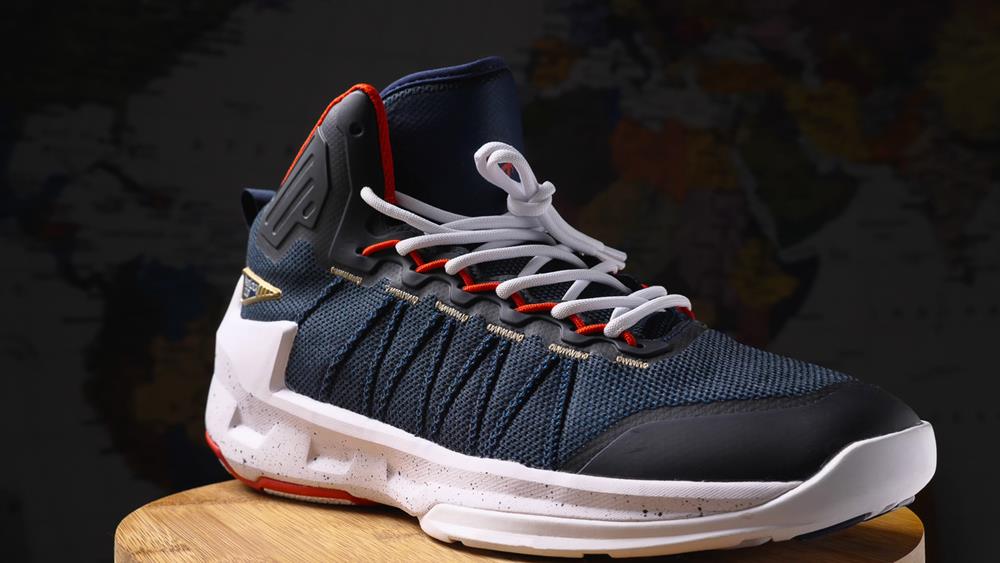
Before diving into lacing techniques, it's essential to choose the right type of laces for your basketball shoes. Different laces offer unique benefits depending on your playing style and needs:
- Flat Laces: Commonly used in basketball shoes, flat laces are easy to thread and tie. They offer a clean look and are ideal for casual players.
- Round Laces: Known for their durability, round laces provide a more secure fit and are less likely to come undone during intense gameplay. However, they can be harder to tighten evenly.
- Elastic Laces: These provide consistent tension throughout the shoe, making them ideal for players who value convenience. Elastic laces eliminate the need for frequent adjustments.
- Reflective Laces: Designed for players who train in low-light conditions, reflective laces enhance visibility and safety while offering a stylish touch.
Choose the type of laces that best align with your needs, and ensure they're in good condition to support your game.
Tailored Lacing Techniques for Different Needs
Every player's feet are unique, and your lacing technique should reflect your specific requirements. Here are some tailored methods to address common foot shapes and concerns:
For High Arches
Players with high arches often experience pressure points and instability. The loop-back lacing method can alleviate discomfort and provide the necessary support.
- Lace through the bottom eyelets normally.
- Skip one eyelet on each side near the arch to create a support bridge.
- Use a criss-cross pattern until you reach the skipped eyelets, then switch to straight-bar lacing.
- Double back through the skipped eyelets to anchor the laces securely.
- Test the fit by walking and jumping, ensuring there's no pinching.
This technique reduces pressure on the arch while maintaining stability for dynamic movements.
For Wide Feet
Wide feet require extra room in the forefoot area without sacrificing support. The over-under lacing method is ideal for accommodating width while ensuring a secure fit.
- Start by threading the laces through the bottom eyelets, leaving extra slack.
- Use an over-under pattern: cross the laces over for one eyelet, then thread them under for the next.
- Gradually tighten the laces as you move toward the midfoot and heel areas.
- Finish with a double knot at the top to prevent loosening during play.
This method creates additional space in the toe box while securing the midfoot and heel.
For Ankle Support
Strong ankle support is essential for preventing injuries during fast-paced games. The lace lock technique ensures a snug fit around the ankle.
- Lace your shoes using a criss-cross pattern until the second-to-last eyelet.
- Thread each lace vertically through the final eyelet on the same side, creating a loop.
- Cross the laces and thread them through the opposite loops.
- Pull tight to secure the ankle area, then tie a knot to lock in place.
This method provides additional stability and minimizes foot movement inside the shoe.
Creative and Functional Lacing Styles
Beyond functionality, lacing styles offer an opportunity to express your personality on the court. Here are some creative options that blend style with performance:
- Straight Lacing: A minimalist approach that provides a clean, streamlined look.
- Ladder Lacing: Creates a secure grid pattern for enhanced lateral stability.
- Spider Web Lacing: An intricate design that stands out while maintaining functionality.
- Bow Tie Lacing: Offers a relaxed fit for players prioritizing flexibility.
Experiment with these styles to find one that suits your aesthetic preferences and performance needs.
Professional Basketball Shoe Care
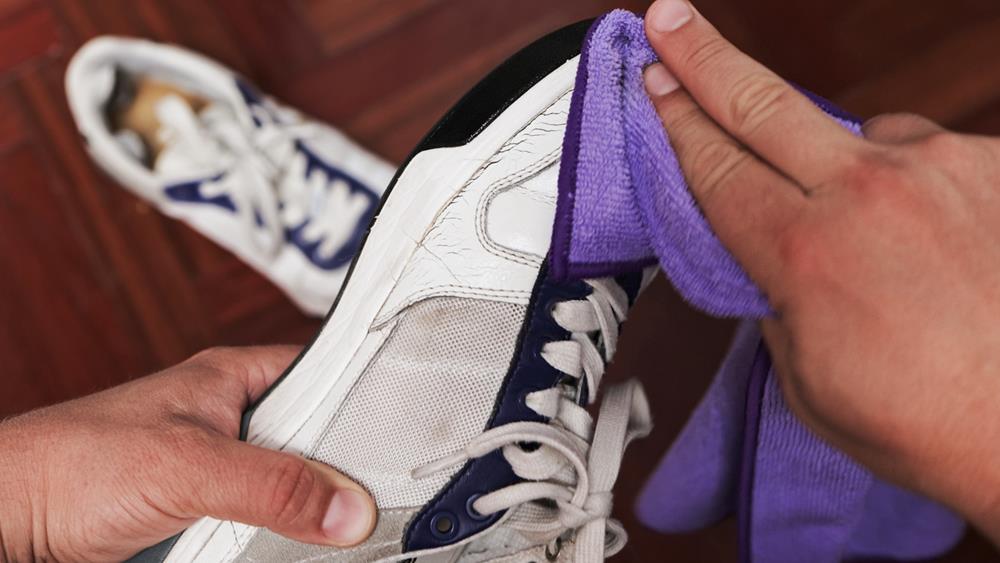
Proper care extends the lifespan of your basketball shoes and ensures consistent performance. Follow these tips to keep your footwear in top condition:
- Clean Regularly: Remove dirt and sweat buildup using a damp cloth and mild detergent.
- Condition the Material: Use manufacturer-approved products to maintain the shoe's structure and flexibility.
- Store Properly: Keep shoes in a cool, dry place and avoid direct sunlight to prevent material damage.
- Replace Components: Swap out worn laces, insoles, and outsoles as needed to maintain optimal support.
Investing in professional repairs for damaged eyelets or torn uppers can also preserve your shoes for extended use.
Quick Fixes During Games
Even with the best preparation, issues can arise during gameplay. Here's how to address common lacing problems on the fly:
- Loose Laces: Retighten immediately to prevent foot sliding and maintain stability.
- Broken Laces: Keep a spare set in your gym bag to avoid disruptions.
- Swelling Feet: Loosen specific areas while maintaining tightness in others to accommodate changes in foot volume.
By being prepared, you can minimize interruptions and stay focused on the game.
Conclusion
Proper lacing is more than a small detail; it's a cornerstone of your basketball performance. From choosing the right laces to mastering techniques tailored to your needs, every step contributes to your success on the court. Experiment with different methods, adjust as needed, and don't overlook the importance of shoe care.
Take the time to perfect your lacing strategy and unlock your full potential. Whether you're hitting the court for fun or competition, the right fit can make all the difference.