The Technology Behind Modern Basketball Shoes
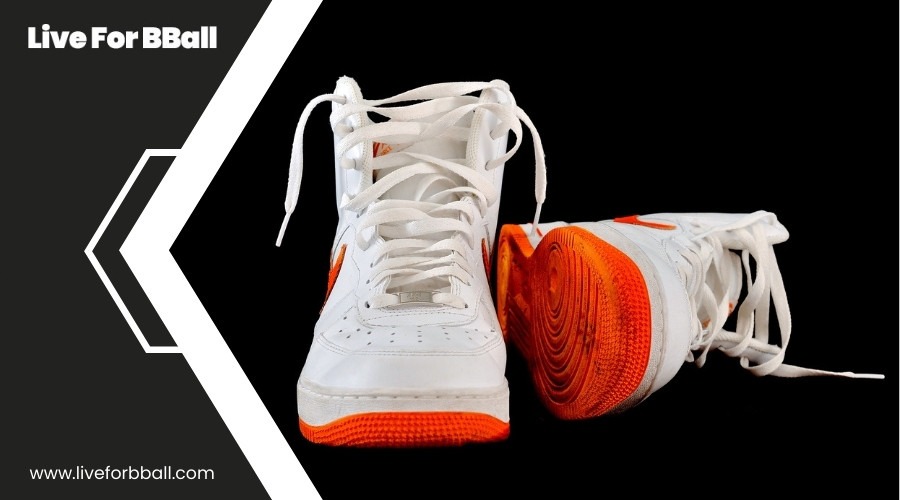
Basketball shoes have come a long way from the simple canvas sneakers of the past. These days, they're engineering marvels designed to boost performance, provide unmatched comfort, and meet the demands of the modern game. Whether you're a guard zipping around the court or a center holding down the paint, there's a shoe that fits your style. Let's explore how basketball shoes became this advanced.
A Quick History of Basketball Shoes
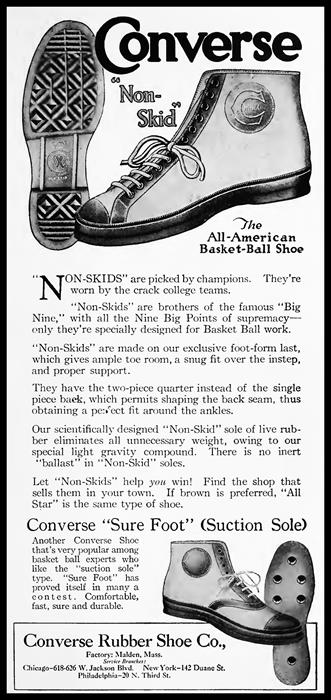
Back in the day, basketball players wore canvas sneakers like the Converse Chuck Taylor All-Star. They looked great, but they didn't offer much in terms of support or grip. Then, in the 1970s, Nike revolutionized the game with air cushioning technology. Suddenly, shoes weren't just about covering your feet—they became performance tools.
Other brands quickly caught on. Adidas introduced Boost foam, known for its incredible energy return, while Under Armour developed HOVR cushioning to combine comfort with responsiveness. Puma and New Balance are also making waves, offering innovative designs that cater to players' needs. For example, Puma's Nitro Foam technology focuses on explosive energy return, and New Balance's Fresh Foam aims for a balance of support and agility.
Now, the focus has shifted to smart materials and data-driven designs. Shoes are lighter, more responsive, and packed with features tailored to specific playing styles. What started as basic footwear has transformed into high-tech equipment that players rely on to enhance their game.
Cushioning
Cushioning is more than just comfort—it's what protects players from the relentless pounding their feet take during a game. Every brand approaches this differently, but they all aim to create something that absorbs impact and gives back energy.
Nike's Zoom Air is one of the most famous examples. It uses pressurized air and tensile fibers to deliver a bouncy, responsive feel, helping players move explosively. The placement of Zoom Air units can vary based on the shoe's design—some focus on the forefoot for quick bursts of speed, while others emphasize heel cushioning for heavy landings.
Adidas' Boost, made from compressed TPU pellets, offers a plush but springy ride that's both durable and supportive. Its unique design ensures consistent performance, even after extended use, making it a favorite for players who demand reliability.
Under Armour's HOVR system takes a hybrid approach, using a foam core encased in an energy web. This setup absorbs shock and gives it right back, making every step feel lighter and more powerful. Brands are also experimenting with adaptive cushioning systems—imagine shoes that adjust their firmness based on your movements. That's not science fiction; it's on the horizon.
Future advancements might include self-adjusting soles that sense your playing style and optimize cushioning in real time. This kind of innovation could completely redefine the role of footwear in basketball.
Materials
Modern basketball shoes are built from materials that balance lightness with durability. Forget heavy leather; now it's all about textiles like Flyknit, engineered mesh, and synthetic blends. These fabrics offer a snug, sock-like fit while keeping the shoe breathable and lightweight, which is crucial for reducing fatigue during long games.
View this post on Instagram
To make sure the shoes can handle the stress of intense games, brands add reinforcements where they're needed most. Strategic leather overlays and Flywire cables provide targeted support, ensuring your feet stay secure during quick cuts and sharp turns. For example, Flyknit's dynamic fit adapts to your foot's movement, while maintaining structure in high-stress areas. Even the outsoles have gotten an upgrade. Rubber compounds are specially designed for maximum grip, and traction patterns like herringbone or wave designs keep players steady on their feet. Some designs focus on multidirectional movement, offering flexibility for quick pivots and sudden stops. Additionally, brands like Adidas are incorporating recycled materials, such as Parley Ocean Plastic, proving that performance and sustainability can go hand in hand. Every basketball shoe goes through rigorous testing before it reaches the shelves. Brands don't just rely on machines; they bring in real players to put prototypes through their paces. Using motion capture and pressure-mapping technology, designers can see exactly how players move on the court. This data helps them figure out where to add cushioning, where to boost traction, and how to improve stability. For example, if guards exert more pressure on their forefoot during sprints, designers can add extra cushioning to that area. Real-world testing is equally important. Prototype shoes are handed to players who wear them during practices and games. These athletes provide invaluable feedback on fit, comfort, and performance. Adjustments based on their experiences ensure the final product meets the demands of the sport. It's this combination of science and real-world experience that makes modern basketball shoes so effective. Basketball shoes aren't one-size-fits-all anymore. Different positions require different features, and brands have taken note. This tailored approach ensures that every player—no matter their style or position—has a shoe designed to complement their strengths. Traction is what keeps players from slipping during quick moves, and it's one of the most important parts of any basketball shoe. The classic herringbone pattern is still popular, but brands are also experimenting with new designs like concentric circles and wave patterns to improve grip. Outsoles are made with advanced rubber compounds that work well on different surfaces, from polished hardwood courts to outdoor asphalt. Some shoes even feature translucent rubber, which not only looks sleek but also maintains consistent performance over time. High-abrasion compounds ensure durability, so the grip doesn't wear out too quickly. Basketball is tough on the body, especially on the feet and joints. That's why impact protection is such a big deal. Modern shoes use advanced foams like Nike's React and Adidas' Amplify to absorb shock and return energy. These materials compress under pressure and bounce back instantly, giving players both comfort and power. Some brands are pushing boundaries even further. Under Armour's shoes sometimes use D3O, a material that stays soft during regular movement but hardens upon impact. It's like having built-in armor for your feet, providing extra protection during hard landings and collisions. Impact tech isn't just about safety—it's about keeping players at peak performance. By reducing strain on the body, these innovations help athletes recover faster and stay in the game longer. The future of basketball shoes looks both high-tech and eco-friendly. Imagine shoes with built-in sensors that track your performance—measuring your speed, jump height, and even fatigue. This technology already exists in prototypes, and it's only a matter of time before it becomes mainstream. Imagine reviewing your stats right after a game, learning how to improve your explosiveness or endurance. Sustainability is also a growing focus. Brands are using recycled materials and exploring biodegradable options to reduce their environmental footprint. Adidas, for example, is testing shoes made entirely from renewable materials. Nike, meanwhile, has initiatives to recycle old shoes into new ones or turn them into playground surfaces. Customization could be the next big step, too. With advancements in 3D printing, players might soon be able to order shoes tailored exactly to their feet and playing style. This level of personalization could change the game—literally. Modern basketball shoes aren't just footwear; they're finely tuned tools designed to help players perform at their best. With cutting-edge cushioning, innovative materials, and tailored designs, these shoes represent the perfect blend of science and sport. And with sustainability and smart tech on the horizon, the future looks brighter than ever for basketball players and their gear.How Testing Shapes Performance
Shoes for Every Position
Traction
Protecting Players with Impact Tech
What's Next: Smart and Sustainable Shoes
Conclusion