What Are the Major Basketball Leagues in Africa?
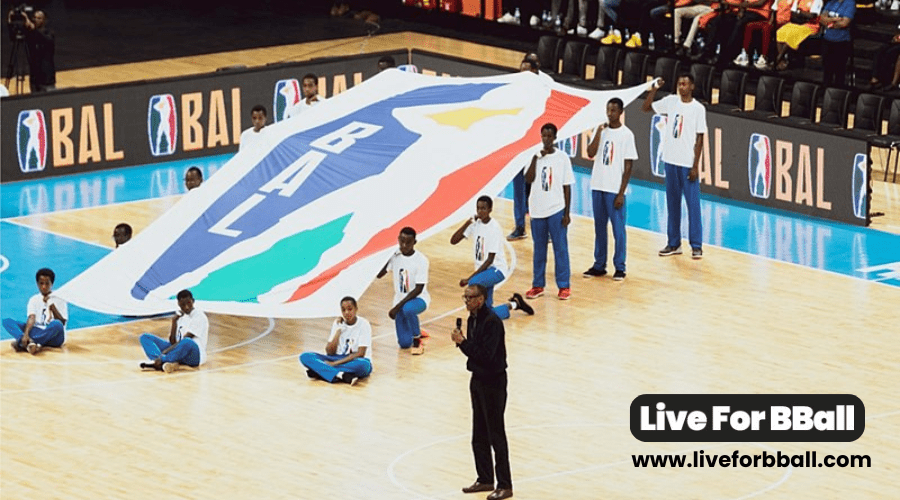
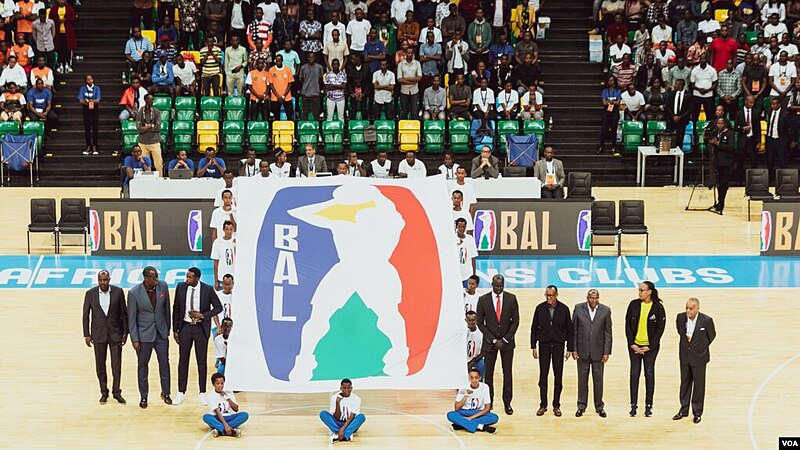
When considering basketball in Africa, the Basketball Africa League (BAL) likely comes to mind first. Established in 2020 through a collaboration between the NBA and FIBA, it features 12 teams and aims to unify the continent's basketball scene. National leagues such as the Nigerian Basketball League (NBL) and the Egyptian Basketball Super League also play crucial roles in nurturing local talent. These leagues provide competitive platforms and open doors for international opportunities, significantly impacting the careers of African athletes.
Overview of African Basketball Leagues
When considering basketball in Africa, it's essential to recognize the diverse and dynamic landscape of leagues that contribute to the sport's growth. Central to this is the Basketball Africa League (BAL), a pivotal initiative since its inception in 2020. Featuring 12 teams from various countries, BAL aims to elevate the level of basketball and provide international exposure. However, BAL isn't the only significant entity; national championships like the Nigerian Basketball League (NBL) and the Egyptian Basketball Super League also play crucial roles.
These national leagues serve not only as local competitions but also as feeders to continental tournaments, fostering intense rivalries and showcasing local talent. They emphasize youth development, focusing on training young athletes and coaches. Skills development and sportsmanship are core to these initiatives, ensuring the next generation of players is well-prepared.
Financial constraints and infrastructure challenges are common hurdles. Despite these issues, partnerships with international organizations are essential for enhancing league operations and sustainability. Therefore, African basketball represents more than just a sport; it is a growing movement driven by passion, youth development, and strategic partnerships.
Basketball Africa League (BAL)

The Basketball Africa League (BAL), established in 2020, marks a significant milestone in African sports by unifying and enhancing the continent's basketball scene. This premier league features 12 teams from various African countries and operates under the auspices of the NBA and FIBA. The BAL aims to elevate the level of basketball in Africa and provide exposure to local talent, ensuring the sport flourishes across the continent.
The inaugural BAL season showcased incredible talent and engaged fans from all corners of Africa, highlighting the growing popularity of basketball. By the fourth season in 2024, the league adopted a round-robin format featuring three conferences hosted in four different countries, including Luanda. This format has fostered a more competitive and dynamic experience for both players and fans.
Beyond competitive play, the BAL is deeply committed to youth development initiatives. These programs aim to nurture the next generation of basketball players, ensuring a bright future for the sport in Africa. Through talent development and community engagement, the BAL continues to make a significant impact on the African basketball landscape.
National Championships
View this post on Instagram
Building on the momentum generated by the Basketball Africa League (BAL), national championships play a crucial role in the African basketball ecosystem. Each African country typically has its own national league, serving as a vital platform for local talent to showcase their skills. For instance, the Nigerian Basketball League (NBL) and the Egyptian Basketball Super League are prominent examples. These national championships significantly contribute to the development of basketball in their respective countries. In Egypt, the national championship is fiercely competitive, with teams like Ahly vying for the prestigious title. Winning the league not only brings prestige but also provides opportunities for players and teams to qualify for continental competitions like the BAL. This qualification process allows the best teams to represent their country on an international stage, enhancing their visibility and experience. Local rivalries fostered through national championships elevate community support and engagement with the sport. This local enthusiasm helps grow basketball's popularity across the continent. Additionally, national championships often offer players a chance to gain international exposure, leading to professional opportunities abroad and offering a career pathway for talented athletes looking to make their mark globally. National championships are crucial for showcasing elite talent, but developmental programs across Africa form the backbone of the continent's basketball growth. Youth development initiatives are essential in nurturing young athletes and coaches, enhancing the sport's overall quality. For example, teams like Petro de Luanda invest significantly in these programs, ensuring the sport thrives from grassroots levels upward. These programs often collaborate with schools and local organizations, broadening their outreach and engagement. The focus extends beyond honing basketball skills to emphasize sportsmanship, education, and overall personal development, providing young players with a comprehensive training experience. Key aspects of developmental programs across Africa include: Success stories from these grassroots initiatives abound, with many local talents advancing to professional play. Programs like BAL Advance spotlight rising stars, providing them with the exposure needed to succeed on larger stages. By investing in youth development initiatives, African basketball continues to experience dynamic growth. African basketball leagues face significant challenges and opportunities that shape their future. Financial constraints remain a major hurdle, affecting operations and player salaries, which hampers the sport's overall development and talent retention. Additionally, inadequate infrastructure in many regions limits competitive play and training, stunting the sport's growth and professionalization. However, there are promising developments. Increased sponsorship opportunities and media rights deals can drive growth and visibility, attracting more investment to alleviate financial constraints. The success of the Basketball Africa League (BAL) exemplifies this potential, drawing international attention and support. To address these challenges and leverage opportunities, several strategic steps can be taken:Developmental Programs
Program Focus Areas Notable Outcomes Petro de Luanda Skills, Sportsmanship Players in national/international leagues BAL Advance Exposure, Opportunities Rising stars showcased School Collaborations Outreach, Engagement Expanded grassroots participation Local Initiatives Extensive Training Holistic player development Challenges and Opportunities