What Are the Most Common Basketball Injuries?
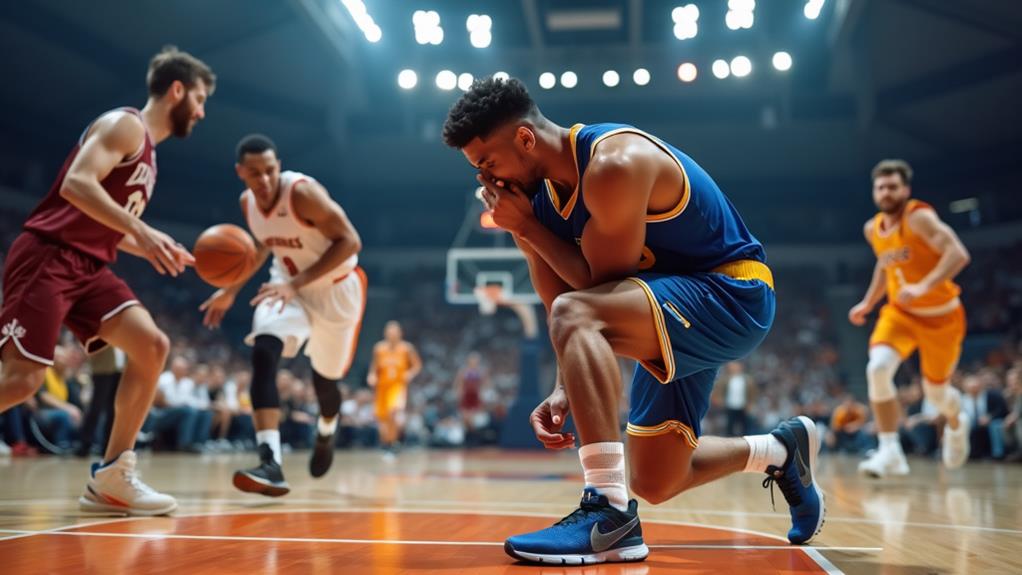
Ankle sprains are among the most common basketball injuries, often caused by awkward landings or rolling the ankle during quick movements. Knee injuries, such as ACL tears, can be severe and require lengthy recovery periods. Finger injuries from ball impact and calf strains from sudden bursts of speed are also frequent. Although less common, Achilles tendon tears necessitate extensive rehabilitation. Effective treatment and prevention strategies are crucial for minimizing these injuries and keeping players on the court. Let's explore the protocols and techniques that can help achieve this goal.
Ankle Sprains
In the realm of basketball injuries, ankle sprains are the most prevalent, accounting for nearly 50% of all ankle and foot injuries in the sport. These injuries often occur due to awkward landings, rolling the ankle, or stepping on another player's foot during intense gameplay. Symptoms typically include pain, swelling, bruising, and limited mobility. Depending on the severity, recovery can range from a few days to six weeks.
Effective management of an ankle sprain involves the RICE method: Rest, Ice, Compression, and Elevation. First, rest the ankle to prevent further injury. Apply ice in 20-minute intervals to reduce pain and swelling. Use an elastic bandage for compression to minimize swelling and provide support. Finally, elevate the ankle above heart level to decrease swelling.
If you are unable to walk, observe severe swelling, or experience significant pain on the outer foot bone, seek immediate medical attention. These symptoms may indicate a more serious injury. Prompt understanding and treatment of ankle injuries can facilitate a quicker and safer return to the court.
Knee Injuries
Knee injuries can be a significant setback for basketball players, affecting both performance and career longevity. Common knee injuries in basketball include ACL injuries, meniscus injuries, and patellar tendonitis. An ACL injury often requires surgical intervention and can keep a player sidelined for 6 to 18 months, leading to frustration and emotional distress.
| Injury Type | Impact |
|---|---|
| ACL Injuries | 6-18 months recovery |
| Meniscus Injuries | Pain, possible surgery |
| Patellar Tendonitis | Persistent knee pain |
| Knee Giving Way | Immediate, unsettling |
Statistics indicate that knee injuries account for a substantial portion of the 62.4% of lower extremity injuries in basketball, resulting in 72.3% of games missed. Symptoms such as immediate pain, swelling, and the dreaded "pop" sound when the knee gives way can be alarming.
To prevent ACL and other knee injuries, athletes should focus on strength training, proper landing techniques, and balance exercises. Prevention programs are crucial. If knee joint swelling occurs, seeking a thorough evaluation from a sports medicine physician is essential to assess the severity and determine the best treatment. Don't let knee injuries define your basketball journey.
Finger Injuries
While knee injuries often dominate discussions about basketball-related ailments, finger injuries are also prevalent and can significantly impact a player's performance. When the ball hits the tip of a finger during passing or catching, it often leads to immediate pain and swelling. These injuries, commonly known as jammed fingers, are usually non-serious but can be quite bothersome.
Immediate treatment for finger injuries involves icing the affected area to reduce swelling and pain. Additionally, buddy taping the injured finger to an adjacent one can provide necessary support, stabilizing the finger while maintaining its range of motion and preventing stiffness. It is crucial to keep gently moving the injured finger to ensure proper healing.
Minor finger injuries typically heal within a week. However, if pain or swelling persists, it is advisable to consult a healthcare professional for a thorough evaluation and appropriate treatment recommendations. Despite being less severe than other injuries, finger injuries are common in basketball, underscoring the importance of proper technique and awareness during play. Taking these precautions can help you stay in the game and perform at your best.
Calf Strains
Calf strains in basketball can be a frustrating setback, often occurring unexpectedly. These injuries typically result from sudden changes in direction or explosive jumping, leading to immediate pain in the calf muscle. Symptoms include a sudden sharp pain, swelling, and difficulty walking or bearing weight on the affected leg.
To manage a calf strain, the R.I.C.E. method (Rest, Ice, Compression, Elevation) is generally recommended as the initial treatment. However, physical therapy becomes crucial, especially for severe strains. Recovery times can vary significantly: mild strains might heal in a few days, while severe ones could require weeks of rest and specialized physical therapy exercises.
Key points to consider:
- Symptoms: Sudden sharp pain, swelling, and difficulty walking.
- Treatment: R.I.C.E. method combined with physical therapy.
- Prevention: Proper warm-up routines and calf-strengthening exercises.
For basketball players, preventing calf strains is essential. Incorporating proper warm-up routines and strengthening exercises for the calf muscles can significantly reduce the risk of such injuries. Preparation and conditioning are crucial for staying on the court.
Achilles Tendon Tears
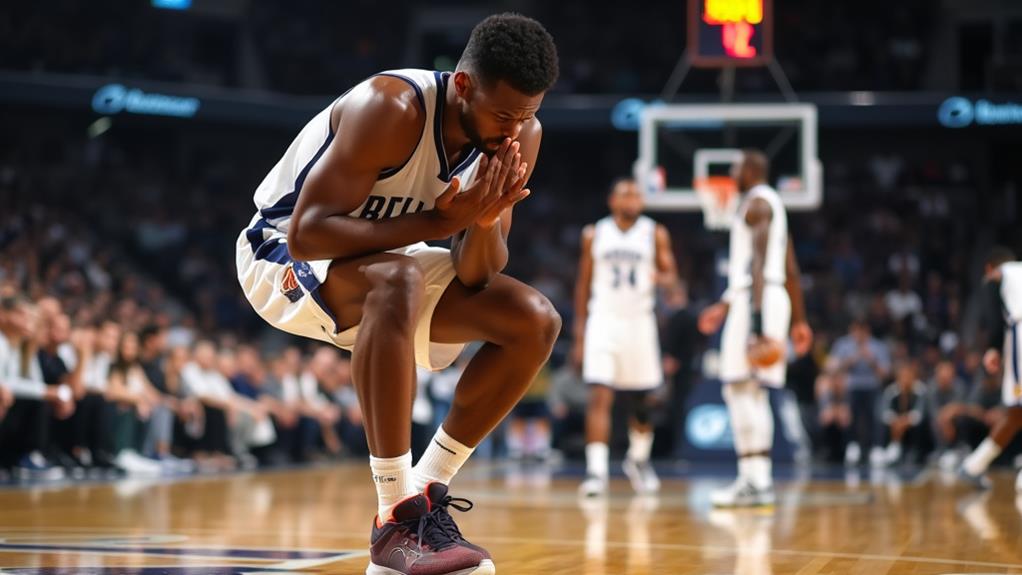
After addressing calf strains, it's essential to recognize another significant injury: Achilles tendon tears. While less common, this injury can be devastating for any basketball player. Achilles tendon tears often result from sudden, explosive movements or abrupt changes in direction during play. A sudden sharp pain in the back of your ankle, accompanied by a popping sound and difficulty walking or bearing weight, may indicate an Achilles tendon tear.
Recovery typically requires surgical intervention and a lengthy rehabilitation period. Depending on the severity, it can take 6 to 12 months before you're fully back on the court. The road to recovery is challenging but necessary to regain full function and strength.
Prevention is crucial for Achilles tendon injuries. Incorporate strength training for your calf muscles, use proper footwear, and include flexibility exercises in your routine. Be mindful of your training intensity and avoid sudden increases. By taking these preventive measures, you can reduce your risk of an Achilles tendon tear and continue playing the game you love.
Thigh Bruises
In basketball, thigh bruises often result from direct impacts such as elbows, knees, or falls, causing significant pain and swelling. Treat these injuries with the RICE method—Rest, Ice, Compression, and Elevation. You might also use compression garments with padding for added protection. While minor bruises might allow continued play, severe cases require extended recovery time and possibly medical evaluation.
Causes and Symptoms
Thigh bruises, commonly resulting from direct impacts like elbows or knees during intense basketball play, can cause significant pain and swelling. These injuries occur when blood vessels under the skin are damaged, leading to blood pooling and dark discoloration.
The symptoms of a thigh bruise are easy to recognize:
- Localized tenderness: Pain when pressing on the affected area.
- Swelling: The injured thigh may appear puffy or swollen.
- Difficulty moving: The bruise can make it hard to flex or extend the muscle.
Recognizing these signs early is essential for effective management and prevention of further complications. Compression garments with thigh padding are increasingly popular among players to mitigate risks and protect against future impacts. If you experience any of these symptoms, take necessary steps to manage the injury and avoid aggravating it further. Early intervention can significantly affect recovery time and on-court performance.
Effective Treatment Methods
Treating a thigh bruise effectively is crucial for a quick recovery and a return to the court. Thigh bruises often result from impacts, such as elbows or knees, causing significant pain and swelling. The R.I.C.E. method—Rest, Ice, Compression, Elevation—is a proven strategy to alleviate these symptoms. Begin by resting to prevent further aggravation of the injury and applying ice to reduce swelling. Compression with a bandage or compression garment can help manage swelling and provide support. Elevate your leg whenever possible to further minimize swelling.
If pain persists, a deep tissue massage may help alleviate muscle tightness and speed up recovery. For additional protection during games, consider wearing compression garments with thigh padding. This gear can minimize the risk of further injury and provide extra support. While you might be able to continue playing with minor thigh bruises, it's important to monitor the pain and swelling closely. If symptoms worsen, seek medical advice to prevent complications.
Facial Cuts
Facial cuts are a common occurrence in basketball, often resulting from direct blows from elbows or collisions with other players. It's easy to get caught up in the game and overlook the risks of facial injuries. These cuts can range from minor scratches to severe lacerations requiring immediate attention.
Athletic trainers are crucial in managing these injuries. They ensure that any facial cut is promptly cleaned and treated to prevent infections. Proper healthcare practices are essential for effective injury management. Here's what you need to remember:
- Hygiene: Maintain good hygiene to avoid infections. Use antiseptics and bandages for minor cuts.
- Control Bleeding: Apply direct pressure to the wound to control bleeding until professional help arrives.
- Awareness: Be mindful of the risks and follow safety measures to reduce the chances of injuries.
If a facial cut isn't properly managed, complications and extended recovery times can result. Healing times for facial cuts can vary, but contusions generally take about 4 to 6 weeks to fully recover. Stay vigilant and prioritize your health on and off the court.
Treatment Protocols
Effective treatment protocols are essential for managing basketball injuries and ensuring a swift recovery. For ankle sprains, the R.I.C.E. method—Rest, Ice, Compression, Elevation—is the standard approach. This method helps reduce swelling and promotes healing, with recovery time varying from a few days to six weeks depending on the injury's severity.
ACL and knee injuries often necessitate surgical intervention. Post-surgery, extensive rehabilitation is critical, with recovery periods ranging from 6 to 18 months. Consistent physical therapy and adherence to the prescribed treatment plan are crucial for regaining full functionality.
Muscle strains, such as those in the hamstring or calf, are treated based on their severity. A Grade I strain typically heals in 2-3 weeks, while a Grade III strain could take up to 12 weeks. Immediate rest and gradual rehabilitation are essential for recovery.
Concussions require immediate removal from play and close medical supervision. Athletes generally need to be symptom-free for 5-7 days before gradually resuming activities under medical guidance.
Jammed fingers are usually treated with icing and buddy taping. Most cases heal within a week, requiring minimal intervention.
Recovery Strategies
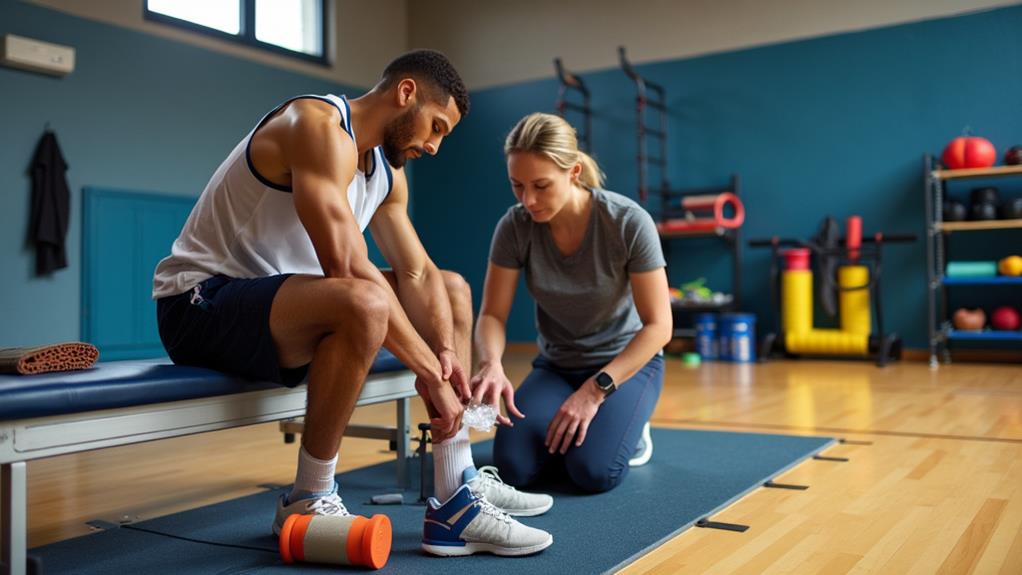
To effectively manage basketball injuries, begin with the R.I.C.E. method—Rest, Ice, Compression, and Elevation—for common issues like sprains and strains. For more severe injuries, follow a structured rehabilitation program under professional medical guidance. Regular follow-ups with trainers and therapists ensure your recovery includes the appropriate exercises to restore strength and flexibility.
Effective Injury Management
Effective injury management is crucial for ensuring a swift and complete recovery for basketball players. Implementing effective strategies can significantly impact recovery outcomes. One of the most reliable approaches is the R.I.C.E. method—Rest, Ice, Compression, and Elevation. This method is particularly effective for treating common basketball injuries like ankle sprains and muscle strains, typically aiding recovery within 2 to 6 weeks, depending on the injury's severity.
Immediate medical attention is essential for more severe injuries, such as ACL tears, which often require surgical intervention and a much longer recovery period, ranging from 6 to 18 months. Athletic trainers are vital in this process, providing necessary follow-up care to ensure a safe return to play. They help develop a personalized plan that includes a gradual resumption of activities to prevent re-injury.
During the recovery period, consistent monitoring and the integration of strength training, flexibility exercises, and proper warm-up routines are imperative.
- R.I.C.E. method: Essential for initial injury treatment.
- Athletic trainers: Crucial for follow-up care and ensuring a safe return to play.
- Monitoring and gradual resumption: Key to preventing re-injury and ensuring long-term health.
Rehabilitation Exercises Importance
After initial injury management, the next crucial step in a player's path to full recovery is engaging in rehabilitation exercises. These exercises are vital for restoring strength and mobility following injuries such as ankle sprains or ACL tears. A well-constructed rehabilitation program, typically designed by a physical therapist, focuses on the specific injured area to enhance recovery outcomes and reduce the risk of re-injury.
Progressive rehabilitation is essential, gradually increasing the intensity and complexity of exercises to rebuild muscle strength and improve joint stability. Consistent effort in these exercises, under the supervision of an athletic trainer, can significantly shorten recovery time, allowing a quicker and safer return to the court.
Incorporating balance and proprioceptive training into your regimen is equally important. These exercises are crucial for reducing the likelihood of ankle injuries by enhancing neuromuscular control. By adhering to a disciplined rehabilitation routine, you invest in a safer, more effective return to basketball activities, ensuring optimal performance without compromising long-term health.
Professional Medical Guidance
Professional medical guidance is essential for recovering from basketball injuries. Immediate attention from a sports medicine professional can prevent long-term complications and ensure you follow effective healing strategies. It is critical to seek help promptly and not delay getting the care you need.
A physical therapist can be invaluable during your rehabilitation. They will design customized plans tailored to your specific injury, focusing on exercises that strengthen the affected areas and prevent future injuries. Key aspects of professional medical guidance include:
- Customized Rehabilitation Plans: Exercises specifically designed to address your injury.
- Gradual Resumption of Activities: Ensures you return to play only after a thorough medical evaluation.
- Consistent Monitoring: Regular check-ups to track progress and adjust treatment protocols as needed.
Working with athletic trainers and physical therapists is significant in regaining your strength, flexibility, and mobility. They provide follow-up care crucial for a successful recovery. Always remember, do not rush back into playing until you are fully cleared by your medical team. This gradual approach is vital to avoid re-injury and ensure you are truly ready to return to the court.
Injury Prevention
A comprehensive approach to injury prevention in basketball is vital, incorporating dynamic stretching, strength training, and balance drills. Begin with a thorough warm-up routine featuring dynamic stretches and mobility exercises to ready your muscles and joints for the game's physical demands, significantly reducing the risk of injuries like ankle sprains and knee issues.
Strength training is crucial for preventing injuries, targeting essential muscle groups such as the quads, hamstrings, and core. This enhances stability and performance, thereby minimizing the occurrence of knee injuries and ankle sprains. Additionally, integrating balance and agility drills into your training regimen improves proprioception, which is key for avoiding falls and awkward landings that can result in sprains and strains.
Regular evaluations by sports medicine professionals are indispensable. These assessments help track your health and readiness, enabling early detection of potential injury risks and the development of personalized prevention strategies. Finally, educating players on safe landing mechanics and proper body positioning during play can significantly reduce the likelihood of acute injuries, especially to the knees and ankles.
| Prevention Strategy | Focus Area | Benefit |
|---|---|---|
| Dynamic Stretching | Muscles & Joints | Reduces risk of strains and sprains |
| Strength Training | Quads, Hamstrings, Core | Enhances stability & performance |
| Balance & Agility Drills | Proprioception | Prevents falls and awkward landings |
| Regular Assessments | Overall Health | Early identification of risks |
| Safe Landing Education | Body Mechanics | Reduces likelihood of acute injuries |