What Are the Most Iconic Sneakers of All Time?

When you think about iconic sneakers, certain names instantly come to mind—Nike's Air Force 1 and Air Jordan 1 have not only dominated the market but also shaped sneaker culture since the '80s. Adidas's Stan Smith and Samba offer timeless designs and unmatched versatility. Converse's Chuck Taylor All Star remains a cultural staple, while Reebok's Classic Leather and Pump highlight innovation in both fit and style. Curious about how these sneakers transcended their athletic beginnings to become fashion statements and cultural symbols? Let's investigate their paths.
Nike's Game-Changing Designs
Nike's innovations in sneaker design have set the industry standard. The Nike Air Force 1, introduced in 1982, was a revolutionary basketball shoe featuring Nike's Air technology. With over 1,700 colorways and special editions, it has become a cultural icon and a staple in the sneaker community.
The Air Jordan 1, launched in 1985, defied NBA color regulations, creating a legendary partnership between Michael Jordan and Nike. This collaboration transformed sneaker culture, spawning countless colorways and collaborations.
When the Nike Air Max 1 debuted in 1987, it introduced visible Air technology, revitalizing interest in running shoes and setting a new standard for sneaker design and aesthetics.
Originally a basketball shoe, the Nike Dunk transitioned into skateboarding in the 1990s. Its adaptability was proven once again with a significant fashion resurgence in 2020, cementing its place in sneaker culture.
Adidas's Timeless Classics
As you explore Adidas's timeless classics, you'll appreciate the Samba's journey from a 1949 soccer cleat to a modern fashion staple. The Stan Smith's minimalist design and rich history of collaborations have made it an international icon since its 1963 debut. Meanwhile, the Ultra Boost's revolutionary Boost technology, introduced in 2015, transformed both running and lifestyle footwear with unmatched energy return.
Samba's Soccer Origins
Born in 1949, the Adidas Samba was initially designed as a specialized soccer cleat, featuring a groundbreaking gum sole that provided exceptional traction on icy fields. This innovation made the Samba indispensable for athletes. However, its appeal extended beyond the field due to its classic silhouette, leather upper, and distinctive three-stripe branding, allowing it to transition seamlessly into everyday wear.
Over the decades, the Adidas Samba's popularity grew beyond soccer. By the 1990s and early 2000s, it had become a staple in streetwear culture. No longer just functional sports equipment, the Samba evolved into a versatile sneaker embraced by fashion enthusiasts and casual wearers alike. Its timeless design and comfort contributed to its broad appeal, making it a mainstay in both sports and lifestyle footwear.
In 2022, the Samba experienced a significant resurgence, fueled by nostalgia and its integration into contemporary streetwear. This enduring popularity underscores the shoe's exceptional design and versatility. Having sold millions of pairs worldwide, the Adidas Samba has solidified its status as an iconic sneaker, effortlessly bridging the gap between athletic performance and everyday fashion.
Stan Smith Legacy
Originally launched in 1963 as a tennis shoe, Adidas's Stan Smith quickly became an icon with its minimalist white leather upper and distinctive perforated toe box for breathability. Over the decades, it has transcended its athletic roots to become a global fashion staple, with over 30 million pairs sold annually, ranking it among the best-selling sneakers of all time.
Its clean and versatile design makes it a wardrobe essential, easily paired with various outfits, whether casual or formal. This timeless appeal resonates across genders and demographics, ensuring its relevance through shifting fashion trends.
Adidas has kept the Stan Smith fresh by engaging in numerous collaborations with high-profile designers and celebrities, producing limited editions that maintain its popularity.
In 2015, Adidas took a significant step towards sustainability by using eco-friendly materials in the production of the Stan Smith. This move meets the growing consumer demand for environmentally conscious fashion, further solidifying the sneaker's status as a forward-thinking, timeless classic.
Ultra Boost Revolution
Following the legacy of the Stan Smith, another groundbreaking innovation emerged in 2015: the Adidas Ultra Boost. Renowned for its exceptional comfort and energy-returning Boost technology, the Ultra Boost revolutionized running footwear. Its sleek design and diverse range of colorways quickly transitioned it from a performance shoe to a fashion icon, revered in sneaker culture.
The Ultra Boost's lightweight Primeknit upper offers adaptive support and breathability, making it perfect for both athletic endeavors and casual wear. This versatility significantly contributes to its widespread popularity across various demographics. Collaborations with celebrities like Kanye West and top fashion designers have further enhanced its appeal, solidifying its status in the lifestyle sneaker market.
Here's a quick overview of what makes the Ultra Boost stand out:
| Feature | Benefit | Impact |
|---|---|---|
| Boost Technology | Energy-returning comfort | Transformed running shoes |
| Primeknit Upper | Adaptive support, breathable | Ideal for all-day wear |
| Sleek Design | Fashion-forward | Became a fashion staple |
| Celebrity Collaborations | Increased desirability | Enhanced sneaker culture |
| Wide Range of Colorways | Customizable style | Appealed to diverse tastes |
Since its release, the Ultra Boost has consistently been a bestseller, contributing to Adidas's resurgence in the lifestyle sneaker market.
Reebok's Iconic Footwear
Reebok's iconic footwear has made a lasting impact on both the athletic and fashion industries, effortlessly merging performance with style. Each model embodies Reebok's innovative spirit, especially prominent during the 1980s sneaker boom.
- Reebok Classic Leather: Debuting in 1983, this sneaker quickly rose to iconic status due to its minimalist design and comfort, appealing to both athletes and fashion aficionados.
- Reebok Pump: Launched in 1989, it revolutionized the industry with its inflatable technology, enabling wearers to customize the fit, and became a standout in the late 1980s sneaker scene.
- Reebok Club C: Introduced in the late 1980s as a tennis shoe, it evolved into a casual fashion staple renowned for its clean look and versatility.
- Reebok Alien Stomper: Created for the 1986 movie "Aliens," this sneaker gained cult status and had a limited re-release in 2016, underscoring Reebok's ties to pop culture.
- High-top styles: During the 1980s fitness craze, Reebok's high-top styles became popular for aerobic workouts, solidifying the brand's presence in the fitness world.
These models not only defined an era but continue to shape contemporary sneaker culture, cementing Reebok's legacy in iconic footwear.
Converse's Cultural Staples
Next, let's delve into Converse's cultural staples, beginning with the Chuck Taylor All Star. Introduced in 1917 as a basketball shoe, it swiftly transformed into a timeless streetwear icon, celebrated by various music movements and youth subcultures. With over 100 million pairs sold annually, the Chuck Taylor All Star remains a beloved favorite across generations.
Chuck Taylor All Star
You can't discuss iconic sneakers without highlighting the Converse Chuck Taylor All Star. Debuting in 1917 as a basketball shoe, it swiftly became a cultural mainstay. Its classic design, featuring a high-top silhouette and the iconic star logo, possesses a timeless charm that only improves with use. The Converse Chuck Taylor All Star is not merely footwear; it's an emblem of versatility and style.
The Chuck Taylor All Star has been embraced by diverse subcultures, making it a true fashion chameleon. From punk rockers to skaters, many find a connection with this sneaker. It's not just the design that keeps it relevant; Converse continually introduces new colorways and collaborations, ensuring the Chuck Taylor remains a crucial part of contemporary sneaker culture.
- Over 100 million pairs sold annually
- High-top silhouette and iconic star logo
- Embraced by punk, rock, and skate subcultures
- Timeless charm that improves with use
- New colorways and collaborations maintain freshness
The Converse Chuck Taylor All Star's ability to transcend generations and trends secures its status as one of the most iconic sneakers of all time.
Iconic Basketball Origins
The Converse Chuck Taylor All Star's journey from the basketball court to a fashion icon highlights its lasting appeal. Introduced in 1917, it was one of the first modern basketball sneakers. Its distinctive design quickly became a court staple, but over time, it experienced a cultural evolution. This sneaker transcended sports to become a symbol of youth culture and rebellion, embraced by multiple generations.
A key factor in this transformation was the sneaker's versatility. The timeless design of the Chuck Taylor All Star pairs well with various styles, making it a favorite for casual outfits across diverse demographic groups. Its rise in popularity was further propelled by endorsements from musicians and cultural icons, solidifying its place in both sports and fashion.
The sneaker's legacy is irrefutable. Over 100 million pairs are sold annually, a testament to its continued influence. The Chuck Taylor All Star inspires numerous imitations and collaborations, maintaining a strong presence in street style and popular culture. Its evolution from a basketball essential to a global fashion icon underscores its enduring impact.
Timeless Streetwear Appeal
Converse Chuck Taylor All Stars have reached an iconic status in streetwear fashion, embodying a timeless appeal that few other sneakers can match. Launched in 1917, their versatile design has made them a cultural staple. Initially created as basketball shoes, they quickly gained popularity among musicians, artists, and fashion enthusiasts, and now sell over 100 million pairs annually.
What makes them stand out?
- Adaptability: Easily paired with any outfit, from jeans to dresses.
- Cultural Impact: Embraced by various subcultures, notably the punk and skate scenes in the 70s and 80s.
- Timeless Design: Simple yet iconic, appealing to multiple generations.
- Collaborations: Partnerships with high-profile designers keep them fresh and relevant.
- Symbolism: Represent youth culture and rebellion, mirroring broader societal trends.
In 1976, Converse introduced the Pro Leather, famously worn by basketball legend Julius Erving, further cementing their influence in both professional sports and sneaker culture. The brand's ability to evolve while staying true to its roots ensures Converse's lasting appeal in streetwear. Whether you prefer classic styles or modern collaborations, Converse remains a fashion staple.
New Balance's Performance Hits
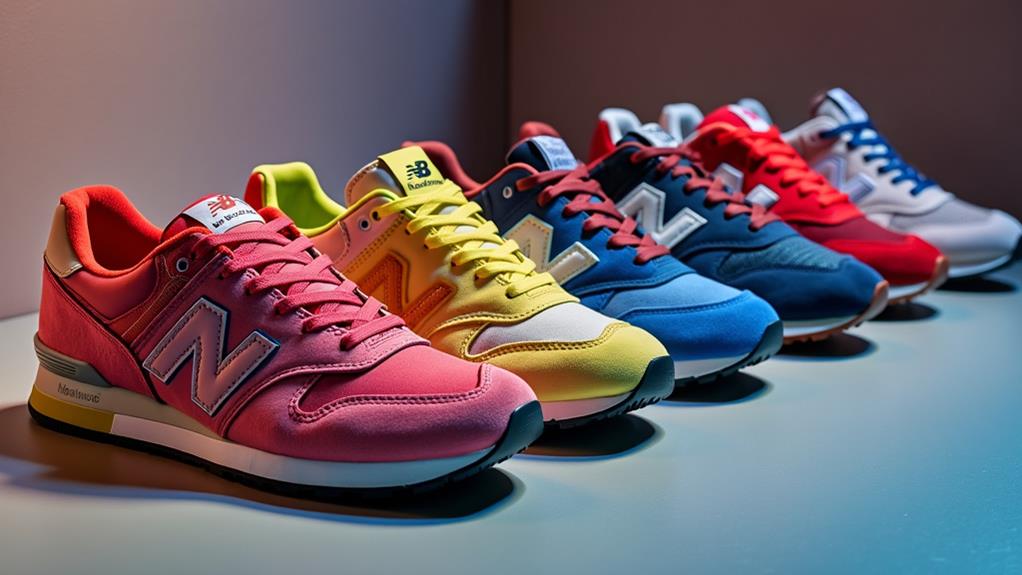
New Balance's legacy in performance footwear is evident through its innovative designs and unwavering commitment to quality. The 990 Series, first introduced in 1982, exemplifies New Balance's dedication to performance-driven footwear. Each iteration, from the original model to the advanced 990V5, offers unparalleled comfort and state-of-the-art shock-absorbing technology. This series has set a gold standard for sneaker enthusiasts who prioritize both comfort and superior craftsmanship.
| Model | Key Feature | Appeal |
|---|---|---|
| 990 | Advanced shock-absorbing tech | Superior comfort |
| 574 | Hybrid road/trail design | Stability and modern style |
| 996 | Quality craftsmanship | Retro aesthetic |
| 997 | Versatility | Collector's favorite |
Beyond the 990 Series, the New Balance 574 stands out as another performance highlight. Initially designed as a hybrid road/trail sneaker, it features a wider build for enhanced stability, seamlessly blending functionality with modern style. Heritage models like the 996 and 997 combine high-quality craftsmanship with a retro aesthetic, making them iconic favorites among sneaker aficionados.
New Balance's commitment to American manufacturing, especially with the 990 Series, underscores its dedication to quality and authenticity. For those seeking performance sneakers that harmonize style and functionality, New Balance consistently delivers.
Asics's Innovative Sneakers
Asics's innovative sneakers have secured a prominent place in the athletic footwear market, seamlessly blending advanced technology with stylish designs. Known for their commitment to performance and comfort, Asics excels in the realm of running shoes. The Asics GEL-Kayano is particularly notable for its exceptional stability and cushioning, a favorite among long-distance runners since its debut in 1993. This model's technology ensures outstanding support and durability for extensive mileage.
Another iconic model, the Asics Nimbus, introduced in 1999, is celebrated for its plush cushioning, providing a soft, comfortable ride for runners seeking enduring performance.
Key features of Asics's pioneering sneakers include:
- Asics GEL-Kayano: Offers exceptional stability, cushioning, and advanced technology.
- Asics Nimbus: Known for its plush cushioning and long-lasting comfort.
- Asics GEL-SONOMA: Designed for trail runners and hikers with a rugged build.
- Asics GEL-NYC: A hybrid sneaker that combines traditional and modern elements.
- Asics GT-2000: Lightweight design for overpronators, ensuring a balance of durability and comfort.
These models underscore Asics's dedication to producing running shoes that deliver high performance while ensuring comfort and support.
The Evolution of Sneaker Culture

The Evolution of Sneaker Culture
Sneaker culture has undergone significant transformation, evolving from its origins with rubber-soled shoes in the late 18th century to becoming a global phenomenon. By the 1980s, brands like Nike and Adidas harnessed the power of celebrity endorsements and street culture, elevating models such as the Air Jordan 1 and Adidas Superstar to iconic status. This era marked a pivotal moment, merging performance with style.
The development of Nike Air cushioning and Adidas's Elevate technology revolutionized sneaker design, emphasizing both comfort and functionality. As sneaker culture expanded, so did the sneaker resale market, with limited editions and collaborations commanding high prices. Collectors and enthusiasts now regard sneakers not merely as footwear but as valuable assets.
| Period | Key Development |
|---|---|
| Late 18th c. | Introduction of rubber-soled shoes |
| 1980s | Rise of celebrity endorsements |
| Late 20th c. | Advances in cushioning technology |
| 2000s | Growth of the sneaker resale market |
In recent years, sustainability and inclusivity have emerged as central themes in sneaker culture. Brands are adopting eco-friendly materials and diverse marketing strategies to appeal to a more inclusive audience. The evolution of sneaker culture mirrors broader societal changes, continually adapting to new trends and technologies while honoring its rich heritage.
Technological Advances in Sneakers
Technological advances in sneakers have significantly reshaped the footwear landscape, offering unparalleled comfort and performance. Whether you're a runner, a casual wearer, or a die-hard sneaker enthusiast, these innovations have set new standards in athletic footwear.
- Nike Air technology: Introduced with the Air Force 1 in 1982, this innovation improved cushioning, revolutionizing athletic footwear comfort.
- Visible Air: Debuting in the Nike Air Max 1 in 1987, this design showcased the air cushioning unit, setting a trend that continues to captivate sneaker enthusiasts.
- Adidas Boost technology: Launched in 2013, this material offers superior energy return, making it highly favored among athletes and sneaker enthusiasts.
- Nike Flyknit: Introduced in 2012, this lightweight, woven material creates a sock-like fit, reducing manufacturing waste and enhancing performance.
- GEL cushioning system: Developed by Asics in the 1980s, this system provides advanced shock absorption, becoming a staple in performance footwear, especially for runners.
These technologies have not only improved the functionality of sneakers but have also influenced their design and cultural significance. As a result, modern performance footwear is more advanced, comfortable, and stylish than ever before.
Related posts