When Did Basketball Become Part of the Olympics?

Basketball officially became part of the Olympics as a medal event in 1936 during the Berlin Games. Prior to this, it was only featured as a demonstration sport at the 1904 St. Louis Olympics. The USA men's team won the first gold medal, establishing their long-standing dominance in the sport. The transition from a demonstration event to a full-fledged Olympic sport was pivotal in boosting basketball's global appeal.
Early Olympic Basketball History
Basketball's journey into the Olympic Games began as a demonstration sport at the 1904 Olympics in St. Louis. Although it wasn't a medal event, this initial showcase highlighted the sport's potential and growing popularity within the Olympic framework.
The sport's formal inclusion came during the 1936 Berlin Olympics, where basketball officially became a medal event. In these Games, the USA men's team won the inaugural gold medal, establishing their dominance and securing a significant milestone in Olympic history. This victory spurred global interest in the sport.
Women's basketball joined the Olympic program later, debuting at the 1976 Montreal Games. This inclusion marked an essential step in expanding the sport's reach and recognition within the Olympic community.
Since 1936, basketball has been a consistent feature of the Summer Olympics, reflecting its sustained growth and popularity. Each addition has enriched the Olympic experience, making basketball an integral part of the Games' history.
Basketball as a Medal Event

Basketball's establishment as an Olympic medal event marked a pivotal moment in the sport's history. The inaugural Olympic basketball tournament occurred in 1936 in Berlin, Germany, featuring 21 teams competing for the gold medal. This event laid the groundwork for basketball to become a central feature of the Olympic Games.
The United States men's basketball team quickly asserted its dominance, securing the gold medal 16 times since the sport's inclusion in the Olympics. Their consistent success has been a hallmark in the history of Olympic basketball.
- 1936 Berlin Games: First Olympic basketball tournament with 21 teams.
- United States men's success: 16 gold medals since 1936.
- 1976 Montreal Games: Introduction of women's basketball as a medal event.
- Tokyo 2020: Introduction of 3x3 basketball as a medal event.
- Global impact: The inclusion of basketball in the Olympics has significantly boosted the sport's worldwide popularity.
In addition to the traditional 5-on-5 format, the Tokyo 2020 Olympics introduced 3x3 basketball, expanding the competition and attracting a broader audience. As each Olympic Games unfolds, basketball's prominence continues to grow, underscoring its vital role in the global sports landscape.
Women's Basketball in the Olympics
View this post on Instagram
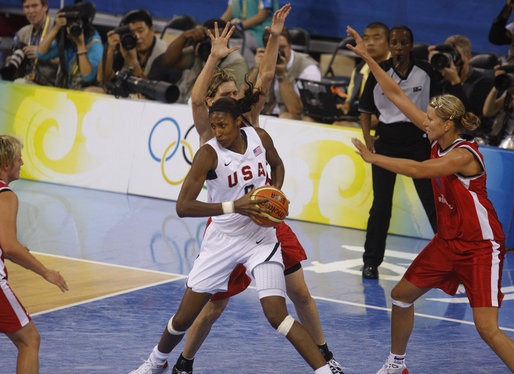
Women's basketball made its Olympic debut as a medal event at the 1976 Montreal Games, featuring six teams vying for the gold medal. The Soviet Union secured the first-ever women's Olympic basketball gold medal in this historic tournament. Since then, the USA women's basketball team has established a legacy of dominance in the Olympics. Out of the 12 tournaments held, the USA women's team has captured gold medals in 9 of them, including their latest victory at the 2021 Tokyo Olympics, where they defeated Japan in the gold medal match. This consistent excellence underscores their dominance on the global stage. Here is a summary of the USA women's basketball team's performance at the Olympics: With each tournament, the USA women's team solidifies its reputation, maintaining a strong presence and setting high standards for future competitions. Paralympic wheelchair basketball has been a cornerstone of the Paralympic Games since its introduction in 1960 for men and 1968 for women, representing a significant stride toward inclusivity in sports. Over the years, it has evolved into a celebrated platform for athletes with disabilities, highlighting their athletic prowess and promoting gender equality while raising societal awareness. Your appreciation for this sport deepens as you witness the dedication and skill of the athletes. Each game is a testament to their resilience and the ongoing efforts to create a more inclusive sporting world. Since its inception in 1936, Olympic basketball has featured some of the most remarkable teams in sports history. The USA has consistently been a powerhouse, beginning with their initial gold medal win in Berlin. The 1956 men's team was dominant, winning every game by an average of over 30 points. This dominance continued with the 1960 team, which featured 10 future NBA stars and achieved an incredible average win margin of 42.4 points, securing another gold medal. The 1992 "Dream Team" is perhaps the most renowned in Olympic basketball history. Featuring 11 future Hall of Famers, this men's team dominated the Barcelona games, scoring over 100 points in every match. Their gold medal game became one of the most-watched sports events, solidifying their legendary status. On the women's side, USA basketball has also made history, consistently winning Olympic gold medals and showcasing exceptional talent and teamwork. The 1964 men's team, which secured a sixth consecutive gold, further exemplifies the USA's dominance. The history and achievements of these exceptional teams have made Olympic basketball one of the most enthralling sports to watch. The legacy of these legendary teams wouldn't be complete without acknowledging the key figures who have shaped Olympic basketball. Their contributions have not only earned medals but also inspired future generations. Lisa Leslie stands out as a four-time Olympic gold medalist, holding 10 Olympic records. Her pioneering role in women's basketball has significantly enhanced the sport's visibility and success. Pat Summitt, the first female coach inducted into the U.S. Olympic Hall of Fame, led the 1984 U.S. women's basketball team to a gold medal, setting a new standard for female coaches. Teresa Edwards is another monumental figure, having played in five Olympic Games and leading the U.S. team to four gold medals. Her leadership and skill have left an indelible mark on Olympic basketball. Consider these key figures: Each of these individuals has profoundly impacted the sport, making Olympic basketball what it is today.Year Location Outcome 1976 Montreal Silver medal 1984 Los Angeles Gold medal 1988 Seoul Gold medal 1996 Atlanta Gold medal 2000 Sydney Gold medal 2004 Athens Gold medal 2008 Beijing Gold medal 2012 London Gold medal 2016 Rio de Janeiro Gold medal 2021 Tokyo Gold medal Paralympic Wheelchair Basketball
Key Highlights of Paralympic Wheelchair Basketball:
Notable Olympic Basketball Teams
Key Figures in Olympic Basketball