When to Replace Your Sports Shoes: A Complete Guide
Your sports shoes aren’t just there to look good—they’re your foundation for staying active, safe, and comfortable. Whether you’re clocking miles on the track, shooting hoops, or lifting weights, the right shoes make all the difference. But how do you know when it’s time to retire your trusty pair? Waiting too long can lead to discomfort, injuries, or a drop in performance.
This guide will walk you through the signs to watch for, factors that affect your shoes’ lifespan, and tips to get the most out of your footwear. Let’s make sure you’re stepping into every workout with the support you need.
Understanding the Basics of Shoe Lifespan
There’s a common rule of thumb: replace your sports shoes every 300 to 500 miles. But let’s face it, life doesn’t always fit neatly into a formula. The 500-mile rule is a useful starting point, but it’s not the whole story. How quickly your shoes wear out depends on factors like your weight, running style, and the surfaces you train on.
For instance, if you’re running on concrete, your shoes will wear out faster than if you’re on a treadmill. Similarly, a lightweight runner might get more mileage from their shoes compared to someone heavier. So instead of sticking rigidly to a number, focus on how your shoes feel and look. Paying attention to these signs can save your joints and keep you at the top of your game.
Recognizing Signs of Wear and Tear

Think of your sports shoes as a car. Just like you’d notice a squeaky brake or worn-out tires, your shoes will give you clues when they’re nearing the end of their lifespan. Here’s what to watch for:
- Tread Wear: Check the outsole of your shoes. If the tread pattern is smooth or unevenly worn, it’s time for a replacement. Worn treads reduce traction, which is crucial for activities like running and court sports.
- Decreased Cushioning: Shoes lose their bounce over time. If your runs feel harder or you notice increased impact on your knees and ankles, the midsole—the part that absorbs shock—may be worn out.
- Pain or Discomfort: Discomfort during or after exercise is a red flag. New aches in your feet, knees, hips, or back could mean your shoes aren’t providing the support they once did.
- Visible Damage: Look for fraying, holes, or separation in the upper material. These are signs that your shoes’ structural integrity is compromised.
- Changes in Form: If you notice you’re running differently or your shoes feel uneven, their support systems might be failing.
Ignoring these signs can lead to injuries. When in doubt, it’s better to replace your shoes sooner rather than later.
Moving Beyond the Mileage Rule

Mileage is just one piece of the puzzle. While tracking the distance you’ve covered is helpful, it doesn’t account for individual differences. Instead, try these strategies:
- Listen to Your Body: Are you experiencing new discomfort? Shin splints or foot pain that weren’t there before might indicate it’s time for new shoes.
- Monitor Shoe Condition: Make it a habit to inspect your shoes after each use. Rotate them to allow the cushioning to decompress fully between workouts.
- Adapt to Your Lifestyle: If you’re an avid runner or athlete, you may need to replace your shoes more frequently than a casual gym-goer. Consider your activity level and training surfaces.
By taking a holistic approach, you can replace your shoes when they need it most, not just when a number tells you to.
Factors Affecting Shoe Durability
Every athlete is unique, and so are the factors that affect how long your shoes last. Let’s break it down:
- Body Weight: Heavier runners exert more pressure on their shoes, which can compress the cushioning and wear out the outsole faster.
- Running Surface: Pavement is tough on shoes, while trails and treadmills tend to be gentler. Using shoes designed for your preferred surface can extend their lifespan.
- Running Style: Your gait matters. Heel strikers often wear out the rear cushioning, while forefoot runners may notice faster wear in the front.
- Storage Conditions: Storing your shoes in a hot car or damp gym bag can degrade the materials. Keep them in a cool, dry, and well-ventilated place to maximize their longevity.
Taking these factors into account helps you set realistic expectations for how long your shoes should last.
Essential Maintenance Tips
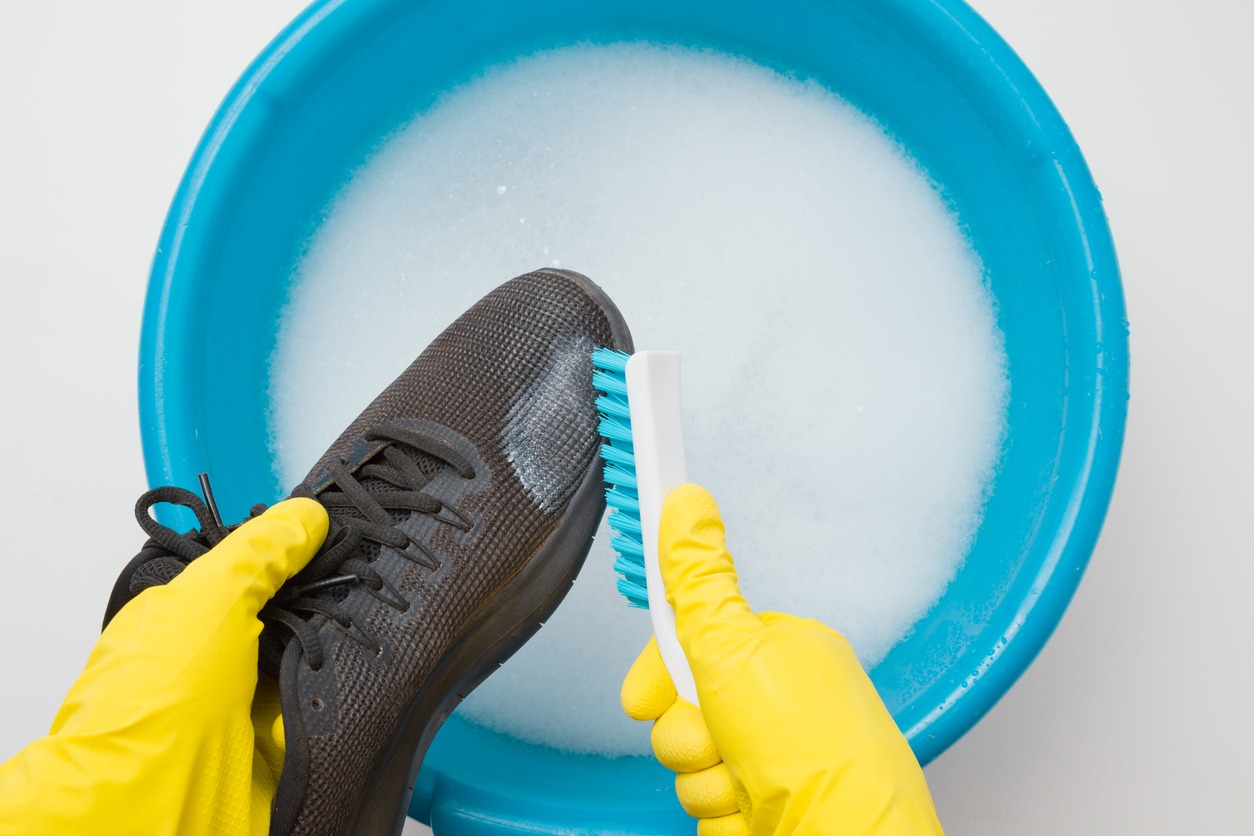
Proper care can go a long way in preserving your shoes. Here are some tips:
- Clean Them Regularly: Remove dirt and debris with a soft brush and mild soap. Avoid machine washing, as it can damage the glue and materials.
- Air Dry: After cleaning, let your shoes dry naturally. Keep them away from direct heat sources like radiators, which can warp or weaken materials.
- Untie Laces: Always untie your shoes before taking them off. Pulling them off without untying can stress the heel counter and overall structure.
- Rotate Shoes: If possible, alternate between two pairs. This allows each pair to recover fully between uses, prolonging their lifespan.
- Use Them Only for Their Purpose: Running shoes aren’t meant for basketball, and vice versa. Using them outside their intended activity accelerates wear.
Anatomy of Shoe Deterioration
Understanding how shoes break down can help you identify problems early. Here’s what happens over time:
- Outsole Wear: The rubber outsole is your first line of defense. When it’s worn through, traction decreases, making slips and falls more likely.
- Midsole Compression: The foam cushioning loses its ability to bounce back, leading to less shock absorption and more stress on your joints.
- Heel Counter Weakening: The heel counter, which stabilizes your foot, becomes more flexible, reducing ankle support.
- Shank Flexibility: The shank, which provides structure and arch support, weakens, leading to instability.
Shoes don’t have to look destroyed to be worn out. Materials age even if they’re not in constant use, so don’t keep shoes on the shelf too long.
Maximizing Your Investment
Buying quality sports shoes is an investment in your performance and health. Here’s how to make the most of it:
- Choose the Right Shoes: Find shoes that match your activity, gait, and foot shape. Consider professional gait analysis for a precise fit.
- Track Wear Patterns: Keep your old shoes as a reference. Examining wear patterns can help you choose better replacements.
- Shop Smart: Look for sales or discounts on quality brands, but don’t compromise on fit or functionality.
Proactively replacing your shoes protects your investment and ensures you’re always ready to perform your best.
Common Replacement Mistakes to Avoid
Even the most experienced athletes make mistakes when it comes to replacing their shoes. Here’s what to watch out for:
- Relying Solely on Mileage: Numbers don’t tell the whole story. Trust your body and monitor shoe condition.
- Using Shoes for Multiple Activities: Running shoes aren’t built for basketball, and vice versa. Use each pair for its intended purpose.
- Ignoring Signs of Wear: Don’t wait until your shoes fall apart. Subtle signs like discomfort or uneven wear are your cue to replace them.
- Skipping Maintenance: Neglecting cleaning and proper storage shortens your shoes’ lifespan.
Conclusion
Your sports shoes work hard to support you, so it’s only fair to give them the attention they deserve. By recognizing the signs of wear, considering your unique needs, and taking proactive steps to maintain them, you can ensure your shoes last longer and perform better. Remember, replacing your shoes isn’t just about comfort—it’s about protecting your body and maximizing your performance. Take a moment today to inspect your shoes and decide if it’s time for a new pair. Your feet will thank you.
Related posts