Why Basketball Players Choose Specific Jersey Numbers
Basketball jersey numbers might seem like random choices, but for many players, they carry a lot of meaning. From honoring their heroes to reflecting cultural values, these numbers tell stories about the players who wear them. Let’s dive into why these digits matter and how they’ve become a key part of basketball’s culture.
The History Behind Jersey Numbers
In basketball’s early days, jersey numbers were just practical. They helped referees and fans figure out who was who on the court. FIBA, the international basketball organization, even had a rule limiting numbers to 4 through 15 to make it easier for refs to signal fouls.
Over time, though, numbers started to mean more. LeBron James chose 23 because it was the number Michael Jordan wore, a nod to his basketball idol. What began as a way to identify players became a way for athletes to share something about themselves.
The trend of assigning meaning to numbers wasn’t limited to professional leagues. In college and high school basketball, players often carried the numbers they wore as youth athletes, creating lifelong attachments. This practice laid the groundwork for how significant jersey numbers would become in modern basketball culture.
Personal Stories Behind Numbers
View this post on Instagram
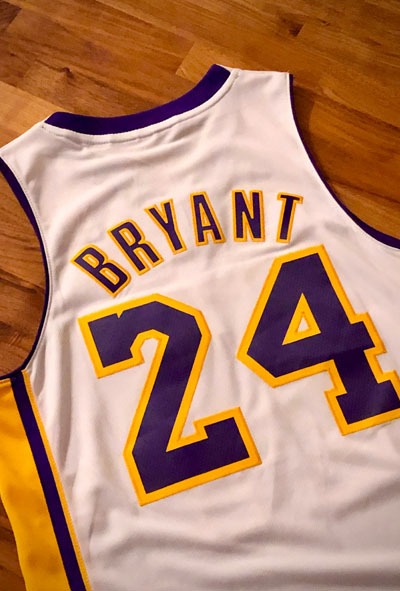
For some players, their jersey numbers are tied to personal milestones. Michael Jordan wore number 9 in the Olympics as a tribute to his dad’s September 9th birthday. Klay Thompson’s number 11 connects to several things in his life, like his draft pick and his childhood address. Other players stick with numbers that remind them of where they came from. Ja Morant, for example, has worn number 12 since high school and made sure to get it when he joined the Memphis Grizzlies. These numbers aren’t just digits—they’re symbols of family, memories, and achievements. Even players who switch numbers often carry sentimental reasons for doing so. For instance, Kobe Bryant’s change from 8 to 24 symbolized his personal growth and evolution as a player. These stories highlight how numbers can represent different phases of a player’s career. Culture plays a big role in the numbers players choose. In China, 8 is seen as a lucky number, so it’s popular among Chinese players. In Europe, basketball players sometimes pick numbers inspired by soccer, where certain digits carry big significance. In Latin America, players often pick numbers tied to family dates or spiritual beliefs. Even numbers like 13, often considered unlucky, can take on positive meanings in some cultures. Modern influences, like social media and branding, also shape choices. For instance, LaMelo Ball’s number 1 is as much a part of his brand as it is his jersey. Numbers can also carry collective significance. For example, some teams in high school or college basketball assign specific numbers to captains or top players, embedding cultural norms into the number selection process. A lot of players choose numbers to honor someone important to them. LeBron James picked 23 to pay tribute to Michael Jordan. Later, he switched to number 6, which sparked plenty of conversation about why. Was it about his time with the Miami Heat? A nod to Bill Russell? Or something else entirely? Kevin Garnett’s choice of 21 was a heartfelt tribute to his mentor, Malik Sealy. These kinds of gestures aren’t just about respect—they connect players to the people who shaped their careers. Young athletes, too, often wear the numbers of their idols as a way to carry on their legacy. Players also use numbers to honor loved ones lost too soon. Chris Paul’s decision to wear number 3 stems from his grandfather’s connection to the digit, a subtle yet powerful tribute to someone who influenced his life deeply. Athletes can be superstitious, and basketball players are no different. Many see their jersey numbers as good luck. The number 7, for instance, is often viewed as lucky, while others stick with numbers tied to their birthdays or childhood teams. Some players are so attached to their numbers that they’ll negotiate to keep them when they switch teams. And if things aren’t going well, they might even change their number mid-season to try to turn their luck around. Whether it’s luck, habit, or something else, these choices show just how much thought goes into a simple jersey. Players like Carmelo Anthony have shared how deeply rooted these superstitions can be. Anthony’s choice of number 7 with the New York Knicks came after a belief that it would help him “reinvent” himself after leaving Denver. These choices reflect how much weight players give to these small details. International basketball has its own rules about numbers. For a long time, FIBA required players to wear numbers between 4 and 15. This helped referees keep track of players during games. While FIBA dropped the rule in 2014, some teams, like USA Basketball, still follow it as a tradition. The NBA and WNBA, on the other hand, allow players to choose almost any number. This freedom leads to some interesting situations when players join new teams. If their favorite number is already taken or retired, they have to get creative—or strike a deal with a teammate. Teams have also occasionally set their own unique rules. For example, certain college teams have traditions where specific numbers are reserved for players in certain roles or positions. These restrictions add another layer to the significance of jersey numbers. Joining a new team often means giving up a favorite number. Players sometimes negotiate with teammates to get their preferred jersey, but it’s not always possible. For Ja Morant, getting number 12 with the Grizzlies showed how much his number means to him and how teammates respect those attachments. For teams like USA Basketball, sticking to the 4-15 range creates unity and reminds players they’re part of a bigger legacy. Even when rules aren’t required, honoring tradition can strengthen team bonds and highlight basketball’s roots. High-profile jersey swaps also highlight the camaraderie among players. For example, when a veteran player willingly gives up their number for a rookie star, it’s seen as a gesture of goodwill and respect within the team. International basketball’s numbering system is one of its unique traits. FIBA’s original rules about numbers weren’t just practical; they became a tradition. Countries like the USA, Australia, and China still use the 4-15 range, even though it’s no longer required. For fans, this makes it easier to follow the game during high-stakes matches. For players, these numbers carry the weight of representing their country. It’s a reminder that they’re part of something bigger than just their club careers. Olympic basketball has also been a stage for players to try out new numbers or return to old ones. For some, these numbers become iconic, representing not just their skills but their national pride. Fans play a surprisingly significant role in how jersey numbers are perceived. For many, a player’s number becomes an essential part of their identity. This connection is especially strong when fans buy jerseys to show their support. Numbers also affect a player’s marketability. Popular players often see their jersey numbers turn into symbols of their brand. For instance, Kobe Bryant’s 8 and 24 jerseys are equally iconic, and fans feel connected to both phases of his career. Limited-edition jerseys, particularly those tied to specific moments or milestones, can become collector’s items, driving up demand and creating lasting emotional ties. Beyond buying jerseys, fans also rally behind certain numbers, especially when tied to team history. Numbers retired by teams, like Michael Jordan’s 23 or Bill Russell’s 6, symbolize greatness not just for the player but for the entire franchise. This fan-driven reverence ensures that jersey numbers carry weight far beyond the court. As basketball evolves, so will jersey numbers. With players now able to profit from their name, image, and likeness (NIL), numbers have become a key part of personal branding. Social media amplifies this, turning numbers into symbols of identity and influence. Looking ahead, digital spaces like the metaverse could even allow for customizable virtual jerseys. While it’s hard to predict exactly how things will change, one thing’s for sure: the stories behind jersey numbers will keep growing. Basketball jersey numbers are much more than a uniform detail. They carry personal stories, honor heroes, reflect cultural traditions, and even embody a player’s aspirations. For fans, these numbers make it easier to connect with players on a deeper level. For players, they’re a way to express themselves, share their journey, and leave a lasting mark on the game. As basketball continues to grow and change, jersey numbers will remain a powerful symbol of identity and legacy.Cultural Influences on Numbers
Honoring Heroes and Mentors
Superstition and Lucky Numbers
Rules and Restrictions
Team Dynamics and Number Changes

Olympic Basketball Traditions
The Role of Fans in Jersey Numbers
The Future of Jersey Numbers
Conclusion