Why Is Street Basketball so Popular?
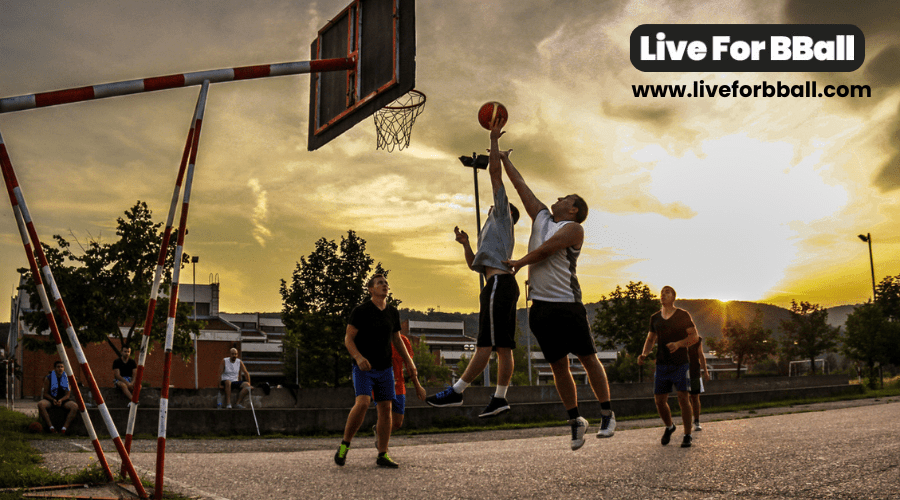
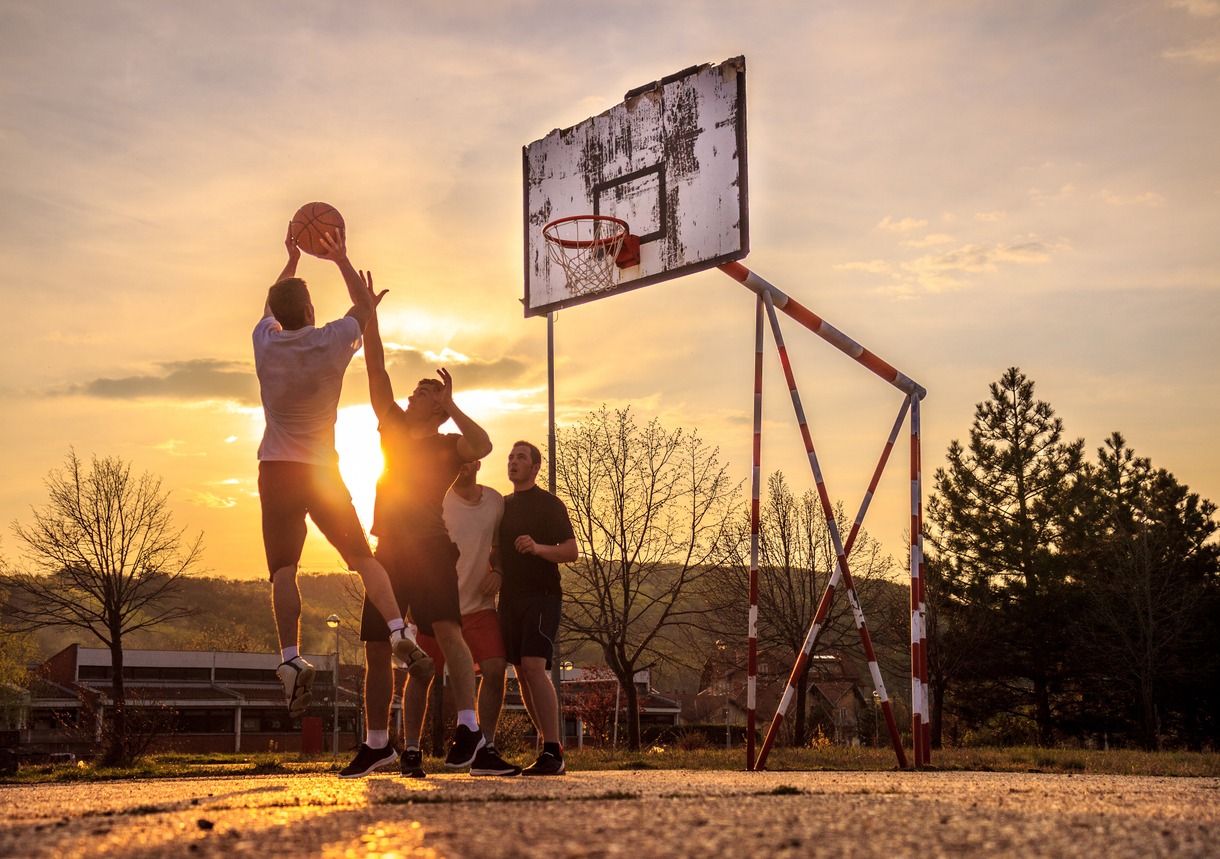
Street basketball has garnered widespread popularity due to its unique characteristics that distinguish it from traditional basketball. The informal atmosphere encourages creativity and allows individual skills to shine, making it accessible to players of all levels. Flexible rules and a self-regulatory culture where players resolve their own disputes foster a strong sense of community. Iconic venues and influential players also play a significant role in this phenomenon, further enhancing street basketball's cultural impact.
Unique Characteristics
Street basketball is characterized by its informal atmosphere, allowing players to express creativity and showcase individual skills without the constraints of strict rules and regulations. This freedom fosters a self-regulatory culture where participants call their own fouls and resolve disputes on the court. This setup not only enhances camaraderie but also builds sportsmanship among players.
Streetball's accessibility is a significant draw. Primarily played on outdoor courts in urban settings, it welcomes players of all skill levels. You can find games in various formats like 2-on-2, 3-on-3, or full-court matches, with scoring systems that may vary depending on the location and player preferences.
Tournaments add another layer of excitement and community engagement. Iconic venues like Rucker Park in New York City have become legendary for hosting local tournaments that draw crowds and spotlight urban talent. These events celebrate the vibrant culture surrounding street basketball, making it a community-engaging sport that emphasizes urban identity and showcases the individual skills of its players. Whether you're a seasoned player or a newcomer, streetball offers a unique and inclusive experience.
Flexible Rules
View this post on Instagram
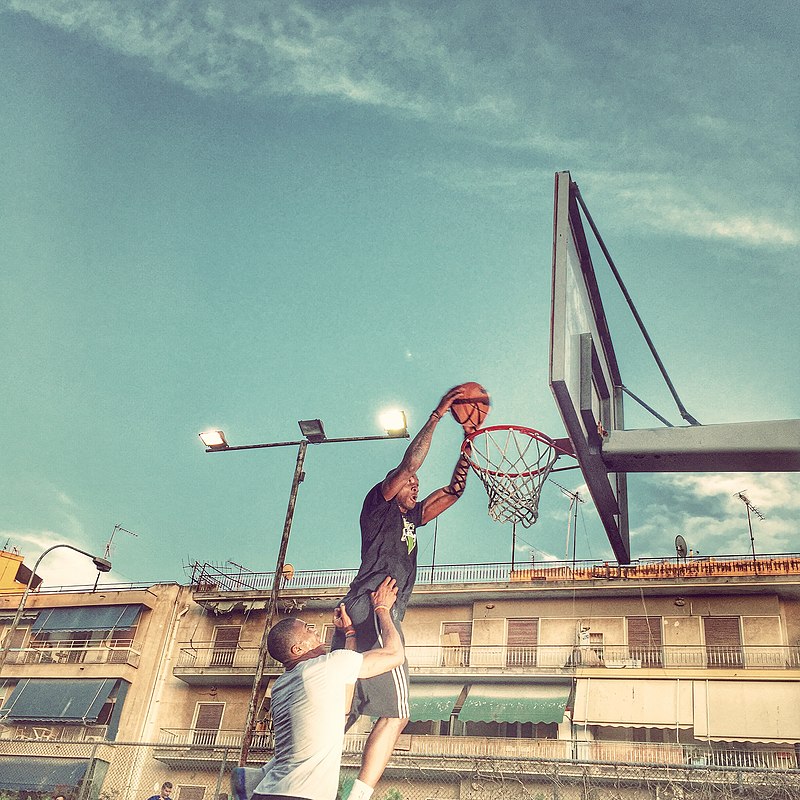
Street basketball's flexible rules empower players to call their own fouls and customize the game to their preferences. This player-driven approach fosters a strong sense of community and autonomy, making each game unique and enjoyable. With varying scoring systems and the ability to join mid-play, streetball remains dynamic and inclusive for all participants. Players' creativity shines in street basketball, where they often set their own rules, making each game unique and personalized. This player-driven rule setting fosters an informal atmosphere that emphasizes creativity and individual skills. Without the rigid structure of organized sports, the absence of referees allows players to call their own fouls. This subjective etiquette can vary between groups, promoting camaraderie and mutual respect among participants. Scoring systems and game formats can be adjusted on the fly, with targets ranging from 7 to 21 points, depending on player preferences and available time. This flexibility ensures that each game suits the needs and mood of the players. Inclusivity is a key aspect, as new players can join mid-session, either starting with zero points or matching the lowest score. This keeps the streetball community engaged and welcoming. The checking system, where play resumes only after both teams are ready, contributes to the game's flow and reinforces mutual respect. Through these adaptable and inclusive elements, street basketball creates a dynamic and enjoyable environment for everyone involved. Each street basketball court operates under a unique set of flexible rules that reflect the preferences of the local community. In streetball, players call their own fouls and resolve disputes on the spot, fostering a sense of camaraderie and mutual respect. This informal structure encourages creativity and individual expression, allowing players to showcase their unique skills without the constraints of traditional basketball regulations. Common violations, such as traveling and double-dribbling, are often overlooked to maintain the game's flow and ensure everyone's enjoyment. The adaptable rules make streetball inclusive and fun, enabling players of all skill levels to join in mid-game and quickly adapt to the scoring format. Game management in streetball is community-driven, with all participants contributing to a shared understanding of how the game should be played. This approach not only enhances the enjoyment of the game but also strengthens community bonds. The flexible rules and informal structure of streetball create an environment that promotes creativity, skill development, and camaraderie. Streetball distinguishes itself from traditional basketball by embracing an adaptive gameplay structure that suits local environments and player preferences. This flexibility allows players to tailor the rules, creating a unique and inclusive experience. Players are responsible for calling their own fouls and enforcing rules through mutual agreement, fostering a strong sense of community and self-regulation. This informal structure promotes an adaptive experience, making streetball accessible and enjoyable for everyone. The ability to tweak the rules and scoring systems ensures that each game can be as competitive or relaxed as desired, enhancing the enjoyment and popularity of streetball. sixtwelve, Thanasis and Giannis Antetokounmpo at Sepolia, Greece, CC BY 2.0 Street basketball thrives on diverse game formats that keep the sport dynamic and engaging. The most popular format is the 3-on-3 game on half courts. This setup emphasizes teamwork and skill development in a more intimate environment, enhancing player engagement. The game flow is maintained smoothly as each basket resets the action at the top of the key. The scoring system in streetball is straightforward yet strategic. Shots beyond the three-point line are worth 2 points, while those inside are worth 1 point. This encourages players to develop their long-range shooting skills. Different formats like Hustle, American, and Roughhouse, which can involve 3-5 players, adapt to the available space and participants' skills, adding variety to the game. Inclusivity is a strong feature of streetball. Players can join mid-game, starting with zero points or matching the lowest score, ensuring everyone has a chance to play. Here's a quick overview: These formats keep streetball exciting and accessible for everyone. In street basketball, you'll encounter popular variations like H-O-R-S-E, which promotes creativity as players replicate each other's shots. The 3-on-3 format, typically played on half courts, emphasizes fast-paced action and teamwork. Other formats, such as Hustle and Roughhouse, feature unique scoring systems and dynamic gameplay, maintaining high levels of excitement. In street basketball, the H-O-R-S-E game blends creativity and challenge, making it a favorite among casual players. This engaging activity requires players to replicate each other's shots, showcasing shooting skills in a fun way. The basic rules are straightforward: players take turns attempting to make the same shot as the previous player. If a player fails to replicate the shot, they receive a letter, eventually spelling out H-O-R-S-E, which leads to their elimination. Various modifications can enhance the game: The flexibility of H-O-R-S-E accommodates any number of participants, making it suitable for players of varying skill levels. It emphasizes the social aspect of street basketball, fostering camaraderie among participants. Whether you're honing your skills or just enjoying the game, H-O-R-S-E provides a dynamic way to engage in friendly competition on the court. So grab a ball, gather your friends, and start playing! 3-on-3 basketball tournaments offer a structured and competitive format, with teams competing on half courts. These events demand skill and teamwork in a fast-paced environment. Typically, games start with a "check" outside the three-point line to ensure both teams are set before play begins. To score, the ball must be cleared past the three-point line after gaining possession, adding a tactical element to the game. Scoring systems in these tournaments can vary. Shots made beyond the three-point line are often worth 2 points, while those inside are worth 1 point. Games usually target a pre-determined score, ranging from 7 to 21 points. Variations like Hustle or American introduce unique strategies, such as mid-game player entries and different point carry-over systems, enhancing the gameplay. Notable tournaments like RedBull Half Court and the FIBA 3x3 World Tour highlight the competitive nature of 3-on-3 basketball. These events attract global talent and showcase the intensity of the format, making them a cornerstone of street basketball's appeal. Streetball isn't just basketball; it's a fusion of creativity and unique formats that keep the game fresh and exciting. Variations like Hustle, American, and Roughhouse, typically played with 3-5 players on half courts, emphasize creativity and adaptability. These games focus not just on scoring but on the methods used to achieve points, fostering a dynamic and engaging experience. In streetball, you'll often encounter a distinctive checking system where possession must be cleared past the three-point line to initiate scoring. This ensures fair play and keeps all participants actively engaged. Games like H-O-R-S-E allow players to showcase their shooting skills by replicating shots made by others, offering a fun and competitive format. One of the most thrilling aspects of streetball is the ability to join mid-game. Players can jump in with zero points or match the lowest score, adding an element of unpredictability to each match. Special rules and scoring systems, such as requiring a three-pointer to initiate the next game, heighten the competitive nature and encourage participation. These unique streetball formats make the game dynamic and thrilling for everyone involved. Celebrating the legends of street basketball opens a window into a world where raw talent meets pure passion. Iconic streetball players like Earl "The Goat" Manigault and Rafer Alston, known as "Skip To My Lou," have fascinated audiences with their exceptional skills. Their flashy playstyle and relentless drive have inspired countless fans and future players. Rafer Alston, in particular, bridged the gap between streetball and the NBA, proving that streetball skills can translate to professional success. Dušan Bulut, a Serbian legend, has taken his talents to the global stage, winning numerous titles in 3x3 competitions. His success has raised the profile of streetball worldwide, showing that the sport's appeal knows no boundaries. The AND1 Mixtape Tour, featuring stars like Hot Sauce and The Professor, further highlighted the entertainment value of streetball, enchanting mainstream audiences in the late 1990s and early 2000s. Larry "Bone Collector" Williams dazzled fans with his ability to defeat NBA talents, enhancing the sport's credibility. Meanwhile, players like Chris "Lethal Shooter" Matthews have contributed to the legacy of streetball by focusing on shooting education. These legends have ensured that streetball remains a vibrant and influential part of basketball culture. The influence of iconic streetball players extends beyond the court, shaping the cultural fabric of urban communities. Street basketball isn't merely a game; it's a cultural phenomenon that fosters unity and social connections, particularly in cities like New York, Atlanta, and Washington DC. Observing these players reveals more than just athletic prowess; it highlights self-expression and creativity in every dribble and dunk. This resonates deeply with local communities, instilling a sense of pride and identity. Streetball events are more than just games; they are gatherings that attract large audiences and media coverage, amplifying the sport's significance in urban culture and making it a staple of community life. Celebrity streetballers profoundly influence the youth, inspiring them to engage in the sport and develop their skills. Key impacts include: Streetball is more than just basketball; it is a vibrant part of urban life. Major street basketball events consistently capture the imagination and enthusiasm of fans worldwide. These events showcase global talent and emphasize the competitive nature of 3-on-3 basketball. The RedBull Half Court, spanning multiple countries, attracts thousands of participants, highlighting the sport's broad cultural reach. Similarly, the Pyramids of Giza hosted the world's largest 3-on-3 streetball tournament, underscoring the significance of community engagement. Since 1998, the AND1 Mixtape Tour has played an essential role in popularizing streetball, bringing it to mainstream audiences and enhancing its visibility. Events like RedBull King of the Rock and RedBull Reign appreciably contribute to organized streetball formats, promoting skill development and competitive play. Streetball events often feature high-level players and draw considerable media attention, reinforcing the sport's popularity and its connection to local communities. These events embody the spirit of street basketball, blending competitive play with community engagement.Player-Driven Rule Setting
Community-Based Game Management
Adaptive Gameplay Structure
Game Formats
Format Player Count Key Features 3-on-3 6 Teamwork, skill development, half court Hustle 3-5 Fast-paced, individual skills American 3-5 Variable rules, adaptable Roughhouse 3-5 Physical play, diverse skill levels Famous Variations
H-O-R-S-E Game Dynamics
3-on-3 Tournament Rules
Unique Streetball Formats
Iconic Players
Cultural Impact
Major Events
Event Name Key Feature Year Established RedBull Half Court Global talent showcase 2016 Pyramids of Giza 3-on-3 World's largest tournament 2021 AND1 Mixtape Tour Mainstream popularity increase 1998 RedBull King of the Rock Organized competitive format 2010 RedBull Reign Skill development focus 2014