Why NBA Players Have Large Feet and How It Affects Their Game
Basketball is a game that demands speed, power, and precision, with every movement relying heavily on a player’s physical foundation. Among the many traits that set NBA players apart, their larger-than-average feet often stand out. But why do these athletes have such big feet, and how does it affect their performance on the court? Let’s take a closer look at how foot size plays a role in basketball dominance.
The Physical Demands of Basketball
Basketball is tough on the body, especially on the feet and legs. Every jump, sprint, and quick turn puts a lot of stress on a player’s lower body. During a game, a player’s feet absorb forces up to six times their body weight. That’s why stability and strength in the feet are critical.
NBA players, who average 6’6” in height, rely on a strong foundation to handle their size and athleticism. It’s no coincidence that their shoe sizes range from 15 to 22, much larger than the average person’s. Big feet help spread out these extreme forces, lowering the risk of injuries like stress fractures.
Imagine a player making a sudden stop or changing direction at full speed. Without stability, they’d slip or twist an ankle. Larger feet provide a wider base, giving players better control during those quick movements. They also act as natural shock absorbers, easing the impact of all those jumps and landings—an essential part of basketball.
Foot Size and Athletic Performance
Big feet offer many advantages to NBA players, including:
- Weight Distribution: Larger feet spread body weight more evenly, reducing pressure on any single point and lowering the risk of stress fractures.
- Better Stability: A wider base helps with balance and quick direction changes, especially during defensive plays and fast breaks.
- More Power: Big feet provide a larger surface area to push off the ground, adding force to jumps and sprints.
- Arch Flexibility: Flexible arches in larger feet help transfer energy efficiently during movement.
Shaquille O’Neal, known for his size 22 shoes, used his big feet to dominate in the post, anchoring himself against opponents. Tacko Fall, another towering player, relies on size 22 shoes to support his balance and stability.
But big feet aren’t all benefits. They also come with challenges, like a higher risk of conditions such as plantar fasciitis, which affects the arches. That’s why custom shoes and regular foot care are so important for these athletes.
Common Foot Problems in the NBA
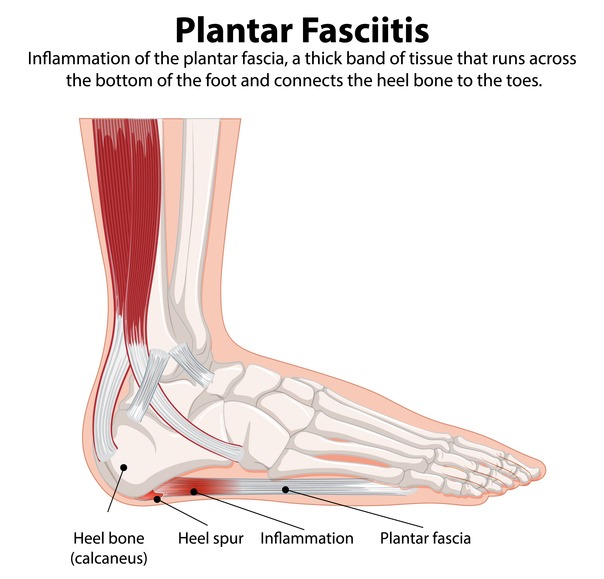
NBA players put their feet through a lot, which leads to various injuries. Over 62% of injuries in the NBA happen below the waist, and many involve the feet and ankles. Some common problems include:
- Plantar Fasciitis: Inflammation of the tissue that connects the heel to the toes, often caused by repetitive jumping and running.
- Achilles Tendon Injuries: Strains or tears in this tendon can take months to heal and sometimes end careers.
- Stress Fractures: Small cracks in the bones, often caused by overuse and repetitive impact.
- Ankle Sprains: Quick pivots and awkward landings make sprains a frequent issue.
- Turf Toe: Injuries to the big toe joint from overextension or jamming.
Even with the best shoes, players face these challenges throughout their careers. Teams work hard to prevent them with custom orthotics, taping, and regular therapy.
Shoe Selection and Player Preference
NBA players are particular about their shoes because they’re a key part of their game. Most players wear shoes half a size or a full size bigger than their actual feet to allow for taping and swelling during games.
Jason Terry, a former NBA player, famously wore shoes 2-3 sizes larger than his foot size. He claimed it gave him better control, though this isn’t a typical approach.
When picking shoes, players focus on:
- Court Feel vs. Cushioning: Balancing responsiveness with impact absorption.
- Support and Stability: Ensuring the shoe fits securely without restricting movement.
- Custom Fit: Many players work with brands to create shoes tailored to their feet and style of play.
Shoe technology has come a long way, with advanced cushioning and lightweight designs helping players perform better while reducing the risk of injury. Still, shoes can only do so much—training and foot care are just as important.
Impact Forces and Structural Support
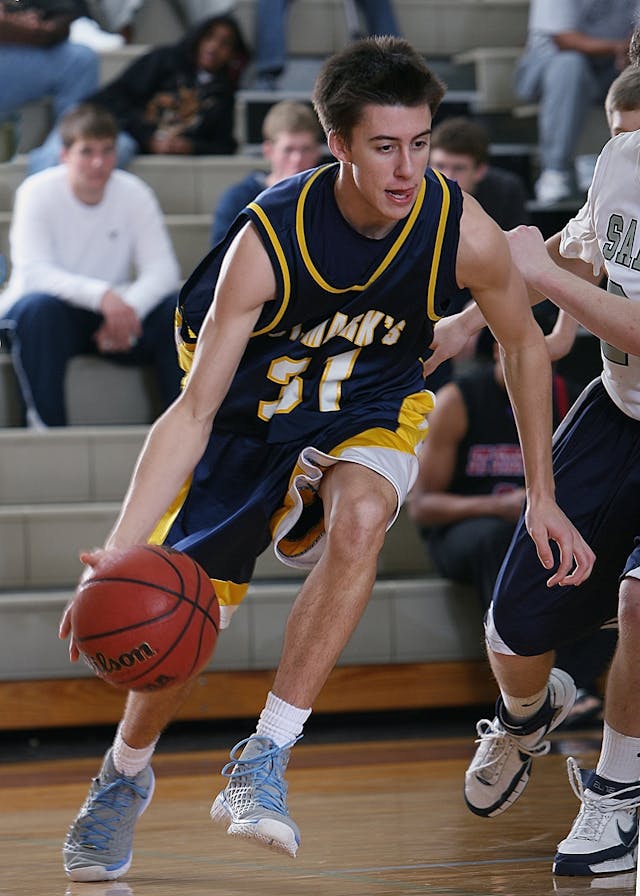
To understand why foot size matters, consider the biomechanics of basketball. Every jump and landing puts immense pressure on a player’s feet and legs. Larger feet provide a bigger surface area to distribute these forces, reducing the strain on bones and joints.
Without strong feet and ankles, players risk injuries like Achilles tears or stress fractures. That’s why NBA players prioritize strengthening these areas through exercises like balance drills and resistance training. Custom shoes and orthotics also help by providing extra support and correcting imbalances.
Custom Equipment and Career Longevity
In the NBA, custom equipment isn’t just helpful—it’s necessary. For players with shoe sizes over 18, off-the-shelf options simply don’t work. Brands like Nike and Adidas collaborate with athletes to design shoes that meet their needs.
Custom shoes offer:
- Pressure Relief: Evenly distribute weight across the foot.
- Better Stability: Secure fits for explosive movements.
- Injury Prevention: Extra support reduces the risk of stress fractures and other injuries.
- Career Longevity: Protects against chronic issues that can cut careers short.
LeBron James’ shoes, for instance, are specifically designed to support his high-impact playing style. Investing in custom footwear helps players stay at the top of their game longer.
Did You Know?
- Shaquille O’Neal’s size 22 shoes are so rare that he has them custom-made—and sometimes even donates pairs to museums.
- NBA players’ feet are often 26% longer and 60% wider than the average person’s, making off-the-shelf shoes virtually impossible.
- Michael Jordan’s Air Jordan line revolutionized basketball footwear, but even he needed custom designs for his size 13 feet.
- Many NBA players rotate through multiple pairs of shoes in a single game to maintain optimal performance and comfort.
- The average cost of a custom-made basketball shoe for NBA players can range from $1,000 to $5,000 per pair.
- Players with exceptionally large feet, like Tacko Fall, sometimes face logistical challenges traveling with their oversized footwear.
Lessons from Sneaker Culture
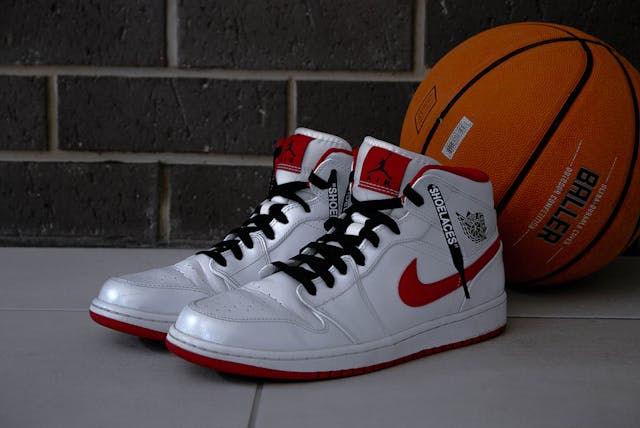
Big feet have not only shaped basketball performance but have also had a massive influence on sneaker culture. Limited-edition releases of player-specific shoes, like the LeBron or Kobe lines, have become highly sought after by fans. Sneakerheads often admire these designs for their innovation and connection to the game. Brands continue to push boundaries, creating shoes that not only perform on the court but also make statements off it.
For NBA players, their shoes are as much about identity as performance. Signature designs often reflect a player’s style, values, and approach to the game. This connection between footwear and culture highlights just how deeply intertwined basketball and sneaker design have become.
Conclusion
NBA players’ large feet aren’t just a coincidence—they’re a key part of their success. From providing stability and power to absorbing impact forces, big feet are a major asset in the fast-paced world of basketball. Understanding this connection gives us a greater appreciation for the physical demands of the sport and the incredible athletes who play it.
With advancements in technology and training, players are finding even better ways to protect and strengthen their feet. For now, it’s clear that keeping NBA players on their feet is, quite literally, no small feat.