Atlanta Hawks' Retired Jersey Numbers: Honoring Legendary Players
Step into State Farm Arena and your eyes are immediately drawn to the rafters, where the Atlanta Hawks’ retired jersey numbers hang proudly. These aren’t just numbers—they’re symbols of a rich basketball history. Each one represents a player who changed the game, left their mark on the franchise, and became part of Atlanta sports lore. From their roots in St. Louis to their current home in Atlanta, the Hawks have had some remarkable names in their ranks, and the retired jerseys are a tribute to their excellence.
Let’s take a closer look at the incredible stories behind these numbers and the legacy they represent. Who knows? Maybe we’ll even speculate on who might be next in line for this prestigious honor.
The Retired Jersey Numbers and Their Legends
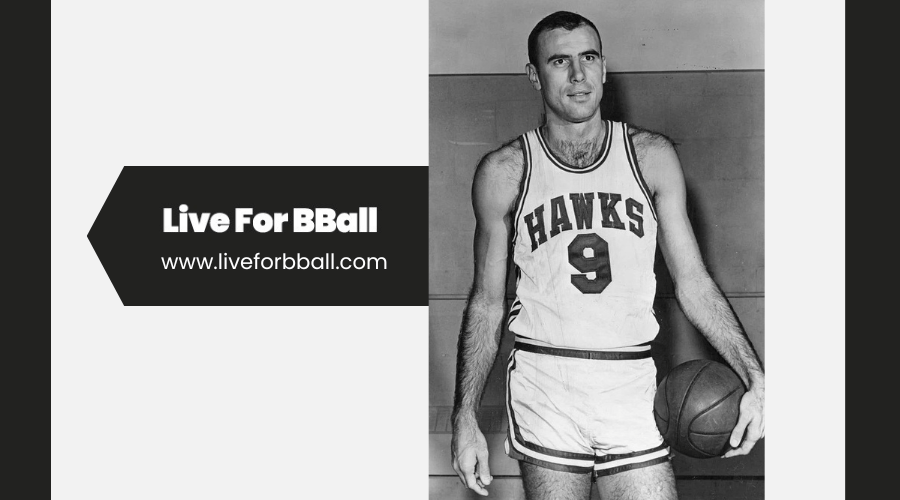
1. Bob Pettit (No. 9)
If there’s one name that echoes through the history of the Hawks, it’s Bob Pettit. When you think of greatness, you think of his No. 9 jersey. Pettit wasn’t just a star; he was the star of the St. Louis Hawks era. Back in 1958, he led the team to their only NBA championship with a heroic 50-point performance in Game 6 of the Finals. Imagine the pressure of a do-or-die moment—and delivering like that.
Pettit wasn’t a one-hit wonder either. He was the first NBA player to cross the 20,000-point threshold. With career averages of 26.4 points and 16.2 rebounds per game, he set the bar for what it means to be a franchise cornerstone. Eleven All-Star nods and two MVP awards later, Pettit’s place in the Hawks’ history books is secure. His jersey hangs as a reminder of a golden era and the standard he set for future players.
2. Dominique Wilkins (No. 21)
Dominique Wilkins isn’t just a Hawks legend; he’s an Atlanta icon. Known as "The Human Highlight Film," Wilkins redefined what it meant to be a showstopper. From his jaw-dropping dunks to his ability to light up the scoreboard, his No. 21 jersey represents a decade of dominance.
Wilkins is the Hawks’ all-time leading scorer with more than 26,000 points. His nine All-Star appearances only scratch the surface of what he brought to the team. Think about his legendary duels—like his 47-point shootout against Larry Bird in the 1988 playoffs. Those games weren’t just battles; they were must-watch television.
Off the court, Wilkins embraced Atlanta as his home, becoming a beloved figure in the community. His jersey retirement in 2001 wasn’t just about honoring his stats. It was about celebrating his role as the face of the franchise and his deep connection with the city.
3. Lou Hudson (No. 23)
Lou Hudson may not have had the flashiest nickname, but "Sweet Lou" was all about consistency. Over 12 seasons with the Hawks, Hudson quietly became one of the most reliable scorers in the league. His smooth jump shot and effortless style earned him six All-Star selections, and his career average of 20.2 points per game proves he was more than dependable.
Hudson wasn’t just a scorer—he was a professional through and through. He led by example, showing younger teammates what it meant to dedicate yourself to the game. Off the court, Hudson’s work in the community made him a role model for fans as well. Retiring his No. 23 was a no-brainer; it’s a tribute to a player who epitomized excellence on and off the hardwood.
4. Pete Maravich (No. 44)
Pete Maravich, or "Pistol Pete" as fans lovingly call him, was a basketball genius. Watching him play was like watching an artist at work. Though his time with the Hawks was relatively short—just four seasons—his impact was undeniable. Maravich averaged 24.3 points per game during his stint, dazzling crowds with his flashy ball-handling and fearless scoring.
What makes Maravich special isn’t just his stats but how he changed the game. His innovative playing style—from no-look passes to circus shots—pushed the boundaries of what basketball could be. Maravich inspired generations of players to think outside the box and bring creativity to the court. His No. 44 jersey represents an era of boldness and innovation in Hawks history.
5. Cliff Hagan (No. 16)
Cliff Hagan’s name might not be the first to come to mind when you think of Hawks legends, but his contributions to the franchise are undeniable. As a seven-time All-Star and a key player on the 1958 championship team, Hagan’s No. 16 jersey symbolizes teamwork and grit.
Hagan wasn’t flashy—he was efficient. Whether it was scoring, defending, or setting up teammates, he always got the job done. He complemented Bob Pettit perfectly during their championship run, and his efforts helped secure the franchise’s lone title. Today, Hagan’s jersey stands as a tribute to an unselfish player who put the team first.
The Legacy of Retired Numbers

What’s fascinating about these retired jerseys is how they tell the story of the Hawks as a franchise. Each number is tied to a different era, a unique identity, and a specific kind of greatness.
- Bob Pettit represents the Hawks’ first taste of championship glory.
- Dominique Wilkins brought flair and excitement, making Atlanta a basketball hotspot.
- Lou Hudson showed that consistency and professionalism can be just as impactful as highlight-reel plays.
- Pete Maravich redefined creativity in basketball, proving the game is an art form.
- Cliff Hagan exemplified teamwork and resilience in the franchise’s golden years.
Together, these players laid the foundation for what it means to wear a Hawks jersey. Their legacies inspire both fans and current players to aim higher and leave their own marks on the team.
Potential Future Retirements
Looking ahead, there are a few modern Hawks who could one day see their numbers retired. Let’s highlight a few strong contenders:
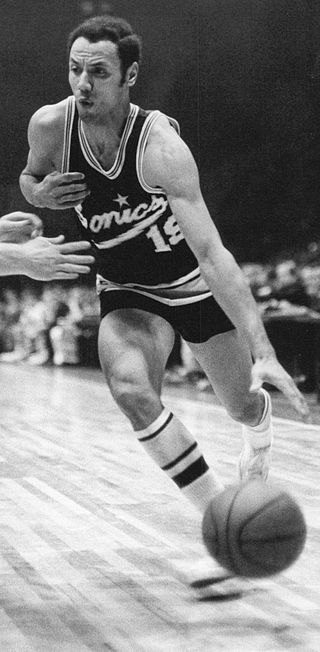
- Joe Johnson (No. 2): Johnson, known as "Iso Joe," was the go-to scorer during his time with the Hawks. A seven-time All-Star, he averaged 20.9 points per game over seven seasons and hit countless clutch shots.
- Mookie Blaylock (No. 10): Blaylock was a defensive juggernaut, earning six All-Defensive team selections. As the team’s floor general in the 1990s, he was the engine that made the Hawks run.
- Kevin Willis (No. 42): With 11 seasons in Atlanta, Willis became one of the most reliable big men in the league. His dominance in the paint made him a fan favorite.
- Lenny Wilkens (No. 19): Wilkens wasn’t just a great player; he was also an exceptional coach. His leadership and basketball IQ had a lasting impact on the Hawks.
- Moses Malone (No. 4): Though his stint with the Hawks was short, Malone’s Hall of Fame career and leadership make him a strong candidate.
These players have all contributed to the franchise’s story, and it’s only a matter of time before some of them take their place in the rafters.
Criteria for Number Retirement
Retiring a jersey isn’t just about talent; it’s about legacy. The Hawks take this honor seriously, and their criteria reflect that:
- On-Court Excellence: Players need to have delivered standout performances and made significant contributions to team success.
- Leadership: Beyond stats, leadership and the ability to elevate teammates are crucial.
- Community Impact: Players who give back to the city and represent the franchise positively earn a special place in fans’ hearts.
When a player’s number is retired, it signifies more than just basketball greatness. It’s a recognition of the impact they’ve had on the franchise and the community.
Conclusion
The retired jerseys in State Farm Arena aren’t just decorations; they’re reminders of the Hawks’ proud history. From Bob Pettit’s legendary championship run to Dominique Wilkins’ unforgettable dunks, these numbers represent the best of what the franchise has to offer.
As the Hawks continue to write their story, new legends will emerge, and the rafters will welcome more iconic jerseys. Reflecting on these players isn’t just about celebrating the past—it’s about inspiring the future. The legacy of these players ensures that the spirit of Hawks basketball will soar for generations to come.
Related posts