Basketball Sizes Explained: Finding the Right Ball for Every Age and Skill Level
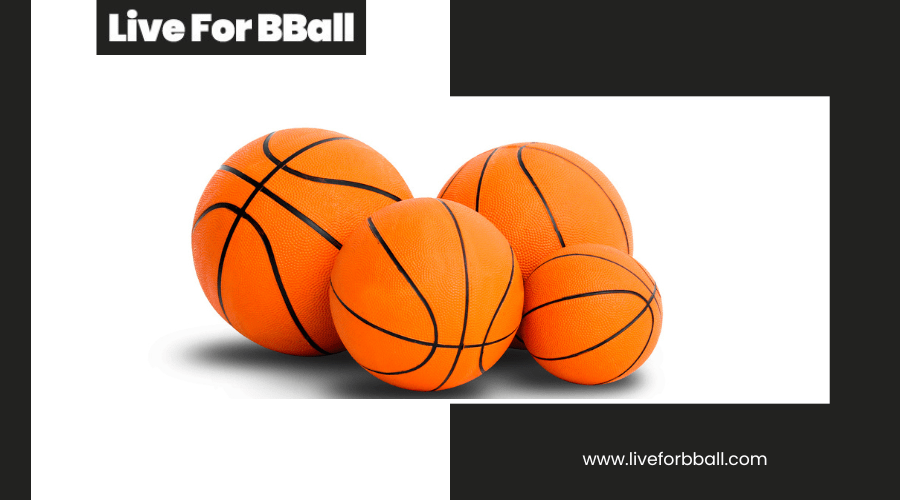
When it comes to basketball, having the right ball in hand makes a world of difference. Whether you’re teaching a child to dribble, fine-tuning your free throw, or gearing up for serious competition, the right basketball can elevate your game. It’s not just about comfort—it’s about building skills, growing confidence, and setting yourself up for success. Let’s break down everything you need to know about basketball sizes and how to choose the best one for your needs.
Official Basketball Size Standards
Basketballs come in different sizes, and these aren’t arbitrary. They’re designed to suit specific age groups and competition levels, ensuring that players can handle the ball comfortably and develop their skills effectively.
Here’s a quick guide to official basketball sizes:
- Size 7 (29.5 inches, 22 ounces): This is the standard size for men’s professional, college, and high school leagues. It’s meant for players aged 15 and older who have the hand size and strength to manage their weight and circumference.
- Size 6 (28.5 inches, 20 ounces): Used in women’s professional leagues and by boys aged 12-14, this slightly smaller ball is great for developing advanced shooting and ball-handling skills.
- Size 5 (27.5 inches, 17 ounces): Perfect for players aged 9-11, this size helps kids transition from beginner to intermediate skills without overwhelming them.
- Size 4 (25.5 inches, 14 ounces): Designed for children aged 5-8, this lightweight ball makes it easy for young players to practice basic dribbling and shooting techniques.
- Size 3 (22 inches, 10 ounces): This is the smallest official basketball size, made for kids aged 4-8. It’s ideal for introducing the fundamentals of basketball in a fun and manageable way.
Choosing the right size helps players feel confident and capable, ensuring they can focus on developing their skills without struggling with the ball.
Age-Based Size Guide

Matching a basketball to a player’s age is key to fostering enjoyment and skill development. Let’s dive deeper into the ideal sizes for different age groups:
- Ages 4-8: A Size 3 basketball is small and lightweight, making it easy for little hands to grip. This size helps kids focus on learning basic dribbling and shooting techniques without feeling frustrated. It’s all about having fun while building coordination and confidence.
- Ages 9-11: A Size 5 basketball is the next step up. It’s slightly larger and heavier, helping kids strengthen their arms and practice more advanced ball control. This size is a great bridge between playing for fun and preparing for more structured competition.
- Ages 12-14: At this age, players typically transition to a Size 6 basketball. For boys, it’s preparation for full-sized basketballs, while for girls, it’s the standard size for competition. This ball size is perfect for refining shooting techniques and developing consistent dribbling skills.
- Ages 15 and Up: Size 7 basketballs are regulation for men’s games. By this age, players have the strength and experience to handle the larger size and weight, making it ideal for competitive play.
By following these age-based guidelines, players can enjoy a natural progression in their skills and build their confidence on the court.
Why Choosing the Right Size Matters
Does basketball size really make that much of a difference? Absolutely. Here’s why:
- Helps Develop Proper Form: Using a ball that’s too big or heavy can lead to poor habits, like awkward shooting techniques. Starting with the right size helps players build a solid foundation from the beginning.
- Boosts Confidence: When players can control the ball with ease, they’re more likely to feel confident and enjoy the game. Success with the right equipment encourages them to keep practicing.
- Prevents Frustration: A ball that’s too large or heavy can be discouraging, especially for younger players. Choosing the right size ensures the game stays fun and engaging.
- Reduces Risk of Injury: Using an age-appropriate basketball minimizes the strain on developing muscles and joints, lowering the chances of injury from repetitive stress.
In short, the right basketball size doesn’t just make the game easier—it makes it better.
Professional League Requirements
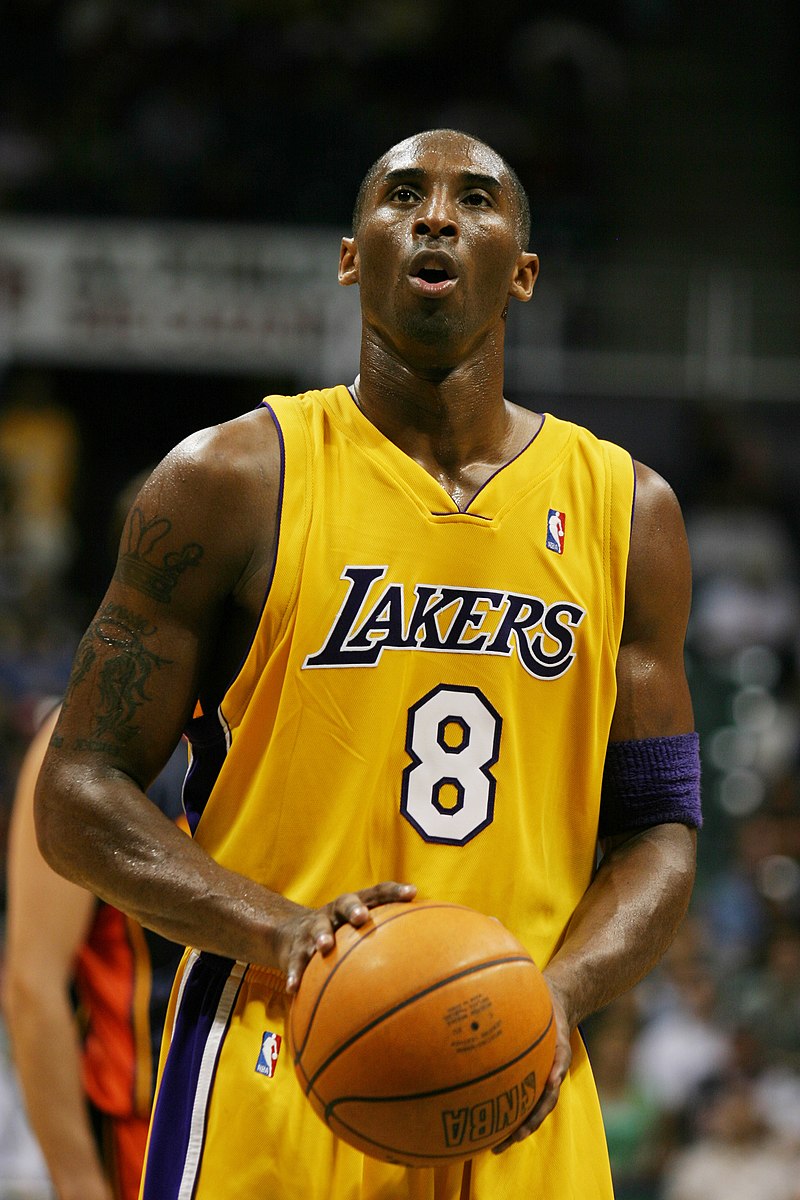
Ever wondered about the basketballs used in professional leagues? Here’s how they’re standardized:
- NBA: The official ball is Size 7, measuring 29.5 inches and weighing 22 ounces. It’s designed for adult male players who need the weight and size for high-level performance.
- WNBA: Women’s professional basketball uses Size 6 balls, which are slightly smaller at 28.5 inches and 20 ounces. This size offers better control for female players, allowing them to showcase their skills.
- FIBA: International leagues have their own standards. Men’s balls are slightly larger at 30.7 inches, while women’s balls measure 29 inches. These variations accommodate different playing styles and preferences worldwide.
- NCAA and High School: These levels use the same standards as the NBA and WNBA, ensuring consistency as players transition to higher levels of play.
Knowing these requirements can help you understand why practicing with the correct size is essential if you aspire to play at a professional or competitive level.
Indoor vs. Outdoor Basketballs
Choosing the right basketball isn’t just about size—you also need to consider where you’ll be playing.
- Indoor Basketballs: These are made from composite leather or synthetic materials designed for smooth hardwood courts. They offer a soft feel and excellent grip but can wear out quickly if used on outdoor surfaces.
- Outdoor Basketballs: Built with durable rubber, these balls can handle the rough surfaces of asphalt and concrete. While they’re tougher, they may not have the same soft feel as indoor basketballs.
Pro Tip: Stick to the right ball for the right surface. Using an indoor ball outdoors can wear it out faster, while outdoor balls may not perform as well indoors.
Training Basketball Variations
If you’re looking to take your skills to the next level, training basketballs can help. Here are some popular options:
- Weighted Basketballs: Heavier than standard balls, these are great for building arm strength and improving muscle memory for shooting and passing.
- GripTech Basketballs: With enhanced grip, these balls help players practice advanced dribbling and ball-handling techniques.
- Oversized Basketballs: Slightly larger than regulation balls, these improve hand-eye coordination and make standard-sized balls feel easier to handle.
- Adaptive Training Balls: These have unpredictable bounce patterns, helping players sharpen their reflexes and reaction times.
Incorporating training basketballs into your routine can give you a serious edge on the court.
Proper Ball Care Tips
Want your basketball to last longer? Take care of it with these simple tips:
- Clean It Regularly: Wipe down your ball with a damp cloth after each game to remove dirt and sweat that can damage the surface.
- Store It Properly: Keep your basketball in a cool, dry place away from direct sunlight. Extreme temperatures can warp the material and affect its performance.
- Check the Air Pressure: Make sure your ball is inflated to the recommended level. Most basketballs have the ideal PSI printed near the air valve.
- Avoid Rough Surfaces (for Indoor Balls): If you’re using an indoor ball, stick to hardwood courts to prevent wear and tear.
When your basketball shows obvious signs of wear, like scuffs, cracks, or uneven surfaces, it’s time to replace it. Take care of your ball to enhance your game, and to also help you save money in the long run.
Conclusion
Choosing the right basketball size and type isn’t just a small detail—it’s a game-changer. Whether you’re introducing kids to the sport, training for competition, or just shooting hoops for fun, the right ball makes all the difference. It helps you develop skills, build confidence, and enjoy the game to its fullest.
So, next time you’re shopping for a basketball, think about who’s using it and where they’ll be playing. With the right choice, you’re not just buying a ball—you’re investing in better basketball experiences.