Cleveland Cavaliers’ Retired Numbers: Honoring the Legends Who Built the Franchise
When you walk into Rocket Mortgage FieldHouse, there’s a special feeling as you look up at the rafters. Hanging above the court are jerseys belonging to legends—Cavaliers who left an indelible mark on the franchise and the city of Cleveland. For Cavaliers fans, those numbers aren’t just symbols of basketball excellence; they’re reminders of perseverance, loyalty, and unforgettable moments that helped define this team’s legacy.
As of today, the Cavaliers have officially retired seven jersey numbers and proudly honor figures like broadcaster Joe Tait and inspirational fan Nick Gilbert. The league-wide retirement of Bill Russell’s #6 also ensures his legacy is recognized in every arena, including Cleveland.
These banners tell stories of players who didn’t just play basketball—they fought through adversity, brought championships within reach, and created memories that live on. From foundational players like Bingo Smith and Austin Carr to modern Cavaliers icons like Zydrunas Ilgauskas, their legacies live on in the rafters.
Let’s take a closer look at each of these players, their journeys, and the legacies that earned them the ultimate honor in Cavaliers history.
The Meaning Behind Retired Numbers
A retired number is more than a jersey—it’s a symbol of greatness. For the Cleveland Cavaliers, having your number raised to the rafters means you didn’t just excel on the court; you became part of the team’s identity. Whether through leadership, loyalty, or pure talent, these players embodied the spirit of Cleveland basketball.
The Cavaliers’ process for retiring a number isn’t taken lightly. Players need to have made significant contributions, both statistically and culturally, to the team. Multiple All-Star appearances, long-standing franchise records, and deep connections with the city are all factors.
This careful selection ensures the banners remain sacred, honoring only those who truly deserve it.
Bingo Smith (#7)
View this post on Instagram
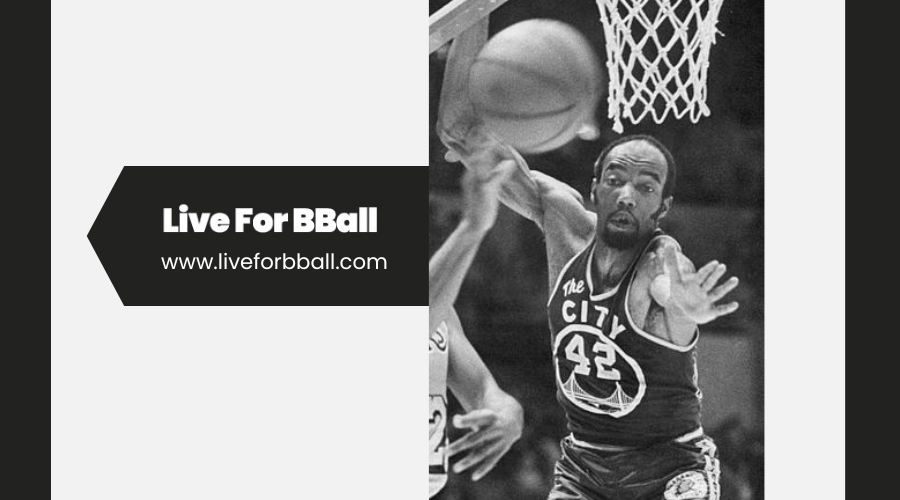
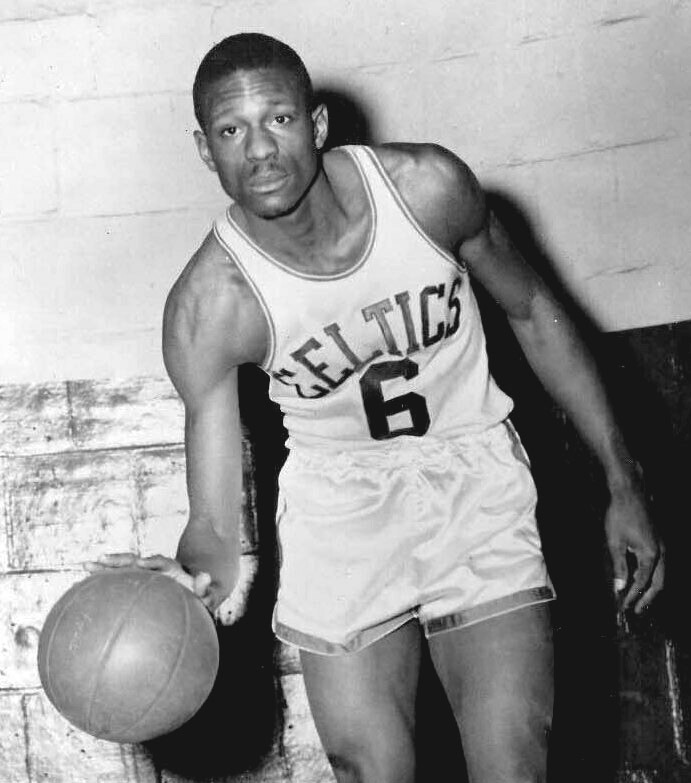
When the Cavaliers began as an expansion team in 1970, they needed a leader to give the young franchise direction. That leader was Bingo Smith. Drafted from the San Diego Rockets, Smith quickly became a fan favorite with his smooth shooting stroke and calm under pressure. Smith’s career with the Cavaliers spanned nearly a decade, and his defining moment came during the Miracle of Richfield in 1976. The Cavaliers faced the Washington Bullets in a hard-fought playoff series. With the game—and the season—on the line, Smith delivered a clutch game-winning shot, helping the team advance to their first-ever playoff victory. Over his 10 years in Cleveland, Bingo Smith scored over 10,000 points and became one of the franchise’s early icons. His consistency and loyalty during the Cavaliers’ formative years earned him the honor of having his #7 jersey retired on December 4, 1979. Smith’s contributions might not always get the spotlight, but he laid the foundation for what Cleveland basketball would become. The Cavaliers’ very first draft pick in 1971, Austin Carr was born to lead this franchise. Known as Mr. Cavalier, Carr brought instant credibility to the team with his scoring ability and fearless play. Carr’s most legendary moment came in the 1972 playoffs, where he scored 52 points in a single game—a franchise record that still stands today. Despite injuries that cut his career short, Carr’s impact never wavered. His scoring prowess and leadership set the tone for the Cavaliers’ future. Beyond his playing days, Carr has remained a key part of the Cavaliers family. As a beloved broadcaster, his voice has become synonymous with Cavaliers basketball, cementing his role as an eternal part of the franchise. His #34 was retired in 1981, the first jersey to hang in the rafters and a well-deserved tribute to Cleveland’s original star. Hall of Famer Nate Thurmond joined the Cavaliers in 1975, already a legend for his dominant defensive presence. Though his time in Cleveland was short, his contributions were massive. Thurmond was instrumental in the Miracle of Richfield season, anchoring the defense and leading the Cavaliers to their first playoff appearance. Thurmond’s impact went far beyond the stat sheet. His leadership and experience elevated the young Cavaliers roster, showing them what it meant to play winning basketball. The Cavaliers retired his #42 on December 18, 1977, honoring a player who made an unforgettable mark on the franchise. When Larry Nance Sr. arrived in Cleveland in 1988, he brought with him elite defense, versatility, and high-flying dunks. As a two-time All-Star for the Cavaliers, Nance became a cornerstone of their success in the late 1980s and early 1990s. Nance was the ultimate two-way player—blocking shots, grabbing rebounds, and scoring efficiently. His quiet leadership and professionalism made him a fan favorite, and he set the tone for what it meant to wear the wine and gold. Nance’s #22 became the first jersey retired by the Cavaliers on January 30, 1995, a tribute to a player who raised the bar for future generations. Mark Price was the definition of consistency. As the Cavaliers’ point guard from 1986 to 1995, Price became one of the league’s most efficient shooters and smartest playmakers. Price’s impact on the game was undeniable. A four-time All-Star, he remains one of the few players in NBA history to achieve a 50/40/90 shooting season (50% from the field, 40% from three, and 90% from the free-throw line). Price was also the heart of the Cavaliers’ offense during their successful playoff runs, including the team’s trip to the 1992 Eastern Conference Finals. His #25 was retired in 1999, recognizing a player who forever changed the franchise. As the first overall pick in 1986, Brad Daugherty lived up to every expectation. Over a decade-long career with the Cavaliers, Daugherty became a five-time All-Star and the franchise’s all-time leader in rebounds and double-doubles. Daugherty’s presence in the paint was unmatched, and his basketball IQ made him the anchor of the Cavaliers’ most successful era in the late 1980s and early 1990s. His pairing with Mark Price created one of the most formidable duos in franchise history. On March 1, 1997, Daugherty’s #43 was retired, honoring the big man who set the standard for Cavaliers centers. Few players embody perseverance like Zydrunas Ilgauskas. After being drafted in 1996, Ilgauskas’ career almost ended before it began due to severe foot injuries. Instead, he fought back, spending 12 seasons with the Cavaliers and becoming one of the most beloved players in franchise history. Ilgauskas finished his career as the Cavaliers’ all-time leader in offensive rebounds and blocked shots, earning two All-Star selections along the way. Big Z’s loyalty and hard work made him a fan favorite, and his #11 was retired on March 8, 2014. In 2022, the NBA made history by retiring Bill Russell’s #6 across the league, recognizing his impact as a player and civil rights leader. Though Russell never played for the Cavaliers, his presence in every arena honors a man who changed the game forever. Joe Tait, the legendary broadcaster, was honored with a banner for his decades of service as The Voice of the Cavaliers. Nick Gilbert, the late son of team owner Dan Gilbert, was honored with a banner in 2024. Known for his inspirational spirit during the Cavaliers’ draft lottery wins, Nick remains part of the team’s story. Each banner in the rafters tells a story—of triumph, perseverance, and excellence. From Bingo Smith’s clutch shots to Ilgauskas’ resilience and LeBron James’ championship heroics, the legends honored by the Cavaliers remind us what’s possible when talent meets heart. As new generations of Cavaliers players chase their own legacies, these retired numbers serve as both inspiration and a challenge: to give everything to the wine and gold.Austin Carr (#34)
Nate Thurmond (#42)
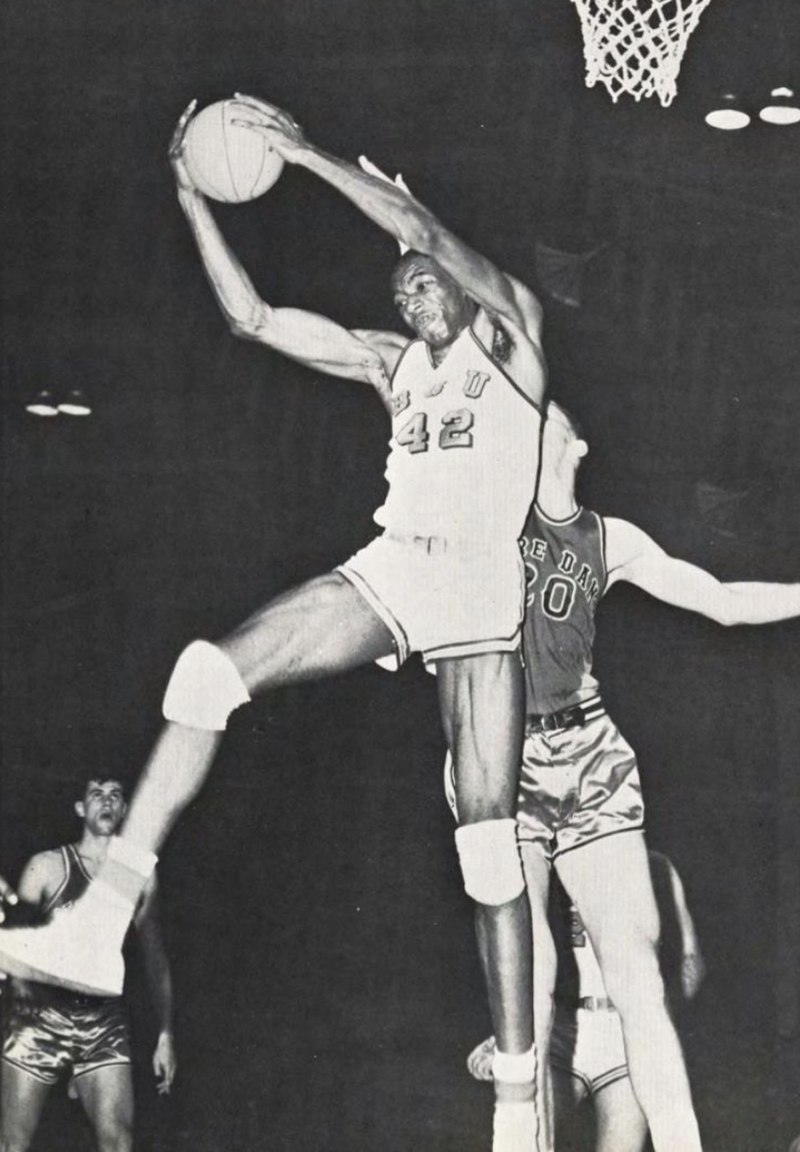
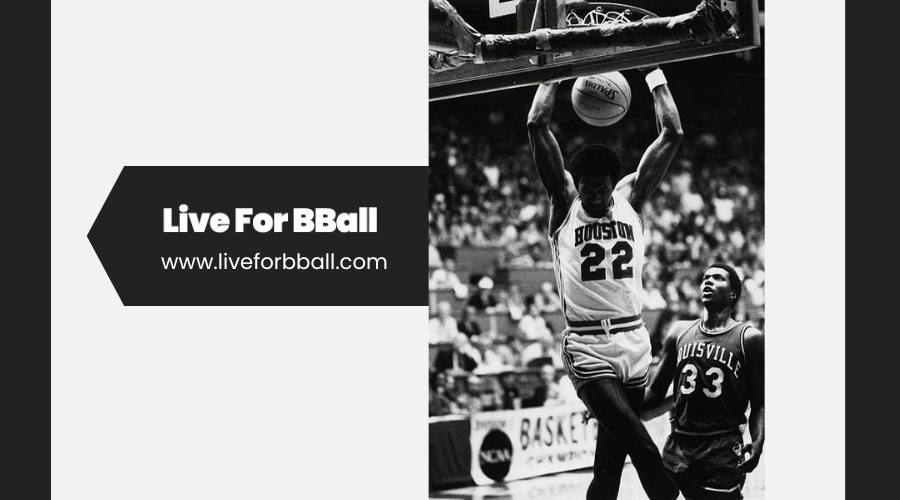
Larry Nance Sr. (#22)
Mark Price (#25)
Brad Daugherty (#43)
Zydrunas Ilgauskas (#11)
Bill Russell (#6)
Other Figures Honored by the Cavaliers
Joe Tait
Nick Gilbert
The Legacy Lives On
Related posts