Denver Nuggets' Retired Numbers: Honoring Mile High Basketball Greats
When you step into Ball Arena in Denver, your eyes can’t help but be drawn to the jerseys hanging in the rafters. Those jerseys represent more than numbers; they’re tributes to players who shaped the history of the Denver Nuggets. Each one tells a story—of grit, leadership, and a connection to the Mile High City that transcends basketball. The Nuggets have honored their most iconic figures by retiring their numbers, cementing their legacies as part of the franchise’s identity.
When we talk about the Nuggets’ retired numbers, we’re talking about five legends: Alex English, Dan Issel, David Thompson, Fat Lever, and Dikembe Mutombo. Each of them brought something unforgettable to the court, shaping what we know as Mile High Basketball. Let’s dive into their stories and why their jerseys will forever hang in Denver’s rafters.
The Tradition of Jersey Retirement
Retiring a jersey is the highest honor a basketball team can bestow. It’s not just about celebrating a player’s stats or awards—it’s about recognizing their impact on the team, the fans, and the city. For the Denver Nuggets, this tradition preserves the history of players who gave everything they had to the game and left a lasting impression on the franchise.
When fans look up at those jerseys, they’re reminded of incredible moments that made them jump out of their seats, moments that turned players into legends. Each retired number represents a chapter in the Nuggets’ journey—a milestone in the team’s evolving story. This tradition is a celebration of basketball at its best.
The Legends in the Rafters
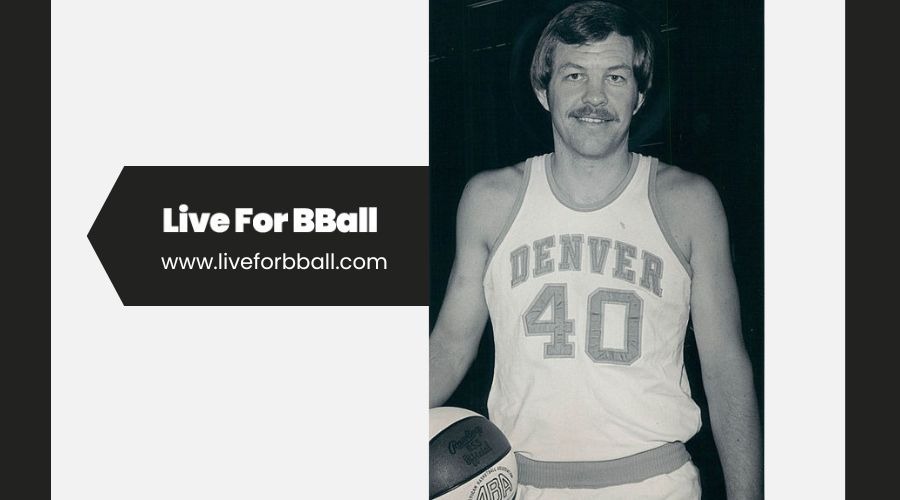
Byron Beck (#40)
Byron Beck was a pioneer for the Denver Nuggets, representing the franchise from its earliest days in the ABA. Known for his relentless rebounding and hustle, Beck was the heart and soul of the team. Over his 10-year career, all spent with Denver, Beck became one of the ABA’s most consistent and reliable players.
Beck’s ability to control the boards was unmatched. He retired as the ABA’s all-time leading rebounder, averaging 11.5 rebounds per game for his career. Beyond his rebounding, Beck’s leadership and commitment to the team set him apart. He played in two ABA All-Star Games and was known for his unwavering dedication, even during the franchise’s challenging early years.
As one of the first players to have his jersey retired by the Nuggets, Beck’s number 40 represents the foundation upon which the team was built. His contributions go beyond statistics; he embodied the grit and determination that defined the Nuggets in their formative years.
Alex English (#2)
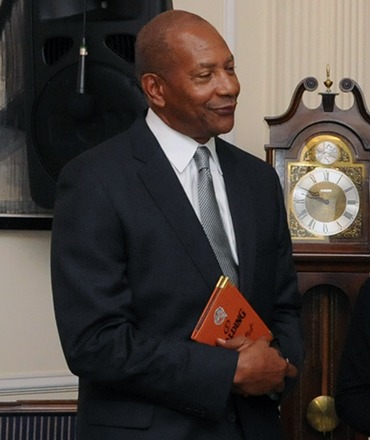
When you think of the Denver Nuggets, Alex English is one of the first names that comes to mind. He wasn’t about flashy moves or showboating; he let his game do the talking. English was smooth, methodical, and unstoppable, using his mid-range jumper to quietly rack up over 21,000 points during his 11 seasons with the Nuggets. That’s more than 25 points per game—consistently, year after year.
English didn’t just put up numbers; he led. With eight All-Star appearances and a scoring title in 1983, he was the centerpiece of Denver’s high-octane offense in the 1980s. Under his leadership, the Nuggets made nine straight playoff appearances. Beyond his on-court achievements, English was known for his humility and dedication to the community.
His jersey in the rafters symbolizes how he embodied what it means to be a Nugget: talented, hardworking, and respected by all.
Dan Issel (#44)
Dan Issel, also known as “The Horse,” was a cornerstone of the Nuggets’ success in the 1970s and 1980s. Issel started his career in the ABA, but when he came to Denver, he brought a relentless work ethic and a knack for scoring that made him indispensable. Whether it was a post-up move or a mid-range jumper, Issel always found a way to get the ball in the hoop.
During his nine seasons with the Nuggets, Issel scored over 16,000 points. He was a leader, especially during the team’s transition from the ABA to the NBA. Later, he even returned as a head coach, helping guide the team through new challenges.
Issel’s jersey reminds fans of his relentless effort and his deep connection to Denver. He wasn’t the flashiest player, but he was one of the toughest, and his contributions laid the foundation for the franchise’s future.
David Thompson (#33)
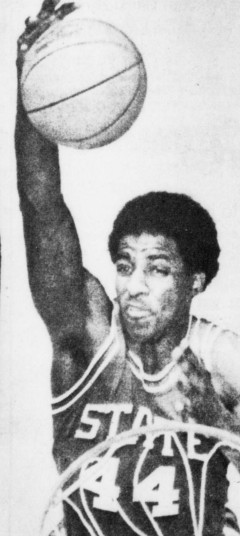
If you’ve ever heard the nickname “Skywalker,” you know it belongs to David Thompson. This guy didn’t just play basketball; he soared above the rim and took your breath away. Watching Thompson in his prime was like watching poetry in motion. He’s best remembered for scoring 73 points in a single game in 1978—a performance that still ranks among the greatest in NBA history.
Thompson wasn’t only about jaw-dropping highlights. He was a four-time All-Star and played a huge role in bridging the Nuggets’ ABA and NBA eras. He brought excitement and hope to the team, energizing both his teammates and the fans in the stands.
Thompson’s jersey represents his ability to inspire, electrify, and show fans what’s possible when talent meets effort.
Fat Lever (#12)
Fat Lever may not be the first name that comes to mind when you think of the greatest Nuggets, but for those who watched him play, he’s unforgettable. Lever was the definition of a do-it-all player. Need points? He’s got you. Need rebounds? He’ll grab them, even over taller players. Need assists? The lever could set up his teammates like a true floor general.
Over six seasons with the Nuggets, Lever averaged an incredible 17 points, 7.6 rebounds, and 7.5 assists per game. He was a two-time All-Star and remains one of the few guards in NBA history to rack up triple-doubles like it was second nature. Lever’s versatility was key during the Nuggets’ deep playoff runs in the 1980s.
Lever’s jersey in the rafters is a tribute to his heart and effort. He played every game like it mattered, earning the respect of fans and teammates alike. His legacy shows that greatness isn’t always flashy—sometimes, it’s about quietly doing whatever it takes to win.
Dikembe Mutombo (#55)
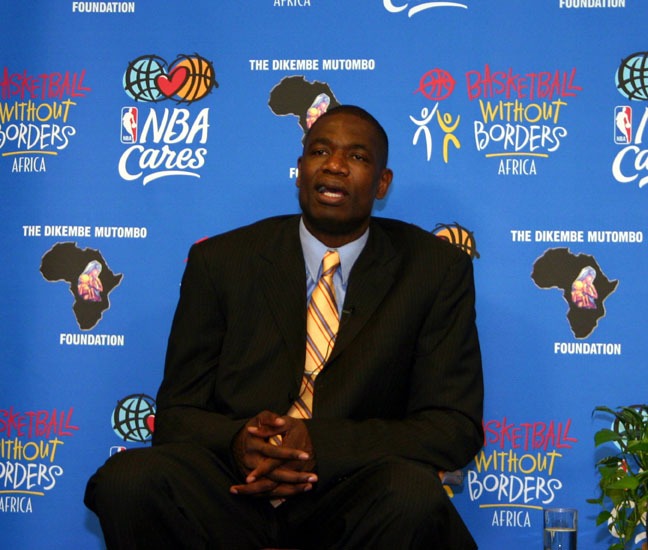
Dikembe Mutombo didn’t just block shots; he changed games. Standing 7-foot-2 with a wingspan that seemed to stretch forever, Mutombo was a defensive force like no other. Opposing players would think twice before driving to the basket because they knew Mutombo would be waiting. And if he blocked their shot, they’d get the signature finger wag that became his trademark.
Mutombo’s time in Denver included two Defensive Player of the Year awards and one of the most iconic moments in NBA history: his emotional celebration after the Nuggets upset the top-seeded Seattle SuperSonics in the 1994 playoffs. That moment defined Mutombo’s career and became a milestone for the Nuggets franchise.
Off the court, Mutombo’s impact has been just as significant. Through his philanthropic work, he’s improved countless lives in his native Democratic Republic of Congo and beyond. His jersey in the rafters is a celebration of his character and the difference he’s made in the world.
The Nuggets’ Journey: From ABA to NBA
The Denver Nuggets didn’t start in the NBA. They began as the Denver Rockets in the ABA, a league known for its flashy style and high-scoring games. When the ABA and NBA merged in 1976, the Nuggets were ready to make their mark. They hit the ground running, reaching the Western Conference Finals in their first NBA season.
The transition wasn’t easy, but the Nuggets embraced their identity as a high-energy, fast-paced team. The players whose jerseys now hang in the rafters played a huge role in bridging that gap between the two leagues. They helped establish Denver as a city that lives and breathes basketball.
Defining Mile High Basketball
What makes the Nuggets unique? It’s their commitment to Mile High Basketball. Playing at altitude isn’t easy for opponents, and the Nuggets have turned it into an advantage. They’ve built their identity around high-energy, fast-paced play that wears out teams not used to the thin air.
Alex English, David Thompson, Fat Lever, and Dikembe Mutombo all embraced this philosophy in their own ways. Whether it was English scoring with ease, Thompson flying above the rim, or Mutombo dominating the paint, these players defined what it means to play Mile High Basketball. Their jerseys remind fans of a style of play that’s as much a part of Denver as the Rocky Mountains.
Beyond the Court
The players whose jerseys are retired didn’t only shine on the court; they made a difference off it, too. Dikembe Mutombo’s humanitarian work is well-known, but players like Alex English and Fat Lever also left their mark through charity and community involvement. These players understood that being a Nugget is about more than winning games—it’s about inspiring people.
Their legacies are a reminder that greatness goes beyond basketball. It’s about character, leadership, and making a positive impact wherever you go. The jerseys in Ball Arena symbolize not just what these players achieved, but also the values they represented.
Conclusion
The Denver Nuggets’ retired jerseys tell a story of perseverance, talent, and heart. From Alex English’s scoring brilliance to Dikembe Mutombo’s defensive dominance, these players have shaped the franchise’s identity and inspired generations of fans. Their jerseys aren’t just decorations; they’re reminders of the passion and commitment that define Mile High Basketball.
Next time you’re at Ball Arena, take a moment to look up. Those jerseys aren’t just numbers. They’re legacies—reminders of the players who gave everything they had to the game and left a lasting impact on the Denver Nuggets and their fans.