Everything You Need to Know About Walking Shoes
Walking is one of the simplest and most effective forms of exercise. It’s low-impact, easy to start, and requires very little equipment. But if there’s one thing you should invest in for a better walking experience, it’s a good pair of walking shoes. Your feet take the brunt of every step you take, so making sure they’re properly supported and comfortable is key. This guide will walk you through everything you need to know about choosing, fitting, and maintaining the perfect walking shoes.
The Basics of Foot Anatomy and Walking Mechanics

Before diving into shoe options, it helps to understand your feet and how they work during walking. Your feet are made up of 26 bones, numerous joints, and ligaments, all working together to support your weight and propel you forward. Key areas to consider when picking walking shoes include:
- Arches: The arch of your foot helps absorb shock and distribute your weight. Arches can be high, low (flat feet), or neutral, and each type benefits from different levels of support.
- Heels and toes: Your heel strikes the ground first when you walk, followed by a rolling motion through the ball of your foot and toes. This motion highlights the need for both cushioning and flexibility in your walking shoes.
- Plantar fascia: This band of tissue along the bottom of your foot connects your heel to your toes and provides support. Shoes that lack cushioning or support can strain this area, leading to discomfort or plantar fasciitis.
Understanding your foot type and how your feet move will guide you in selecting the right walking shoes for your needs.
Types of Walking Shoes

Different walking activities call for different types of shoes. While some shoes can work across multiple surfaces, choosing the right type for your usual walking environment can make all the difference.
1. Road-Running Shoes
If you mostly walk on paved surfaces like sidewalks, roads, or indoor tracks, road-running shoes are a great choice. These shoes are designed to provide cushioning and absorb impact on hard surfaces, making them ideal for urban walks or fitness walking. They’re lightweight, comfortable, and versatile, perfect for both casual strolls and brisk walking sessions.
2. Hiking Shoes
For those who prefer unpaved trails, urban parks, or gravel paths, hiking shoes are a better fit. They’re built to handle uneven terrain and provide excellent arch support and stability. Their durable outsoles ensure better grip, preventing slips on dirt paths or cobblestone streets.
3. Trail-Running Shoes
Trail-running shoes are the go-to for rugged terrains with rocks, mud, or steep inclines. These shoes prioritize durability, traction, and stability, offering extra protection against the elements. They’re a fantastic option if you’re into nature walks or hiking trails with rough, unpredictable surfaces.
When choosing your walking shoes, think about where you’ll be walking most often. The right pair will provide the necessary combination of support, traction, and comfort for your specific needs.
Essential Features of Walking Shoes
What makes a great walking shoe? It’s all about the features. Here are the key components to look for:
- Cushioning: Good walking shoes should provide adequate cushioning to absorb shock and reduce stress on your feet and joints. Look for shoes with foam or gel midsoles for a smooth ride.
- Arch Support: Proper arch support helps align your feet and prevent discomfort, especially for those with flat feet or high arches. Some shoes offer customizable insoles to fit your arch type better.
- Flexible Sole: Walking shoes should bend naturally at the ball of your foot, allowing for a smooth, natural stride. Avoid shoes that are too stiff or overly flexible.
- Toe Box Fit: Your toes need room to move and spread naturally. Look for shoes with a wide enough toe box to prevent pinching or pressure.
- Breathable Materials: Walking generates heat and moisture, so breathable uppers made from mesh or synthetic fabrics are essential for keeping your feet cool and dry.
- Durable Outsole: A good outsole provides traction and resists wear. Check for rubber soles with grooves or patterns for grip on different surfaces.
Understanding these features will help you pick shoes that keep your feet happy during walks.
Finding the Perfect Fit
Even the best walking shoes won’t do their job if they don’t fit properly. Here are some tips to ensure you find the perfect fit:
- Shop in the Afternoon: Feet tend to swell throughout the day, so it’s best to try on shoes in the afternoon or evening when your feet are at their largest.
- Wear Walking Socks: Bring the socks you plan to wear while walking. This ensures the fit accounts for sock thickness.
- Test the Fit: Walk around the store to assess how the shoes feel. The heel should fit snugly without slipping, while the toe box should allow your toes to move freely.
- Consider Your Foot Shape: People with wide feet, flat arches, or other unique foot shapes may need specific designs. Brands often offer wide or narrow versions of their popular models.
- Factor in Foot Conditions: If you have bunions, plantar fasciitis, or other foot issues, look for shoes designed to address those conditions, like extra cushioning or wide-toe boxes.
Addressing Common Foot Problems with Walking Shoes
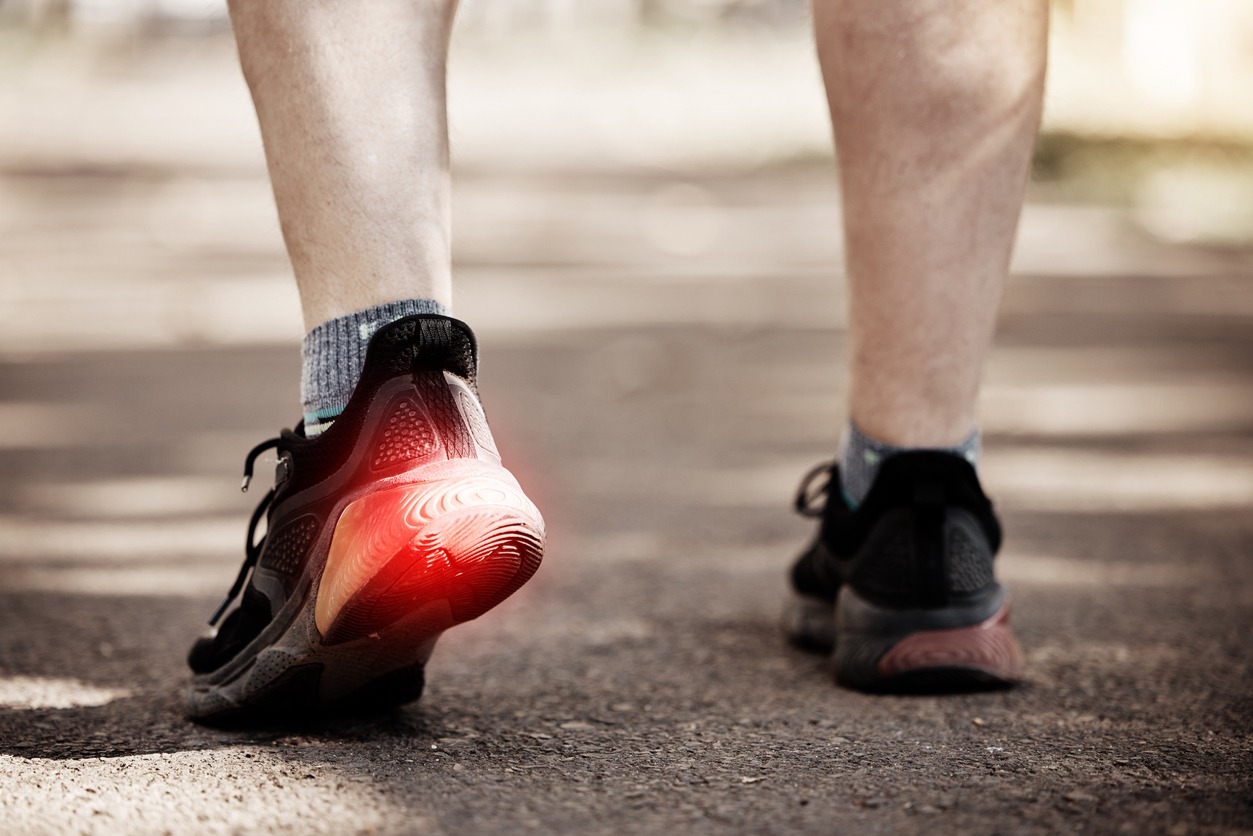
The right pair of walking shoes can alleviate or prevent common foot problems. Here’s how:
- Plantar Fasciitis: Shoes with firm arch support and cushioned heels reduce stress on the plantar fascia, easing heel pain.
- Bunions and Hammertoes: A wide toe box prevents pressure on these sensitive areas, reducing discomfort and irritation.
- Overpronation or Flat Feet: Stability shoes or those with motion control features help guide your foot through a proper gait cycle.
- Diabetic Nerve Pain: Shoes with extra depth and superior cushioning minimize pressure on sensitive areas, promoting comfort and circulation.
When in doubt, talk to a podiatrist or a knowledgeable store associate who can recommend shoes based on your specific needs.
Popular Walking Shoe Brands and Recommendations
There are many great brands to choose from, each offering unique features to cater to different needs:
- Brooks: Known for stability-focused designs like the Adrenaline GTS, which offers excellent motion control.
- Asics: Their Gel-Kayano line provides superior shock absorption and arch support.
- New Balance: The Fresh Foam collection delivers responsive cushioning and versatile options for various foot types.
- Saucony: Lightweight designs like the Ride ISO are ideal for natural, unrestricted movement.
Each brand has strengths, so consider your walking habits and foot shape when selecting a pair.
Budgeting, Value, and Shoe Maintenance

Walking shoes come in a range of prices, but the key is finding the best value for your needs. Here’s a breakdown:
- Budget ($50-$75): Great for casual walkers. Basic cushioning and support.
- Mid-Range ($80-$120): Offers better durability, stability, and comfort. Ideal for regular walkers.
- Premium ($120+): Advanced features for serious walkers or those with specific foot needs.
To make your shoes last longer:
- Clean them regularly to prevent dirt buildup.
- Air them out after use to avoid odor and moisture damage.
- Store them in a cool, dry place away from direct sunlight.
Stability and Support Factors
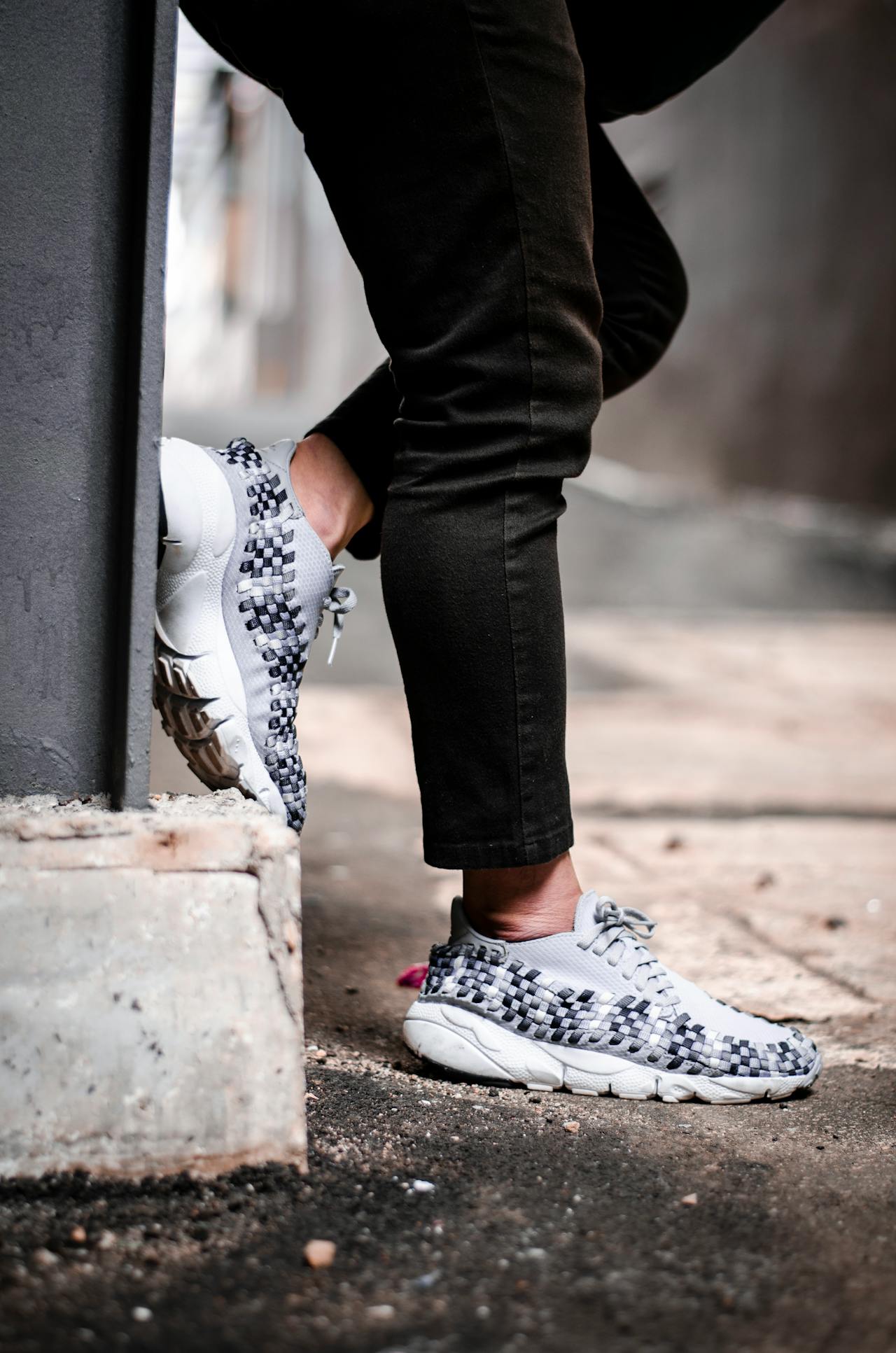
Stability and support are essential for preventing injuries and maintaining proper walking form. Look for shoes with:
- Moderate resistance to twisting for better alignment.
- Even cushioning for balanced support.
- Features like medial posting for overpronation control.
Be cautious with unconventional designs like rocker soles, which may not suit all walking styles. If you’re unsure, consult a physical therapist or shoe expert.
When to Replace Walking Shoes
Even the best walking shoes wear out over time. Here’s when to replace them:
- Mileage: After 300-500 miles of use, shoes lose cushioning and support.
- Wear Patterns: Check for flattened midsoles, worn-out soles, or uneven wear.
- Pain or Discomfort: If your feet, legs, or back start to hurt, it’s time for a new pair.
Replacing your shoes regularly prevents injuries and keeps your walks enjoyable.
Shopping and Selection Tips
To make your shopping experience smoother:
- Visit Specialty Stores: They’ll have knowledgeable staff and a better selection.
- Focus on Comfort: Don’t get too caught up in technical features. Comfort is king.
- Test Both Shoes: Walk around in both shoes to ensure they’re equally comfortable.
Conclusion
Investing in the right walking shoes is an investment in your health and happiness. By understanding your foot anatomy, selecting the right features, and prioritizing a good fit, you’ll set yourself up for many comfortable and enjoyable walks. So, step into comfort and take the first stride toward better foot health today!