How Popular Is Basketball in China?
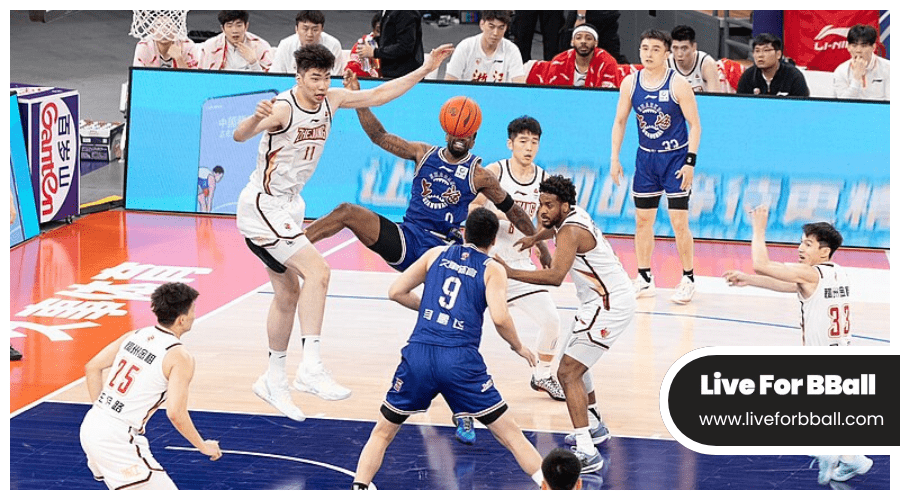
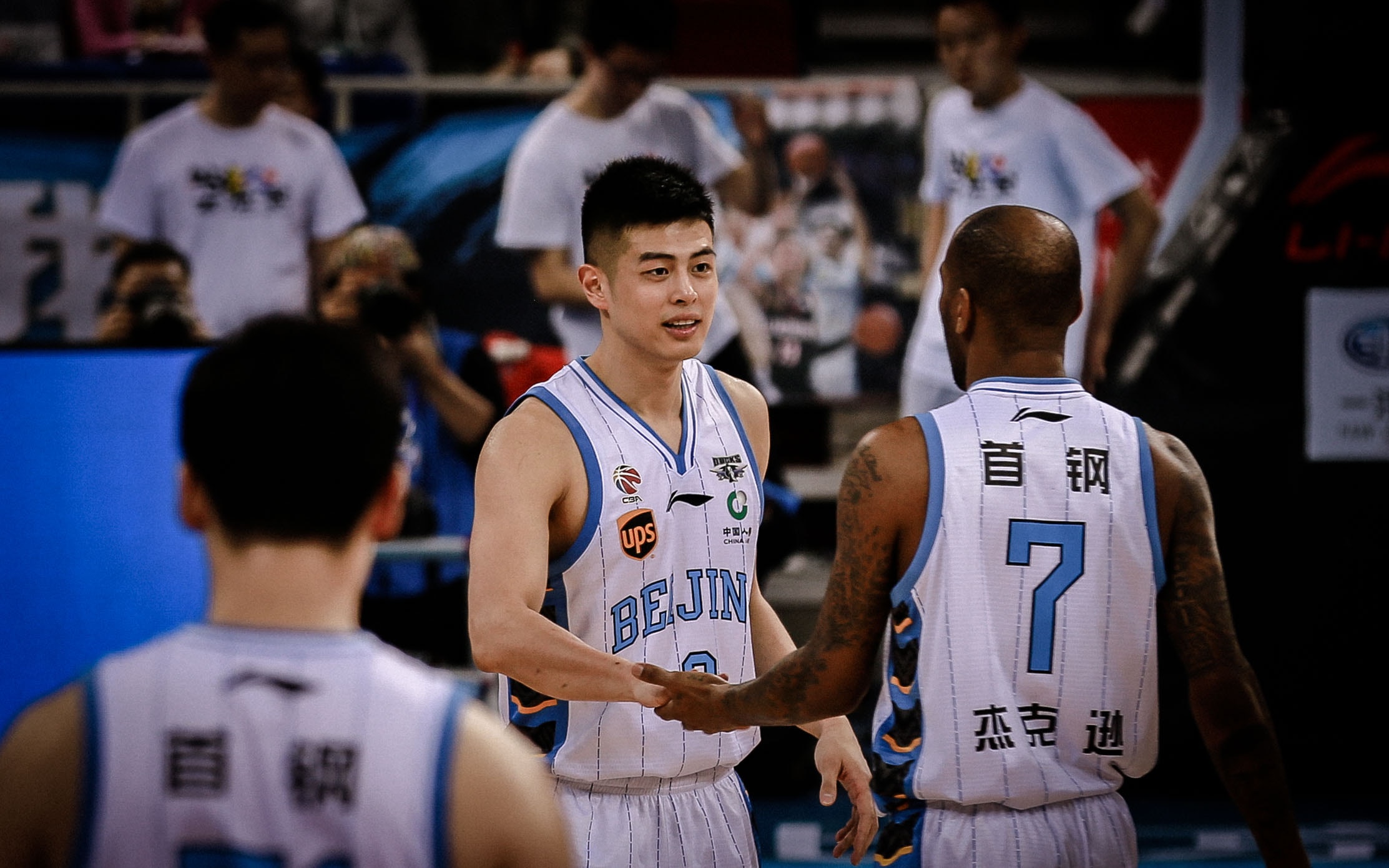
Basketball has become a deeply embedded cultural cornerstone in China, boasting around 600 million fans and 300 million active players. The Chinese Basketball Association (CBA) stands as one of the top professional leagues globally, fueled by both domestic talent and international stars like Yao Ming. But what factors have cemented basketball's status as China's favorite sport? And what challenges lie ahead for its continued growth? Let's delve into these aspects further.
History and Development
Basketball, invented in the U.S. in 1891, was introduced to China in 1895 via YMCA missionaries. The sport quickly spread across major cities, becoming an integral part of Chinese culture. By 1935, basketball was officially recognized as one of China's national sports, alongside ping pong, highlighting its growing significance.
The Chinese men's national basketball team emerged as a regional powerhouse, winning 16 FIBA Asia Cup titles from 1975 to 2005. This success underscored the sport's competitiveness and increasing popularity in China. After the establishment of the People's Republic of China in 1949, basketball also served as a diplomatic tool, helping China gain international recognition.
In 1995, the formation of the Chinese Basketball Association (CBA) formalized professional basketball in China, playing a crucial role in the sport's development and sustained popularity. Icons like Yao Ming have further connected Chinese basketball with the NBA, boosting the sport's global appeal and cementing its place in Chinese sports culture.
NBA's Influence
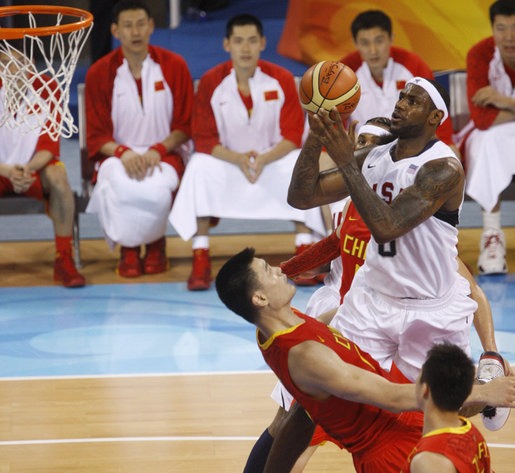
The NBA's influence in China began with its initial exhibition games in 1979, laying the groundwork for basketball's growing popularity. Yao Ming's entry into the NBA in 2002 significantly boosted this interest, turning him into a national icon and increasing viewership. Today, NBA China operates as a billion-dollar enterprise, highlighting the league's strong connection with Chinese fans.
First NBA Team Visit
The Washington Bullets' historic visit to China in 1979 marked the NBA's initial entry into the Chinese market, catalyzing a transformation in the country's basketball landscape. As the first NBA team to visit China, the Washington Bullets played a pivotal role in promoting basketball and fostering cultural exchange between the two nations. Their exhibition games introduced Chinese fans to NBA-style basketball, laying the groundwork for the sport's eventual surge in popularity.
Here's a snapshot of this significant moment:
| Event | Year | Impact | Long-term Effect |
|---|---|---|---|
| Washington Bullets Visit | 1979 | First NBA team in China, played exhibition games | Sparked interest in NBA-style basketball |
| CCTV Broadcasts | 1980s | Free NBA game broadcasts in China | Enhanced basketball's popularity |
| Basketball Camps | Ongoing | Established NBA camps in China | Developed young talents and furthered interest |
| Fan Growth | 2021 | Estimated 600 million basketball fans | Solidified basketball as a major sport |
In the 1980s, free broadcasts of NBA games on CCTV further fueled basketball's popularity in China. The NBA's ongoing outreach, including the establishment of basketball camps, helped cultivate a passionate fanbase, estimated at 600 million by 2021. The Washington Bullets' visit wasn't just about games; it was about planting the seeds for a basketball revolution in China.
Yao Ming's Impact
How did Yao Ming revolutionize basketball in China? When Yao Ming was drafted by the Houston Rockets in 2002 as the first international player to be selected number one overall, he didn't just join the NBA; he ignited a basketball revolution in China. His towering presence on the court attracted an estimated 200 million viewers for televised NBA games, skyrocketing the sport's popularity to new heights.
Yao Ming's influence extended beyond viewership. He became a cultural icon and a global ambassador, bridging the gap between American and Chinese basketball cultures. His induction into the Naismith Memorial Basketball Hall of Fame in 2016 cemented his legacy, underscoring his monumental impact on the sport.
- His presence in the NBA drew millions of Chinese viewers, showcasing the nation's growing interest in basketball.
- As president of the Chinese Basketball Association (CBA), Yao worked to elevate the league's standards and further promote the sport in China.
- His Hall of Fame induction highlighted his global influence and lasting contributions to the growth of basketball.
Through these efforts, Yao Ming has ensured that basketball remains a beloved and ever-growing sport in China, making him a true legend of the game.
NBA China Operations
NBA China has become a cornerstone in the league's global strategy, deeply embedding basketball into the fabric of Chinese culture. Established in January 2008 to manage NBA operations in Greater China, NBA China is valued at over $4 billion. The league's connection with Chinese fans dates back to 1979 when the Washington Bullets became the first NBA team to visit China. However, it was Yao Ming's drafting by the Houston Rockets in 2002 that significantly enhanced the NBA's popularity in China.
Yao Ming wasn't just a player; he was a cultural bridge, attracting millions of Chinese fans to the NBA. Following Yao's success, Yi Jianlian's entry into the NBA in 2007 further solidified this connection. Televised games during this period attracted around 200 million viewers, illustrating the massive appeal of basketball in China.
Despite facing political tensions in 2019 that led to a temporary suspension of NBA broadcasts, the league successfully resumed operations and regained viewership by 2021. This resilience showcases the deep-rooted passion Chinese fans have for the NBA. Through strategic NBA operations, the league has not only endured but flourished, making basketball a beloved pastime in China.
Achievements and Recognition
View this post on Instagram
You can't discuss the popularity of basketball in China without mentioning its impressive achievements and recognition. The Chinese men's national team has claimed 16 FIBA Asia Cup titles, while the women's team secured the country's first Olympic basketball medal in 1984. Additionally, hosting the 2019 FIBA Basketball World Cup underscores China's significant presence in the sport. The Chinese men's national basketball team has consistently dominated the FIBA Asia Cup, securing 16 titles between 1975 and 2005, highlighting their regional supremacy. This dominance has been instrumental in establishing basketball as a national sport in China, inspiring countless fans and aspiring athletes. The women's national team also made history by winning China's first Olympic basketball medal in 1984, further elevating the sport's profile. China's consistent performance in FIBA Asia Cup tournaments has fostered a strong basketball culture within the country. These achievements have bolstered national pride and solidified basketball as a leading spectator sport. The impact is evident in several ways: China has frequently made headlines with its Olympic basketball achievements, starting with the Chinese women's national team securing a historic silver medal at the 1984 Los Angeles Olympics. This milestone marked China's initial Olympic medal in basketball, greatly enhancing the sport's popularity within the country. The success of the Chinese national team wasn't limited to the women's side; the men's team also made waves by winning 16 FIBA Asia Cup titles between 1975 and 2005. Yao Ming, one of the most recognizable names in Chinese basketball, further raised the sport's global impact. His induction into the Naismith Memorial Basketball Hall of Fame in 2016 reflected his influence and achievements. Yao's presence in the NBA, along with the participation of other Chinese nationals, has played a vital role in popularizing basketball in China. Hosting the 2019 FIBA Basketball World Cup showcased China's ability to stage international basketball events, solidifying its status in the global arena. These achievements have collectively contributed to the growing popularity and recognition of basketball in China, making it a notable part of the country's sporting culture. Navigating the popularity of basketball in China comes with its share of challenges and controversies. In 2019, the NBA faced significant backlash after Daryl Morey, then General Manager of the Houston Rockets, tweeted in support of the Hong Kong protests. This led to the suspension of NBA broadcasts in China, resulting in estimated losses of up to $400 million. The Chinese Basketball Association also suspended cooperation with the Houston Rockets, highlighting how political issues can profoundly impact sports diplomacy and broadcasting rights. Additionally, incidents of violence during basketball events have posed significant challenges. Notable examples include: These events prompted the Chinese Basketball Association (CBA) to implement suspensions and mandatory sportsmanship classes to address the issue. The NBA's operations in China must navigate these complexities, balancing the appeal of a vast audience with the risk of political controversies. Despite the suspension of broadcasts in 2019, there was a recovery in 2021, demonstrating resilience. These controversies have sparked discussions on balancing sports diplomacy and political expression, affecting the NBA's relationship with its Chinese audience. Founded in 1995, the Chinese Basketball Association (CBA) is Asia's premier professional basketball league, featuring 20 teams divided into Northern and Southern Divisions. The CBA has gained immense popularity, with millions of fans watching games, partly due to the inclusion of international players and the league's competitive nature. The CBA has been instrumental in developing basketball talent in China, producing stars such as Yao Ming and Mengke Bateer, who have significantly contributed to the sport's growth in the country. Established in 2002, the Women's Chinese Basketball Association (WCBA) has also played a crucial role in enhancing the sport's visibility and growth among female athletes in China. Both leagues have fostered international collaborations, thereby elevating the level of competition and increasing viewership. Basketball's roots in China trace back to 1895 when YMCA missionaries introduced the sport, and it has since evolved into a cultural cornerstone. Officially designated as one of China's national sports in 1935, basketball symbolizes values such as hard work, unity, and patriotism. Key cultural influences include: Basketball's impact is evident in everyday life, from local courts teeming with activity to national pride during international tournaments. The sport resonates with the nation's narratives and aspirations, binding fans and players in a shared sense of community and values. In China, basketball isn't just played; it's celebrated as a tribute to dedication and unity. With a staggering fan base of 600 million people, basketball has solidified its position as the number one spectator sport in China. The sport's popularity extends beyond just watching games; approximately 300 million people actively play basketball, nearly matching the entire population of the United States. This widespread participation underscores basketball's deep integration into Chinese culture. The Chinese Basketball Association (CBA) has been pivotal in this phenomenon. Ranking among the top five professional leagues globally, the CBA has experienced significant growth in viewership and participation. The league's appeal is bolstered by international stars like Stephon Marbury, whose presence has elevated the level of play and attracted more fans to the sport. Basketball also thrives in urban areas through a vibrant street basketball culture. Spontaneous games and community events highlight the sport's integration into daily life for many. Additionally, the NBA's influence is substantial, further amplifying basketball's popularity and blending international elements with local enthusiasm. In summary, basketball in China is thriving.FIBA Asia Cup Dominance
Olympic Medal Milestones
Challenges and Controversies
Basketball Leagues
League Founded Teams Notable Figures Contributions CBA 1995 20 Yao Ming, Mengke Bateer Talent development, attracts international players WCBA 2002 18 Li Meng, Shao Ting Enhances visibility of women's basketball Cultural Impact
Current State