How Should Women’s Basketball Shoes Fit?

Basketball is a game of agility, power, and precision. Whether you’re driving to the basket, pivoting to pass, or jumping for a rebound, your shoes play a crucial role in how you perform. It’s not just about aesthetics or brand loyalty—a properly fitted basketball shoe is the foundation of a great game. The right fit enhances your performance, keeps you comfortable, and helps prevent injuries. Here’s an in-depth guide to finding basketball shoes that fit perfectly and keep you at the top of your game.
Key Elements of a Proper Fit
The best basketball shoes offer a secure, comfortable fit without compromising performance. To understand what a proper fit looks and feels like, consider the following:
- Midfoot and Heel Snugness
- Your midfoot and heel should feel secure in the shoe. A snug fit in these areas provides stability and prevents your foot from sliding during quick stops or sharp turns. This is essential because even a slight movement inside the shoe can throw off your balance.
- Look for shoes with a reinforced midfoot structure or lockdown straps that enhance stability. Brands like Nike and Adidas often incorporate Flywire cables or similar technologies for added support.
- Thumb’s Width of Space
- The toe box should leave about a thumb’s width of space between your longest toe and the end of the shoe. This prevents your toes from jamming during high-impact moves like jumping or abrupt stops. Too little space can lead to bruised toenails or blisters, while too much space can cause your foot to shift, reducing control.
- Trying Shoes at the Right Time
- Your feet naturally swell during the day, so trying on basketball shoes in the evening mimics the conditions they’ll face during a game. This ensures you don’t accidentally buy shoes that feel great in the morning but end up too tight when your feet are at their largest.
- Socks Matter
- The thickness of your socks can significantly impact how a shoe fits. Always wear the socks you plan to use during games when trying on basketball shoes. If you prefer compression socks, keep that in mind, as they’re thinner than standard athletic socks.
Checklist for Trying On Shoes

Trying on basketball shoes isn’t a casual activity—it’s an essential part of ensuring the right fit. Use this checklist to guide your fitting process:
- Wear Game Socks: Regular socks or no socks will throw off the fit. Stick to what you’ll wear during games.
- Try Both Shoes: Many people have one foot slightly larger than the other. Always test both shoes and sizes based on the larger foot.
- Walk, Jog, and Pivot: Don’t just stand there. Mimic basketball movements like jumping, cutting, and shuffling to ensure the shoes perform well in action.
- Check for Pinching or Slipping: Pay attention to areas like the heel and toe box. Slipping can cause blisters while pinching leads to discomfort and reduced blood flow.
- Ankle Collar Test: The collar should feel secure but not restrictive. Flex your ankle to ensure it moves comfortably without excessive rubbing.
Finding Your Perfect Shoe Size
Basketball shoes aren’t one-size-fits-all, and sizing can vary by brand. Here’s how to nail the perfect size:
- Measure Your Feet
- Professional measurements are ideal, but you can measure your feet at home by tracing them on paper. Measure the length and width to compare with sizing charts for different brands.
- Understand Sizing Variations
- Basketball shoes often run larger than casual footwear. For example, a size 8 in your everyday sneakers might translate to a size 7 in basketball shoes. Always consult brand-specific size guides.
- Test the Fit
- When trying on shoes, check for space in the toe box, heel security, and midfoot snugness. Different brands may have slightly different fits—Nike, for instance, is known for narrow builds, while brands like Under Armour often accommodate wider feet.
Upper Material and Support Features
The materials and design of a shoe’s upper can make or break its performance. Here’s what to consider:
- Breathable and Lightweight Materials
- Mesh uppers are popular because they’re lightweight and breathable, keeping your feet cool during intense games. Synthetic leather, while less breathable, offers durability and structure, making it ideal for players who need extra support.
- Reinforced Areas
- Many basketball shoes have overlays or reinforcements in high-stress areas like the toe box and lateral sides. These features enhance durability and protect your feet during aggressive lateral movements.
- High-Tops vs. Low-Tops
- High-tops offer maximum ankle support, making them a great choice for players prone to ankle injuries. Low-tops, on the other hand, provide more freedom of movement, which is beneficial for guards and players who rely on speed. Mid-tops strike a balance between the two, offering moderate support without restricting mobility.
- Ankle Collar Design
- A padded ankle collar provides comfort and stability. Ensure the collar wraps snugly around your ankle without causing irritation.
Proper Ankle Protection
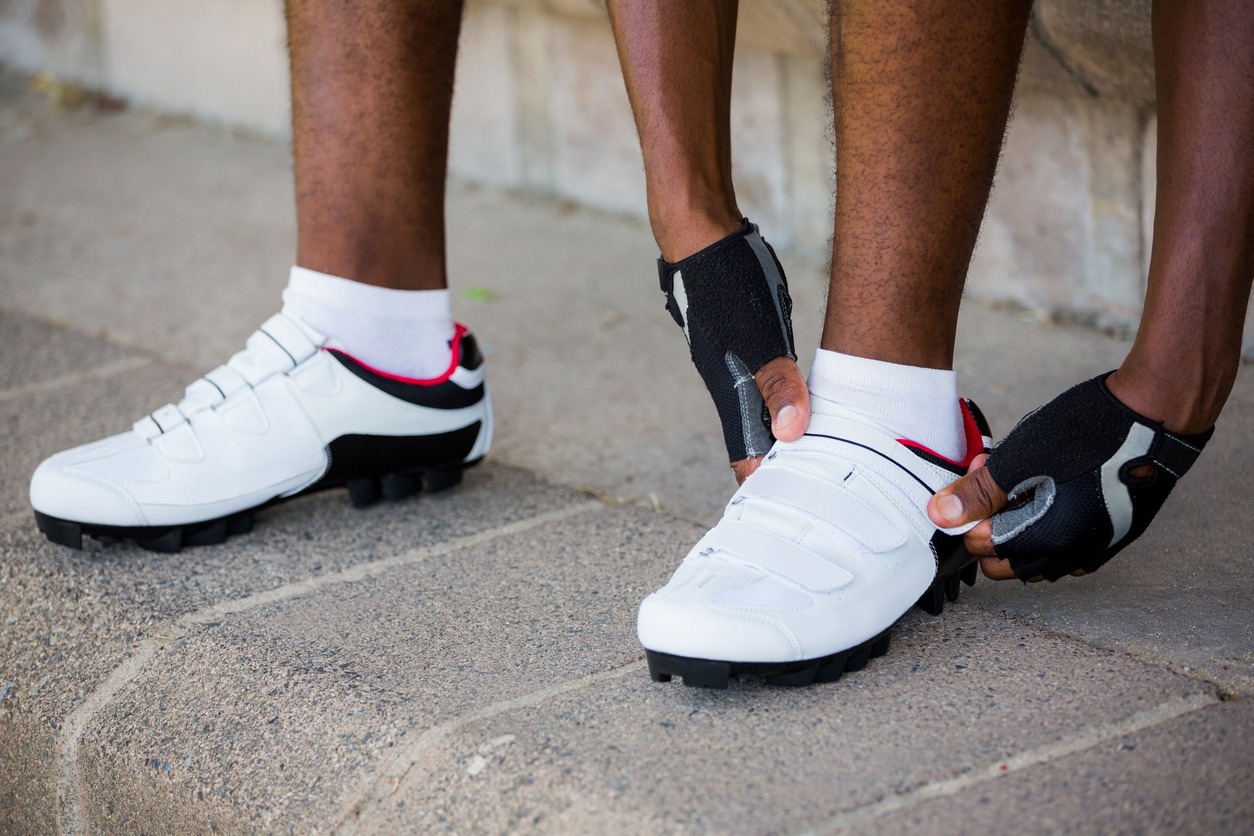
Basketball puts a lot of stress on your ankles, so choosing shoes with proper ankle support is non-negotiable.
- Why Ankle Stability Matters
- Quick directional changes and lateral movements increase the risk of sprains. Shoes with high-top designs or reinforced ankle collars reduce this risk significantly.
- How to Test Ankle Support
- When trying on shoes, flex your ankle forward and sideways. A good shoe will limit excessive side-to-side motion while allowing natural forward movement.
- For Players Who Prefer Low-Tops
- If you favor low-tops for their lighter weight, consider pairing them with ankle braces for added protection.
Cushioning and Impact Absorption
View this post on Instagram
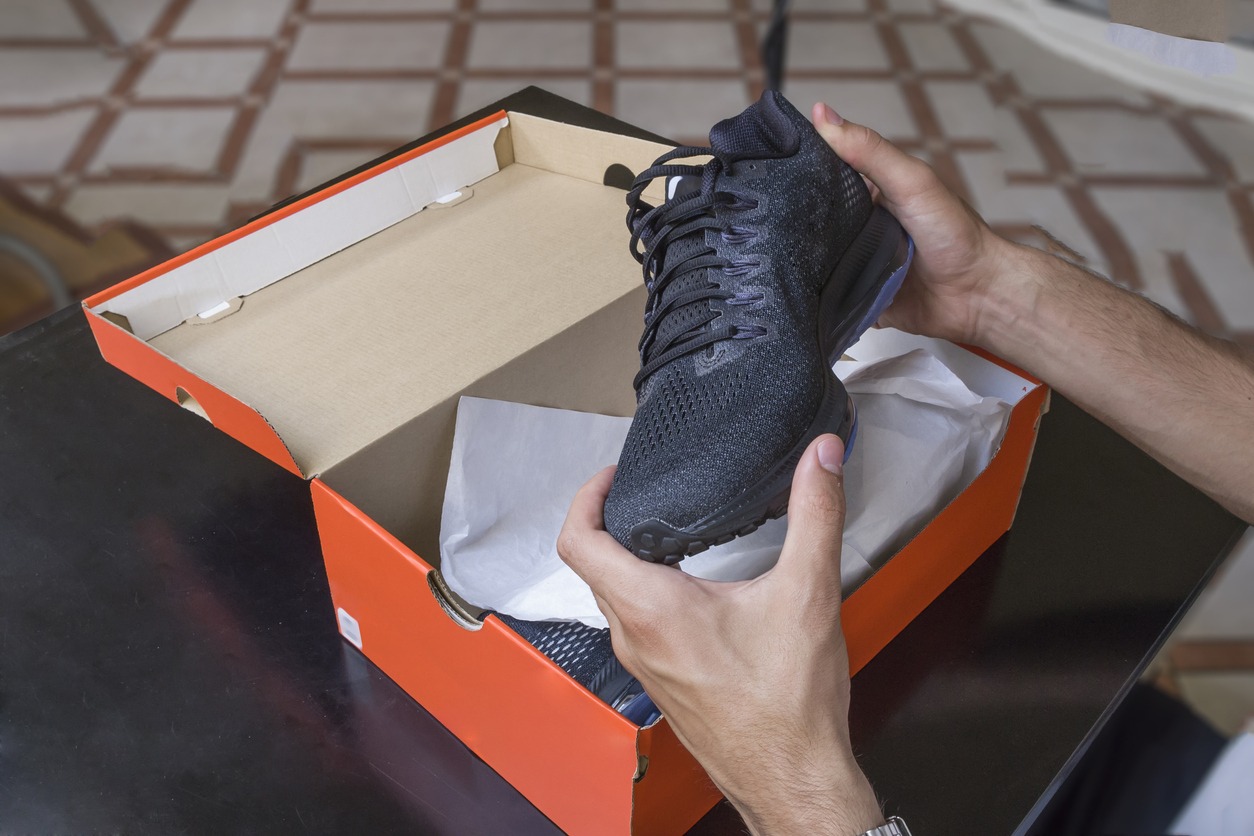
Basketball involves constant jumping, running, and landing, all of which can be hard on your joints. Proper cushioning minimizes the impact on your body. The toe box is often overlooked, but it’s one of the most important aspects of a basketball shoe. Traction keeps you stable during quick cuts, pivots, and sprints. The outsole design directly impacts grip. Avoid these errors to make the most of your investment: Even the best basketball shoes wear out over time. Replace them when: Your basketball shoes are more than just an accessory—they’re your most important gear. A properly fitted shoe boosts your performance, keeps you comfortable, and helps prevent injuries. Take the time to find the right pair, and you’ll feel the difference every time you step on the court. Happy hooping!Toe Box Comfort Requirements
Traction and Grip Performance
Common Mistakes When Choosing Basketball Shoes
FAQs
When to Replace Your Basketball Shoes
Conclusion