How Third-Party Companies Test and Review Basketball Shoes
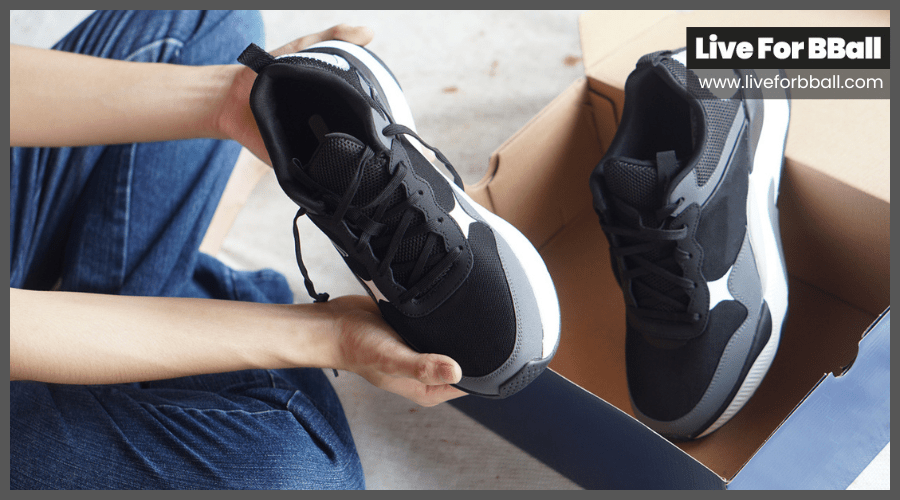
Basketball players know the importance of the right pair of shoes. Whether you're sprinting down the court, making sharp cuts, or leaping for a dunk, your shoes are your foundation. But how do you know if a pair lives up to the hype? That’s where third-party testing companies come in. These organizations go beyond marketing claims and glossy ads to give you real, science-backed insights into how basketball shoes perform. Let’s break down how they do it.
How Testing Begins in the Lab
The first step in testing basketball shoes happens in controlled laboratory settings. Testing facilities use advanced equipment to measure everything from cushioning to traction. This is where science geeks and sneakerheads unite to dissect every little detail of a shoe’s performance.
Understanding Cushioning Performance
When you’re pounding the court, cushioning can make or break your game. Testing labs use specialized machines to compress the midsoles of basketball shoes repeatedly. These machines measure how well the shoes absorb shock and how much energy they return with each step. The results help determine if the cushioning can keep your feet comfortable and responsive throughout a game—or if it’ll leave you with aching joints.
But it’s not just about numbers. Testers also consider the feel of the cushioning. Is it too soft, making you sink in too much and lose speed? Or is it too firm, failing to provide enough impact protection? The balance of these factors is what determines whether the cushioning is suited for guards making quick moves or big men needing extra support.
The Role of Traction in Performance
Slipping during a game? That’s a nightmare no player wants. To evaluate traction, labs use devices that measure the coefficient of friction between a shoe’s outsole and various court surfaces. These tests mimic real-game conditions, including sudden stops, quick starts, and sharp directional changes. Shoes with poor traction won’t pass this rigorous assessment.
Testers also look at the outsole patterns, often referred to as tread designs. Different patterns are tested for their ability to channel dust and maintain grip. For indoor courts, a tighter pattern might perform better, while outdoor players might benefit from deeper grooves to handle rougher surfaces.
Why Durability Testing Matters
Basketball shoes endure a beating, so durability testing is essential. Labs simulate wear and tear using mechanical equipment that flexes, scrapes, and impacts the shoe’s materials. This process predicts how long the shoes will last before showing signs of wear. For players, this means knowing whether a pair will survive a season of intense play or need replacing after a few games.
Testers often look at high-stress areas like the toe box, outsole edges, and upper materials. If a shoe’s materials start fraying or detaching after a few simulated games, that’s a red flag. Advanced testing even includes UV exposure to see how outdoor shoes hold up under sunlight over time.
How Motion Capture Systems Help
Advanced motion capture systems analyze how your feet and legs move in different shoe designs. These systems track movement during basketball-specific actions like cutting, jumping, and landing. By doing this, testers can identify which shoes support natural biomechanics and which might put unnecessary strain on your body.
Motion capture data also helps brands refine their designs. If testers notice players overpronating or experiencing instability in a particular area, they’ll relay this feedback to manufacturers. This ensures future iterations of the shoe address these issues.
Taking the Test to the Court
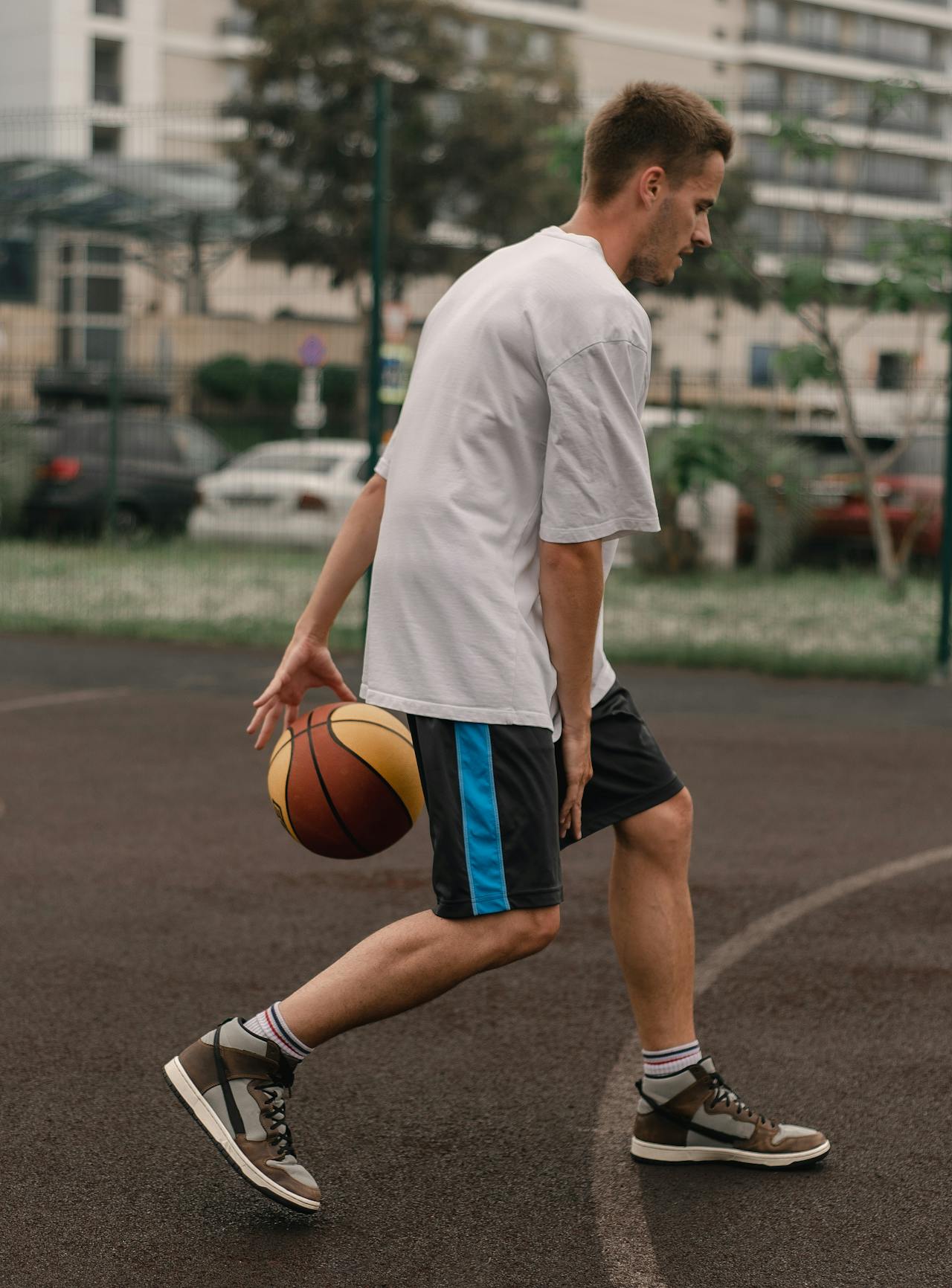
Lab tests are essential, but they’re only part of the story. Real-world performance testing answers the most important question: How do these shoes feel and perform on the court?
Replicating Game Scenarios
Testers wear the shoes during drills, pickup games, and full-on matches. They evaluate how well the shoes perform during sprints, pivots, and jumps on both indoor hardwood and outdoor concrete courts. This hands-on approach reveals how the shoes respond in real-life scenarios.
Real-world testing also factors in the conditions of the court. For example, testers will try the shoes on a dusty indoor surface to see if the traction holds up or if the outsole struggles to grip. Outdoor courts introduce additional variables like uneven surfaces, adding another layer of scrutiny to the testing process.
Testing Across Player Profiles
Every player’s style and build are different, so companies test shoes with a diverse group of players. From guards who rely on quick cuts to centers who need support during powerful post moves, these testers provide feedback that’s as varied as the game itself.
Beyond physical build, testers also vary in skill level. A beginner might focus more on comfort and ease of movement, while an experienced player might zero in on technical aspects like responsiveness and court feel. This diversity ensures the shoes cater to a broad audience.
Feedback That Covers It All
Real-world testers provide both objective metrics and subjective opinions. They’ll note how comfortable the shoes feel during extended play, how effective the traction is across surfaces, and whether the cushioning holds up after hours of wear. This combination of data and personal insight offers a comprehensive view of the shoe’s performance.
Players often comment on break-in time as well. Some shoes feel game-ready right out of the box, while others require several hours of play to reach peak performance. This feedback can be crucial for players deciding between multiple models.
How Wear Testing Reveals Durability

A big part of any shoe’s value lies in its durability. No one wants to invest in a pair of basketball shoes only to see them fall apart after a few games. That’s why wear testing is so critical.
Long-Term Use Simulations
Third-party companies use machines to simulate months of wear in a short amount of time. Shoes are subjected to repetitive flexing, impacts, and abrasion tests. These methods mimic the stresses basketball shoes face during gameplay, giving a clear picture of how well they’ll hold up over time.
For outdoor players, wear testing includes harsher conditions. Shoes are tested on asphalt and concrete to see how the outsoles handle abrasive surfaces. This is especially important for players who regularly switch between indoor and outdoor courts.
Real Players Weigh In
Machines can only tell part of the story. Real players are an integral part of the wear testing process. They’ll wear the shoes across different court types and report on their findings. Did the traction wear down too quickly? Did the upper materials start to tear? These insights ensure the durability tests are grounded in real-world usage.
Testers might also note how the shoe’s performance changes over time. Does the cushioning bottom out after a few weeks? Does the fit loosen up, affecting stability? These observations provide a fuller picture of what to expect from the shoes.
Breaking Down Biomechanics
Beyond comfort and durability, basketball shoes must support your body’s natural movement. This is where biomechanical testing comes in.
Tools Used for Biomechanical Testing
Researchers use tools like EMG sensors to measure muscle activity in the lower limbs. Pressure-sensing insoles collect data on how weight is distributed across the foot during dynamic movements. Force plates measure the impact of jumps and landings. Combined, these tools provide a detailed picture of how a shoe interacts with the body.
Biomechanical tests also highlight how shoes affect energy transfer. For example, do the shoes help you push off more effectively during sprints? Do they reduce the load on your knees during landings? These details matter not just for performance but also for long-term joint health.
Why Biomechanical Data Matters
Poorly designed shoes can lead to discomfort or even injuries. Biomechanical testing helps identify shoes that align with natural movement patterns and provide the necessary support to reduce strain on joints and muscles. This data is invaluable for refining shoe designs and ensuring player safety.
The Importance of Traction
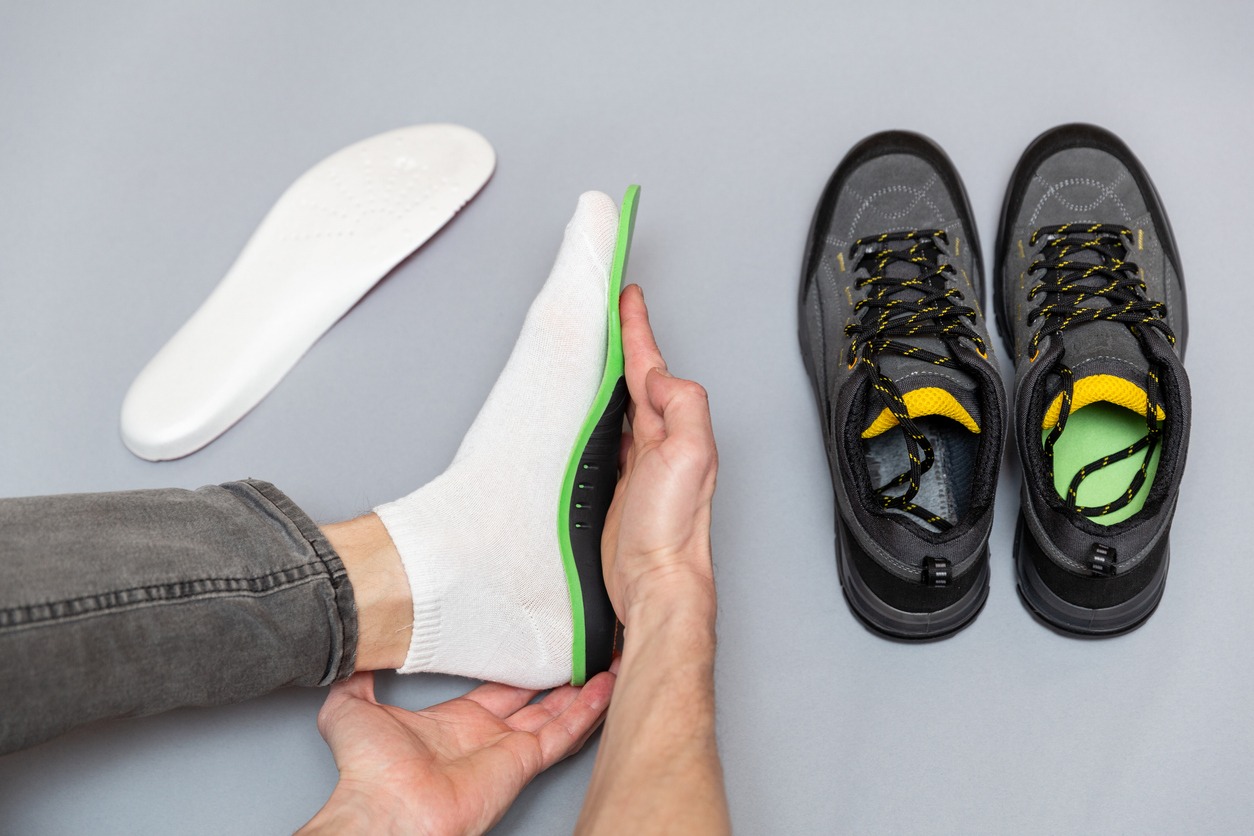
Traction is one of the most critical aspects of a basketball shoe. After all, if your shoes can’t grip the court, it doesn’t matter how comfortable or durable they are.
How Grip Is Measured
Testing labs use force plates and slip-resistance testers to analyze how well shoes grip different surfaces. These devices measure how much force is needed to slide the shoe under various conditions, providing precise data about its traction capabilities.
Why Good Traction Matters
For players, good traction means confidence on the court. Whether you’re making a fast break or defending against an opponent, you need to trust that your shoes will stick when you need them to. Testing ensures you’re less likely to experience dangerous slips or falls.
Traction testing also accounts for longevity. A shoe that starts with excellent grip but loses it quickly isn’t ideal. Testers measure how traction patterns hold up over time, giving players a sense of when they might need to replace their shoes.
Why Third-Party Testing Is Essential

Third-party testing companies play a crucial role in the basketball shoe industry. Their unbiased assessments go beyond marketing claims, giving players the insights they need to make informed decisions. Whether you’re a casual player or a competitive athlete, these reviews help you find shoes that suit your style, fit your budget, and meet your performance needs.
Third-party testers often have no affiliation with the brands, ensuring their reviews remain impartial. They’re here to serve players, not sell shoes. This commitment to transparency is what makes their reviews so valuable.
Wrapping It All Up
Basketball shoes are more than just footwear; they’re performance tools. Thanks to third-party testing, you don’t have to rely solely on brand claims or flashy designs. You get real, science-backed insights into how shoes perform in the lab and on the court. From cushioning and traction to durability and biomechanics, every aspect is meticulously analyzed to ensure players get the best possible experience.
So, the next time you’re shopping for basketball shoes, look for reviews that dive deep into the details. Pay attention to the findings from wear tests, lab data, and real-world evaluations. With the right pair of shoes, you’ll not only elevate your game but also protect your feet and joints for the long haul. Your game—and your feet—will thank you.