How to Break in New Basketball Shoes for Maximum Comfort
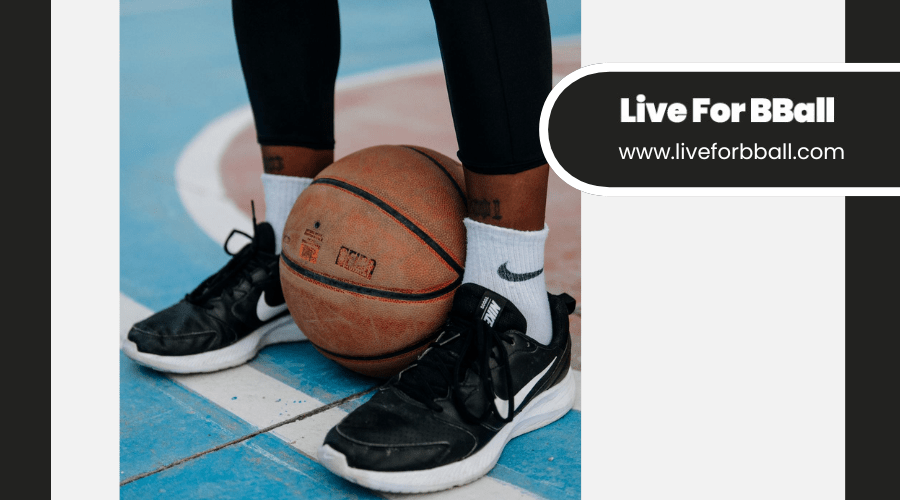
Breaking in new basketball shoes isn’t just about avoiding discomfort—it’s about making sure they fit and perform as if they were custom-made for your feet. A good break-in process ensures that your shoes provide the support, flexibility, and comfort you need for intense gameplay. Whether you’re an experienced player or new to basketball, taking the time to break in your shoes properly can protect your feet from blisters and injuries while boosting your confidence on the court.
Let’s dive deeper into why breaking in your basketball shoes is essential, how to do it effectively, and the techniques that will help you create the perfect fit.
The Science of Breaking In Basketball Shoes
New basketball shoes are designed with performance in mind, which means they’re built to be tough and durable. Materials like leather, mesh, and TPU (thermoplastic polyurethane) overlays are stiff when fresh out of the box. While these materials provide stability and protection, they need time to adapt to the shape and movements of your feet.
Why Breaking In Is Necessary
- Material Softening: Breaking in your shoes helps rigid materials become pliable, improving their comfort and functionality.
- Personalized Fit: The break-in process allows the shoe to mold to your unique foot shape, creating a custom fit that enhances performance.
- Improved Movement: Once softened, the shoe will move naturally with your feet, reducing the risk of blisters or irritation during sudden stops and pivots.
- Injury Prevention: Properly broken-in shoes offer better support, minimizing the chance of sprains or other foot-related injuries.
Think of breaking in your basketball shoes as preparing them for the game just like you would yourself. It’s an investment in comfort and performance that pays off every time you step onto the court.
Start With the Right Shoes
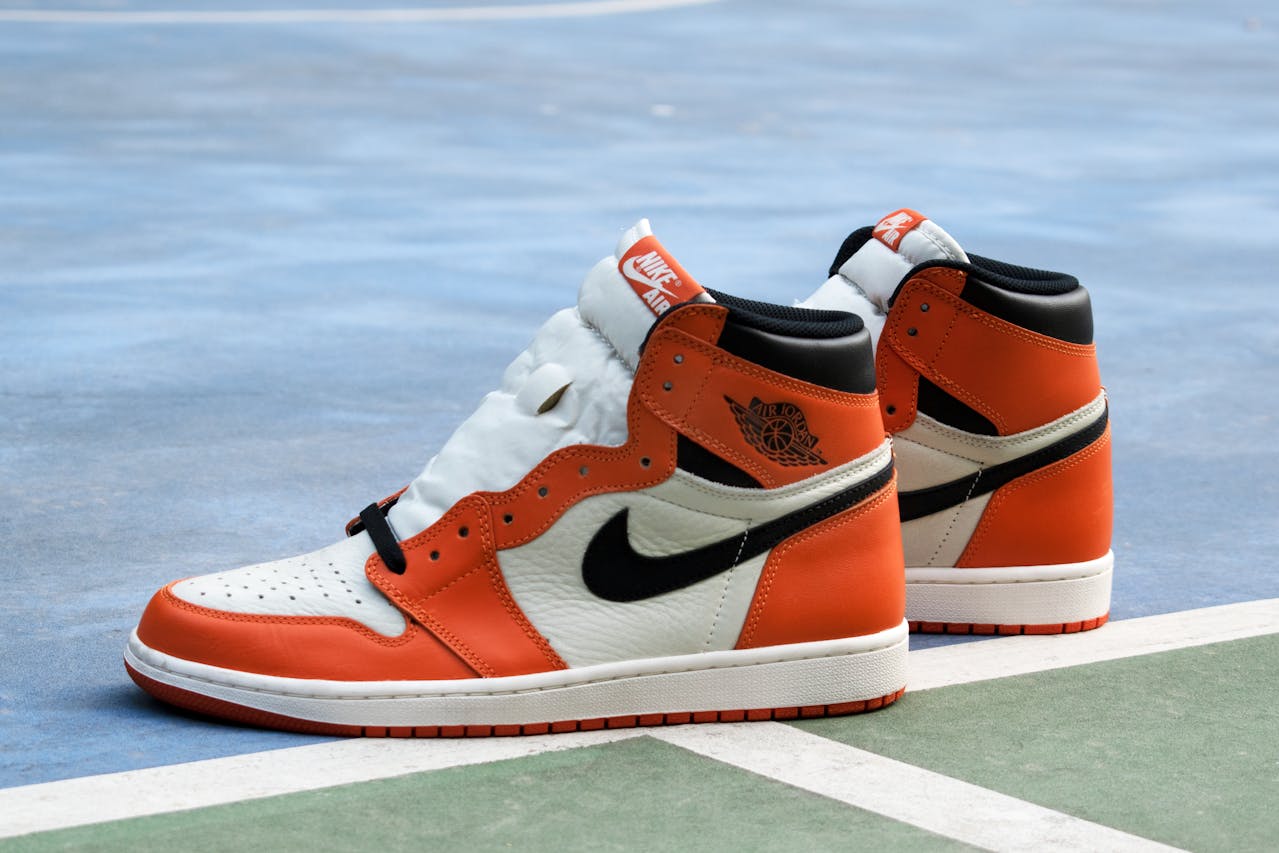
Before you can break in your shoes, you need to make sure they’re the right fit. A poorly fitted shoe won’t become comfortable no matter how much you try to break it in.
Shop at the Right Time
Feet tend to swell throughout the day, so it’s best to shop for shoes in the afternoon or evening. This ensures the fit accommodates the natural expansion of your feet, mimicking how they’ll feel during a game.
Get Professionally Measured
Visit a store that offers professional shoe fitting services. A trained staff member can measure the length and width of both your feet and recommend the best size and style for your needs. Keep in mind that one foot is often slightly larger than the other, so always size your shoes based on the larger foot.
Consider Your Playing Style
Basketball positions and playing styles influence the type of shoes you should choose.
- High-tops: Provide maximum ankle support, ideal for players who frequently jump or make aggressive moves.
- Low-tops: Prioritize speed and agility, making them a good choice for guards or quick players.
- Mid-tops: Offer a balance of support and flexibility, suitable for versatile players who need a bit of both.
Test for Immediate Comfort
Try the shoes on with the socks you’ll wear during games. Walk, jog, and mimic basketball movements like pivoting and jumping to ensure there’s no pinching, sliding, or discomfort. The toe box should have enough room for your toes to move slightly, but your foot should feel secure overall.
Pre-Break In Steps
Breaking in shoes starts before you wear them extensively. A little preparation can go a long way in ensuring a comfortable transition.
Inspect Your Shoes
Check the shoe’s features to confirm they meet your needs. Look for:
- Cushioned Insoles: Ensure they provide support and shock absorption.
- Secure Heel Counter: Prevents your heel from slipping during movement.
- Proper Traction: Examine the outsole pattern for grip on the court.
Flex and Bend the Shoes
Manually work the shoes by bending them at the sole and flexing the upper. Focus on areas like the toe box and midfoot to soften the stiffest parts.
Start Slow
Wear the shoes indoors for a few minutes at a time. This gives you a chance to identify potential problem areas before committing to longer wear sessions.
The Two-Week Break-In Plan
Breaking in shoes isn’t an overnight process, but a systematic approach can make it manageable and effective. Here’s a proven two-week plan to prepare your basketball shoes for the court:
Days 1-3: Light Wear
- Wear your shoes for 10-15 minutes daily, focusing on light activities like walking around the house.
- Use thick socks to create slight pressure, helping to stretch the materials gently.
- Pay attention to any areas that feel tight or uncomfortable and adjust lacing as needed.
Days 4-7: Gradual Increase
- Add 10 minutes of wear time each day, gradually building up to one hour by the end of the week.
- Incorporate light jogging to simulate some of the movements you’ll make during gameplay.
- Use this time to identify any "hot spots" that might cause irritation and address them.
Days 8-11: Simulate Gameplay
- Maintain one-hour sessions, adding basketball-specific movements like jumping, pivoting, and lateral cuts.
- The goal is to mimic the intensity of actual play, allowing the shoes to adjust to high-impact activities.
Days 12-14: Full Wear
- Wear the shoes during practice or scrimmages to ensure they’re fully adapted to your foot shape and movements.
- By the end of two weeks, your shoes should feel comfortable and game-ready.
Techniques to Speed Up the Process
If you’re short on time, these additional techniques can help accelerate the break-in process:
Shoe Stretchers
These tools are great for expanding tight areas, especially in the toe box or sides. Use them overnight for best results.
Heat Application
Gently heat stiff sections of the shoe with a hairdryer for 20-30 seconds, then flex and bend the shoe while it’s still warm. Be careful not to overheat, as this can damage the material.
Thick Socks
Wear thick or double-layered socks during initial sessions to create additional pressure, stretching the material faster.
Proper Lacing Techniques
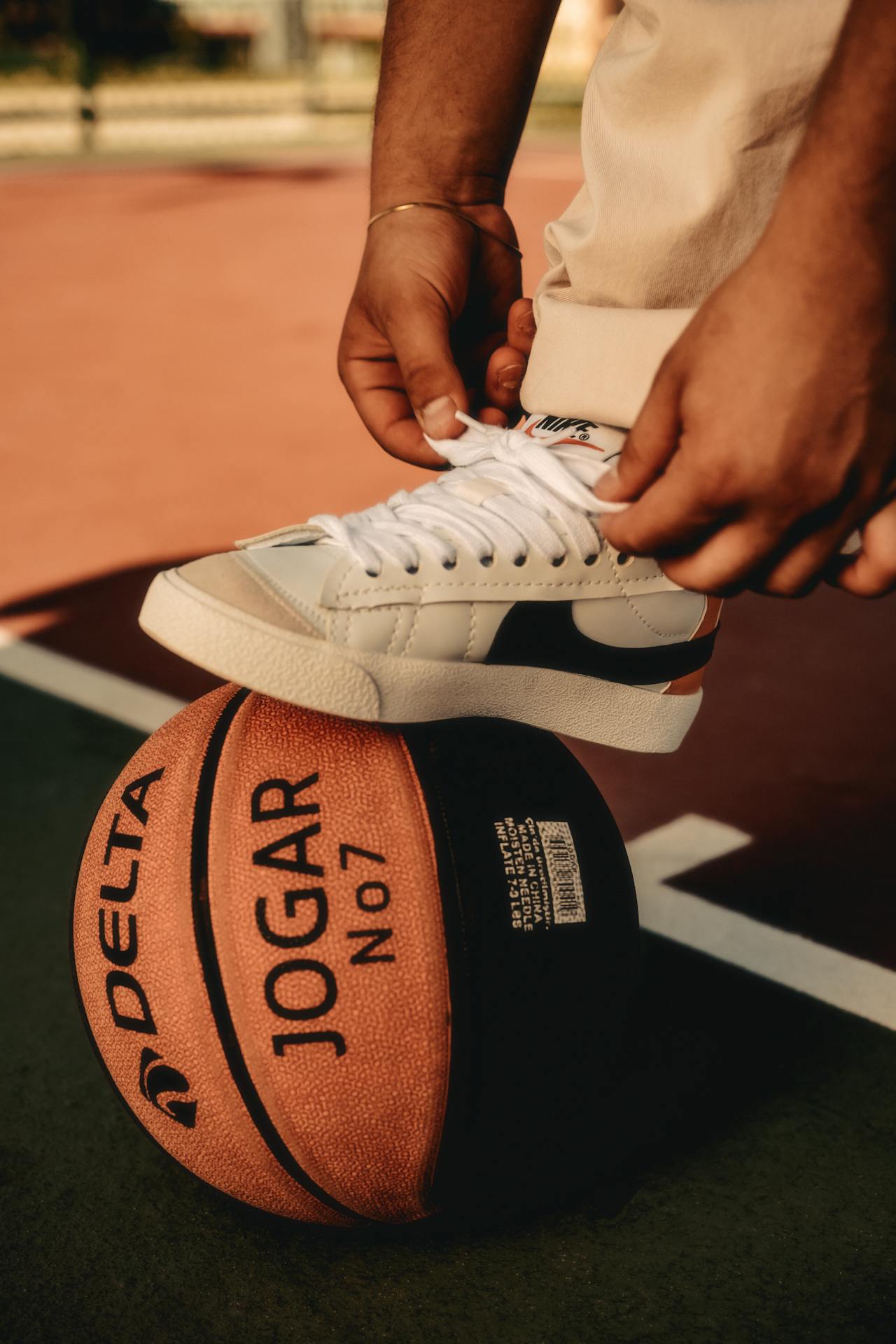
Lacing plays a crucial role in the fit and comfort of your basketball shoes, especially during the break-in period.
Snug Fit
Begin with loose lacing and tighten gradually from the toe box upward. This ensures even pressure and minimizes the risk of pinching or blisters.
Heel Lock
If your heel slips, try the heel lock lacing technique. Use the extra eyelets near the ankle to create a secure loop, holding your heel firmly in place.
Custom Adjustments
Experiment with different lacing patterns to alleviate pressure on specific areas of your foot. For example, skip an eyelet if a section feels too tight.
Material-Specific Break-In Tips
Not all basketball shoes are created equal, and different materials require different strategies:
- Leather Shoes: These take the longest to break in but provide excellent durability. Focus on gradual wear and manual stretching.
- Mesh or Knit Shoes: These adapt quickly to your foot shape and are naturally flexible, requiring less break-in time.
- TPU Overlays: Concentrate on softening stiff sections with targeted heat or consistent flexing.
- Advanced Cushioning Systems: Technologies like Zoom Air or Boost need consistent wear to compress and reach their full potential.
Preventing Blisters During Break-In
Blisters are a common concern during the break-in process, but they’re avoidable with the right precautions:
- Moisture-Wicking Socks: These reduce friction and keep your feet dry.
- Anti-Chafing Cream: Apply to high-friction areas like your heels and toes.
- Spot Protection: Use adhesive pads or bandages on any areas prone to rubbing.
- Gradual Wear: Stick to the break-in schedule and resist the urge to wear your shoes for extended periods too soon.
How to Know When Your Shoes Are Fully Broken In
You’ll know your shoes are ready when:
- No Discomfort: You can wear them for hours without pain or irritation.
- Natural Movement: They feel like a part of your foot, moving seamlessly with you.
- Improved Gameplay: You notice better agility, responsiveness, and comfort during play.
Final Thoughts
Breaking into new basketball shoes requires patience and effort, but the results are worth it. By following these steps and giving your shoes time to adapt, you’ll create a fit that’s personalized to your feet and playing style. With comfort and performance on your side, you’ll be ready to dominate the court.