Indoor vs. Outdoor Court Shoes: What You Need to Know

Whether you're a pickleball enthusiast, a tennis player, or just starting to explore court sports, your choice of footwear is critical. Shoes aren't just about comfort—they're about performance, safety, and durability. The wrong pair can hold you back or, worse, lead to injury.
The key is understanding the difference between indoor and outdoor court shoes. They're designed for completely different surfaces, and using the wrong type can shorten their lifespan and affect your game. Here's everything you need to know to make the right choice.
Why Your Shoes Matter on the Court
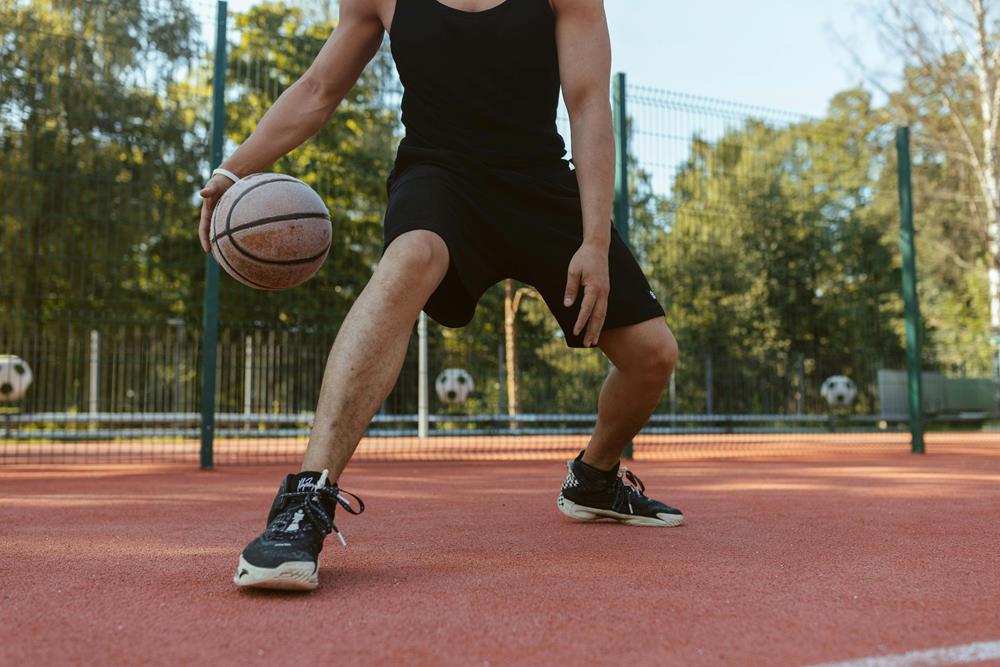
Imagine you're playing indoors, and your outdoor shoes don't grip the smooth surface well. Or, you take your indoor shoes outside, and they wear down after just a few matches. This is why having the right shoes for the surface you play on is so important.
Court shoes are more than just accessories—they're tools built to perform under specific conditions. Think of them like specialized sports equipment. You wouldn't use a badminton racket for tennis, so why use shoes not suited to your court?
How Indoor and Outdoor Shoes Are Different
The difference between indoor and outdoor court shoes isn't just in how they look—it's in how they perform.
What Makes Indoor Shoes Special
Indoor shoes are lightweight and built for speed. They're designed for smooth surfaces like gym floors or hardwood courts, where grip and agility are crucial.
- Soles: The soft gum rubber provides excellent traction, almost like suction cups on the floor.
- Design: Thin walls and breathable materials keep your feet cool during intense games.
- Flexibility: These shoes prioritize quick, precise movements, perfect for sports like badminton, squash, and volleyball.
Why Outdoor Shoes Are Built Tougher
Outdoor shoes are made to withstand rugged conditions. They're heavier, sturdier, and more resistant to wear and tear.
- Soles: Hard synthetic rubber lasts longer on rough surfaces like concrete or asphalt.
- Reinforcements: Thicker walls and midsoles protect your feet from impact and uneven terrain.
- Tread Patterns: Deeper grooves ensure stability, even on dusty or wet courts.
What Materials and Construction Can Tell You
The secret to great court shoes lies in the materials and construction. Every part of the shoe is designed to meet specific demands.
Why Indoor Shoes Are Lightweight
- Sole Material: Soft gum rubber grips smooth floors but wears down quickly on rough surfaces.
- Upper Design: Mesh and lightweight fabrics make these shoes breathable and agile.
- Structure: Minimal reinforcement allows for maximum flexibility, perfect for sharp turns and quick pivots.
How Outdoor Shoes Handle the Elements
- Sole Material: Synthetic rubber outsoles are durable and resistant to abrasion.
- Extra Padding: Reinforced midsoles absorb shock from running on hard, uneven surfaces.
- Durable Uppers: Materials like synthetic leather protect against moisture, dirt, and heat.
How Traction Makes or Breaks Your Game
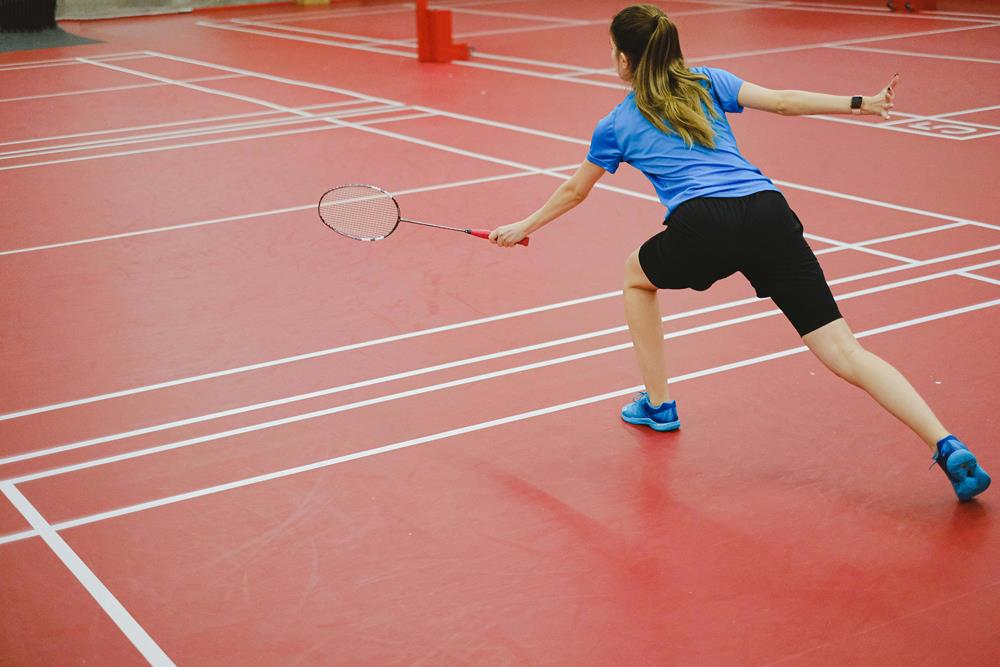
Traction is everything when it comes to court sports. It's what keeps you balanced, stable, and in control.
The Grip You Need Indoors
Indoor shoes shine on smooth, polished surfaces. The gum rubber soles provide traction that feels almost sticky, allowing you to stop and pivot with ease. Sports like volleyball and badminton require this kind of grip for sharp, agile movements.
The Stability You Need Outdoors
Outdoor shoes, with their harder rubber and deeper tread patterns, are all about stability. They grip uneven or textured surfaces, making them ideal for tennis or pickleball. While they work well outdoors, they don't provide the same suction-like grip indoors.
How Long Your Shoes Last Depends on the Surface
Durability varies greatly between indoor and outdoor shoes, especially if you use them on the wrong surface.
Why Indoor Shoes Wear Out Quickly Outdoors
Soft gum rubber, while excellent indoors, can't handle abrasive surfaces like concrete. The soles wear thin, the grip diminishes, and the shoe loses its performance edge in just a few games.
How Outdoor Shoes Last Longer
Outdoor shoes are designed for rough conditions. Their tougher materials and deeper treads stand up to harsh surfaces, but they aren't optimized for the precision grip needed indoors.
Tips to Make Your Shoes Last Longer
- Stick to the surface they're designed for.
- Rotate shoes if you play on both indoor and outdoor courts.
- Clean them after every game to remove debris that can cause wear.
- Focus on proper foot mechanics to minimize dragging and scuffing.
Choosing the Best Shoes for Your Needs
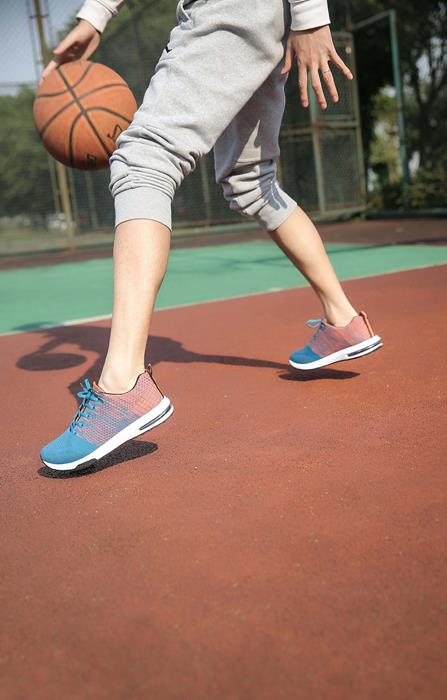
Picking the right court shoes isn't just about the surface—it's also about your playing style.
Consider Where You Play
- Mostly Indoors: Look for lightweight shoes with gum rubber soles.
- Mostly Outdoors: Choose durable shoes with hard rubber outsoles and reinforced uppers.
- Both: Opt for versatile all-court shoes that balance grip and durability.
Think About How You Play
- Fast Movers: If you're aggressive on the court, prioritize shoes with strong lateral support.
- Recreational Players: Comfort and versatility might be more important than performance features.
Fit Matters
Always try your shoes on before buying. They should feel snug but not tight, with enough room for your toes to move naturally.
Recommendations for the Best Court Shoes
Whether you're shopping for indoor play, outdoor matches, or a mix of both, here are some top options to consider.
Top Picks for Indoors
- Asics Gel Rocket: Lightweight and breathable with excellent grip on hardwood.
- Adidas Ubersonic 4: Great for players who need speed and agility.
- Yonex Power Cushion: Durable and comfortable for long matches.
Top Picks for Outdoors
- K-Swiss Hypercourt Express: Built to last with excellent support.
- New Balance CT Rally: Versatile and sturdy, perfect for outdoor courts.
- Asics Gel Resolution 9: Ideal for cushioning and stability on tough surfaces.
Best All-Court Shoes
- Nike Vapor Pro 2: Balanced grip and durability for any surface.
- New Balance 996v5: Lightweight and versatile for players who switch courts.
- Head Sprint Pro: Great for lateral support and all-around performance.
How to Keep Your Shoes in Great Shape
Proper care can make a big difference in how long your shoes last and how well they perform.
Clean Them After Every Game
- Use a damp cloth to wipe the soles and remove dirt.
- For tougher spots, use a soft brush with mild soap.
- Avoid soaking them, as this can damage the materials.
Let Them Air Out
After a match, let your shoes dry completely. Store them in a ventilated area, not a closed bag or trunk, to prevent moisture buildup and odor.
Know When to Replace Them
Even with great care, all shoes wear out eventually. Replace them if:
- The tread is worn down and traction is reduced.
- The cushioning feels flat or unsupportive.
- You notice discomfort or pain during play.
Wrapping It Up
Choosing the right court shoes is an investment in your performance and safety. Whether you're dominating on an indoor hardwood court, playing on outdoor concrete, or switching between both, the right shoes can make all the difference. Take the time to understand your needs, maintain your footwear, and replace them when necessary. With the perfect pair on your feet, you'll play better, feel more confident, and stay comfortable no matter where the game takes you.