Innovative Technology in Nike and Adidas Shoes: What Sets Them Apart
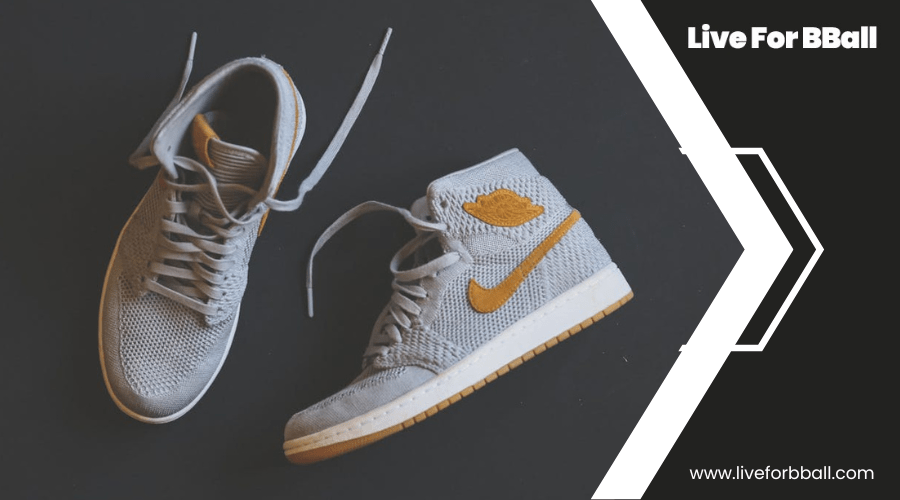
When it comes to athletic footwear, Nike and Adidas have revolutionized what sneakers can do by using cutting-edge technology to elevate performance, comfort, and style. But what truly sets them apart? Let’s dive into the innovations driving these global giants and explore how their unique approaches cater to different needs. By the end of this, you’ll have a clearer sense of which brand’s tech fits your stride.
Cushioning Technologies and Materials
If you’ve ever worn a pair of Nike or Adidas, you’ve likely noticed how different they feel. This difference stems from years of research and development, with each brand prioritizing distinct goals.
Nike’s ZoomX foam is a standout innovation. Imagine a midsole that’s ultra-light but delivers exceptional energy return. That’s ZoomX. Designed for elite runners, this technology ensures each step feels springy and effortless. Combine it with Flyknit—a snug, sock-like upper—and you have a shoe that practically molds to your foot.
Adidas approaches cushioning differently with its Boost technology. Made from thousands of thermoplastic polyurethane (TPU) pellets, Boost creates a midsole that’s responsive and incredibly comfortable. While Boost shoes may weigh slightly more than Nike’s offerings, they excel in providing plush support and durability. It’s like running on a surface that’s both soft and springy, absorbing impact while propelling you forward.
Nike emphasizes lightweight speed, making its shoes ideal for racers and athletes chasing personal records. Meanwhile, Adidas prioritizes endurance and comfort, perfect for long-distance runners or those seeking all-day wearability.
User Perspectives: Athletes and casual users alike have praised ZoomX for its ability to shave seconds off race times while keeping fatigue at bay. Meanwhile, Boost technology has gained a loyal following among marathoners and those who value a balance between support and energy return.
Longevity: Both technologies have proven durable, with ZoomX maintaining its responsiveness over time and Boost’s TPU pellets offering excellent resistance to compression.
Digital Integration and Smart Features
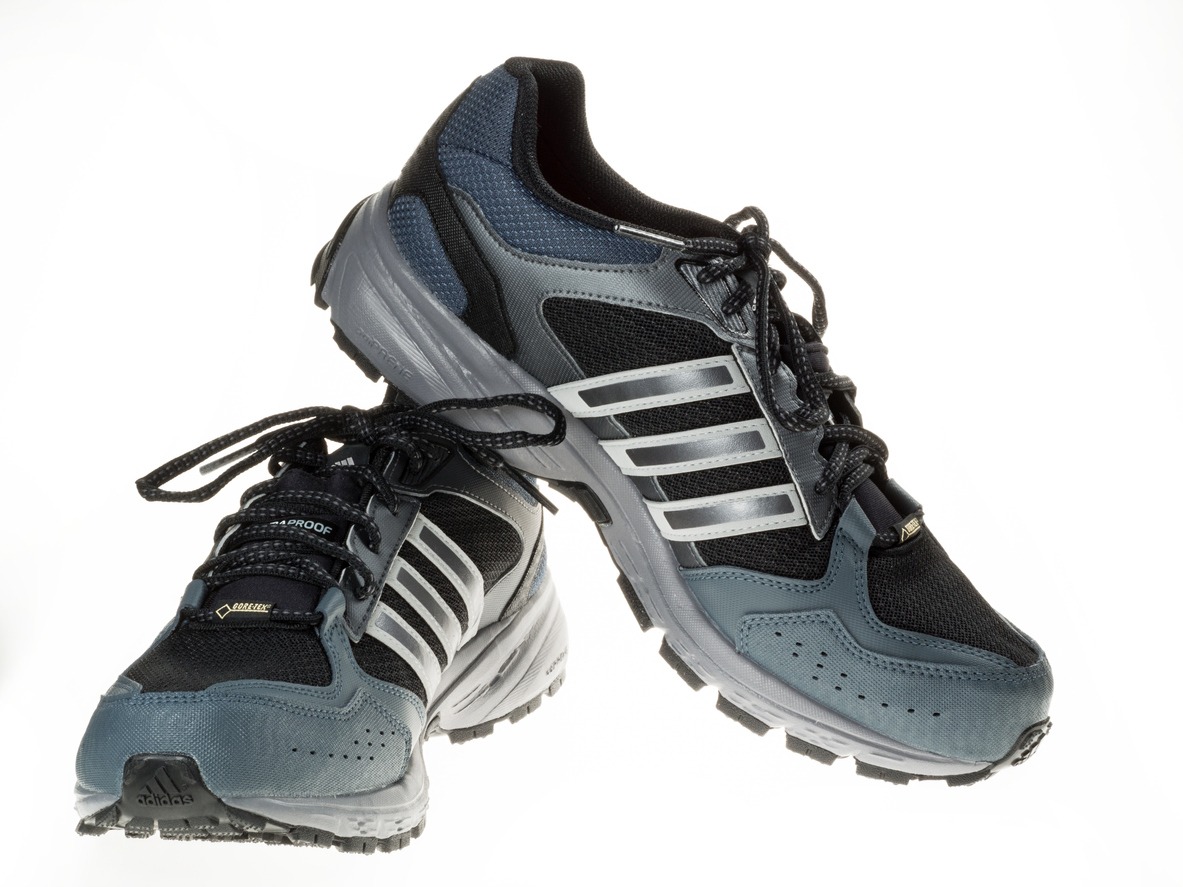
Sneakers have evolved far beyond materials. Both Nike and Adidas have embraced digital technology, introducing features that bring customization and functionality to the forefront.
Nike’s augmented reality (AR) design systems allow you to personalize your shoes in real time. You can visualize colors, patterns, and fit through your phone before making a purchase. Additionally, Nike’s app syncs with activity data to recommend footwear tailored to your needs. Whether you need more arch support or a specific fit, Nike’s digital tools aim to deliver.
Adidas brings innovation to manufacturing with its Futurecraft 4D line, featuring 3D-printed midsoles. These are precision-engineered for optimal performance, offering a level of customization that sets them apart. For sports enthusiasts, Adidas integrates NFC-enabled features into jerseys, giving fans unique access to content and experiences that deepen their connection to the sport.
Future Possibilities: Imagine sneakers with built-in fitness trackers or smart insoles that adjust cushioning in real-time based on your activity. Both brands are actively exploring advancements to create footwear that adapts to individual needs, paving the way for more personalized and responsive designs.
Manufacturing Innovations
Behind every great sneaker is a sophisticated manufacturing process. Nike and Adidas lead the way, but their approaches differ significantly.
Nike’s Flyknit technology has reshaped how shoes are made. By weaving the upper as a single piece, this method reduces material waste by up to 60%. The result is not only sustainable but also lightweight and flexible. Pair this with Nike’s React foam, a midsole offering long-lasting comfort and durability, and you’ve got a shoe that performs and protects.
Adidas, meanwhile, leans into precision. Its 3D-printed midsoles, crafted layer by layer, allow for unparalleled customization. Through its collaboration with Parley for the Oceans, Adidas transforms recycled ocean plastic into high-performance footwear, merging innovation with environmental stewardship.
Scaling Challenges: While these technologies are groundbreaking, scaling them for mass production comes with challenges. Both brands have invested heavily in automation and advanced machinery to ensure consistent quality and efficiency.
Cost and Accessibility: Advanced manufacturing often comes with higher costs, but Nike and Adidas are working to make these technologies more accessible to a wider audience without compromising on quality.
Sustainability Initiatives
View this post on Instagram
Sustainability has become a cornerstone for both Nike and Adidas, reflecting a commitment to reducing their environmental impact. Adidas’s partnership with Parley has resulted in millions of shoes crafted from recycled ocean plastic. The UltraBoost Parley line turns waste into high-performance footwear, demonstrating the brand’s dedication to conservation. Nike’s Flyknit technology deserves recognition here, too. By cutting down on excess material, this innovation has kept over 3.5 million pounds of waste out of landfills. Nike’s broader Move to Zero initiative aims to make its supply chain carbon-neutral, a goal that underscores its dedication to sustainability. Consumer Reception: Both brands’ sustainability efforts have resonated with eco-conscious consumers. Adidas’s Parley shoes often sell out quickly, while Nike’s Move to Zero line has inspired other brands to follow suit. Industry Influence: These initiatives have encouraged the sportswear industry to embrace more sustainable practices, raising expectations for environmental responsibility across the board. At the core of athletic footwear is performance, and both Nike and Adidas excel in delivering innovative solutions for athletes. Nike’s ZoomX foam and Air technology prioritize responsiveness, giving runners a lightweight, fast, and agile experience. The addition of Flyknit uppers ensures a supportive, secure fit without adding extra weight, making these shoes a favorite for speed-focused athletes. Adidas, in contrast, shines with its Boost technology and Primeknit uppers. Boost offers unparalleled energy return and comfort, while Primeknit provides a sock-like fit that’s ideal for extended use. These features make Adidas a great choice for endurance runners or those seeking reliable cushioning for long workouts. Multi-Sport Performance: These technologies extend beyond running, finding applications in basketball, soccer, and cross-training. This adaptability allows athletes across various disciplines to enjoy the benefits of cutting-edge innovation. Athlete Feedback: Prototypes undergo rigorous testing by professional athletes, whose feedback directly shapes the final designs. This process helps ensure the shoes deliver reliable performance under real-world conditions. Sneaker design has evolved from basic functionality to a fusion of style and performance, with Nike and Adidas leading the charge. Nike’s bold approach to design includes VR-enabled tools that let designers refine concepts in real time. This emphasis on experimentation has produced iconic lines like Air Max and customizable options for consumers who want a unique look. Adidas balances tradition and innovation. Collaborations with high-fashion brands like Y-3 and eco-focused initiatives with Parley showcase the brand’s ability to merge aesthetics with sustainability. Their Futurecraft 4D line stands out for its futuristic design and advanced functionality. Cultural Impact: Nike and Adidas have gone beyond functional sportswear, making their mark in streetwear and high fashion. Their designs cater to a wide range of tastes, often reflecting personal style and individuality. So, what truly sets Nike and Adidas apart? It comes down to their priorities. Nike focuses on speed, agility, and bold innovation, while Adidas leans into comfort, sustainability, and precision engineering. Both excel in their respective strengths, giving you plenty of options based on your needs. Whether you’re chasing personal records, seeking long-lasting comfort, or looking to make an environmental impact, there’s a pair of shoes waiting for you. Now that you know what makes Nike and Adidas tick, finding your perfect fit is easier than ever.Performance Enhancement Systems
Design Evolution and Innovation
The Final Step