New Orleans Pelicans' Retired Numbers: A Tribute to New Orleans Legends
Retired jersey numbers hang high above basketball arenas, representing more than just fabric and stitching. They symbolize the legacy of exceptional players who elevated the game, inspired generations, and left an indelible mark on their teams. For the New Orleans Pelicans, the tradition of retiring jersey numbers may be relatively new, but it carries the weight of a rich basketball heritage. The Pelicans currently honor two retired numbers: Pete Maravich’s #7 and Bill Russell’s league-wide #6. These numbers tell a story of greatness, innovation, and impact, both on and off the court.
Pete Maravich (#7)
View this post on Instagram
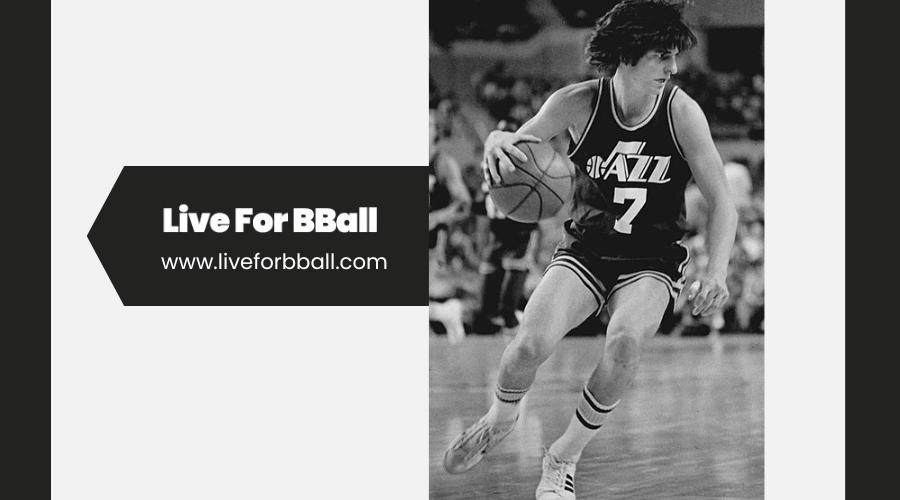
When you think of Pete Maravich, often known as "Pistol Pete," you’re reminded of a player whose style and creativity transformed basketball. Maravich’s #7 jersey is a beacon of his influence on the sport, and it’s no surprise that the Pelicans chose to honor him despite him never playing for the franchise.
Maravich played for the New Orleans Jazz from 1974 to 1979, a team that would eventually relocate and evolve into today’s Utah Jazz. His tenure with the New Orleans Jazz was marked by dazzling ball-handling, jaw-dropping passes, and an ability to score seemingly at will. He led the league in scoring during the 1976-77 season, averaging an incredible 31.1 points per game.
But Pete Maravich’s impact transcended statistics. He was an artist on the hardwood, crafting a style of play that blended flair with efficiency. Watching Maravich in action felt like witnessing a magician unveil new tricks—he captivated fans and inspired young players to embrace creativity in their game.
In addition to his professional success, Maravich’s connection to Louisiana basketball ran deep. He starred at Louisiana State University (LSU), where he became the all-time leading scorer in NCAA history, a record that still stands today. His legacy as both a collegiate and professional player made him an icon in Louisiana, and his #7 jersey’s retirement by the Pelicans in 2002 was a fitting tribute to his enduring impact.
Today, when fans at the Smoothie King Center look up at Maravich’s #7, they see a symbol of innovation and excellence. His jersey bridges the past and present of New Orleans basketball, reminding everyone that his influence paved the way for the stars of today.
Bill Russell’s League-Wide Honor (#6)
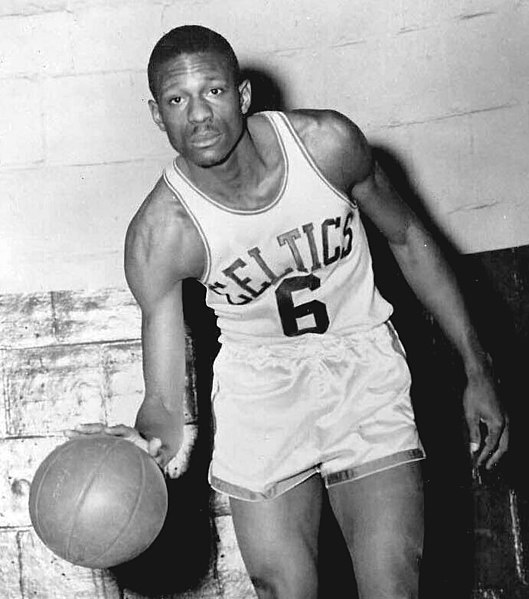
Hanging alongside Pete Maravich’s jersey in the rafters is another legendary number: Bill Russell’s #6. Unlike Maravich’s jersey, Russell’s #6 is retired across all NBA teams, highlighting his unmatched contributions to the sport and society.
Bill Russell’s legacy is monumental. As the cornerstone of the Boston Celtics’ dynasty, he led the team to 11 NBA championships in 13 seasons. A defensive powerhouse, Russell redefined what it meant to be a center in basketball. His shot-blocking, rebounding, and leadership set a standard that players strive to emulate even today.
But Russell’s impact extended far beyond the court. As a prominent figure in the civil rights movement, he used his platform to advocate for racial equality and justice during a turbulent era in American history. His courage to stand against discrimination, both as an athlete and as a citizen, made him a role model not just for basketball players but for anyone striving to create positive change.
In August 2022, the NBA announced that #6 would be retired league-wide in honor of Russell’s contributions to basketball and his role as a trailblazer for equality. For the New Orleans Pelicans, his number serves as a powerful reminder of how one person’s excellence and principles can inspire generations. When fans see #6 in the Smoothie King Center, it’s more than just a number—it’s a celebration of greatness, leadership, and the enduring power of sports to drive change.
Bobby Phills’ Honored Legacy (#13)
While Bobby Phills’ #13 is not officially retired by the Pelicans, it holds a special place in the franchise’s history. Phills was a beloved player for the Charlotte Hornets during the late 1990s, known for his defensive tenacity, leadership, and commitment to the community. Tragically, Phills passed away in a car accident in 2000, a loss that deeply affected the basketball world.
The Charlotte Hornets retired his #13 jersey that same year, and when the franchise relocated to New Orleans in 2002, his jersey was displayed in the New Orleans Arena as part of the team’s history. However, when the Hornets’ history and records were returned to Charlotte in 2014, Phills’ jersey also returned to its original home.
Although his jersey no longer hangs in the Smoothie King Center, Bobby Phills’ legacy continues to reflect the character and values that the New Orleans Hornets, and later the Pelicans, have always strived to represent.
The Pelicans’ Approach to Retiring Jerseys
As a relatively young franchise, the New Orleans Pelicans have taken a deliberate and thoughtful approach to retiring jersey numbers. Established in 2002, the team’s history doesn’t yet feature the lengthy lineage of iconic players seen in older franchises. However, the decision to retire Pete Maravich’s #7 reflects the Pelicans’ commitment to honoring basketball excellence and the unique connection between the team and Louisiana basketball history.
Bill Russell’s #6, while retired league-wide, further underscores the importance of celebrating the game’s pioneers and their broader societal impact. Together, these retired numbers serve as foundational pillars for the Pelicans’ tradition—a tradition that will undoubtedly grow as the team’s history unfolds.
Future Retirements: Zion Williamson and Brandon Ingram?
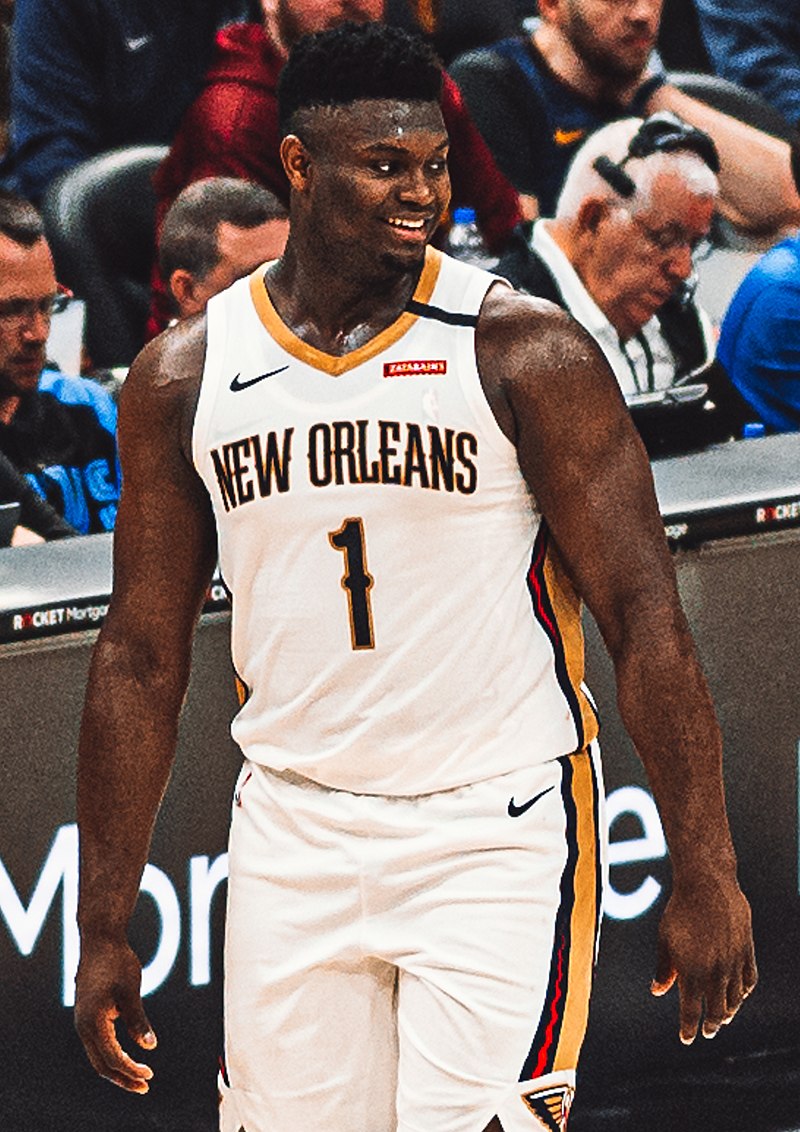
Erik Drost, Zion Williamson 2020 (cropped), CC BY 2.0
As the Pelicans look toward the future, the question arises: who might join Maravich and Russell in the rafters? Two names stand out: Zion Williamson and Brandon Ingram. Both players have the potential to etch their names into franchise history, but the path to jersey retirement is no easy feat.
For Zion Williamson, the expectations are immense. A generational talent with unmatched athleticism, Williamson has the ability to redefine what it means to be a dominant force in the modern NBA. His explosive dunks, powerful presence in the paint, and charismatic leadership make him a prime candidate for legendary status. However, sustained success, loyalty to the franchise, and health will play crucial roles in determining whether his #1 jersey earns a permanent place in the rafters.
Brandon Ingram, on the other hand, has established himself as a steady leader and elite scorer for the Pelicans. With his smooth offensive game and ability to take over in clutch moments, Ingram has already earned an All-Star nod and the respect of fans and teammates alike. If he continues to excel and leads the Pelicans to meaningful playoff success, his #14 jersey could become a symbol of his impact on the team.
To achieve jersey retirement, players must demonstrate more than just individual excellence. They must contribute to the team’s culture, inspire the community, and help elevate the franchise to new heights. For Williamson and Ingram, the potential is there—now it’s about turning that potential into a lasting legacy.
Building a Legacy, One Number at a Time
Retired jerseys tell stories—stories of triumph, dedication, and impact. For the New Orleans Pelicans, the banners bearing Pete Maravich’s #7 and Bill Russell’s #6 represent the beginnings of a tradition rooted in excellence and respect for the game’s history. As the franchise continues to grow, so too will its legacy of honoring players who embody the best of basketball and humanity.
Fans can look up at the rafters of the Smoothie King Center with pride, knowing that these numbers are more than just symbols. They’re reminders of the greatness that came before and the greatness that lies ahead. Who will be next to join this exclusive club? Only time will tell, but the future of New Orleans basketball looks brighter than ever.
Related posts