New York Knicks' Retired Jersey Numbers: Honoring Madison Square Garden Greats

In the heart of New York City, Madison Square Garden stands as a symbol of basketball excellence. Over the decades, it has been home to legendary moments, unforgettable players, and a passionate fan base. Among the Garden's most cherished traditions are the retired jerseys that hang high in its rafters, each one telling a story of greatness, grit, and glory. For the New York Knicks, these numbers represent not just statistics but the legacy of players and coaches who shaped the franchise's identity.
Let's take a closer look at these iconic numbers and the individuals behind them.
A History Etched in Numbers
The Knicks have retired nine numbers in their storied history, honoring players and a coach who brought pride and championships to the franchise. From Walt Frazier's stylish playmaking to Patrick Ewing's commanding presence, each honoree contributed to defining what it means to wear a Knicks uniform. These numbers aren't just fabric; they're symbols of dedication, resilience, and basketball excellence.
The Players Behind the Numbers
No. 10 – Walt Frazier
When you think of Knicks legends, Walt "Clyde" Frazier is one of the first names that comes to mind. Known for his flashy style on and off the court, Frazier was the floor general who led the Knicks to their two NBA championships in 1970 and 1973. His career averages of 19.3 points, 6.1 rebounds, and 6.3 assists per game only tell part of the story.
Frazier's true impact was in his ability to command the game with poise and precision. Whether he was dishing out assists, locking down opponents on defense, or hitting clutch shots, Clyde embodied the Knicks' golden era. Retired on December 15, 1979, his No. 10 remains a fixture at Madison Square Garden, a constant reminder of his contributions to New York basketball. Today, you can still hear his iconic voice as he analyzes games for MSG Networks, keeping his connection to the franchise alive and well.
No. 15 – Earl Monroe and Dick McGuire
The No. 15 jersey holds a unique place in Knicks history, as it honors two players from different eras—Earl "The Pearl" Monroe and Dick McGuire. McGuire, one of the team's earliest stars, was a playmaking guard in the 1950s who set the standard for Knicks excellence. Monroe, on the other hand, brought flair and scoring prowess during the 1970s, helping the team secure its second championship in 1973.
Both players left an indelible mark on the franchise. Monroe's smooth moves and crowd-pleasing style earned him the nickname "The Pearl," while McGuire's leadership laid the groundwork for the team's future success. No. 15 was retired to honor their collective contributions, a rare dual tribute that speaks to the rich history of the Knicks.
No. 19 – Willis Reed
View this post on Instagram
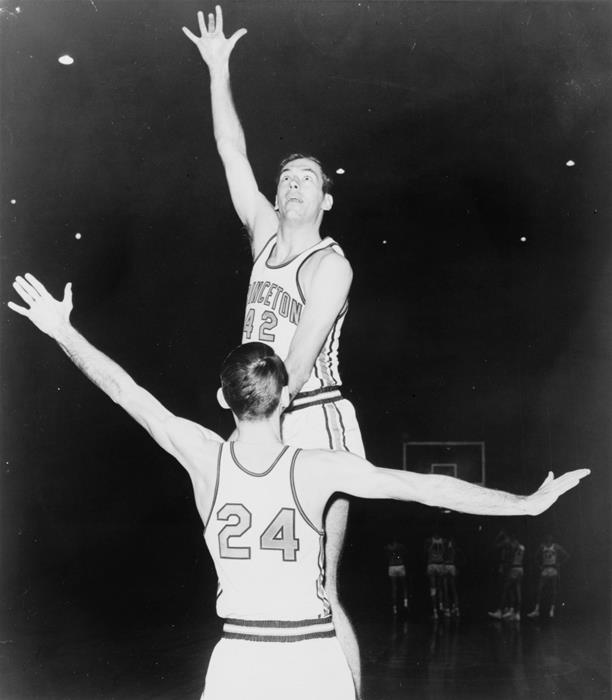
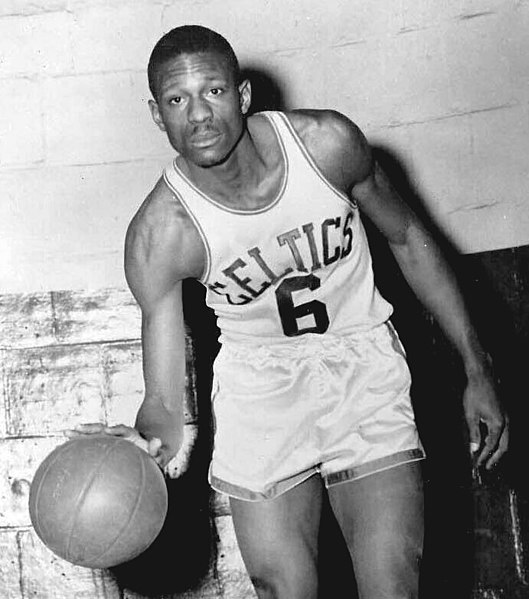
No discussion of the Knicks' history is complete without Willis Reed. Known simply as "The Captain," Reed's leadership and determination defined the team's championship runs in 1970 and 1973. His Game 7 entrance during the 1970 NBA Finals is the stuff of legend. Despite a severe thigh injury, Reed limped onto the court, scored the Knicks' first two baskets, and inspired his teammates to victory. Reed's career averages of 18.7 points and 12.9 rebounds per game underline his dominance as a center. But it's his heart and grit that fans remember most. His No. 19 was retired on October 21, 1976, ensuring that his contributions to Knicks history will never be forgotten. Dave DeBusschere's name is synonymous with toughness and tenacity. As the defensive backbone of the Knicks' championship teams, DeBusschere was a relentless competitor who could shut down the league's best players. His seven All-Defensive Team selections highlight his impact on that end of the court, while his career averages of 16 points and 10 rebounds per game showcase his all-around ability. DeBusschere's No. 22 was retired on March 24, 1981, cementing his legacy as one of the franchise's greatest defenders. When you look up at his jersey in the Garden's rafters, you're reminded of the grit and determination that defined the Knicks during their golden era. Bill Bradley was the ultimate team player, a versatile forward whose basketball IQ and unselfish play were crucial to the Knicks' success in the 1970s. Over his 10-year career, Bradley averaged 12.4 points per game and played a key role in the team's two championships. Known for his work ethic and strategic mind, Bradley's contributions extended beyond the court. His No. 24 was retired on February 18, 1984, a year after he was inducted into the Naismith Memorial Basketball Hall of Fame. When fans see his jersey in the rafters, they're reminded of a player who epitomized what it meant to be a Knick. For 15 seasons, Patrick Ewing was the face of the Knicks. Drafted first overall in 1985, Ewing quickly became the cornerstone of the franchise, leading the team to multiple playoff appearances and the 1994 NBA Finals. His dominance in the paint and ability to deliver in clutch moments made him a fan favorite. Ewing's career averages of 22.8 points, 10.4 rebounds, and 2.7 blocks per game speak to his incredible talent and consistency. His No. 33 was retired on February 28, 2003, honoring a career that solidified his place as one of the greatest Knicks of all time. Known for his unorthodox "fall-back baby" jump shot, Dick Barnett was a key contributor to the Knicks' championship teams. A versatile guard who could score in bunches, Barnett played with a confidence and flair that made him a fan favorite. His No. 12 was retired on March 10, 1990, ensuring his place in Knicks history. Although Bill Russell never played for the Knicks, his impact on the game transcended team loyalty. The NBA retired Russell's No. 6 league-wide in 2022, honoring his contributions to basketball and his work as a civil rights advocate. The Knicks, like every other team, proudly honor his legacy with this symbolic gesture. Among the Knicks' retired numbers, one stands out for its uniqueness: 613. This number represents the total regular-season wins achieved by Red Holzman, the legendary coach who led the team to its two championships. Holzman's influence extended far beyond the court, as he instilled a culture of teamwork and discipline that defined the Knicks during their most successful years. Holzman's number was retired to honor not just his wins but his profound impact on the franchise. It's a fitting tribute to a coach who became synonymous with Knicks basketball. The Knicks' two championships in 1970 and 1973 remain the high-water mark of the franchise's history. The players from this era—Frazier, Reed, DeBusschere, Bradley, Monroe, and Barnett—defined what it meant to be a Knick. Their jerseys now hang as a testament to their teamwork, talent, and tenacity. Madison Square Garden's rafters are more than a place for retired jerseys; they're a living tribute to the history and culture of the Knicks. Each number tells a story of greatness and inspires future generations of players and fans. As the years go by, we may see more numbers added to this exclusive club. But for now, the jerseys that hang in the Garden's rafters remind us of the legends who made New York basketball unforgettable.No. 22 – Dave DeBusschere

No. 24 – Bill Bradley
No. 33 – Patrick Ewing
No. 12 – Dick Barnett
No. 6 – Bill Russell
No. 613 – Red Holzman
The Championship Era That Defined the Knicks
Madison Square Garden's Stories in the Rafters
Related posts