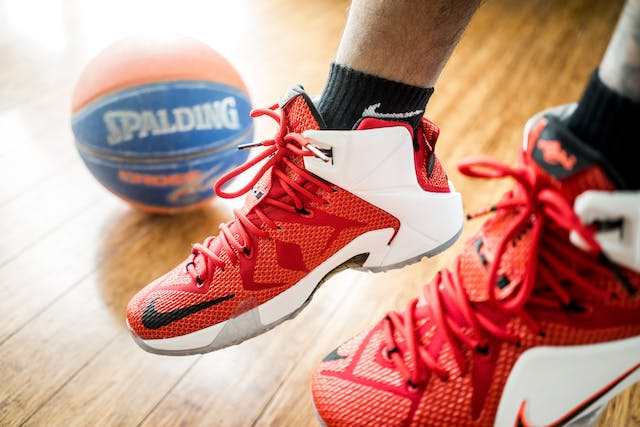
Nike Shoe Sizing Explained: Find Your Perfect Fit
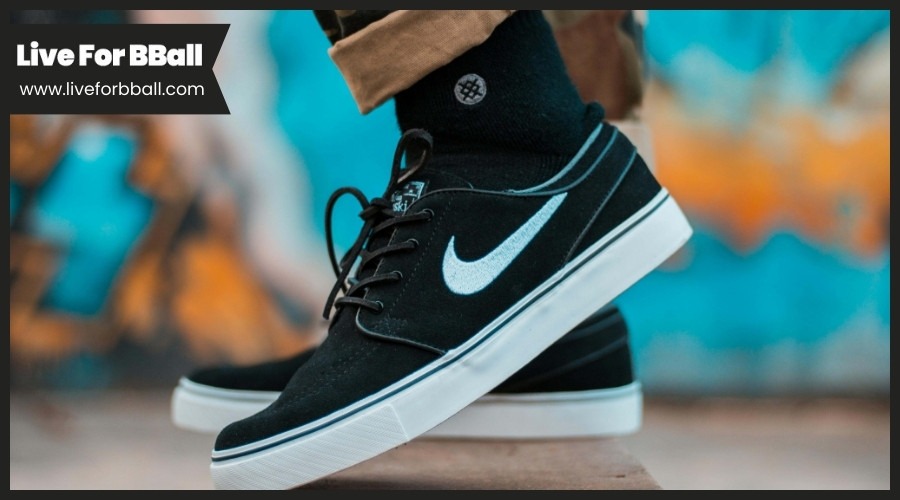
Finding the right Nike shoe size can feel like navigating a maze. With so many different models, materials, and sizing systems, it's easy to get overwhelmed. But don't worry—this guide will help you understand Nike's sizing, measure your feet correctly, and choose the perfect size for your next pair of sneakers. Whether you're eyeing a pair of Air Force 1s, Air Max, or Huaraches, we've got you covered.
Understanding Nike Sizing Charts
Nike's sizing charts are more detailed than you might think. They include conversions for US, UK, EU, and CM/JP measurements, making it easier for international shoppers to find the right fit. These charts are split into categories for men's, women's, and youth sizes, each with its own sizing nuances.
One key difference to note is that women's sizes typically run 1.5 sizes smaller than men's. For instance, if you wear a men's size 9, the equivalent women's size would be 10.5. Youth sizes follow a similar rule—they're one size smaller than women's sizes. So, if you're a woman wearing a size 7, you'll need a 6Y in youth sizing.
Nike also offers extended sizes to accommodate a wide range of feet. Men's sizes go up to US 20.5, while women's sizes reach up to 16.5. However, not every model is available in these larger sizes, so it's always a good idea to double-check.
Measuring Your Feet for Nike Shoes

The first step to finding your perfect Nike fit is measuring your feet correctly. Feet tend to swell throughout the day, so it's best to measure them in the evening when they're at their largest. Here's how to do it:
- Gather your tools. You'll need a piece of paper, a pencil, and a ruler.
- Wear your socks. Put on the socks you plan to wear with your shoes.
- Trace your foot. Stand on the paper with your weight evenly distributed, then trace around your foot with the pencil. Keep the pencil perpendicular to the paper for accuracy.
- Measure. Use the ruler to measure the length from your heel to the tip of your longest toe and the width at the widest part of your foot.
- Repeat for the other foot. It's normal for one foot to be slightly larger, so always go with the bigger size.
For an even more accurate measurement, consider using Nike's printable sizing guide or visiting a store for professional help. And don't forget—feet can change over time due to factors like pregnancy, weight fluctuations, or aging, so it's good to measure them every now and then.
Men's to Women's Size Conversion

If you're buying shoes labeled for the opposite gender, understanding the size conversion is crucial. Nike follows a consistent rule: subtract 1.5 from your women's size to find your men's size. For example, a women's size 8.5 equals a men's size 7.
Unlike some brands that have varying conversion rates, Nike keeps it simple. This consistency makes it easier to shop across categories without worrying about discrepancies. However, it's always wise to double-check the sizing chart for the specific model you're eyeing, as slight variations can occur.
Youth and Grade School Sizing
Here's a pro tip: If you have smaller feet, you can save money by shopping in the Youth or Grade School (GS) section. These shoes are often more affordable than their adult counterparts but offer the same quality and style.
To find your youth size, subtract one size from your women's size. For example, if you wear a women's size 6, your youth size will be 5Y. Keep in mind that not all Nike models are available in youth sizing, but many popular styles—like the Air Force 1—are.
Shopping in the Youth/GS section is a great option for women with sizes up to 7. You get the same Nike sneakers for less, and they're just as comfortable and stylish.
Fit Guide for Popular Nike Models
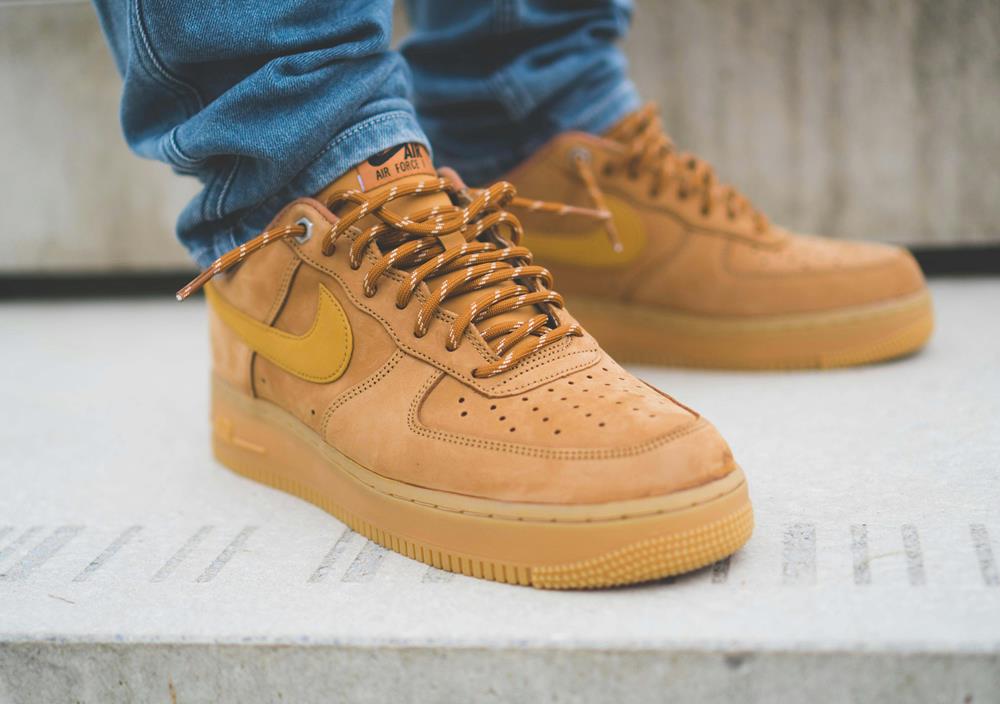
Not all Nike shoes fit the same. Here's a quick guide to some of the most popular models and their unique fit considerations:
- Air Force 1: These shoes fit true to length but can feel snug due to their leather uppers. If you have wide feet, consider going up half a size or even a full size for maximum comfort.
- Air Max Series: Most Air Max models fit true to size, but there are exceptions. For instance, the Air Max 1 has a narrow cut, so wide-footed individuals should size up. Similarly, the Air Max 720's narrow design often requires a half-size increase.
- Air Huarache: Known for its unique heel design, the Huarache typically runs small. Sizing up by half to a full size is recommended, depending on the materials.
When in doubt, try the shoes in-store or order from a retailer with a good return policy.
Width and Comfort Considerations
Finding the right width is just as important as getting the correct length. Nike offers various width options, ranging from narrow to extra-wide, to accommodate different foot shapes.
If you have wide feet, look for models with knit or mesh uppers, like the Nike Flyknit series. These materials are more flexible and can adapt to your foot's shape. Leather models, on the other hand, may feel tight at first but will stretch over time with wear.
Always ensure there's enough room in the toe box for your toes to spread and your feet to flex naturally. A good rule of thumb is to leave about half an inch of space between your longest toe and the front of the shoe.
Breaking In Your Nike Sneakers

Even with the right size, new shoes can feel stiff at first. Here's how to break them in:
- Start slow. Wear your new shoes around the house for short periods.
- Gradually increase wear. Use them for light activities like errands before wearing them for their intended purpose.
- Be patient. Leather and other rigid materials will soften over time, conforming to your feet.
Rushing the process can lead to discomfort, so take your time. Once broken in, your Nike sneakers will feel like a custom fit.
Special Fit Requirements for Athletes
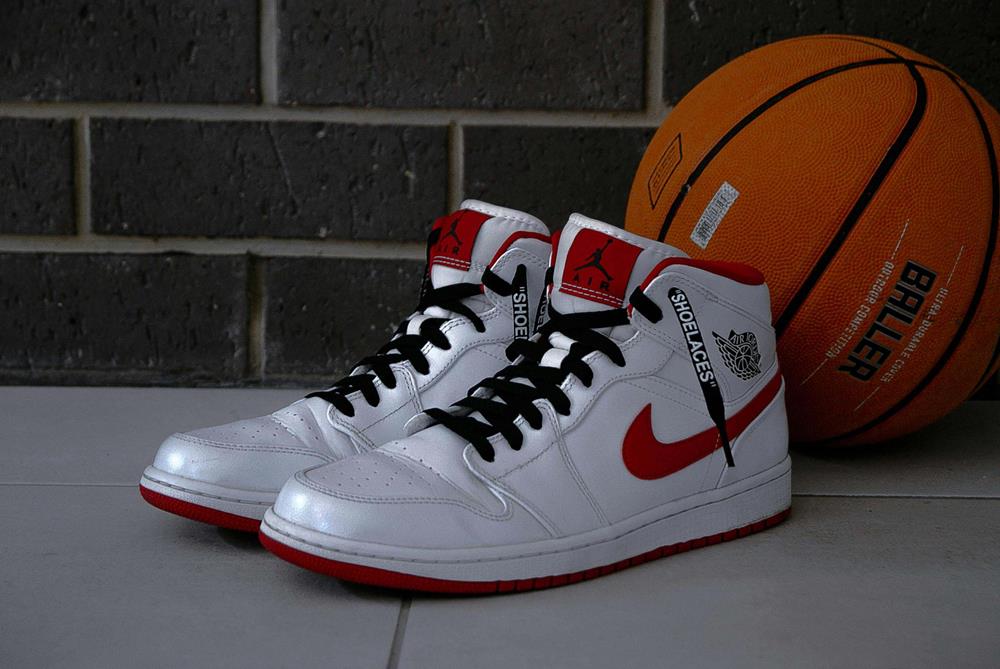
Athletes have unique sizing needs based on their sports. For runners, it's recommended to size up by half to account for foot swelling during long runs. Basketball players, on the other hand, need a snug fit for stability and quick lateral movements.
If you use custom orthotics or have specific foot conditions, look into Nike's customizable options. These allow you to tweak the fit for optimal performance.
Conclusion
Finding the perfect Nike shoe size involves more than just knowing your measurements—it's about understanding the nuances of different models and materials. By following these tips and using Nike's sizing tools, you'll be well on your way to a comfortable, stylish, and performance-ready fit.
Now that you're equipped with this guide, it's time to find your next pair of Nikes. Whether you're shopping online or in-store, you'll know exactly what to look for to make your feet happy.