Philadelphia 76ers' Retired Jersey Numbers: Honoring Philly Basketball Greats

When you walk into the Wells Fargo Center, the banners hanging above the court catch your eye immediately. These aren't just numbers; they're symbols of Philadelphia basketball history and the players who defined it. From Wilt Chamberlain's domination to Allen Iverson's relentless heart, each number reflects greatness. Let's break down the contributions and legacy of the legends whose jerseys now hang in the rafters.
Historical Context: The Tradition of Retired Jerseys
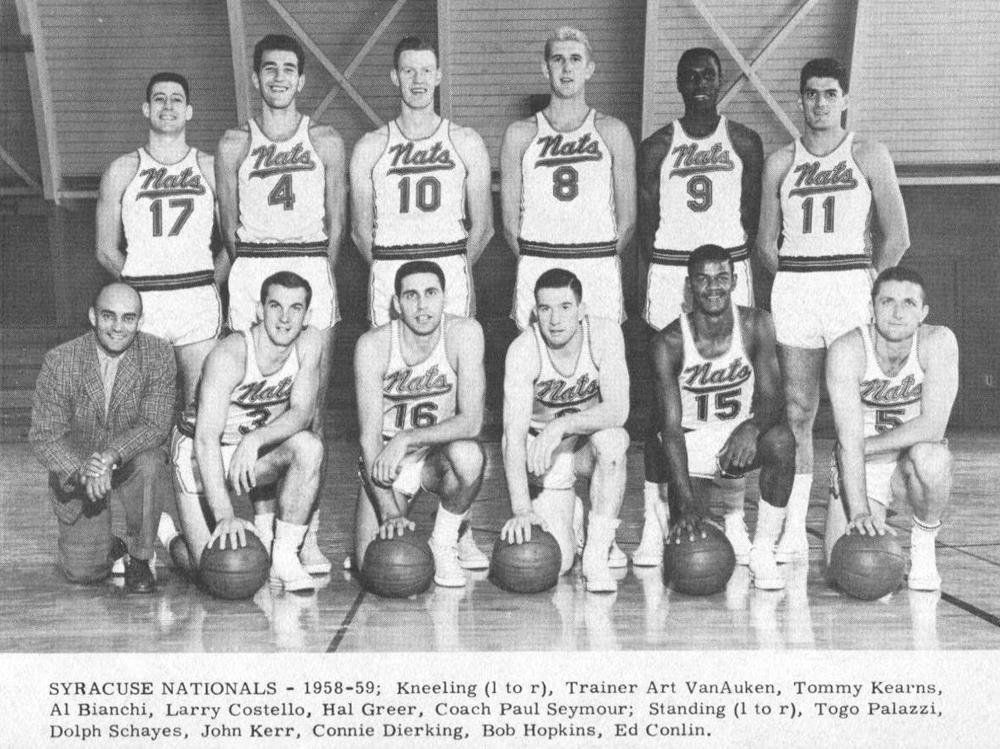
Retiring a player's jersey is one of the highest honors an NBA franchise can bestow. For the Philadelphia 76ers, it's a way to immortalize players who not only excelled on the court but also left an indelible mark on the franchise and its fans. The practice started gaining prominence in the mid-20th century as a way to honor exceptional careers. For the Sixers, this tradition connects the team's modern success to its roots as the Syracuse Nationals.
This gesture is about more than basketball; it's about preserving the legacy of players who helped shape the franchise's identity. Each banner hanging in the rafters serves as a reminder to fans and players alike of the hard work, resilience, and brilliance required to achieve greatness.
Wilt Chamberlain (#13)
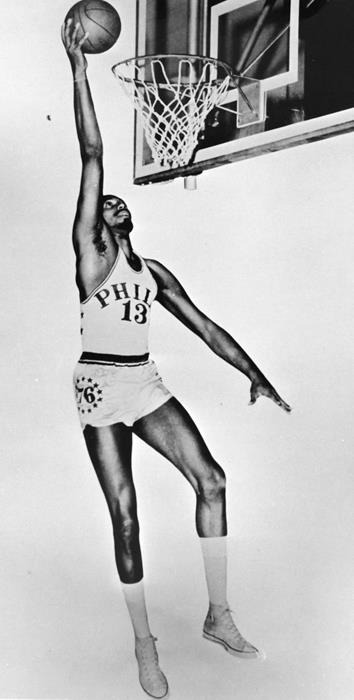
Wilt Chamberlain's time with the 76ers is legendary. During the 1966-67 season, he led the team to a 68-13 record, which was the best regular-season mark in NBA history at the time. That season, Wilt averaged 24.1 points and 24.2 rebounds per game. The highlight was his dominant performance in the playoffs, guiding the Sixers to the NBA championship by defeating the Boston Celtics and San Francisco Warriors.
Wilt's contributions to the game went far beyond his stats. His incredible scoring abilities, including his record-setting 100-point game (achieved while playing for the Philadelphia Warriors), and unmatched rebounding made him one of basketball's all-time greats. His number 13 represents an era when the Sixers were nearly unstoppable.
Julius "Dr. J" Erving (#6)
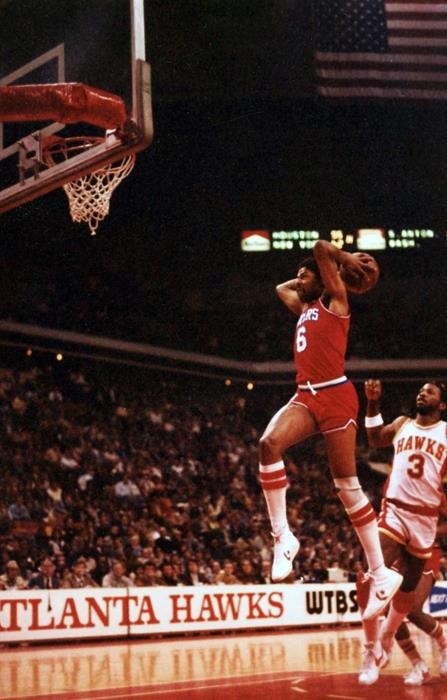
Julius Erving joined the Sixers in 1976 and quickly became one of the most iconic players in franchise history. Known for his acrobatic dunks and smooth play, Dr. J revolutionized basketball. He was the ultimate crowd-pleaser and one of the game's most respected ambassadors.
Dr. J's career with the Sixers included an NBA MVP award in 1981, 11 All-Star appearances, and the crowning achievement of the 1983 NBA championship. He averaged 22 points, 6.7 rebounds, and 3.9 assists per game over his 11 seasons with the team. His number 6 is a testament to a player who brought elegance and excellence to the court while leading the Sixers to success.
Moses Malone (#2)
Moses Malone's arrival in Philadelphia before the 1982-83 season was a game-changer. That year, he famously predicted the Sixers' playoff dominance with his "Fo', fo', fo'" declaration. Though the Sixers lost just one game in the playoffs, his prediction wasn't far off.
Malone's regular season stats were stellar: 24.5 points and 15.3 rebounds per game. He stepped up even more in the playoffs, earning Finals MVP honors as the Sixers swept the Los Angeles Lakers in the Finals. His number 2 in the rafters reminds fans of the 1983 championship team—one of the most dominant in NBA history.
Allen Iverson (#3)
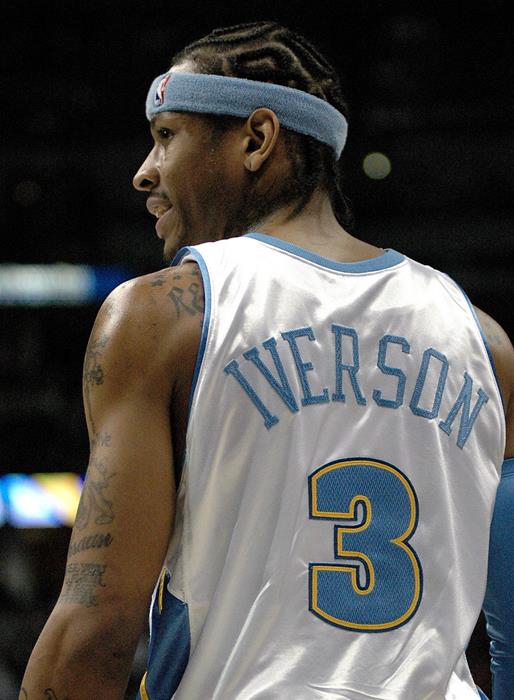
Allen Iverson's connection with Philadelphia was unlike any other. Standing at just six feet tall, he played with unmatched intensity, earning league MVP honors in 2001. That year, he averaged 31.1 points per game and carried the Sixers to the NBA Finals. One of his most iconic moments came in Game 1 of the Finals when he scored 48 points and memorably stepped over Tyronn Lue.
Iverson's impact extended beyond his stats. He inspired a generation with his fearless play and undeniable charisma, becoming a cultural icon in the process. Over his 10 seasons with the Sixers, Iverson averaged 27.6 points and 6.1 assists per game. His number 3 represents the grit and passion of Philadelphia.
Speculating on Future Retirements
With Joel Embiid leading the current Sixers roster, there's already speculation about the next jersey to join the rafters. Embiid's dominance in the paint, multiple All-Star appearances, and MVP-caliber seasons make him a strong candidate for this honor. If the Sixers can win a championship during his tenure, his legacy in Philadelphia would be solidified.
Other notable players from recent history, like Andre Iguodala, could warrant discussion down the line. While Ben Simmons' departure complicates his legacy, his contributions to the team's success during his tenure may still earn recognition. The criteria for jersey retirement are stringent, but as the Sixers' story continues to evolve, the conversation about future honorees remains an exciting prospect.
Defensive Foundations: Maurice Cheeks (#10) and Bobby Jones (#24)
Maurice Cheeks was the definition of a steady hand at the point guard position. Over his 11 seasons with the Sixers, he became the franchise's all-time leader in assists (6,212) and steals (1,942). Cheeks was a four-time All-Star and an integral part of the 1983 championship team.
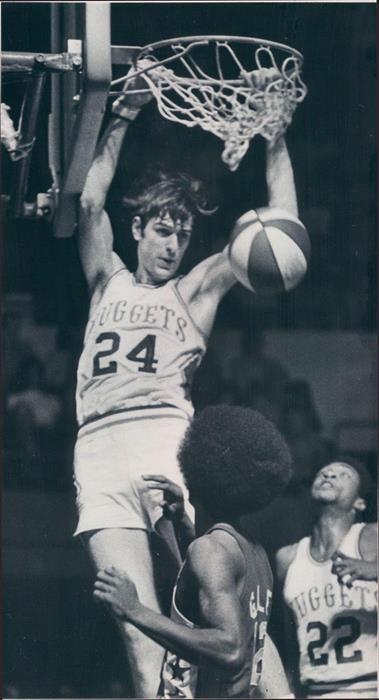
Bobby Jones, meanwhile, was the Sixers' defensive specialist. Known for his hustle and integrity, Jones was an eight-time NBA All-Defensive First Team selection. He won the NBA's first-ever Sixth Man of the Year award in 1983, contributing off the bench during the Sixers' championship season. Their numbers, 10 and 24, symbolize the team's commitment to defense and teamwork.
Comparing Sixers' Retirements with Other Franchises
The Sixers' approach to jersey retirements is both selective and prestigious, comparable to other storied franchises like the Boston Celtics and Los Angeles Lakers. While the Celtics boast the most retired numbers in the NBA, including legends like Bill Russell (#6) and Larry Bird (#33), the Sixers' honorees reflect a focus on transformative figures who redefined the team's success.
Unlike some franchises that retire numbers for players with long but unspectacular tenures, the Sixers ensure that only those who achieved greatness earn the honor. This selective process strengthens the significance of their retired jerseys and ties their legacy to the highest standard of excellence in the NBA.
Pioneering Stars: Dolph Schayes (#4) and Hal Greer (#15)
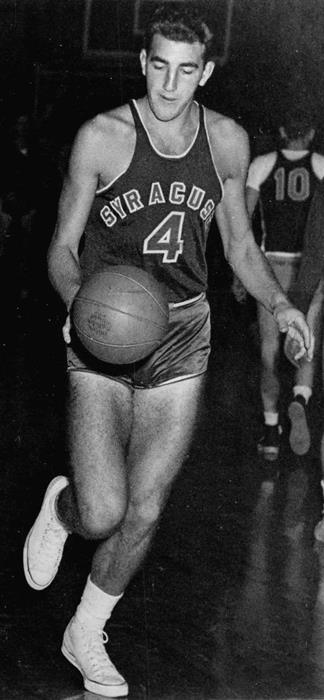
Before the Sixers moved to Philadelphia, they were the Syracuse Nationals, and Dolph Schayes was their star. Schayes led the Nationals to an NBA championship in 1955 and earned 12 All-Star appearances. He was a pioneer of the modern forward position, averaging 18.5 points and 12.1 rebounds per game over his career.
Hal Greer took over as the team's leader when it became the Philadelphia 76ers. He remains the franchise's all-time leader in points scored (21,586). Greer was a 10-time All-Star and played a critical role in the Sixers' 1967 championship season, averaging 22 points in the playoffs. The numbers 4 and 15 reflect the foundational years of Sixers basketball and the players who set the standard.
Billy Cunningham (#32)
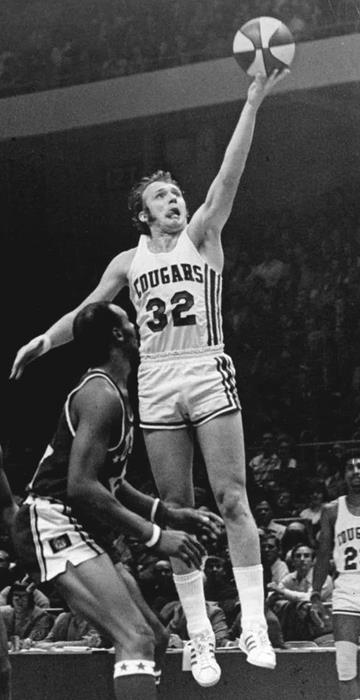
Billy Cunningham's career with the Sixers spanned two roles: as a player and later as a coach. Nicknamed "The Kangaroo Kid" for his leaping ability, Cunningham was a key contributor to the 1967 championship team. He averaged 21.2 points and 10.4 rebounds per game during his nine seasons with the Sixers.
Cunningham's impact didn't stop there. As head coach, he led the Sixers to their 1983 championship, making him one of the few individuals to win titles with the same franchise as both a player and a coach. His number 32 celebrates his immense contributions to the team's success.
The Wells Fargo Center: A Hall of Heroes
The Wells Fargo Center isn't just an arena; it's a living tribute to the legends of the Philadelphia 76ers. The retired numbers hanging in the rafters serve as reminders of the greatness that has passed through the franchise. Each banner is a story of triumph, sacrifice, and excellence.
Fans today look up at those numbers and feel a connection to the past. For current players like Joel Embiid, they're a challenge to uphold the legacy of those who came before them. The rafters are a bridge between eras, showing that greatness in a Sixers uniform is timeless.
Conclusion
The retired numbers of the Philadelphia 76ers are more than just acknowledgments of individual brilliance. They're milestones in a storied history that spans decades. Each banner hanging in the Wells Fargo Center tells a story of hard work, resilience, and a commitment to the city of Philadelphia.
As the Sixers continue their journey, these legends remain an enduring part of the team's identity. They inspire today's players and fans alike, proving that the past isn't just remembered—it's celebrated. And with every new season, the promise of adding another chapter to this legacy grows stronger.