Running Form and Style: How They Impact Performance

Running is one of the most natural forms of movement, but perfecting your form and style can make all the difference in how efficiently and safely you move. Whether you’re just starting out or are aiming to set a personal record, paying attention to your running mechanics can help you conserve energy, boost your speed, and reduce your risk of injuries. Let’s dive into the essentials of running form and how you can fine-tune your stride for optimal performance.
Running Mechanics Fundamentals
Good running mechanics are built on three key principles: foot strike, propulsion, and recovery. Each phase of your stride is interconnected, creating a chain of movements that determines your efficiency and performance.
- Foot Strike: Your foot should make contact with the ground in a neutral position, ideally landing on the midfoot or forefoot. A midfoot strike reduces braking forces and promotes a smooth transition through your stride. Avoid landing heavily on your heels, as this can increase impact forces on your joints.
- Propulsion: Forward momentum doesn’t come from aggressive toe-pushing. Instead, focus on letting your body’s natural mechanics—including the stretch and recoil of your Achilles tendon—propel you forward. This approach minimizes wasted energy.
- Recovery: During the recovery phase, allow your legs to move naturally. Avoid overthinking this step, as trying to “force” your recovery can lead to inefficient movements and wasted effort.
By refining each of these elements, you can run more efficiently and reduce your injury risk. Start small: try focusing on one aspect during each run to develop habits that stick.
Proper Foot Strike Pattern
How your foot hits the ground plays a crucial role in running efficiency and injury prevention. Research has shown that heel-striking is associated with higher impact forces, which can place extra stress on your knees and hips. Transitioning to a midfoot or forefoot strike can significantly lower your risk of injury and improve your running economy.
Here’s how to make the switch:
- Increase Cadence: A higher step rate (about 170-180 steps per minute) encourages shorter, lighter strides and a midfoot strike. Apps or running watches with cadence trackers can help you monitor this.
- Focus on Form: Pay attention to where your foot lands. Aim for your foot to strike directly under your hips, not ahead of your body.
- Practice Drills: Incorporate drills like high knees and butt kicks into your warm-up routine. These exercises naturally encourage a midfoot landing.
Switching your foot strike pattern takes time, so be patient with yourself. Gradual changes can prevent muscle fatigue and strain while allowing your body to adapt.
Body Alignment While Running
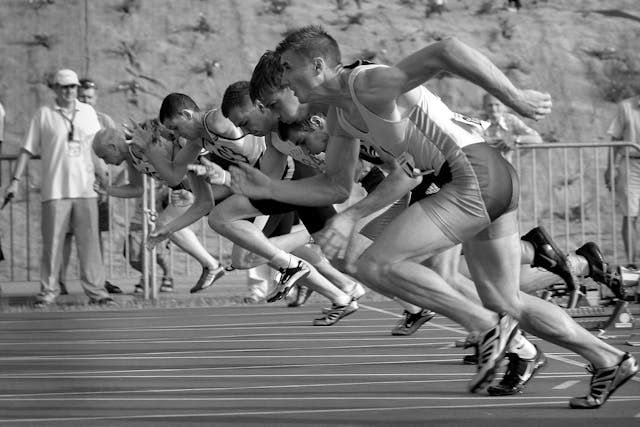
Your posture is the foundation of efficient running. Proper alignment helps you maintain balance, conserve energy, and reduce strain on your joints. Here are the basics:
- Head Position: Keep your head level and gaze forward about 15-20 feet ahead. Avoid staring at your feet, as this can cause neck and shoulder tension.
- Shoulders and Arms: Relax your shoulders and keep them parallel to the ground. Your arms should swing naturally, bent at about a 90-degree angle. Imagine holding a chip in each hand and not crushing it—this keeps your grip light and prevents unnecessary tension.
- Core Engagement: Engage your core muscles to stabilize your body and maintain an upright posture. Think of a string pulling you upward from the crown of your head.
- Forward Lean: Lean slightly forward from your ankles, not your waist. This position shifts your center of mass forward, promoting a smoother stride.
Posture can make or break your efficiency. Regularly check in with yourself during runs to ensure your body is aligned and relaxed. A great way to support your form and comfort while training is by minimizing distractions. The STRYQ Running Belt is designed to hold essentials like your phone, keys, or energy gels without bouncing or chafing, allowing you to focus fully on your stride. Its lightweight, ergonomic design sits snugly against the body, which helps maintain proper alignment and rhythm during runs. By keeping your gear secure and out of the way, the STRYQ Running Belt makes it easier to stay efficient and conserve energy over long distances.
Training Adaptations and Recovery
While perfecting your form is essential, your training routine and recovery practices are equally important. These elements determine how well your body adapts to the demands of running.
Gradual Progression
Increasing your mileage or intensity too quickly can lead to overuse injuries. Follow the 10% rule, which advises increasing your weekly mileage by no more than 10% at a time. This gradual approach allows your muscles, tendons, and ligaments to adapt.
Strength Training
Incorporating strength training 2-3 times per week can help address muscle imbalances and build resilience. Focus on exercises that target your core, hips, and legs, such as planks, lunges, and squats.
Recovery Practices
Recovery is where your body repairs itself and grows stronger. Prioritize rest days and consider using tools like foam rollers, compression sleeves, or massage guns to ease muscle soreness. Cross-training activities like swimming, cycling, or yoga can also provide a break from impact while maintaining your fitness.
Injury Prevention Through Form
Your running style directly influences your likelihood of injury. Improper form, such as overstriding or heel-striking, increases stress on your joints and muscles. To minimize injury risk, focus on these key adjustments:
- Shorten Your Stride: Overstriding (landing with your foot far in front of your body) increases braking forces. Aim for a shorter, quicker stride.
- Increase Cadence: A higher step rate reduces the time your feet spend on the ground, decreasing impact forces.
- Strengthen Your Body: Exercises like single-leg squats and deadlifts improve stability and reduce the risk of overuse injuries.
Power Development for Runners

Power is a game-changer for runners. It’s what allows you to propel yourself forward efficiently while maintaining a strong stride. Building power involves strengthening your muscles and tendons to store and release energy effectively.
Exercises to Build Power
- Plyometrics: Incorporate exercises like box jumps, bounding, and skipping. These movements improve explosive strength and elasticity.
- Weighted Strides: Wear a weighted vest (no more than 10-20% of your body weight) and practice short bursts of running. This helps strengthen key muscle groups while improving running economy.
Studies show that just six weeks of power training can enhance running efficiency by 5% and improve race times by 3%. Consistency is key, so make power drills a regular part of your training.
Surface Selection and Training Variables
Where you run matters. The type of surface you train on can impact your performance and injury risk. Here’s how to make smart choices:
- Vary Your Terrain: Alternate between softer surfaces (like trails or grass) and harder ones (like asphalt). This variation reduces repetitive stress and strengthens different muscle groups.
- Adapt Your Cadence: Shorten your stride slightly on softer surfaces to maintain stability.
- Choose Appropriate Footwear: Invest in running shoes designed for specific terrains. Trail running shoes, for instance, offer better grip and support on uneven ground.
Changing surfaces and adapting your training variables keeps your routine fresh and reduces the risk of overuse injuries.
Movement Efficiency and Energy Conservation

Efficiency is all about moving with minimal wasted effort. Every aspect of your form contributes to how much energy you conserve during a run.
Tips for Improving Efficiency
- Maintain a High Cadence: Aim for 170-180 steps per minute. This reduces vertical oscillation and keeps your stride compact.
- Engage Your Core: A strong core helps stabilize your body, reducing unnecessary side-to-side movement.
- Practice Drills: Drills like A-skips and strides improve coordination and reinforce efficient biomechanics.
By focusing on small, intentional changes, you’ll notice improvements in your running economy and endurance over time.
Conclusion
Running with proper form isn’t just about looking good—it’s the foundation for better performance and fewer injuries. From refining your foot strike to engaging your core and maintaining alignment, small adjustments can lead to big improvements. Remember, progress takes time, so focus on one area at a time and celebrate the gains you make along the way.
Whether you’re training for a marathon or simply running for fitness, mastering your form is an investment in your running future. Lace up, hit the road, and start putting these tips into practice!
Related posts