Sacramento Kings' Retired Jersey Numbers: Celebrating Kings Icons
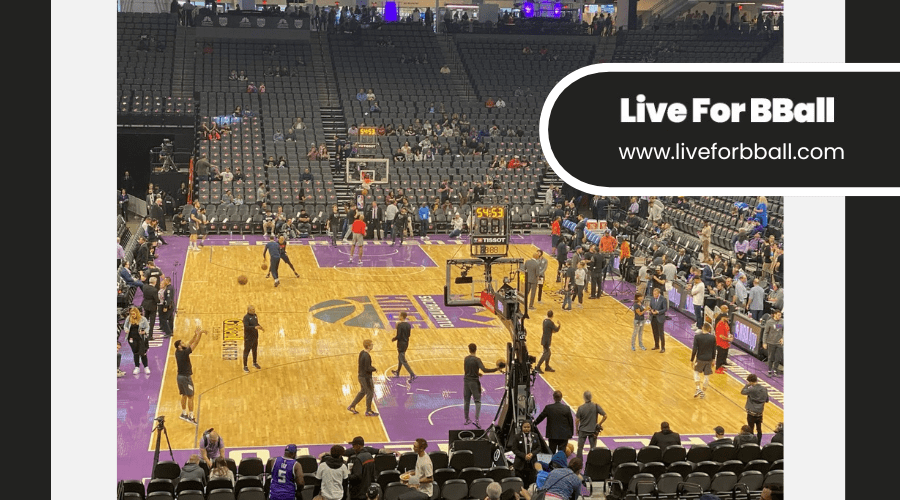
The Sacramento Kings are a team with a history that stretches across decades, cities, and unforgettable moments. From their roots as the Rochester Royals to their iconic days in Sacramento, this franchise has been shaped by extraordinary players whose talents left an indelible mark. Some were innovators who changed the way basketball was played, while others were relentless competitors who brought pride to their team and their city.
The retired jerseys hanging in the rafters of the Golden 1 Center tell those stories. They represent not just incredible stats, championships, and accolades, but also the heart, soul, and passion of a franchise that has endured through every high and low. Each number has a story to tell—let’s dive into the legends who earned their permanent place in Kings history.
The Early Years and Legendary Beginnings
Before the Kings became synonymous with Sacramento, they were the Rochester Royals, a powerhouse in the NBA's early days. These legends were the foundation of the franchise's winning culture.
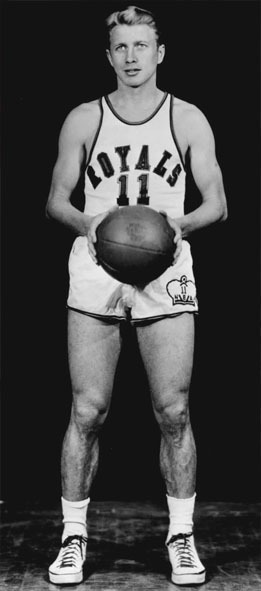
Bob Davies (#11)
Nicknamed the "Houdini of the Hardwood," Bob Davies revolutionized basketball with his creative playmaking. Over seven seasons with the Royals, Davies averaged 14.3 points, 4.9 assists, and 4.0 rebounds per game. He led the Royals to their only NBA championship in 1951 and earned four All-Star selections. His inventive style, including the behind-the-back dribble, set the tone for modern guards. Davies was inducted into the Basketball Hall of Fame in 1970, cementing his legacy as a trailblazer in the sport.
Maurice Stokes (#12)
Maurice Stokes’ numbers reflect his dominance: he averaged 16.4 points, 17.3 rebounds, and 5.3 assists per game during his brief but brilliant career. Stokes was the 1956 NBA Rookie of the Year and a three-time All-Star. Tragically, his career ended after a brain injury suffered during a game, leaving him paralyzed. Despite this, Stokes’ impact endured, and his story—defined by his friendship with teammate Jack Twyman—remains one of the NBA’s most inspiring tales.
Jack Twyman (#27)
Over 11 seasons, Jack Twyman was a model of consistency and excellence. He averaged 19.2 points, 6.6 rebounds, and 3.0 assists per game, including back-to-back seasons where he scored over 30 points per game. Twyman was a six-time All-Star and one of the league’s premier scorers in the late 1950s and early 1960s. Beyond his statistics, Twyman’s devotion to Maurice Stokes, becoming his legal guardian and lifelong friend, elevated him as a figure of loyalty and compassion in sports.
Oscar Robertson (#14)
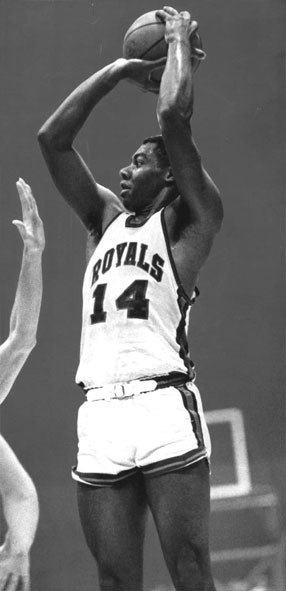
The "Big O" is synonymous with all-around excellence. During his 10 seasons with the Cincinnati Royals, Robertson posted mind-blowing averages of 29.3 points, 10.3 assists, and 8.5 rebounds per game. In 1961–62, he became the first player in NBA history to average a triple-double over an entire season (30.8 points, 11.4 assists, 12.5 rebounds). Robertson won the 1964 MVP award and was a 10-time All-Star with the franchise. His No. 14 jersey symbolizes a decade of dominance and a legacy that transformed the guard position forever.
Pioneers Who Defined the Franchise
As the franchise transitioned from Cincinnati to Kansas City and eventually Sacramento, new stars carried the torch, leaving their mark on the Kings.
Sam Lacey (#44)
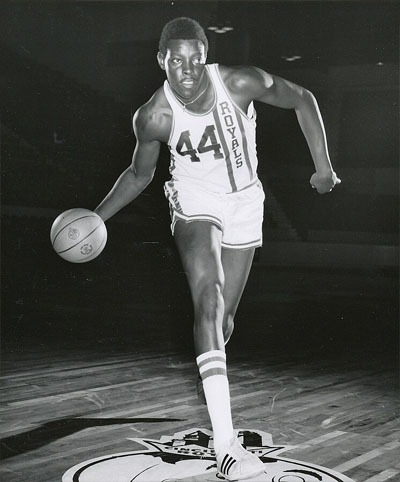
Known for his durability and defensive prowess, Sam Lacey anchored the Kings’ frontcourt during the 1970s. Over 11 seasons, he averaged 11.1 points, 9.7 rebounds, and 3.7 assists per game. Lacey remains among the franchise leaders in rebounds (9,353) and blocked shots (1,140). His 1974–75 season, where he averaged 11.5 points, 14.2 rebounds, and 5.3 assists, earned him an All-Star nod. Lacey’s work ethic and consistency made him one of the most reliable big men of his era.
Nate "Tiny" Archibald (#1)
Standing at just 6'1", Tiny Archibald played with a style that was anything but small. During the 1972–73 season, he became the first—and still the only—player in NBA history to lead the league in both scoring (34.0 points per game) and assists (11.4 per game). Over his six seasons with the Kings, Archibald averaged 25.2 points and 8.1 assists. His electrifying speed and unmatched scoring ability made him one of the most dynamic guards the league has ever seen.
The Stars Who Redefined Sacramento Basketball
The Kings’ relocation to Sacramento in 1985 marked a fresh start, and several players became synonymous with the team’s identity in this new era.
Mitch Richmond (#2)
During his seven seasons in Sacramento, Mitch Richmond was the epitome of consistency, averaging 23.3 points, 4.1 rebounds, and 3.9 assists per game. He earned six consecutive All-Star selections and was the 1995 All-Star Game MVP. Richmond was the Kings’ leading scorer every season he played in Sacramento, giving the franchise a steady presence during some lean years. His No. 2 jersey honors his unwavering excellence and leadership.
Chris Webber (#4)
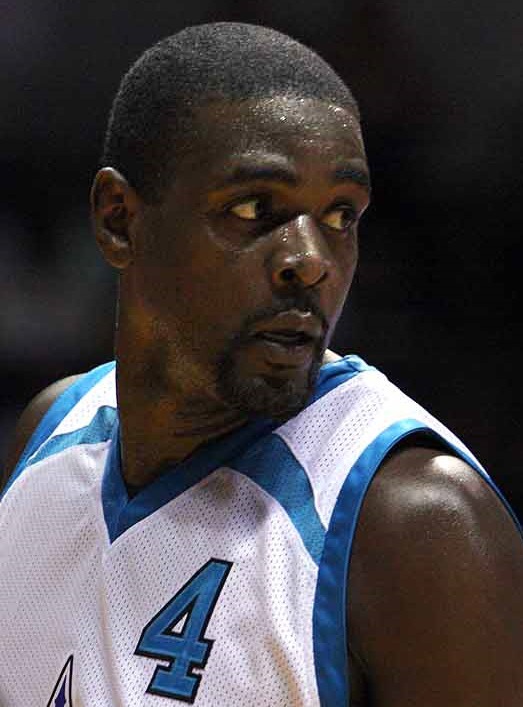
Image: inboundpass, Chris Webber NBA Asia Challenge 2010, CC BY 2.0

Chris Webber transformed the Kings into a legitimate contender in the late 1990s and early 2000s. Over seven seasons, he averaged 23.5 points, 10.6 rebounds, and 4.8 assists per game, leading the team to the Western Conference Finals in 2002. A four-time All-Star with the Kings, Webber’s versatility and clutch performances made Sacramento one of the league’s most exciting teams. His No. 4 jersey is a symbol of the Kings’ golden era.
Peja Stojaković (#16)
Peja Stojaković was the Kings’ sharpshooting sensation. During his eight seasons in Sacramento, he averaged 18.3 points and shot 39.8% from three-point range. Stojaković earned three All-Star selections and remains the franchise leader in three-pointers made (1,070). His ability to stretch the floor and deliver in critical moments made him an integral part of the Kings’ success.
Vlade Divac (#21)
A skilled passer and leader on and off the court, Vlade Divac was the heart of the Kings during their early 2000s resurgence. Over six seasons, Divac averaged 11.4 points, 7.8 rebounds, and 3.7 assists. His unselfish play and veteran presence helped shape the Kings into one of the NBA’s most cohesive units. Divac’s jersey retirement also honors his contributions to the franchise as a front-office executive.
The Loyal Fans Who Are the Sixth Man
In 1985, the Kings retired the number 6 jersey—not for a player, but for their loyal fans. Known as the "Sixth Man," Sacramento’s fan base has been the backbone of the franchise, filling arenas with unmatched energy and passion.
From the deafening roars of Arco Arena during the Webber-Stojaković years to the modern "Light the Beam" tradition, Kings fans have always stood by their team, even during rebuilding seasons. The retirement of No. 6 in their honor reflects the Kings’ appreciation for their unwavering support.
In 2022, the number 6 gained even greater significance when the NBA retired it league-wide in honor of Bill Russell. The dual tribute makes the Kings’ recognition of the number uniquely special.
A Legacy of Hall of Fame Greats
The Sacramento Kings’ retired numbers don’t just represent great players—they reflect some of the most influential figures in basketball history. Among them are five Hall of Famers whose contributions helped shape not only the franchise but the evolution of the game itself. These players exemplify what it means to leave a lasting legacy, both on and off the court.
- Bob Davies (#11) was a pioneer of the modern guard position, known for his innovative playmaking and leadership during the Rochester Royals’ championship run in 1951. His creative style, including introducing the behind-the-back dribble, set the standard for generations of guards who followed.
- Maurice Stokes (#12) was a dominant force in his short career, averaging 16.4 points and 17.3 rebounds per game. Despite his tragic injury that ended his playing days, Stokes’ courage and resilience became an enduring story of hope and friendship in sports, exemplified by his bond with teammate Jack Twyman.
- Oscar Robertson (#14), famously known as "The Big O," revolutionized basketball with his all-around brilliance. As a Cincinnati Royal, he became the first player to average a triple-double for a season and won the 1964 MVP award, solidifying his status as one of the greatest players in NBA history.
- Jack Twyman (#27) wasn’t just a scoring machine; he was a six-time All-Star who demonstrated incredible character, caring for Stokes after his career-ending injury and becoming his legal guardian. Twyman’s on-court talent and off-court humanity made him a legend in every sense of the word.
- Peja Stojaković (#16) brought European finesse to Sacramento, becoming one of the NBA’s most prolific three-point shooters. His sharpshooting and clutch performances during the Kings’ golden years earned him a lasting place in the hearts of fans and in basketball history.
These Hall of Famers set the bar for excellence, each in their own unique way. Their jerseys hanging in the rafters are a testament to their impact, serving as inspiration for future Kings players who dream of leaving their mark on the franchise and the game.
Looking Ahead: Future Legends?
The Sacramento Kings are entering an exciting new chapter, led by dynamic stars De’Aaron Fox and Domantas Sabonis. Fox, fresh off a stellar 2023 All-NBA season, has become the team’s unquestioned leader. Known for his lightning speed and clutch performances, he was named the NBA’s first-ever Clutch Player of the Year, leading the league in crunch-time scoring. His ability to take over games, especially during the playoffs, has cemented him as one of the league’s top guards and the face of Sacramento’s resurgence.
Sabonis, meanwhile, has brought dominance and versatility to the Kings’ frontcourt. In the 2022–23 season, he led the NBA in rebounds while averaging 19.1 points and 7.3 assists, solidifying his role as one of the most complete big men in the game. His leadership and chemistry with Fox have propelled the Kings to their first playoff appearance in 17 years, breaking the league’s longest postseason drought. Together, they’ve redefined what the Kings are capable of, both as a team and as a franchise.
With Fox and Sabonis leading the way and rising stars like Keegan Murray making an impact, the Kings are building a foundation for sustained success. While it’s too early to predict jersey retirements, their contributions to the team’s revival and connection with the fans put them on the path to potential greatness. The question is no longer whether Sacramento can compete—it’s how far they can go with this exciting new core.
Conclusion
When you look up at the retired jerseys hanging in Golden 1 Center, you’re not just seeing numbers—you’re seeing decades of history, perseverance, and basketball excellence. From Bob Davies’ championship leadership to Chris Webber’s transformation of the Kings into contenders, every player honored helped build the Kings’ legacy. These banners don’t just celebrate individual achievements; they connect fans and players across generations, reminding us why we love the game.
And then there’s the sixth man—the fans. Their loyalty and passion have carried this team through every challenge, making them an inseparable part of the Kings' story.
As the Kings step into an exciting new era led by rising stars, the question remains: who will be the next name to join this legendary group? Whoever it is, one thing’s for sure—the future in Sacramento is as bright as the "beam" they light after every victory.
Related posts