The Biggest Basketball Shoe Failures You May Have Forgotten
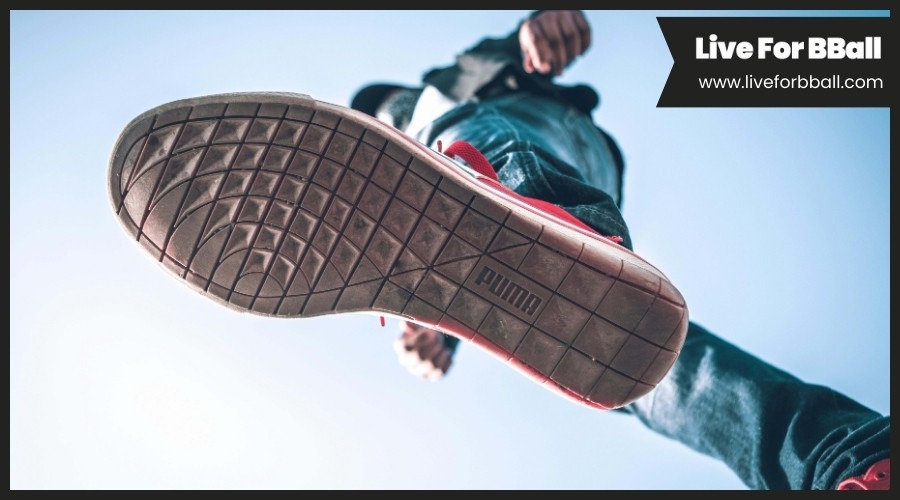
Basketball shoes have always been more than just footwear; they're symbols of performance, style, and sometimes innovation gone awry. While many sneakers have risen to iconic status, a few designs have failed so spectacularly that they've become legends in their own right. From impractical gimmicks to catastrophic design flaws, these are the basketball shoe failures that left players and fans shaking their heads—and sometimes laughing out loud.
1. Adidas Kobe 2: Space Boots No One Wanted
View this post on Instagram
Released in 2002, the Adidas Kobe 2 was part of Kobe Bryant's signature line. But instead of elevating Kobe's brand, it nearly sent it into orbit—and not in a good way. The shoe's bulky, futuristic design resembled something an astronaut might wear, and its lack of flexibility made it unsuitable for quick, agile movements on the court. Critics lambasted the design, calling it impractical and clunky, and fans quickly turned their backs. Even Kobe himself seemed unimpressed, eventually leaving Adidas to sign with Nike, where he'd find greater success. The Kobe 2 serves as a cautionary tale about prioritizing aesthetic experimentation over functionality. When Duke phenom Zion Williamson's Nike PG 2.5 exploded during a 2019 game against North Carolina, it was more than just a shoe malfunction—it was a headline-making disaster. The blowout left Williamson injured and raised serious concerns about Nike's quality control. The incident even caused Nike's stock to dip temporarily, as critics questioned whether the brand could handle the demands of today's explosive athletes. Nike responded quickly, creating a custom pair of reinforced sneakers for Williamson, but the damage to its reputation lingered. It was a stark reminder that even the biggest names in footwear can't afford to slip up. In the early 2000s, Dada released a sneaker inspired by NBA player Latrell Sprewell—and it came with spinning rims. Yes, you read that right. The Dada Sprewell Spinners featured tiny wheels on the sides that spun as the wearer walked or ran. While undeniably flashy, the spinning rims added unnecessary weight and had zero impact on performance. Instead of being taken seriously as a basketball shoe, it became a novelty item and a symbol of how far brands will go to stand out. Needless to say, the Dada Spinners spun their way into infamy rather than success. Stephen Curry's signature line with Under Armour has generally been a hit, but the Curry 2 Low "Chef" colorway was an exception. Released in 2016, the all-white sneaker was meant to be sleek and clean but ended up looking more like orthopedic footwear. Social media had a field day, turning the "Chef" into a viral meme. Though the shoe itself performed well on the court, its aesthetic failure overshadowed its functionality. Under Armour learned the hard way that design matters just as much as performance when it comes to sneaker culture. When the Air Jordan XV launched in 1999, it aimed to push the boundaries of sneaker design. Inspired by NASA's X-15 fighter jet, the shoe featured a protruding tongue and unconventional lines that left fans scratching their heads. The XV also suffered from comfort issues, with many players finding the fit awkward and stiff. Despite the Air Jordan line's legendary status, the XV is widely regarded as one of the least successful entries, proving that even Michael Jordan's name couldn't save this design misfire. Reebok's ATR Pump promised a customized fit through its inflatable pump mechanism, but the reality fell short. The pump often malfunctioned, deflating during games or failing to provide the promised support. While the concept was innovative, the execution left much to be desired. The ATR Pump's failure highlighted the risks of over-promising technology that couldn't deliver under real-world conditions. The Converse React Gel was marketed as a revolutionary cushioning system in the 1990s, but it turned out to be a hazard. The gel bladders inside the shoe were prone to leaking, creating slippery conditions on the court. Players complained of losing their footing, and the shoe's reputation quickly plummeted. Converse's misstep was a reminder that durability is just as important as comfort in basketball footwear. Tracy McGrady's Adidas T-Mac 4 introduced a HUG compression system meant to improve fit and performance. Instead, it added excessive weight and complexity, making the shoe cumbersome on the court. Fans and players alike criticized the T-Mac 4 for prioritizing innovation at the expense of practicality. The shoe's failure underscored the need for balance between performance features and usability. LeBron James is one of Nike's biggest stars, but even he couldn't save the LeBron 11. Despite its cutting-edge design, the shoe caused discomfort and hot spots for LeBron himself, leading him to switch back to earlier models during games. Fans were disheartened to see LeBron avoid wearing his own signature shoe, and the LeBron 11's reputation never recovered. It was a rare stumble for a line that's otherwise been a slam dunk. Grant Hill's Fila signature line enjoyed early success, but the Grant Hill 2 quickly developed a reputation for poor durability. Weak materials led to rapid wear and tear, especially in high-stress areas like the outsole and upper. The shoe's failure hurt Fila's credibility and marked the beginning of the brand's decline in the basketball market. It's a reminder that even the best designs can falter if quality control is lacking. Puma's attempt to reenter the basketball market with the Sky Dreamer in 2020 fell flat. While the shoe had a sleek design, it suffered from poor traction and midsole instability, making it ill-suited for serious gameplay. The Sky Dreamer's performance issues highlighted the challenges of competing with more established basketball shoe brands. Puma's return to the market was far from the slam dunk it hoped for. Spalding's effort to launch a basketball shoe with Jimmer Fredette fell short in every way. The shoe lacked traction and featured a generic design that failed to stand out in a crowded market. With minimal support from players and fans, the Fredette Signature quickly faded into obscurity, taking Spalding's basketball shoe ambitions with it. The Ektio Breakaway was marketed as the ultimate ankle-protection basketball shoe, but its overly restrictive design made it impractical for serious athletes. While it may have reduced injury risks, it severely hindered mobility, making it unsuitable for high-performance play. Ektio's well-intentioned approach serves as a reminder that performance and safety need to be balanced carefully in sports footwear. Before the Kobe 2, there was the Adidas Crazy 1, known for its futuristic design inspired by the Audi TT. Unfortunately, the shoe's bulky build and lack of flexibility made it more of a hindrance than a help on the court. While it gained a cult following for its unique look, the Crazy 1's performance issues overshadowed its aesthetic appeal, making it a divisive entry in Kobe Bryant's Adidas lineup. Behind every basketball shoe failure is a story of engineering gone wrong. The challenge of creating footwear that balances aesthetics, performance, and durability is no small feat. From weak bonding materials to over-engineered features, these failures highlight the importance of rigorous testing and athlete feedback. The industry has learned valuable lessons from these missteps. Brands now prioritize real-world testing and athlete input to ensure their products can handle the demands of professional basketball. Materials like Flyknit and Boost foam have emerged as innovations that address past weaknesses, pushing the boundaries of what's possible while maintaining reliability. Shoe failures don't just affect brands—they impact athletes, too. A malfunction on the court can lead to injuries, lost games, and even damaged careers. For brands, the stakes are just as high; a single high-profile failure can erode consumer trust and damage a carefully built reputation. However, the best brands use these setbacks as opportunities for growth. By addressing failures head-on and innovating responsibly, they rebuild trust and prove their commitment to quality. Basketball shoe failures may be embarrassing, but they also serve as crucial learning moments for the industry. From the Adidas Kobe 2's clunky design to Zion Williamson's infamous blowout, these missteps have shaped the evolution of sports footwear. As brands continue to innovate, these failures remind us of the delicate balance between pushing boundaries and ensuring reliability. After all, even the biggest names in basketball shoes can't afford to stumble.2. Nike PG 2.5: Zion's Blowout Heard 'Round the World
3. Dada Sprewell Spinners: Gimmicks Over Game
4. Under Armour Curry 2 Low "Chef": The Meme Shoe
5. Nike Air Jordan XV: A Sci-Fi Misstep
6. Reebok ATR Pump: A Deflating Experience
7. Converse React Gel: Slip and Slide
8. Adidas T-Mac 4: Heavy and Overengineered
9. Nike LeBron 11: Rejected by the King
10. Fila Grant Hill 2: Falling Apart
11. Puma Sky Dreamer: Fumbling the Reentry
12. Spalding Jimmer Fredette Signature: Forgettable and Flawed
13. Ektio Breakaway: Too Much Protection
14. Adidas Crazy 1: Kobe's Audi-Inspired Misstep
Engineering Challenges and Lessons Learned
Impact on Athletes and Brands
Conclusion