The History of Basketball Shoes: From 1917 to Today

Basketball shoes have come a long way. What started as simple athletic gear has turned into high-tech performance shoes and fashion statements. From Converse's first All Star in 1917 to today's smart, sustainable designs, the story of basketball shoes is a mix of sports, technology, and culture. Let's take a look at how they've evolved over the years.
The Early Days of Basketball Shoes
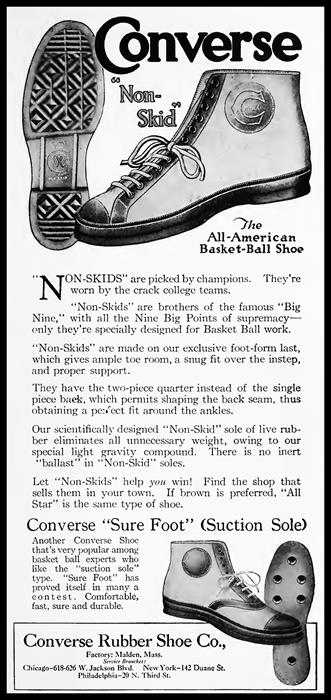
Back in 1917, Converse launched the All Star, the first shoe made specifically for basketball. It was called "non-skid" because of its rubber sole that gave players better grip on the court. The upper part was made of canvas, which was durable and flexible.
The All Star became even more popular in the 1920s when Chuck Taylor, a basketball player, started promoting it. He even helped improve the design, making it more comfortable and supportive for players. This shoe became the go-to for basketball players and set the stage for the future of basketball footwear.
The Canvas and Rubber Era (1920s-1960s)
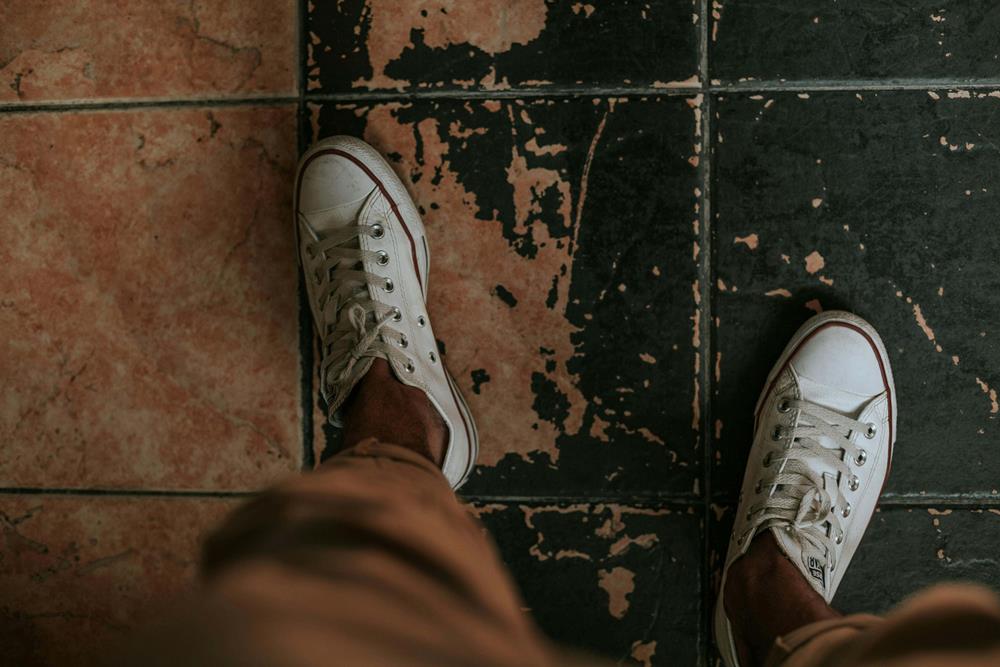
For decades, basketball shoes were simple: canvas uppers and rubber soles. The Chuck Taylors, as they were later called, ruled the courts. They were functional and provided decent grip and support, but they weren't much different from regular sneakers.
As the game got faster and more physical, players needed better shoes. By the 1960s, it was clear that canvas wasn't cutting it anymore. The industry was ready for a big change.
The Rise of Leather (1930s-1960s)
The switch from canvas to leather was a game-changer. Leather was more durable and offered better ankle support, which players needed for quick moves and jumps. By the 1950s, leather shoes were becoming popular with serious players.
These shoes also looked sleek and started to gain some status off the court. They weren't just functional; they were becoming a style statement. Players could even customize their shoes to match their playing style, which was a big deal back then.
When Athletes Became the Face of Shoes (1980s and Beyond)
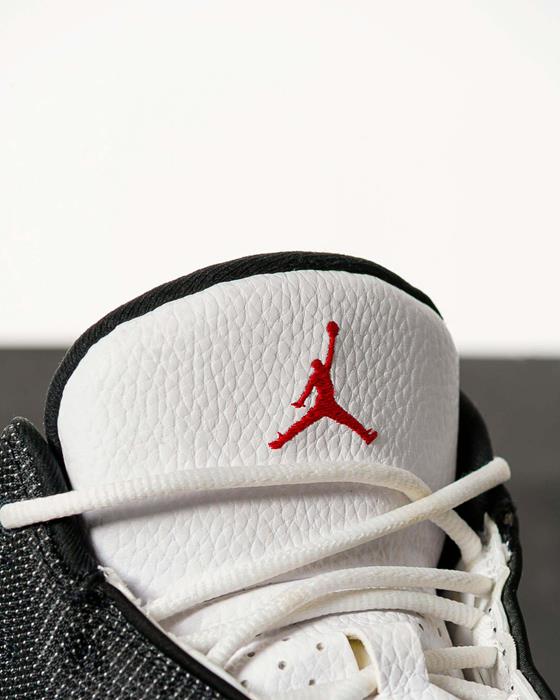
In 1985, Nike released the Air Jordan 1, and everything changed. Michael Jordan wasn't just a basketball player; he became a brand. The Air Jordan wasn't just a shoe—it was a cultural phenomenon.
Other companies jumped on the bandwagon. Reebok, Adidas, and others signed deals with big NBA stars like Shaquille O'Neal and Allen Iverson. These signature lines brought fresh designs and new technology to the table.
In the 2000s, Kobe Bryant's low-top shoes showed that players could move fast without worrying about ankle injuries. LeBron James' line focused on durability and cutting-edge features. Even newer brands like Under Armour made waves, thanks to Steph Curry's endorsement.
Technology Takes Over
Modern basketball shoes are packed with technology. Cushioning systems like Nike's Zoom Air and Adidas' Boost help absorb impact and return energy. Specialized traction patterns give players better control during fast moves. Lightweight materials like mesh keep shoes breathable and comfortable.
Now, shoes are even getting smart. Some have sensors that track your performance, like how high you jump or how fast you move. These features let players analyze their game and make improvements.
From Court to Closet: Basketball Shoes as Fashion
In the 1980s, basketball shoes started showing up off the court. The Air Jordan line played a huge role in this shift. People wanted to wear them not just to play basketball but to make a statement.
By the 1990s, hip-hop culture and streetwear made basketball shoes even more popular. Bold colors and unique designs turned them into fashion must-haves. Celebrities and athletes started wearing them everywhere, making them a staple of pop culture.
Today, limited-edition releases and collaborations with designers keep basketball shoes at the center of sneaker culture. They're no longer just for athletes—they're for anyone who loves style and individuality.
A Global Phenomenon
Basketball shoes aren't just an American thing anymore. They're worn and loved all over the world. Social media has made it easy for fans to follow new releases and collaborations, creating a global sneaker community.
These shoes have also become collectibles. People line up for hours or enter raffles just to get their hands on the latest pair. Collaborations with artists and designers have expanded their appeal, making them more than just sports gear.
The Role of Women in Basketball Shoe History
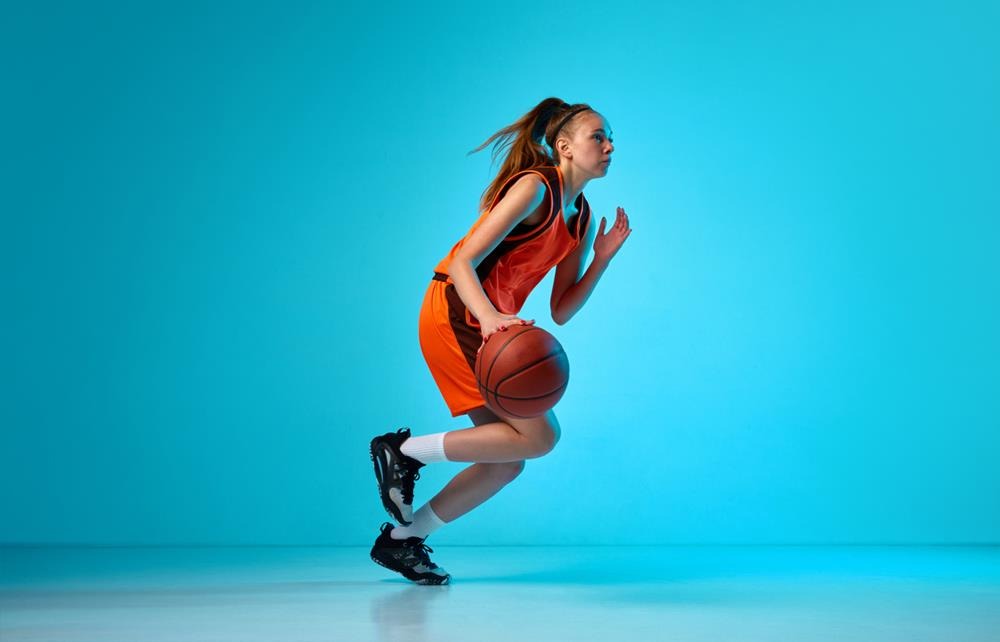
While much of basketball shoe history focuses on men's designs, women have made significant contributions to the evolution of the industry. Early on, female athletes had limited options, often forced to wear smaller sizes of men's shoes. However, as women's basketball gained recognition, brands began designing shoes specifically for female players.
Players like Sheryl Swoopes broke barriers in the 1990s when Nike introduced the Air Swoopes, the first basketball shoe named after a woman. This move highlighted the importance of representation and opened the door for other brands to invest in women's basketball.
Today, stars like Breanna Stewart and A'ja Wilson are inspiring new designs tailored to the unique needs of female athletes. Their influence ensures that women's basketball shoes are not just an afterthought but a vital part of the industry's future.
Modern Innovations
Today's basketball shoes are all about combining performance and style. Energy-return technologies, like Adidas' Boost, make them more comfortable and responsive. Sustainability is also a big focus. Brands are using recycled materials and eco-friendly processes to create shoes that are better for the planet.
Customization is another big trend. Players and fans alike can design shoes that reflect their personal style. Whether it's through colors, materials, or patterns, basketball shoes are becoming more personal than ever.
Sustainability in Basketball Shoes
More and more brands are focusing on sustainability. Nike's Space Hippie line uses recycled materials, and Adidas' Futurecraft.Loop shoes are designed to be fully recyclable. These efforts are helping reduce waste and make the industry more eco-friendly.
Some brands are even using ocean plastic to make their shoes. This not only helps the environment but also shows that basketball shoes can be stylish, functional, and responsible all at once.
Smart Shoes: The Future of Basketball Footwear
View this post on Instagram
The future of basketball shoes is digital. Some shoes now have smart sensors that track your movements and give you real-time feedback. Imagine knowing exactly how high you jumped or how fast you sprinted—all from your shoes.
Apps and augmented reality (AR) are also changing the game. You can customize your shoes using an app or see how they'd look on your feet before buying them. 3D printing is making it possible to create shoes tailored to your exact needs.
Wrapping It Up
Basketball shoes have come a long way from the simple canvas designs of the early 1900s. They're now a mix of performance gear, fashion statements, and tech gadgets. Whether you're on the court, in the streets, or just a fan of great design, basketball shoes have something for everyone. And as technology and sustainability keep pushing the boundaries, the best is yet to come.