Top Facts About the WNBA Every Fan Should Know
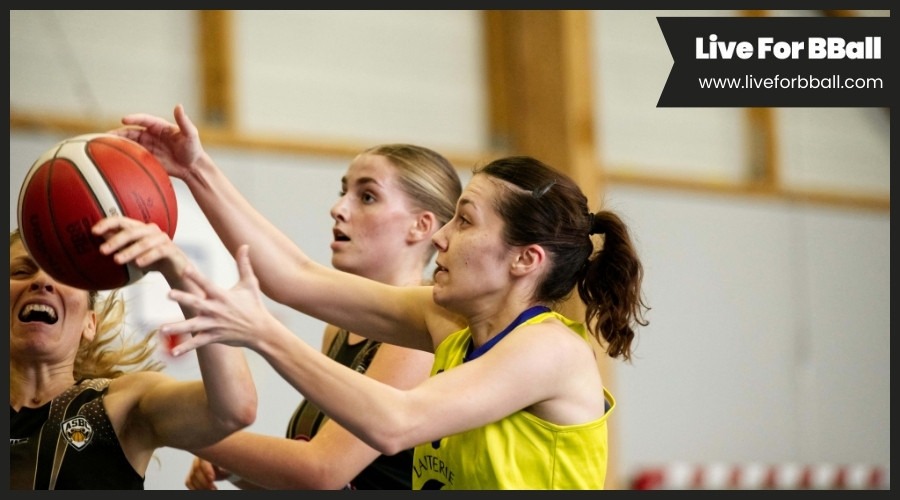
Since 1997, the WNBA has been breaking ground in professional sports, proving that women's basketball deserves just as much attention and respect as any other league. From its beginnings with just eight teams to today's twelve-team roster, the WNBA has created a legacy of skill, competition, and progress. Here are some must-know facts about the league that's changing the game.
Historic Milestones and How It All Started
The WNBA tipped off in 1997, launching with eight teams backed by the NBA. It wasn't just any year for women's basketball—the league rode the wave of excitement from Team USA's gold medal win at the 1996 Olympics. Fans were ready, and the WNBA delivered.
In its early days, games were played in two 20-minute halves, much like college basketball. But by 2006, the league switched to four 10-minute quarters, making games feel smoother and more aligned with the NBA format.
One of the most memorable parts of the league's history was the Houston Comets dynasty. They dominated from day one, winning the first four WNBA championships. Stars like Sheryl Swoopes, Tina Thompson, and Cynthia Cooper made the Comets almost unbeatable. Sadly, the team folded in 2008, but their legacy lives on as one of the league's most iconic eras.
Fast forward to 2024, and the WNBA is reaching new heights. Teams now travel on charter flights—no more exhausting commercial travel. It's a small but important sign of how much the league has grown and how players' well-being is finally being prioritized.
Game-Changing Players and Unforgettable Moments
View this post on Instagram
The WNBA has always been about talent, and its players have delivered moments that stay with fans forever. Sheryl Swoopes was the league's first draft pick, setting the tone for greatness right from the start. Then there was Lisa Leslie's history-making dunk in 2002—the first ever in a WNBA game. It wasn't just a highlight; it was proof that women's basketball could bring the same level of excitement as any other sport. Teresa Weatherspoon gave us another all-time moment with her epic buzzer-beater in the 1999 Finals. Fans still replay that shot, and it's easy to see why—it was a perfect example of the intensity and drama the WNBA offers. More recently, players like Breanna Stewart, A'ja Wilson, and Sabrina Ionescu are showing the next generation of fans what greatness looks like. Stewart has helped the Seattle Storm win multiple championships, Wilson dominates the paint for the Las Vegas Aces, and Ionescu is redefining what it means to be an all-around player. The impact of these players isn't just on the court. WNBA athletes have been leaders in social justice, speaking out on issues like racial equality, LGBTQ+ rights, and gender equity. They're proving that being a professional athlete means more than just playing the game—it's about using your platform to make a difference. The WNBA isn't just a smaller version of the NBA—it's its own thing, with unique rules and equipment that make the game fast, dynamic, and exciting. One of the first differences fans notice is the basketball itself. The WNBA uses a size 6 ball, which is slightly smaller and lighter than the NBA's size 7. This change makes shooting and ball handling better suited to the players' strengths. The 3-point line is another noticeable difference. In the WNBA, it's closer to the hoop—20 feet 6 inches compared to the NBA's 23 feet 9 inches. This encourages quicker shots and opens up opportunities for sharpshooters to shine. And instead of playing two long halves like college basketball, WNBA games are split into four quarters, just like the NBA. In 2024, the league introduced chartered flights for players, making a big improvement to their travel experience. For years, players had to fly on commercial flights, often arriving tired and stressed. Now, they can travel in comfort, which shows how much the league values their performance and well-being. Every great league has its dynasties, and the WNBA is no different. The Houston Comets set the gold standard, winning the first four championships in a row. They were led by legends like Cynthia Cooper, who was named Finals MVP all four times. Their dominance helped establish the WNBA as a serious, competitive league. Years later, the Minnesota Lynx built a dynasty of their own. Between 2011 and 2017, the Lynx won four championships, with stars like Maya Moore, Sylvia Fowles, and Seimone Augustus leading the charge. Their success showed that the WNBA wasn't just about early pioneers—it was growing stronger and deeper with each generation. The Seattle Storm has also become one of the league's most successful teams. With Sue Bird, one of the greatest point guards in history, and Breanna Stewart, a scoring and defensive powerhouse, the Storm have claimed four championships and are still contenders every season. These dynasties didn't just bring trophies—they brought attention and respect to the WNBA. Fans flocked to see these powerhouse teams, and their success helped pave the way for the league's continued growth. The WNBA started with eight teams in 1997, and today it has twelve, with room to grow even more. Expansion has brought the league to new cities and given more players a chance to showcase their talent. Teams like the Las Vegas Aces, who relocated and rebranded in 2018, are helping usher in a new era of excitement. Viewership is also on the rise, thanks in part to the success of women's college basketball. Players like Caitlin Clark and Angel Reese are drawing huge crowds at the NCAA level, building anticipation for their eventual WNBA careers. Events like the WNBA Draft are breaking viewership records, proving there's a growing appetite for women's basketball. Off the court, the league is making strides to improve players' lives. The 2020 Collective Bargaining Agreement brought higher salaries, maternity benefits, and better travel arrangements. These changes show that the league is serious about creating a sustainable future for its athletes. Looking ahead, there's so much potential. Talk of expanding to new cities, increasing international viewership, and growing sponsorship deals suggests the WNBA is just getting started. With its rich history and bright future, the league is ready to reach even greater heights. The WNBA's history is full of fascinating tidbits that highlight its uniqueness and impact on the sport. Here are some fun facts every fan should know: The WNBA isn't just about basketball—it's about progress, empowerment, and changing the game for the better. From its historic beginnings to its modern-day stars, the league has proven that women's sports belong on the main stage. Whether you're a longtime fan or just learning about the WNBA, there's no better time to celebrate its journey and its players. Support the league, follow its games, and be part of the story as the WNBA continues to grow and inspire.What Makes the WNBA Unique?
Championship Dynasties That Shaped the League
The League's Growth and What's Next
Fun Facts About the WNBA
In 2004, the league staged a preseason game at Radio City Music Hall in New York City, blending basketball with the iconic venue's theater-style seating. It was an unforgettable moment that showcased the league's creativity.
Wilson earned the league's Most Valuable Player award in 2020 at just 24 years old, cementing her place as one of the brightest stars of her generation.
Known as "White Mamba," Taurasi has dominated the league for years and holds the record for the most career points scored. Her scoring ability continues to inspire players and fans alike.
Standing at an astonishing 7 feet 2 inches, Dydek towered over her opponents and left a lasting impression on the league during her career.
The league's global reach is evident in its diverse rosters, which include athletes from basketball powerhouses like Australia, Spain, and Nigeria. This diversity highlights the WNBA's influence on the global basketball stage.
Parker's older brother, Anthony Parker, played in the NBA. Their shared love for basketball has made them one of the most successful sibling duos in sports.Conclusion