Utah Jazz’s Retired Jersey Numbers: Honoring Jazz Greats
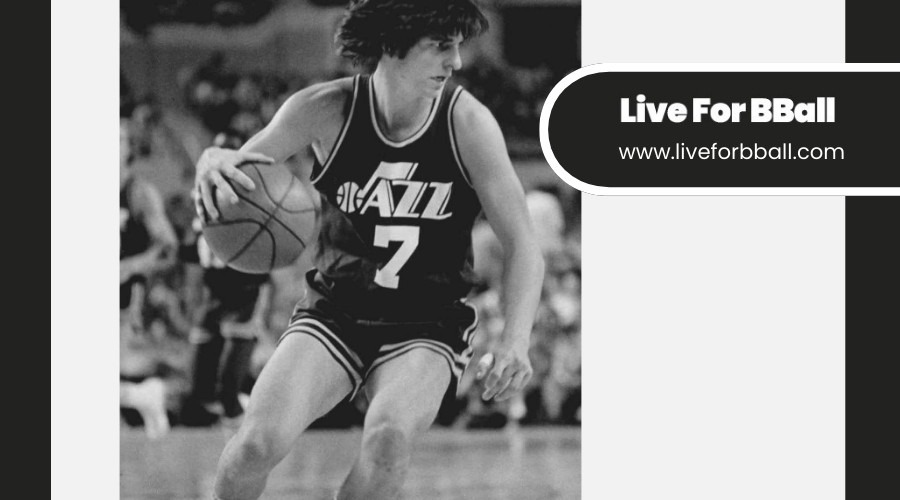
If you've been to the Utah Jazz's home arena, you've probably noticed the banners hanging in the rafters. Each of these retired jerseys tells a story of dedication and excellence. With 11 retired numbers (including a microphone for "Hot" Rod Hundley), they honor the players, coaches, and contributors who shaped the Jazz into what they are today. Let's take a closer look at these legends.
Karl Malone (#32)
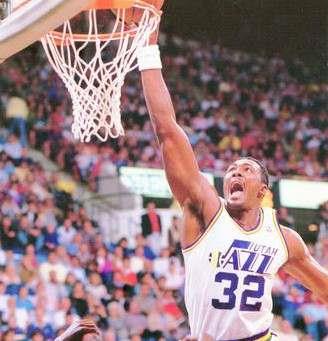
Karl Malone's number 32 represents one of the greatest power forwards in NBA history. Known as "The Mailman" for always delivering, Malone spent 18 seasons with the Jazz. His career averages of 25.4 points and 10.2 rebounds per game, combined with 14 All-Star selections and two MVP awards, speak to his dominance.
Malone, alongside John Stockton, led the Jazz to two NBA Finals appearances in 1997 and 1998. His relentless work ethic and memorable mid-range game made him a fan favorite. His jersey is a lasting reminder of his incredible contributions.
John Stockton (#12)
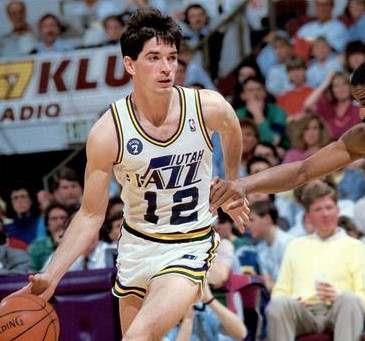
John Stockton's number 12 is synonymous with precision and leadership. As the NBA's all-time leader in assists (15,806) and steals (3,265), Stockton redefined the point guard position.
Playing 19 seasons for the Jazz, Stockton's impact extended beyond the stats. His buzzer-beater in 1997 sent the Jazz to their first NBA Finals. Fans remember him for his toughness and consistency. His jersey honors one of the greatest playmakers in basketball history.
Frank Layden (#1)
Frank Layden's number 1 isn't about stats; it's about leadership. As the Jazz's head coach and later general manager, Layden helped transform the franchise during its early years. His humor and strong culture-building were instrumental in setting the Jazz on a path to success.
Under Layden, the Jazz made their first playoff appearance, and he played a key role in bringing players like Stockton and Malone to the team. His retired number symbolizes the foundation he built for the franchise.
Pete Maravich (#7)
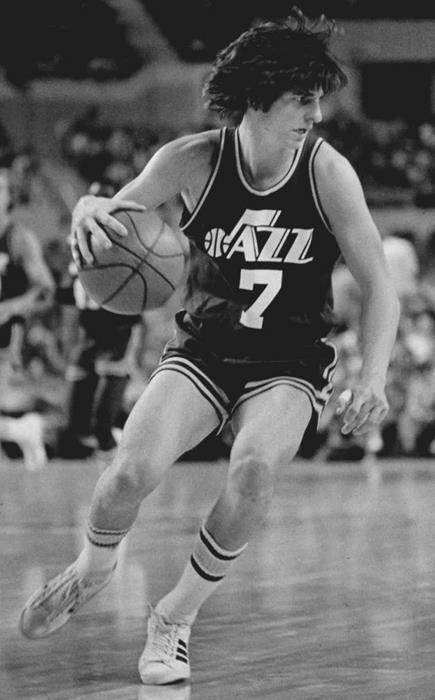
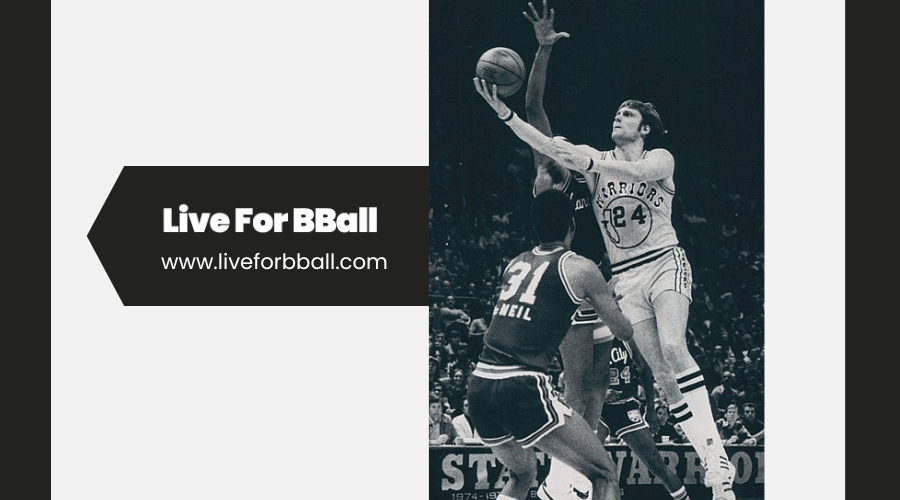
Pete "Pistol Pete" Maravich was one of the Jazz's first superstars. Known for his flashy style and scoring ability, he brought credibility to the young franchise. Averaging 25.2 points per game during his time with the Jazz, Maravich's creativity on the court was unmatched.
Though injuries cut his career short, his influence on the game and the Jazz remains significant. His number 7 is a tribute to one of basketball's most exciting players.
Adrian Dantley (#4)
Before the Stockton-Malone era, Adrian Dantley carried the Jazz offensively. From 1979 to 1986, Dantley averaged 29.6 points per game, winning two scoring titles. His efficiency and ability to get to the free-throw line were unmatched.
Dantley's dominance helped establish the Jazz as a competitive team. Retiring his number 4 honors his role in putting the Jazz on the map.
Mark Eaton (#53)
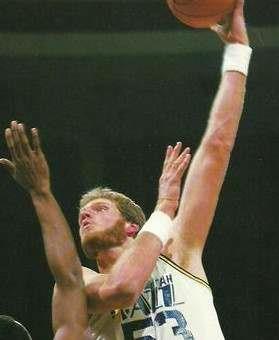
Mark Eaton's 7'4" frame made him a defensive powerhouse. Setting the NBA's single-season record with 5.6 blocks per game in 1984-85, Eaton anchored the Jazz defense for over a decade.
Winning two Defensive Player of the Year awards, Eaton's shot-blocking presence turned the Jazz into playoff regulars. His number 53 honors his legacy as one of the best defenders in NBA history.
Larry Miller (#9)
Larry H. Miller's number 9 isn't for a player but for the team's beloved owner. Miller saved the Jazz from relocation in 1985 and led the organization to long-term stability and success.
The number 9, his softball jersey number, stands as a heartfelt tribute to his dedication to the team and Utah's basketball fans.
Jeff Hornacek (#14)
Jeff Hornacek joined the Jazz in the mid-90s and became a vital part of their Finals runs in 1997 and 1998. Known for his sharp shooting, Hornacek's calm under pressure made him a reliable scorer and leader.
Shooting 42.8% from three-point range during his Jazz career, Hornacek's contributions earned him a place among Jazz greats. Retiring his number 14 honors his key role during one of the franchise's best eras.
Darrell Griffith (#35)
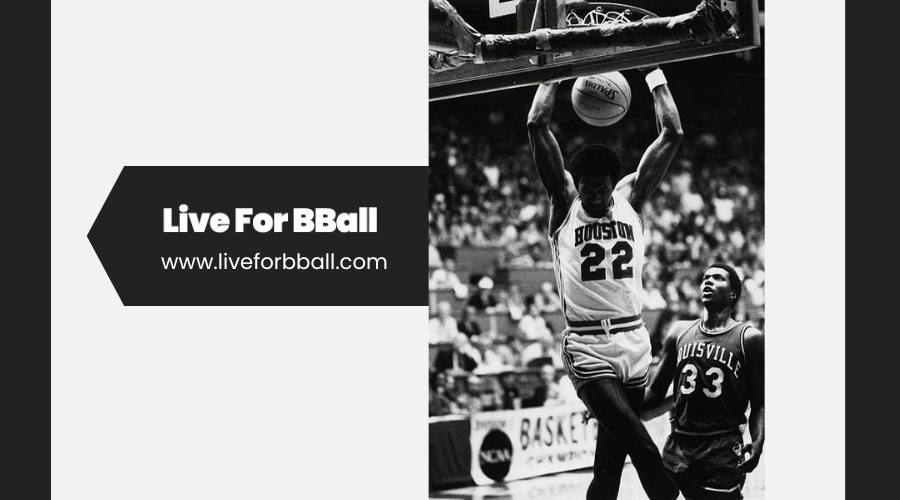
Darrell Griffith, or "Dr. Dunkenstein," brought excitement to the Jazz in the 1980s. Winning Rookie of the Year in 1981, Griffith's high-flying dunks and scoring ability made him a fan favorite.
Averaging 16.2 points per game over his career, Griffith's impact extended beyond his playing days as he stayed involved with the organization. His number 35 is a tribute to his contributions on and off the court.
Jerry Sloan (#1223)
Jerry Sloan's number 1223 represents his total career wins as head coach of the Jazz. Over 23 seasons, Sloan guided the team to 20 playoff appearances and two NBA Finals. His no-nonsense approach and focus on discipline made the Jazz a consistently competitive team.
Sloan's jersey honors one of the greatest coaches in NBA history and his lasting impact on the franchise.
"Hot" Rod Hundley (Microphone Symbol): Voice of the Jazz
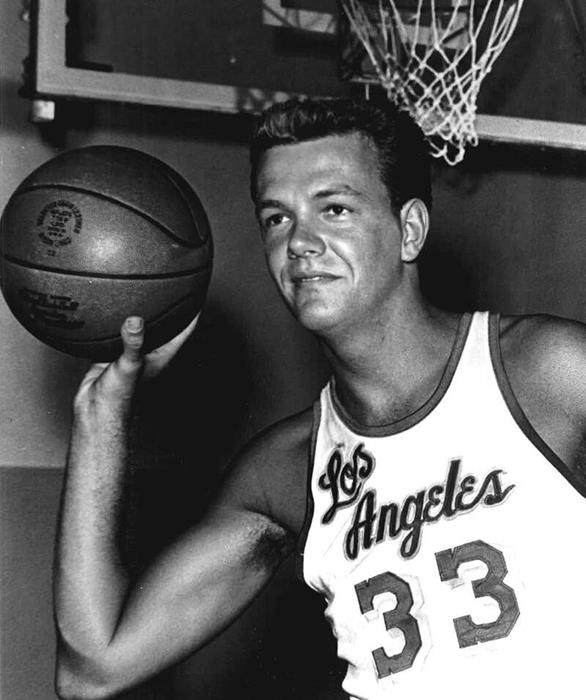
"Hot" Rod Hundley was the voice of the Jazz for decades. His charismatic and colorful commentary brought games to life and connected fans to the team.
The microphone symbol in the rafters honors Hundley's legacy as an essential part of the Jazz experience.
Bill Russell's Number 6: NBA-Wide Tribute
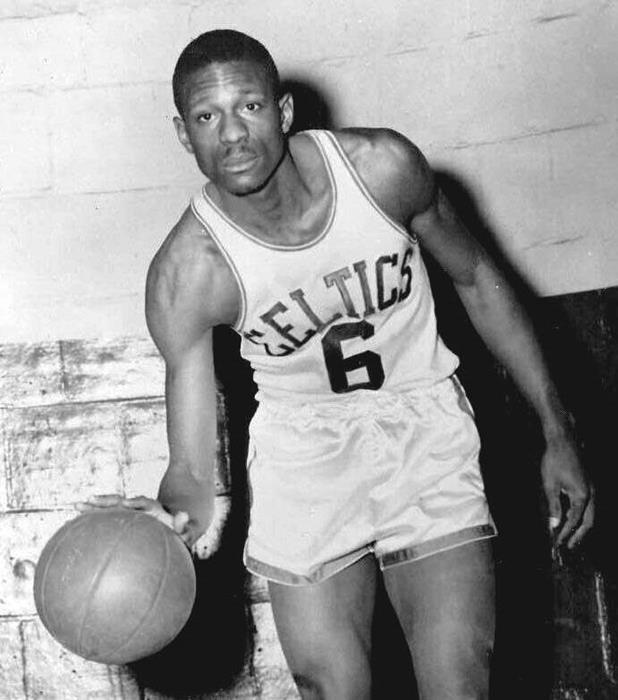
In 2022, the NBA retired Bill Russell's number 6 across the league to honor his contributions to basketball and society. While not specific to the Jazz, this banner highlights Russell's role in shaping the game and fighting for equality.
The Impact of Retired Jerseys
These jerseys represent more than individual achievements; they symbolize the Jazz's history and values. Each banner inspires current players and fans, reminding them of the hard work and dedication that built the franchise.
Across the NBA, retired numbers connect teams to their pasts. Just as the Celtics and Lakers have their iconic banners, the Jazz's jerseys tell a story of perseverance and excellence.
Milestones in Jazz History
The retired jerseys are tied to some of the Jazz's most iconic moments. Pete Maravich's scoring artistry laid the groundwork for the franchise's identity during its early New Orleans days. Adrian Dantley's offensive dominance established the team's credibility in Utah, making the Jazz a legitimate threat in the league.
The Stockton-Malone duo carried the Jazz through their golden era, highlighted by two trips to the NBA Finals in 1997 and 1998. Mark Eaton's defensive prowess helped the team become a consistent playoff contender throughout the 1980s and early 1990s. Meanwhile, Jerry Sloan's leadership provided stability and direction for over two decades, shaping the Jazz's reputation as one of the most disciplined teams in the league.
These milestones are not just memories; they are the building blocks of a legacy that defines Utah Jazz basketball. The contributions of these legends continue to resonate with fans and inspire the next generation of players.
Looking Forward: Future Retirements?
The Jazz's tradition of honoring greatness naturally leads to the question: who's next? Donovan Mitchell, a key figure in the team's success from 2017 to 2022, could be a strong candidate. During his time with the Jazz, Mitchell became a three-time All-Star and led the team to multiple playoff runs. His 57-point performance in the 2020 NBA Playoffs remains one of the most remarkable individual efforts in postseason history.
Another potential honoree is Rudy Gobert, a three-time Defensive Player of the Year who redefined the Jazz's defensive identity. Gobert's contributions helped the Jazz secure the best regular-season record in 2020-21 and maintain a consistent playoff presence during his tenure.
Beyond players, other contributors like Quin Snyder, who coached the Jazz for eight seasons, could also be recognized for their impact on the franchise. As the team continues to evolve, future stars and leaders will emerge, leaving their marks on Jazz history.
Fans can only speculate who might be next to join the rafters, but one thing is certain: the Jazz's legacy is alive and growing.
Conclusion
The Utah Jazz's retired jerseys celebrate the players, coaches, and contributors who shaped the team's history. Each banner is a testament to hard work, greatness, and the deep connection between the Jazz and their fans.
Which Jazz legend is your favorite? Who do you think should be honored next? Share your thoughts and celebrate the legacy of Utah basketball.
Related posts