What Was Basketball Like in the 1920s?
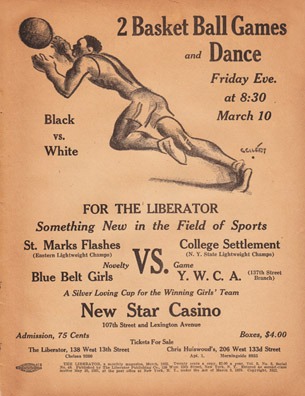
Imagine stepping into a 1920s gymnasium, where the sound of dribbling basketballs echoes through the wooden floors and players are clad in simple, yet iconic uniforms. You'd witness a sport in its transformative years, expanding from local leagues to national prominence. The introduction of hand signals and the player re-entry rule brought a new level of strategy to the game. Women's basketball also began to carve out its own space with the first national tournament in 1926. A pivotal influence on professional basketball was the rise of the Original Celtics, whose innovative play and dominance set the stage for future legends.
Invention and Early Years
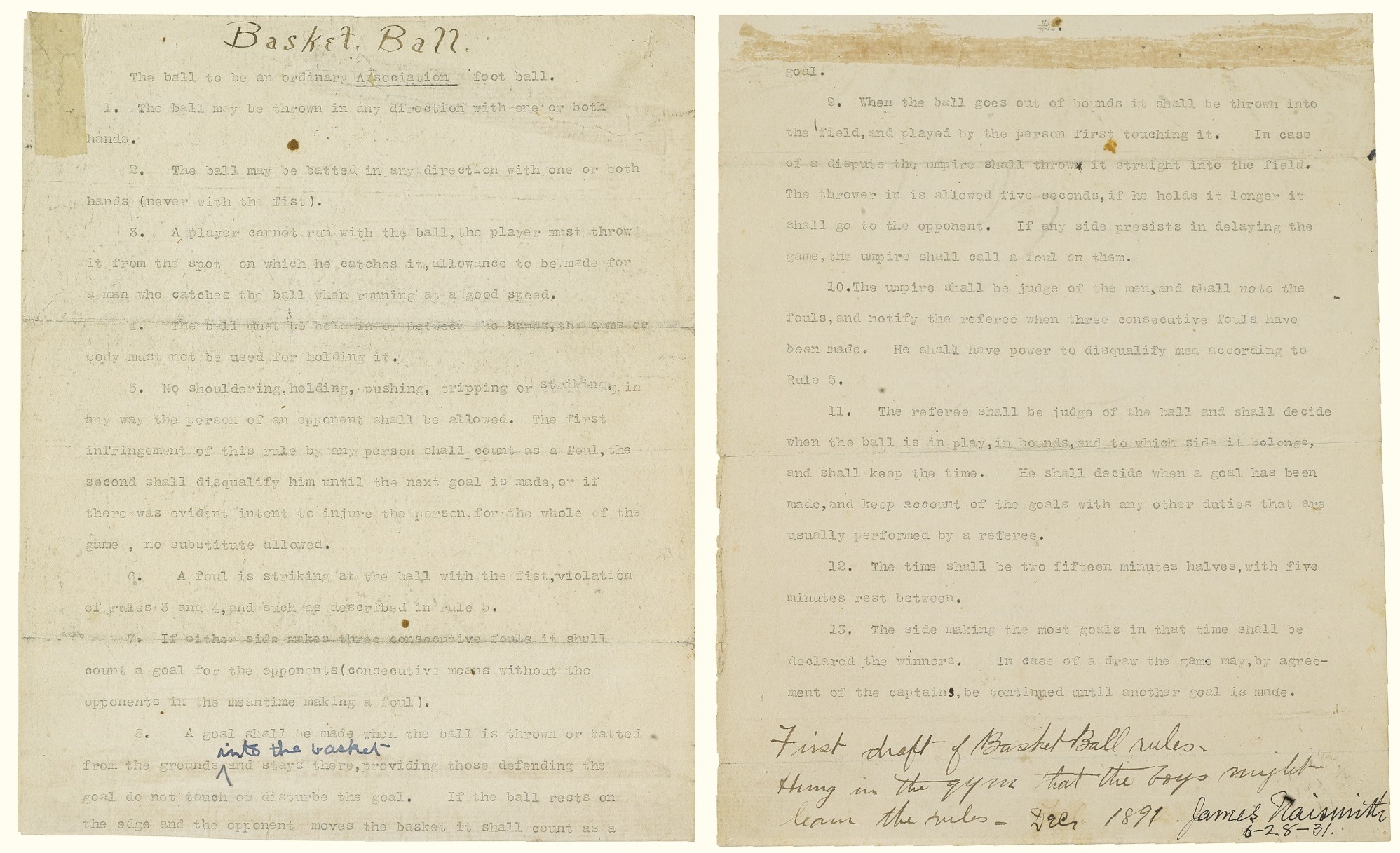
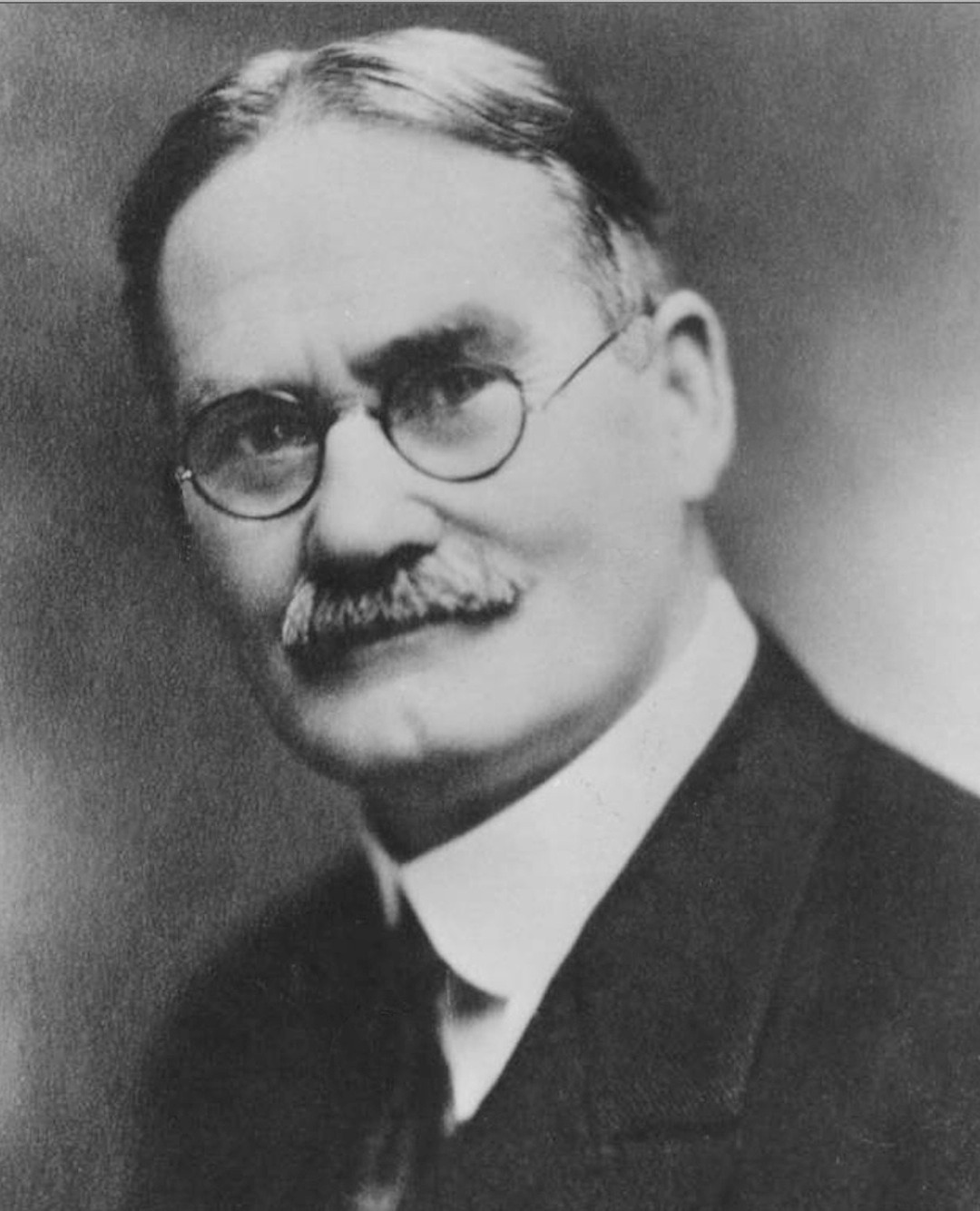
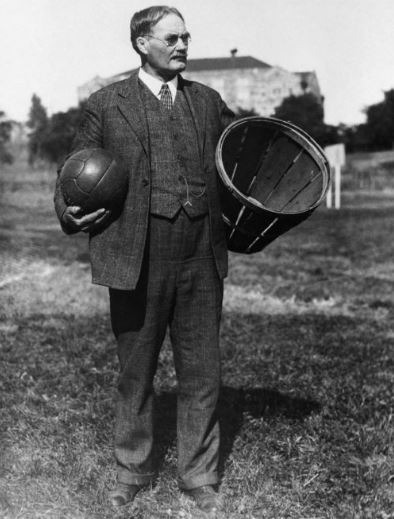
Basketball, invented in 1891 by James Naismith at the YMCA in Springfield, Massachusetts, quickly evolved from its humble beginnings. Initially, players used a soccer ball and aimed for peach baskets as goals. By the early 1900s, official rules were established, and significant modifications were made, including the introduction of metal hoops and backboards by 1906.
As basketball spread across the United States, the YMCA networks played a crucial role in its proliferation. The 1920s saw the rapid formation of local leagues and organized teams, and numerous men's professional teams emerged. Players frequently switched teams and cities, creating a dynamic and competitive environment that kept fans engaged.
Women's basketball also gained traction during these early years. The first AAU All-American team was selected in 1929, and an exhibition event at the 1924 Olympics further highlighted the sport's growing appeal. These developments laid the groundwork for basketball's expansion and set the stage for its future prominence.
Cultural Significance
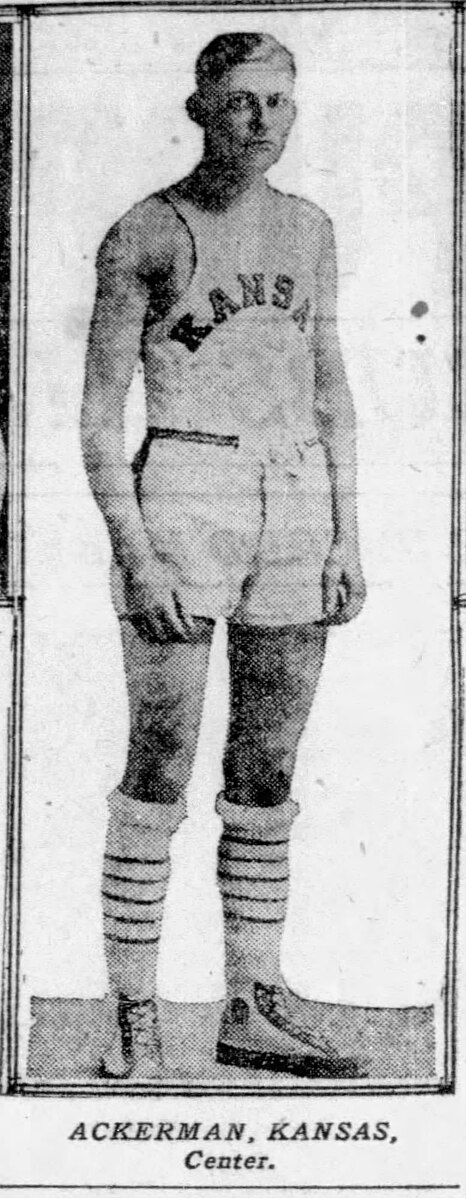
As basketball rapidly gained popularity in the early 20th century, its impact extended far beyond the boundaries of the court. The sport became a symbol of community and identity, particularly in small towns where it represented local pride and unity. Basketball teams served as focal points for community gatherings, fostering a sense of belonging and shared passion.
In popular culture, films like "Hoosiers" captured the essence of small-town drama, showcasing how the sport could galvanize communities. Even in urban settings, basketball maintained cultural relevance, as depicted in "White Men Can't Jump," emphasizing its connection to urban identity.
The growth of basketball during the 1920s didn't just make it a game; it transformed it into a major entertainment phenomenon. This laid the groundwork for future cultural milestones, like Michael Jordan's "Space Jam" in the 1990s, which popularized the sport beyond traditional sports fans and into mainstream entertainment.
Team and League Formation
The 1920s were a pivotal era for basketball, witnessing the emergence of thousands of men's professional teams across the United States. Barnstorming tours became a popular method for these teams to display their skills, significantly boosting the sport's visibility and fan enthusiasm. The establishment of leagues such as the American Basketball League in 1925 helped consolidate top teams, steering the sport toward greater organization and professionalism.
Emergence of Professional Teams
The 1920s marked a transformative era for professional basketball, characterized by the formation of numerous men's teams and the sport's growing popularity. A key team of this period was the Original Celtics, established in 1912. They became highly influential during the 1920s, pioneering strategies that shaped modern basketball.
As public interest surged, several leagues were created, though many were short-lived. The American Basketball League (ABL), founded in 1925, sought to organize the sport by uniting top independent teams, marking a significant step toward a more structured professional basketball environment in the United States.
Midwestern cities like Chicago and Cleveland emerged as major basketball hubs. Teams frequently traveled to different cities, drawing large crowds and underscoring the sport's increasing popularity and dynamic nature during the 1920s.
Growth of Barnstorming Tours
During the 1920s, barnstorming tours became immensely popular, offering basketball teams a lucrative opportunity to earn money and build their reputations. Independent teams traveled extensively, competing against local opponents in various regions. This approach provided a financial lifeline for many squads, allowing them to generate income and gain widespread recognition.
Major Midwestern cities such as Chicago and Cleveland emerged as key centers for barnstorming competitions. These events drew large crowds, boosting basketball's popularity and making the sport more accessible to fans. Prominent independent teams, like the Original Celtics, capitalized on this trend by playing 150-200 games annually, which enhanced team chemistry and showcased their skills to diverse audiences.
The success of barnstorming tours also spurred the decline of outdated basketball rules. Teams often played under local regulations that favored home teams, prompting a push for standardized rules. This era of extensive touring and varying local rules underscored the need for more organized leagues.
The rise of barnstorming in the 1920s ultimately laid the groundwork for the establishment of more organized leagues. Independent teams sought unification under standardized rules and competition structures, paving the way for the future of professional basketball.
Rule Changes
You've seen how team and league formations shaped basketball, but the rule changes in the 1920s were similarly transformative. Players were now allowed to re-enter games, which significantly altered team strategies. The introduction of hand signals became crucial due to limited on-court communication. Additionally, new rules for out-of-bounds possession streamlined the game's flow, making it more dynamic and organized.
Player Re-entry Allowed
During the 1920s, a pivotal rule change in basketball allowed players to re-enter games after being substituted. This player re-entry rule fundamentally reshaped team strategies and gameplay dynamics by providing teams with greater flexibility in managing player fatigue and matchups. Prior to this change, once a player was substituted out, they couldn't return, which led to more conservative gameplay.
The new rule enabled teams to rotate fresh players in and out, contributing to increased scoring and a faster game pace. Coaches could now strategically rest key players and reintroduce them at critical moments, making the game more dynamic and competitive. Additionally, this adjustment highlighted the importance of bench depth, giving teams with a strong set of substitutes a significant advantage.
Here's how the player re-entry rule impacted basketball:
| Impact | Description |
|---|---|
| Increased Scoring | Fresh players could be rotated in, maintaining high energy levels and elevating scoring. |
| Improved Flexibility | Coaches could better manage fatigue and adjust matchups strategically. |
| Faster Game Pace | Continuous introduction of fresh players sped up the game. |
| Strategic Substitutions | Key players could be rested and reintroduced at essential moments. |
| Bench Depth Importance | Teams with strong benches could perform better throughout the game. |
This rule change brought significant improvements to the sport, enhancing both the tactical aspects of coaching and the overall excitement of the game.
Hand Signals Introduced
In the 1920s, alongside the player re-entry rule that reshaped basketball strategies, hand signals were introduced as a crucial innovation. With vocal communication often drowned out by the crowd and the fast pace of the game, players needed a reliable alternative to coordinate their actions. Hand signals emerged as this solution, revolutionizing on-court communication.
Imagine being on the court amidst the roaring crowd and rapid gameplay, where shouting instructions is futile. Hand signals enabled players to communicate silently and effectively, ensuring seamless coordination. Whether signaling a defensive switch or an offensive play, these non-verbal cues became essential for smooth execution.
Hand signals not only improved communication but also enhanced teamwork. They allowed for the execution of complex strategies with simple gestures, boosting overall gameplay efficiency. This adaptation reflected the innovative spirit of the era and marked a significant milestone in basketball's evolution.
Out-of-Bounds Possession
In the 1920s, a pivotal rule change in basketball granted possession of the ball to the team that initially retrieved an out-of-bounds ball, fundamentally altering the game's dynamics. This new out-of-bounds possession rule sped up gameplay and compelled teams to develop strategies for securing ball control.
Previously, the rules often favored the team that lost the ball, leading to less competitive scenarios during out-of-bounds situations. The shift to awarding possession to the retrieving team made the game more exciting and competitive. Coaches and players had to adapt quickly, focusing on:
- Quick reflexes to secure the ball initially
- Strategic positioning along the court's edges
- Heightened awareness of the ball's trajectory
- Increased teamwork to ensure someone was always ready to retrieve
- Enhanced physicality in out-of-bounds scrambles
This rule change was part of broader efforts to standardize gameplay as basketball grew in popularity and organization. It was one of many evolving regulations aimed at improving game flow and enhancing spectator engagement. By making out-of-bounds situations more competitive, the game not only became faster but also more thrilling to watch, setting the stage for the high-energy sport we recognize today.
Women's Basketball Milestones
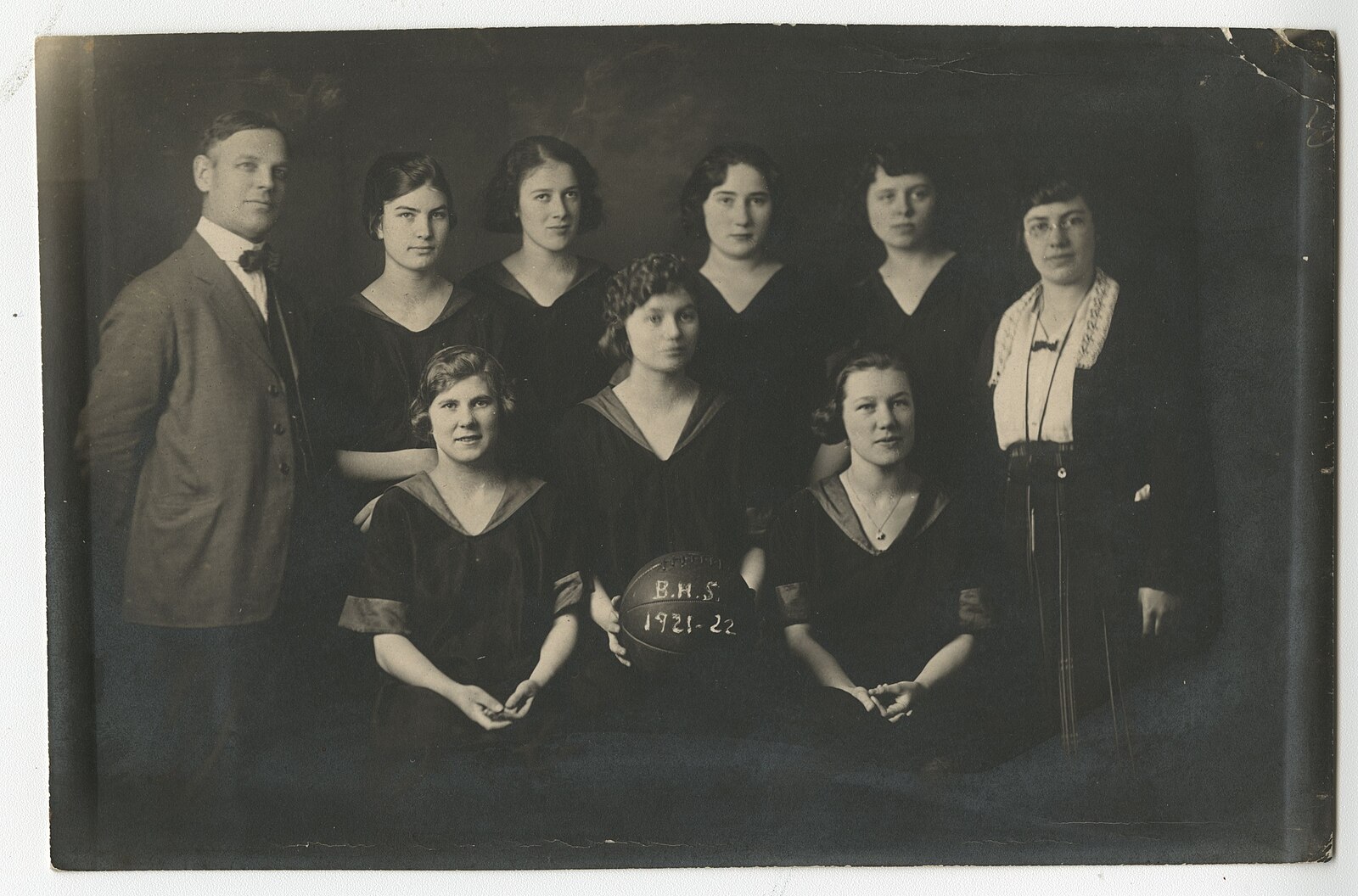
Women's basketball made significant strides in the 1920s, setting the stage for future advancements. In 1926, the Amateur Athletic Union (AAU) held its first national tournament for women's basketball, providing a critical platform for female athletes to compete at a higher level. This event marked a substantial leap in competitive opportunities and demonstrated increasing recognition and organization within the sport.
By 1929, the selection of the first AAU All-American team for women highlighted the emergence of standout players, celebrating individual talent and encouraging more women to take the sport seriously. As a result, the 1920s saw a rise in both participation and visibility for women in basketball, a trend that continued to gain momentum in the following decades.
Additionally, women's basketball was included as an exhibition event in the 1924 Olympics, offering international exposure that validated the sport's importance and inspired future female athletes. Early tournaments often adopted men's rules, reflecting the evolving nature of women's basketball and its governance. Collectively, these milestones laid a solid foundation for the sport's future growth and development.
Equipment and Uniforms
In the 1920s, basketball equipment and uniforms underwent significant changes, laying the groundwork for modern advancements. The basketballs of that era were made of laced leather with a rubber bladder interior, making them durable but heavier than today's versions. Footwear consisted of hand-stitched shoes crafted from kangaroo or standard shoe leather, which offered limited performance compared to today's high-tech sneakers.
Uniforms were quite different as well. Players wore wool or cotton jerseys, sometimes made with jersey knit for added comfort, though they were less breathable than modern fabrics. The shorts were made of flannel, secured with metal buckles, and featured button-crotch construction, unlike today's lightweight, elastic-waistband designs. Kneepads, a new addition in the 1920s, showed a growing emphasis on player safety.
Key Elements of 1920s Basketball Gear:
- Laced leather basketballs with rubber bladder interiors
- Hand-stitched kangaroo leather shoes
- Wool or cotton jerseys with jersey knit
- Flannel shorts with metal buckles and button-crotch
- Kneepads for injury prevention
These components reflect the era's balance of practicality and emerging innovation.
Venues and Court Design
Early basketball games took place in unconventional venues like gas-lit ballrooms, church basements, and armories. These venues were the best available options before dedicated sports arenas became common.
In the 1920s, court design featured a standard basket height of ten feet, derived from the original peach baskets used when the game was invented. Courts were often enclosed in wire mesh cages to protect spectators from stray balls and maintain the flow of the game, reflecting the sport's growing popularity.
Specialized areas on the court, such as free throw lanes and jump zones, catered to the evolving gameplay. Spectators often watched from elevated positions, like running tracks, providing a better vantage point for the increasing number of fans. This setup helped accommodate the enthusiasm for this exciting new sport.
Influence of the Original Celtics

The Original Celtics, a powerhouse of the early 20th century, significantly shaped the landscape of professional basketball in the 1920s. Their pioneering playing style and high level of competition made them a dominant force, often playing 150-200 games annually. Under Jim Furey's leadership, the Celtics excelled in cohesive team play, employing innovative strategies like pivot play and switching defenses. These tactics were revolutionary and set a precedent for modern basketball.
Imagine witnessing the Celtics on the court:
- Players executing seamless pivot plays, creating space and opportunities.
- Fluid switching defenses, confounding opponents and breaking their rhythm.
- High-energy games against rivals like the New York Whirlwinds.
- Players with exclusive contracts, fostering unmatched team chemistry.
- The Celtics' influence leading to the formation of the American Basketball League in 1925.
Despite their exclusion from the American Basketball League, the Original Celtics' impact on professional basketball was undeniable. Their success and groundbreaking playing style not only showcased the potential of team-oriented strategies but also spurred the growth of the sport in the U.S. The legacy of the Original Celtics remains a cornerstone in basketball history, demonstrating how a single team can transform an entire sport.