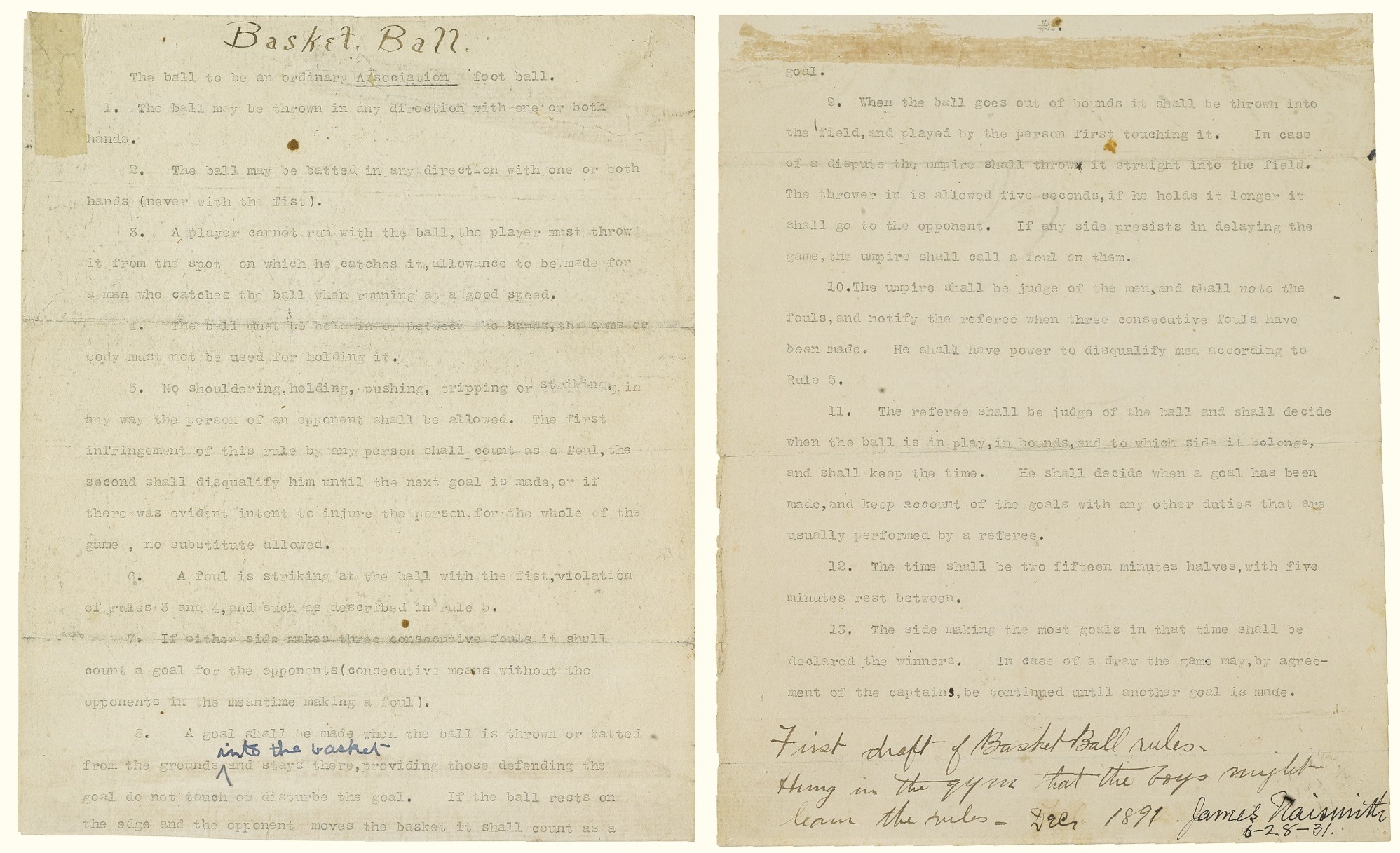
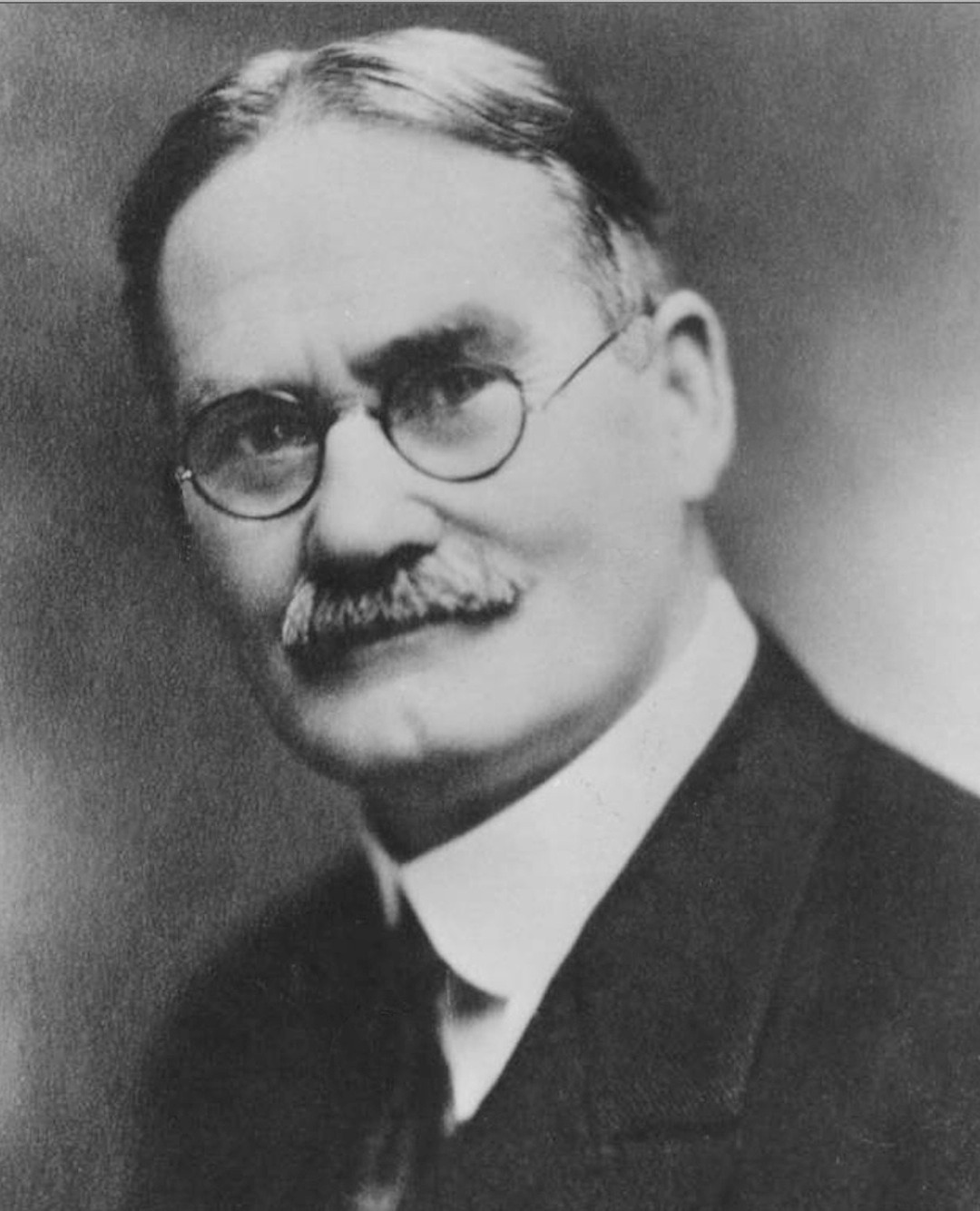
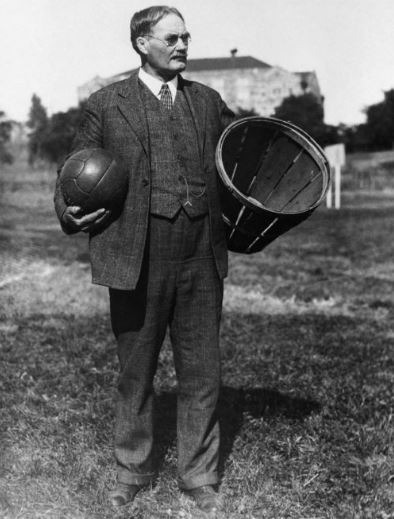
What Were the First Basketball Leagues?
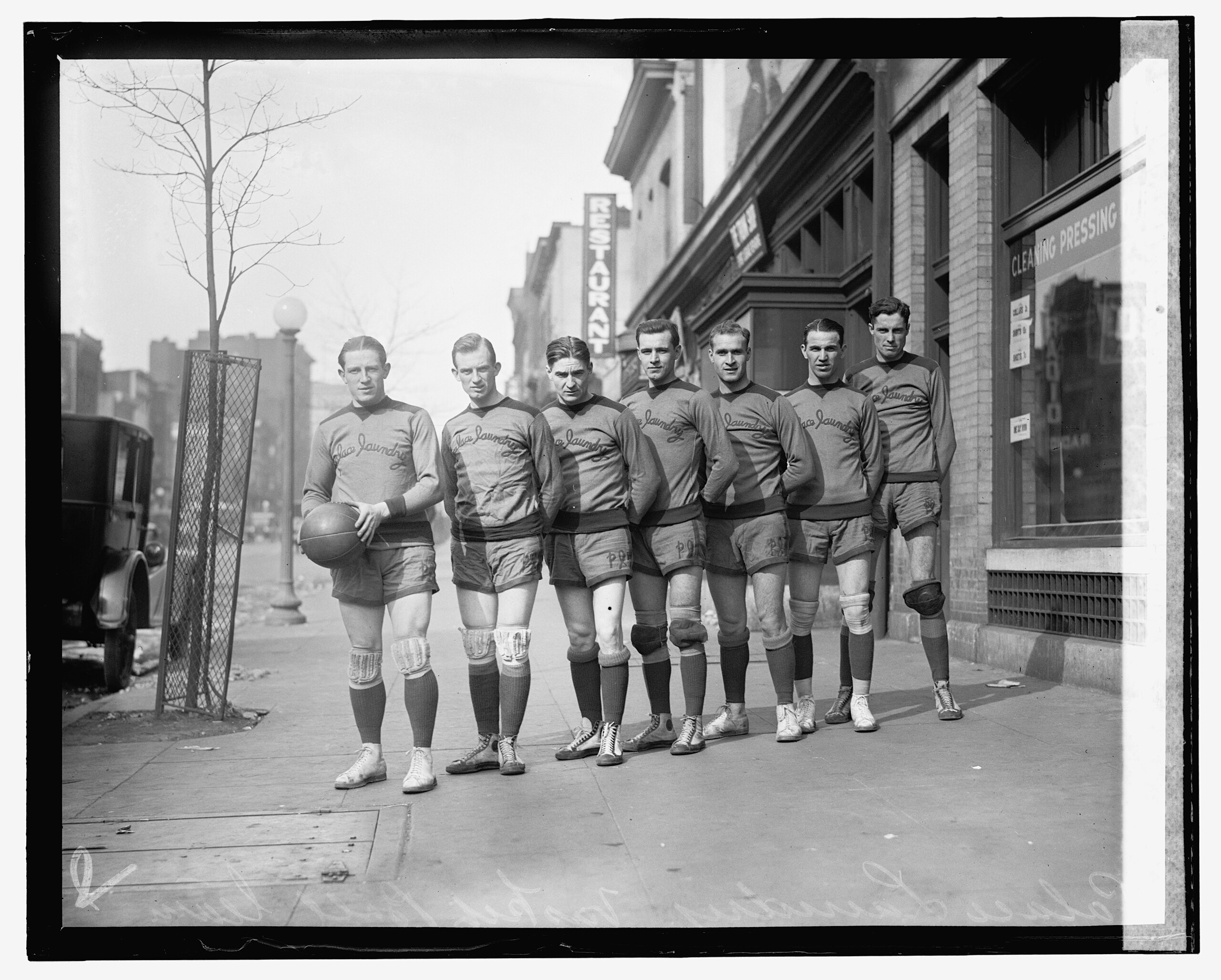
The origins of professional basketball trace back to the National Basketball League (NBL), established in 1898. Teams like the Trenton Nationals played pivotal roles in popularizing the sport. Despite its initial promise, the NBL struggled financially and disbanded in 1904, creating a void in professional basketball. Subsequently, the rise of the Eastern Basketball League and the American Basketball League played crucial roles in shaping the sport's development. To understand how these early leagues influenced today's NBA, it's essential to examine the key teams, challenges, and legacies they left behind.
Origins of Professional Basketball
The origins of professional basketball can be traced back to 1898 when the National Basketball League (NBL) was established with six teams. This marked the beginning of organized professional basketball in the United States, aiming to standardize the sport and expand its audience. The inaugural game of the NBL took place on December 1, 1898, between the Trenton Nationals and the Hancock Athletic Association, with the Trenton Nationals winning 21-19.
The Trenton Nationals went on to win the first NBL championship during the 1898-99 season, finishing with an impressive record of 18-2-1. Despite its early success, the NBL struggled financially and ultimately dissolved in 1904. In the ensuing decades, various basketball leagues, such as the Eastern Basketball League and the American Basketball League, emerged to fill the void left by the NBL.
In 1946, the Basketball Association of America (BAA) was founded. It merged with another National Basketball League in 1949, forming the modern National Basketball Association (NBA), which solidified the professional basketball landscape.
1. National Basketball League (NBL) – 1898-1904
Established in 1898, the National Basketball League (NBL) was the pioneering professional basketball league in the United States, featuring six teams from the Middle Atlantic and New England states. The Trenton Nationals emerged as the league's initial champions with an impressive 18-2-1 record in the inaugural season.
In the 1899-1900 season, the NBL introduced a split format to enhance competitive play. Teams like Trenton and Millville dominated the standings, showcasing the league's growing talent. Despite its early success, the NBL faced significant financial difficulties, leading to team withdrawals and lawsuits, and ultimately causing the league's disbandment in 1904.
The NBL was reestablished in 1935 and played a crucial role in shaping professional basketball. In 1949, the NBL merged with the Basketball Association of America (BAA) to form the modern NBA. This merger created a more stable and popular basketball league, solidifying the NBL's legacy as a foundational element in the history of professional basketball.
Early League Challenges
Early professional basketball leagues faced significant challenges. The National Basketball League (NBL), established in 1898, folded by 1904 due to financial difficulties and player migration to other leagues. Limited revenue sources and unstable team structures made franchise stability almost impossible.
Competing with college basketball was another major hurdle. College games attracted more players and fans, drawing attention away from professional leagues. This competition made it tough for the NBL and other early leagues to maintain viability, as they struggled to draw crowds and secure financial backing.
The Great Depression exacerbated these financial struggles. Economic hardships forced several teams to fold, leading to a decline in general league participation. The lack of long-term franchises and consistent team structures further weakened early attempts at establishing a professional league.
Even the Basketball Association of America (BAA), formed in 1946, faced similar challenges. Attracting fans and sustaining franchises were significant issues until the BAA merged with the NBL in 1949, creating the modern NBA. This merger ultimately brought some much-needed stability to professional basketball.
Key Teams and Championships
When exploring the history of early professional basketball, the National Basketball League (NBL) stands out with its notable teams and memorable championships. Founded in 1898, the NBL quickly became the leading professional basketball league, showcasing the dominance of teams like the Trenton Nationals, New York Wanderers, Camden Electrics, and Bristol Pile Drivers.
The Trenton Nationals captured the inaugural championship with an impressive 18-2-1 record. The New York Wanderers claimed the league title in the 1900-01 season, while the Bristol Pile Drivers triumphed in the 1901-02 season as the NBL expanded to six franchises and introduced a 40-game schedule. The Camden Electrics boasted a remarkable .800 winning percentage in the 1902-03 season.
Here's a summary of key teams and their championship achievements:
| Season | Team | Achievement |
|---|---|---|
| 1898-99 | Trenton Nationals | Inaugural Champions |
| 1900-01 | New York Wanderers | League Title Winners |
| 1901-02 | Bristol Pile Drivers | Championship Holders |
| 1902-03 | Camden Electrics | Highest Winning Percentage |
Despite its early successes, the NBL faced financial difficulties and disbanded in 1904, closing a significant chapter in the history of professional basketball.
Legacy and Impact
The legacy of the National Basketball League (NBL) is profound, setting the stage for the professional basketball world recognized today. Established in 1898, the NBL was the first professional league in the United States, introducing organized basketball and professional team structures. Despite its groundbreaking status, the NBL faced financial instability and fierce competition from college basketball, leading to its dissolution in 1904. However, its impact did not end there.
The NBL's influence can be seen in the formation of the Basketball Association of America (BAA) in 1946, which aimed to capitalize on the professional basketball landscape that the NBL had pioneered. A pivotal moment came in 1949 when the BAA merged with a reestablished NBL to form the National Basketball Association (NBA). This merger created the NBA, which has since grown to become the premier professional basketball league globally.
Early leagues like the NBL laid the groundwork for the sport's growth, influencing the establishment of rules and the professionalization of basketball. Their legacy lives on in the NBA, reflecting the enduring impact of those initial professional leagues.
2. American Basketball League (ABL) – 1925-1955
The American Basketball League (ABL) was one of the earliest attempts at organizing professional basketball in the United States on a large scale. Founded in 1925 by Joseph Carr, then-president of the National Football League (NFL), the ABL aimed to bring the structure and success of professional football to basketball. While the ABL had several incarnations over the years, it was most notable for being a pioneering force in professionalizing the sport during its early years.
Origins and Formation
The ABL was formed during the Roaring Twenties, a period when sports such as baseball and football were becoming increasingly popular in the U.S. Basketball was growing quickly after its invention in 1891, but the game was still largely disorganized at the professional level. Joseph Carr saw an opportunity to establish a formal league that could capitalize on the public's interest in sports, especially in major urban markets like New York City, Philadelphia, and Boston.
The ABL initially featured teams from these major cities, playing in large arenas that were previously used for boxing matches or other sports. The league provided players with regular salaries, making it one of the first professional basketball leagues to offer consistent financial rewards for playing basketball. It also implemented standardized rules and schedules, something that earlier leagues had struggled to achieve.
Key Teams and Players
Some of the most prominent teams in the ABL were:
- Philadelphia Sphas: One of the most successful teams in ABL history, the Sphas were named after their sponsor, the South Philadelphia Hebrew Association. They dominated the ABL for several years, winning multiple championships.
- New York Celtics: Another key team, the New York Celtics, became well-known for their skillful play and star-studded roster. The Celtics were considered one of the best basketball teams in the world during the early 20th century.
- Cleveland Rosenblums: Owned by Cleveland businessman Max Rosenblum, the team was one of the founding members of the ABL and captured multiple league titles.
The league attracted top talent from across the country. Some of the biggest stars of the ABL included:
- Nat Holman: A member of the Original Celtics, Holman was one of the most skilled and famous players of his time. He later became a successful coach at the City College of New York (CCNY).
- Joe Lapchick: Another Celtic great, Lapchick was a dominant center who later became the coach of the New York Knicks in the NBA.
- Dolph Schayes: One of the league’s young stars who would later go on to become a Hall of Famer in the NBA.
Innovations and Influence
The ABL was innovative in several respects. It was one of the first leagues to adopt the three-second rule, which prevented players from camping in the lane near the basket. This rule helped to open up the game and promote more offensive movement, making the sport more exciting for fans. The league also played a key role in popularizing zone defenses, a strategy that would later become common in basketball.
The ABL also introduced the first-ever professional basketball doubleheaders, which attracted larger crowds by scheduling two games in the same arena on the same night. This innovation increased ticket sales and brought more attention to the sport.
Challenges and Decline
Despite its early success, the ABL faced numerous challenges. The Great Depression in the 1930s hit the league hard, as many teams struggled financially. Although the league managed to survive through the 1930s and 1940s, it faced increasing competition from other leagues, including the National Basketball League (NBL) and the Basketball Association of America (BAA), which eventually merged to form the National Basketball Association (NBA) in 1949.
Another issue was that the ABL was more regionally focused, with many of its teams located in the northeastern United States. As basketball grew more popular nationwide, the ABL struggled to keep up with the NBA’s broader appeal and higher level of talent.
Second Incarnation and Final Years (1950s)
The ABL disbanded in 1931 but was revived in 1933. The league continued to operate through the 1940s and early 1950s, but by this time, the NBA had become the dominant force in professional basketball. The ABL tried to compete by focusing on smaller markets that the NBA had not yet reached, but it couldn’t match the NBA’s popularity and television exposure.
The league finally folded in 1955, though its legacy lived on. Many of its innovations, such as rule changes and defensive strategies, were adopted by other leagues, including the NBA.
Impact and Legacy
Although the ABL never reached the level of national prominence that the NBA did, its contribution to the growth of basketball cannot be overstated. The ABL helped to establish the viability of professional basketball as a sport and laid the groundwork for the future of professional leagues. It also provided a platform for some of the greatest early basketball stars and set the stage for the rise of the NBA as the preeminent professional basketball league in the world.
Many of the ideas, rules, and innovations pioneered by the ABL continue to influence modern basketball. It was one of the first leagues to focus on major urban centers, an approach that the NBA would later adopt to great success. The ABL's focus on high-level competition, consistent scheduling, and offering players professional salaries were foundational elements in the development of professional basketball.
3. Basketball Association of America (BAA) – 1946-1949
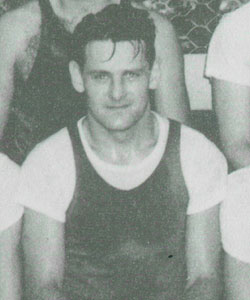
The Basketball Association of America (BAA), founded in 1946, was a crucial stepping stone in the evolution of professional basketball in the United States. Although the league only existed for three seasons before merging with the National Basketball League (NBL) to form the National Basketball Association (NBA), its impact on the sport was profound. The BAA helped bring basketball to major cities and large arenas, elevating the visibility and professionalism of the game.
Origins and Formation
The BAA was created by the owners of major sports arenas in cities like New York, Philadelphia, and Boston, who were looking to fill their venues during the winter months. These arenas, which often hosted hockey games and other events, were seeking a new revenue stream, and professional basketball appeared to be a promising option. The league's founders saw an opportunity to capitalize on the rising popularity of basketball, which had become a major college sport but had yet to find a stable foothold at the professional level.
One of the key figures behind the formation of the BAA was Maurice Podoloff, who was also the president of the National Hockey League (NHL) at the time. He became the first president of the BAA and later played a pivotal role in its merger with the NBL to form the NBA.
Focus on Big Cities and Large Arenas
One of the BAA’s most significant innovations was its focus on placing teams in large, well-known sports arenas in major metropolitan areas. Unlike the NBL, which was more focused on smaller towns in the Midwest, the BAA concentrated on big markets such as:
- New York Knicks: Playing in Madison Square Garden, the Knicks were one of the BAA's original franchises and immediately became one of the league’s most important teams, thanks to New York City's large population and media presence.
- Boston Celtics: The Celtics, another original BAA franchise, played in the Boston Garden, a famous venue that helped give the team a large following.
- Philadelphia Warriors: Playing in the Philadelphia Arena, the Warriors (now the Golden State Warriors) were another founding team that drew fans from one of the largest cities in the country.
This emphasis on large markets and big-name arenas helped the BAA gain more attention and media coverage than its competitors, such as the NBL. The league’s games were often held in venues that could seat tens of thousands of fans, a significant step up from the small gyms and armories where many NBL games were played.
League Structure and Teams
The BAA’s inaugural season in 1946-47 featured 11 teams, including franchises in some of the largest cities in the U.S. and Canada. Some of the key teams included:
- New York Knicks
- Boston Celtics
- Philadelphia Warriors
- Chicago Stags
- Cleveland Rebels
- Washington Capitols
- St. Louis Bombers
- Toronto Huskies (the first Canadian team in major professional basketball)
The BAA operated with a regular season, followed by playoffs to determine the league champion. The first BAA Finals were held in 1947, with the Philadelphia Warriors defeating the Chicago Stags to win the championship.
Key Players
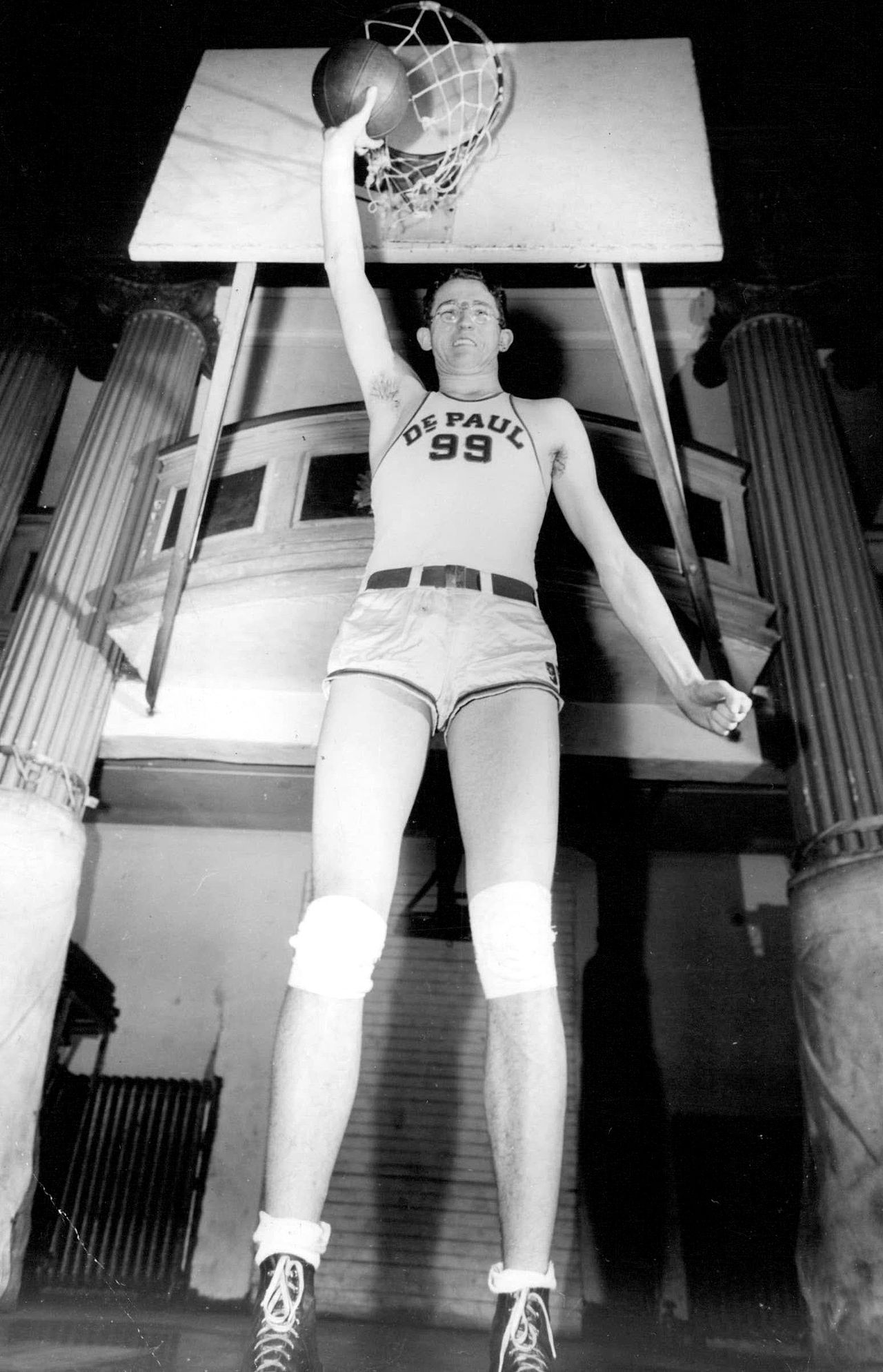
Although the BAA struggled at first to attract top talent from college basketball, it did feature several future Hall of Famers who would become household names. Some of the most notable players in the BAA included:
- Joe Fulks: One of the league’s first superstars, Fulks played for the Philadelphia Warriors and was known for his scoring prowess. He led the BAA in scoring during the league’s first two seasons and helped the Warriors win the 1947 championship.
- Buddy Jeannette: A versatile guard who played for the Baltimore Bullets, Jeannette was one of the most respected players of his era and a key figure in the early days of professional basketball.
- George Mikan: Although Mikan began his career in the NBL, he became one of the first dominant big men in professional basketball and later transitioned to the NBA after the BAA-NBL merger. His presence in the paint revolutionized how the game was played.
Challenges and Competition with the NBL
While the BAA succeeded in placing teams in major cities, it faced competition from the National Basketball League (NBL), which had been founded in 1937. The NBL was an established league with many of the top players and teams of the time, including the Minneapolis Lakers, which featured future Hall of Famer George Mikan. The NBL was stronger in terms of talent, especially early on, and had a longer track record of stability.
However, the BAA had several advantages. Its focus on large arenas and media markets gave it more visibility than the NBL, which was concentrated in smaller towns and venues. The BAA also had access to better financial resources because many of its team owners were already successful businessmen who owned arenas or other sports franchises.
The BAA-NBL Merger (1949)
By 1949, it became clear that a merger between the BAA and the NBL was in the best interest of both leagues. The BAA had succeeded in bringing professional basketball to big cities, but it needed the talent and organizational structure of the NBL to ensure its long-term success. The NBL, on the other hand, was struggling financially and needed the BAA’s access to larger markets and resources.
On August 3, 1949, the two leagues officially merged, forming the National Basketball Association (NBA). The merger brought together 17 teams, combining the best elements of both leagues. The NBA retained the BAA’s focus on major cities and large arenas while integrating the NBL’s strongest teams, including the Minneapolis Lakers, Fort Wayne Zollner Pistons, and Rochester Royals.
Legacy of the BAA
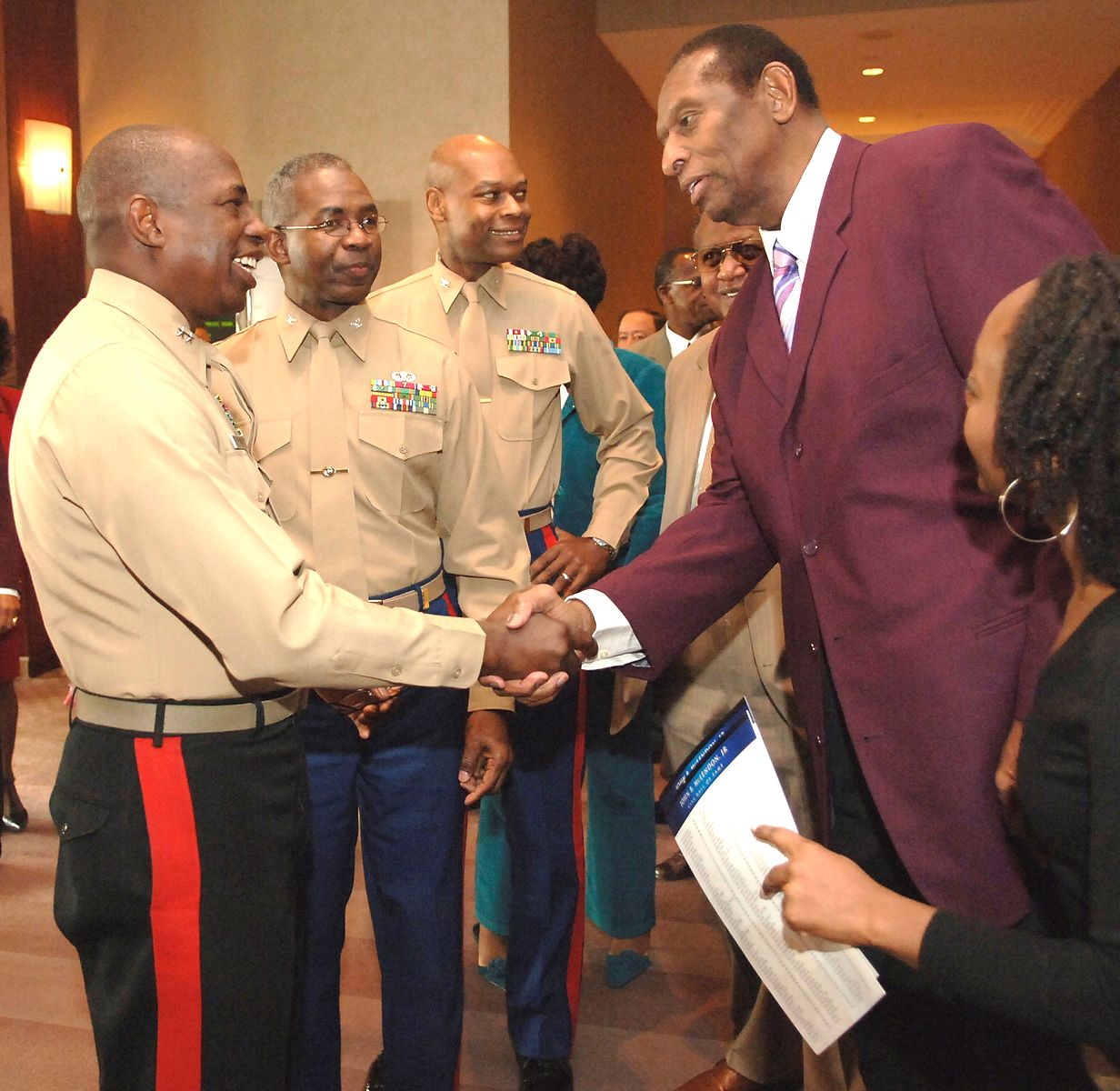
Although the BAA existed for only three seasons, its impact on professional basketball was enormous. The BAA established a blueprint for how professional basketball should be organized, emphasizing big cities, large arenas, and media exposure. This model was adopted by the NBA after the merger and remains a key part of the league’s success to this day.
The BAA also played a crucial role in the eventual integration of professional basketball. While the league was initially slow to accept African American players, it laid the groundwork for the NBA’s integration in the 1950s, with players like Earl "The Pearl" Lloyd, Chuck Cooper, and Nat "Sweetwater" Clifton breaking the color barrier.
In addition, the BAA’s emphasis on entertainment and fan engagement helped to grow the popularity of basketball across the country. The league introduced innovations like using arenas that could host large crowds, which created a more exciting atmosphere for fans and helped to elevate the status of the sport.
4. National Basketball League (NBL) – 1937-1949
The National Basketball League (NBL) was one of the most important early professional basketball leagues in the United States. Established in 1937, the NBL was instrumental in the development of professional basketball and laid the foundation for the modern NBA. Despite its relatively short lifespan, the league helped to organize and legitimize professional basketball during a time when the sport was still in its infancy. The NBL’s merger with the Basketball Association of America (BAA) in 1949 ultimately formed what we know today as the National Basketball Association (NBA).
Origins and Formation
The National Basketball League was founded by three large midwestern industrial corporations: General Electric, Firestone Tire and Rubber Company, and Goodyear Tire and Rubber Company. These companies had already sponsored amateur and semi-professional basketball teams for their employees as part of company sports leagues. Recognizing the growing popularity of basketball and the potential for a more organized professional league, they established the NBL to provide a formal competition for these teams and others in the region.
The NBL initially began with 13 teams from small- and medium-sized industrial towns in the Midwest. The league aimed to provide entertainment for workers and promote the companies that sponsored the teams. Teams were often named after their corporate sponsors, such as the Akron Goodyear Wingfoots (owned by Goodyear) and the Fort Wayne Zollner Pistons (owned by Zollner Corporation). Many of the teams were based in cities that did not have other professional sports franchises, so basketball quickly became a significant local attraction.
Structure and Teams
The NBL started as a league with a strong focus on Midwestern cities and industrial teams. In its early years, the league was made up of teams from smaller cities that were home to large factories and corporations. Some of the original and most notable teams in the NBL included:
- Akron Goodyear Wingfoots: One of the founding teams, sponsored by the Goodyear Tire and Rubber Company, this team was a perennial contender during the NBL’s early years.
- Fort Wayne Zollner Pistons: Sponsored by the Zollner Corporation, this team would later become the Detroit Pistons. The Pistons were one of the most successful teams in NBL history, regularly contending for championships.
- Oshkosh All-Stars: Based in Oshkosh, Wisconsin, the All-Stars were one of the league’s dominant teams, appearing in multiple championship games.
- Sheboygan Red Skins: Another strong team from Wisconsin, the Sheboygan Red Skins were known for their gritty, defensive play and were a major force in the league.
- Minneapolis Lakers: The Lakers, who joined the NBL in 1947, were perhaps the league’s most famous team. Led by future Hall of Famer George Mikan, they became the dominant franchise of the late 1940s. After the NBL-BAA merger, the Lakers would go on to become one of the premier franchises in the NBA, eventually relocating to Los Angeles.
While the NBL was primarily based in the Midwest, its influence began to grow as the league expanded into larger cities and attracted more talent. The league operated with a regular season, followed by playoffs to determine the league champion. The NBL also featured all-star games and other events to engage fans and promote the sport.
Key Players
The NBL was home to many of the best basketball players of the era, several of whom went on to have successful careers in the NBA and are now in the Basketball Hall of Fame. Some of the most notable players in NBL history include:
- George Mikan: Widely regarded as the first dominant big man in professional basketball, George Mikan revolutionized the game with his size (6’10”) and scoring ability. Mikan played for the Minneapolis Lakers, leading them to multiple championships and becoming the face of the league. His presence in the paint forced changes in the rules, such as the widening of the lane (known as the "Mikan Rule") to prevent players from camping under the basket.
- Bob Davies: A guard for the Rochester Royals (now the Sacramento Kings), Davies was one of the most skilled players of his era and known for his exceptional ball-handling and passing. He helped the Royals win multiple championships in the NBL.
- Bobby McDermott: A sharpshooting guard for several teams, including the Fort Wayne Pistons, McDermott was one of the best scorers in NBL history. He was also known for his leadership and became a player-coach later in his career.
- Al Cervi: Nicknamed “Digger,” Cervi was known for his tenacious defense and hard-nosed playing style. He was a key figure on the Syracuse Nationals, one of the league’s top teams.
These players and others helped raise the profile of professional basketball, and many of them transitioned to successful careers in the NBA after the merger.
Innovation and Contributions to Basketball
The NBL played a significant role in the development of professional basketball by introducing several innovations that would later be adopted by the NBA:
- Integration: The NBL was one of the first professional leagues to break racial barriers. In 1942, the league signed William “Pop” Gates and Bob Douglas, two African American players who competed for the New York Renaissance (or "Rens"). This was a significant step toward the integration of professional basketball, which the NBA would later fully embrace in the 1950s.
- Development of Zone Defense: Teams in the NBL popularized the use of zone defenses, which were designed to protect the basket and slow down fast-scoring opponents. Zone defenses became an essential strategy in basketball, although they were later limited by the NBA due to the dominance of certain players like George Mikan.
- Competitive Play and Talent Pool: The NBL provided a platform for highly competitive basketball and served as a proving ground for future NBA stars. The league also fostered a growing talent pool of college players who sought professional careers, helping to elevate the overall skill level of professional basketball.
Challenges and Competition with the BAA
While the NBL was successful in many ways, it faced challenges as basketball grew in popularity, especially from the Basketball Association of America (BAA), which was founded in 1946. The BAA focused on placing teams in larger cities and playing games in large arenas like Madison Square Garden in New York. The NBL, in contrast, was more regionally focused on smaller markets and industrial towns.
The BAA was able to attract more media attention and generate greater fan interest because of its big-city locations. The BAA also began to lure away top players from the NBL by offering higher salaries and the allure of playing in more prominent venues. As a result, the NBL struggled to keep up with the competition, and many teams began to look for ways to improve their financial stability.
The Merger with the BAA (1949)
By the late 1940s, it became clear that the competition between the NBL and BAA was unsustainable. Both leagues were competing for the same players, and their rivalry was creating financial strain. In 1949, after several years of negotiations, the NBL and BAA agreed to merge, forming the modern National Basketball Association (NBA).
The merger combined the teams and talent from both leagues, creating a more stable and unified professional basketball organization. Of the 17 teams in the newly formed NBA, six came from the NBL, including some of the league's most prominent franchises:
- Minneapolis Lakers
- Fort Wayne Pistons
- Rochester Royals
- Syracuse Nationals
- Tri-Cities Blackhawks (now the Atlanta Hawks)
- Sheboygan Red Skins
The merger allowed the NBA to create a stronger, more competitive league with a larger national footprint. It also marked the beginning of professional basketball as a major American sport, paving the way for the growth and success of the NBA in the decades to come.
Legacy of the NBL
The National Basketball League (NBL) may not be as well-known as the NBA today, but its legacy is significant. The NBL provided a foundation for professional basketball and was responsible for nurturing some of the game’s greatest early stars. The league’s influence is still felt in the NBA, particularly in the way basketball expanded beyond college and amateur levels to become a legitimate and popular professional sport.
The NBL’s role in integrating professional basketball and developing key defensive strategies also had a lasting impact on the game. Additionally, the NBL’s focus on industrial towns and small markets highlighted the importance of local communities in supporting professional teams, a lesson that remains relevant in sports today.
Ultimately, the NBL’s merger with the BAA created the modern NBA, which continues to thrive as the premier professional basketball league in the world. Without the NBL, the path to the NBA’s current global dominance might have been very different.
5. Eastern Basketball League (EBL) – 1909-1978
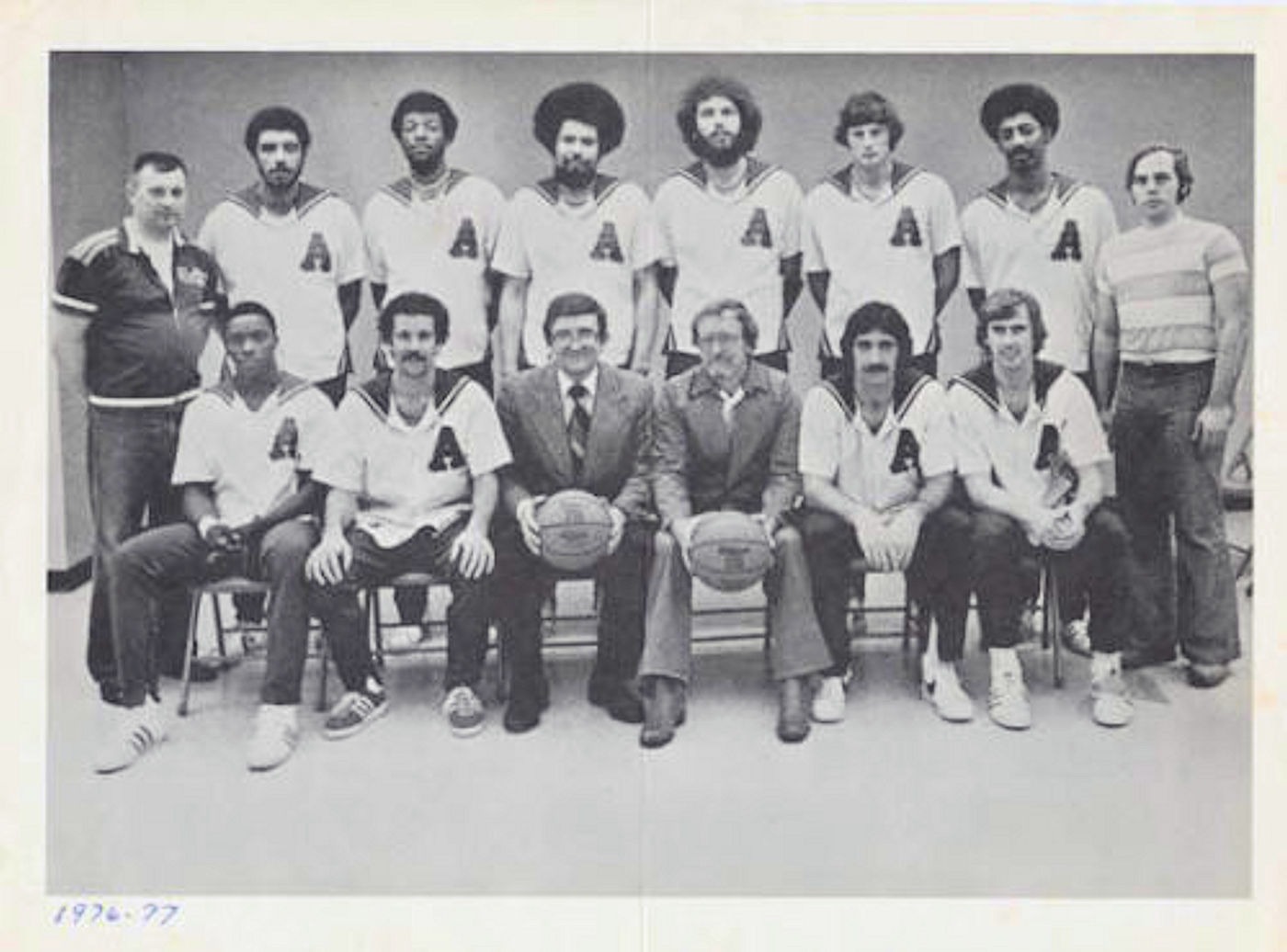
The Eastern Basketball League (EBL) was one of the earliest and longest-running minor professional basketball leagues in the United States. Established in 1909, it primarily featured teams from small cities in Pennsylvania, New York, and New Jersey. Over the course of its nearly seven-decade history, the EBL helped develop professional basketball talent and served as a key stepping stone for players looking to advance to higher levels of competition.
Origins and Early Years
The EBL was founded at a time when basketball was still a relatively new sport. Professional basketball leagues were scarce, and much of the focus in the sport was on amateur and semi-professional competitions. The league began with teams based in industrial towns in the Northeastern United States, where basketball was popular as a winter sport. The league attracted many players from local colleges and independent teams.
In its early years, the EBL primarily operated as a regional league, with teams such as the Wilkes-Barre Barons, Trenton Tigers, and Camden Electrics. These teams played in local gymnasiums and arenas, often attracting enthusiastic crowds from the surrounding communities. The league operated on a modest budget, with players often balancing basketball with other jobs, as professional basketball salaries at the time were not enough to live on.
Key Teams and Players
Some of the most notable teams in the EBL included:
- Wilkes-Barre Barons: One of the most successful and long-standing teams in EBL history, the Barons won multiple championships and were a dominant force in the league.
- Scranton Miners: Based in Scranton, Pennsylvania, the Miners were another powerhouse team that developed a strong rivalry with the Barons. They were known for their tough, physical style of play.
- Trenton Tigers: Trenton, New Jersey, had a rich basketball tradition, and the Tigers were one of the most popular teams in the league.
- Camden Electrics: The Electrics, from Camden, New Jersey, were known for their strong defense and ability to compete with the top teams in the league.
The EBL was a proving ground for many players who would go on to have successful careers in higher-level leagues, including the Basketball Association of America (BAA) and the National Basketball League (NBL), both of which later merged to form the NBA. Some of the players who made a name for themselves in the EBL before moving on to the NBA included Larry Foust, Paul Arizin, and Frank Selvy.
Role as a Developmental League
The EBL served as a key developmental league for players who weren’t quite ready for the NBA or other top-tier professional leagues. It allowed players to hone their skills, gain experience, and continue their basketball careers while earning a modest income. For many players, the EBL was a stepping stone to greater opportunities, either in the NBA or in international leagues.
The EBL was also a training ground for coaches and referees. Many future NBA coaches and officials got their start in the Eastern Basketball League, learning the ins and outs of professional basketball before moving on to higher levels of competition.
Transition to the Eastern Professional Basketball League (EPBL)
In 1946, the EBL was rebranded as the Eastern Professional Basketball League (EPBL). This change reflected the league's shift toward becoming a more formalized professional league, and the EPBL began to attract a higher caliber of talent. As the NBA became more established, the EPBL continued to serve as a minor league, offering players an alternative professional platform.
The league expanded to include more teams and became more competitive, with an increasingly organized structure. Teams in cities like Allentown, Reading, and Hazleton in Pennsylvania became staples of the league, and fans in these smaller markets continued to support their local teams passionately.
Challenges and Decline
Despite its role as a developmental league and its long history, the EPBL/EBL faced several challenges. One of the main issues was financial instability, as many of the small-market teams struggled to stay afloat. Additionally, the rise of the NBA and other professional basketball leagues meant that the best players were increasingly drawn to more lucrative opportunities elsewhere.
In the 1960s and 1970s, the league faced growing competition from the NBA’s developmental programs, as well as from the formation of the American Basketball Association (ABA). The ABA’s more attractive salaries and wider geographic reach lured away many of the top players who might have otherwise played in the EPBL.
Final Years and Legacy
By the late 1970s, the EPBL was rebranded as the Continental Basketball Association (CBA), marking the end of the Eastern Basketball League’s long history. The CBA would go on to become a prominent developmental league for the NBA, but the legacy of the EBL remains significant. The EBL was one of the earliest leagues to offer a professional platform for basketball players, and it played a crucial role in the growth of the sport in the United States.
6. Metropolitan Basketball League (MBL) – 1920s
The Metropolitan Basketball League (MBL) was a short-lived but notable early basketball league that operated during the 1920s in the New York City metropolitan area. While it did not last long, the MBL played a key role in promoting basketball in one of the most important urban centers in the U.S. and helped shape the sport's growth in the region.
Origins and Formation
The Metropolitan Basketball League was formed in the early 1920s, during a time when basketball was experiencing rapid growth, especially in urban areas like New York. The league was established to create a formal competition between teams from New York City and nearby areas such as New Jersey and Connecticut. Basketball had already gained popularity in local gymnasiums and community centers, and the MBL sought to provide more structure to the growing number of teams and leagues in the area.
One of the league's primary goals was to establish a higher level of professional basketball in New York, a city that had quickly become one of the sport's major hubs. New York’s vibrant basketball scene featured numerous independent teams and leagues, and the MBL aimed to bring many of these teams under one umbrella.
Key Teams and Players
The MBL featured several prominent teams from the New York City area, including:
- Original Celtics: One of the most famous teams of the era, the Original Celtics were not officially part of the MBL but often played against MBL teams in exhibitions. The Celtics were widely regarded as the best basketball team in the world during the 1920s, thanks to their innovative style of play and dominance on the court.
- New York Whirlwinds: A rival of the Celtics, the Whirlwinds were a talented team that regularly competed against the top squads in the MBL and beyond. They were known for their fast-paced offense and ability to draw large crowds.
- Brooklyn Arcadians: Another New York-based team, the Arcadians were competitive throughout the MBL’s existence and attracted a loyal fanbase from Brooklyn.
Challenges and Short Life
Despite its ambition and location in one of the nation’s largest cities, the MBL struggled with financial instability and competition from other leagues. Many of the teams in the league were financially fragile, and the league itself lacked the organizational structure needed to compete with other professional leagues that were beginning to emerge across the country.
Additionally, the rise of barnstorming teams like the Original Celtics overshadowed the MBL’s attempts to organize professional basketball in a formal league setting. Teams like the Celtics preferred the freedom to travel and play exhibition games across the country, which often drew larger crowds and offered higher pay than participating in a structured league.
By the late 1920s, the MBL had dissolved, but its legacy remained in the New York basketball community. The league helped to establish the city as one of the key centers of basketball in the U.S. and contributed to the sport’s growth in urban areas.
7. New York State League (NYSBL) – Early 1900s
The New York State Basketball League (NYSBL), established in the early 1900s, was one of the first semi-professional basketball leagues in the United States. The league played a crucial role in the early development of basketball as a professional sport and helped to popularize the game in upstate New York and surrounding areas.
Origins and Formation
The NYSBL was created during a time when basketball was rapidly spreading across the country, following its invention by Dr. James Naismith in 1891. As the sport gained popularity in colleges, high schools, and local athletic clubs, various regions began forming their own leagues to organize competition. The New York State Basketball League was one of the first leagues to offer players a modest salary, making it a semi-professional league.
The league was primarily based in upstate New York and featured teams from smaller cities and towns that did not have major professional sports franchises. This allowed the NYSBL to carve out a niche as one of the few organized basketball leagues in the area.
Key Teams and Players
The NYSBL was home to several early basketball teams that became popular in their respective cities. Some of the notable teams included:
- Syracuse All-Stars: Based in Syracuse, New York, the All-Stars were one of the league’s most successful teams, attracting talented players from local colleges and independent teams.
- Rochester Centrals: Another prominent team in the NYSBL, the Rochester Centrals helped develop basketball in the western part of New York State.
- Albany Senators: The Senators were one of the top teams in the capital region and regularly competed for league championships.
The league also attracted early basketball stars, some of whom would go on to have significant careers in the sport. Players like Ed Wachter, who was one of the most dominant players in the early days of professional basketball, got their start in leagues like the NYSBL.
Contribution to Professional Basketball
The NYSBL played a key role in the transition of basketball from a purely amateur sport to a professional one. Although the salaries paid to players were relatively small, they represented one of the first instances of athletes being compensated for their basketball talents. This shift toward professionalism helped to attract more skilled players to the game and allowed basketball to grow beyond local YMCA gyms and athletic clubs.
The league also helped develop the rules and structure of the game. Early basketball was still evolving in terms of its rules, and leagues like the NYSBL contributed to the standardization of the sport. For example, the NYSBL helped popularize the use of referees and formalized game rules that would later be adopted by larger professional leagues.
Decline and Legacy
The New York State Basketball League, like many early leagues, faced financial challenges and competition from other basketball leagues that began to emerge in the 1920s and 1930s. As larger leagues like the National Basketball League (NBL) and the American Basketball League (ABL) began to attract more attention and higher-level talent, smaller leagues like the NYSBL struggled to remain relevant.
The league eventually disbanded, but its contribution to the early professionalization of basketball in the United States remains significant. It helped pave the way for future leagues, including the NBA, by demonstrating that basketball could be a viable professional sport and by helping to develop the infrastructure for professional basketball competition.
The NYSBL also contributed to the growth of basketball in upstate New York, a region that has continued to produce basketball talent and remains passionate about the sport to this day.