When Did Basketball Become Part of the NCAA?
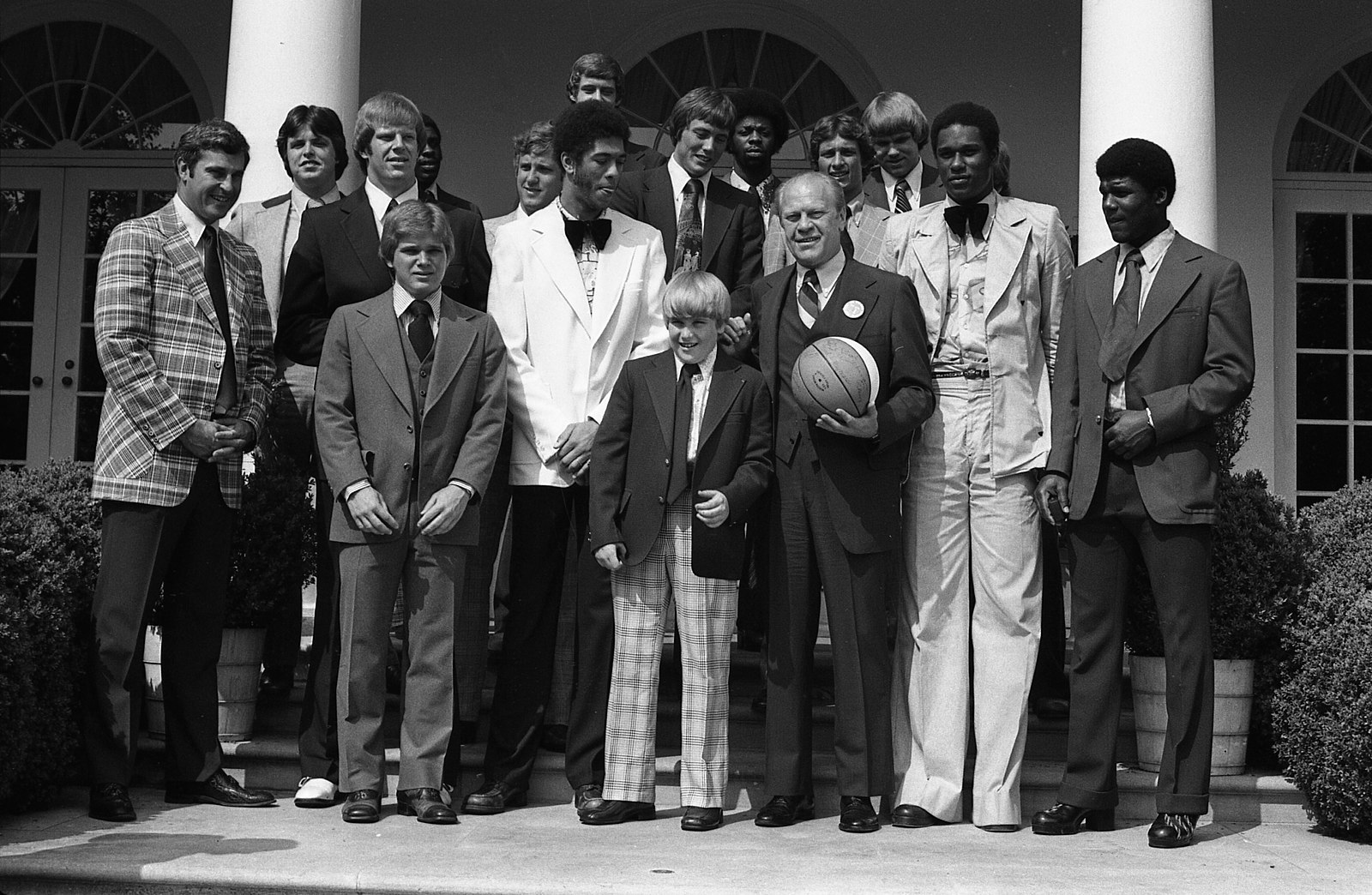
Basketball's integration into the NCAA was not immediate. Although the NCAA was established in 1906 with a primary focus on regulating football and other college sports, basketball gradually found its place within the organization. The sport's significant moment came in 1939 with the introduction of the NCAA Men's Basketball Tournament, now known as March Madness. This development was the result of a series of crucial moments and key decisions that shaped the collegiate basketball landscape.
Origins of College Basketball
The origins of college basketball trace back to the early 1890s, shortly after James Naismith invented the game in 1891. The sport rapidly gained popularity in colleges, where organized play began to thrive. This initial enthusiasm among college students laid the groundwork for basketball to become a major component of American sports culture.
As the interest in college basketball grew, the need for regulation and standardization became evident. This led to the formation of the Intercollegiate Athletic Association in 1906, which later evolved into the NCAA. The NCAA was established to ensure fair play and the safety of athletes across various sports, including basketball.
A significant milestone in college basketball history was the inaugural NCAA Division I men's basketball tournament in 1939. This event marked the formal organization of college basketball competitions, providing a structured platform for teams to showcase their talents. By 1951, the NCAA introduced separate divisions, further refining the competitive landscape. Over the years, the NCAA has continued to enhance the integrity and competitiveness of college basketball through academic reforms and eligibility standards, ensuring the sport's sustained growth and popularity.
Early College Basketball Games
Basketball's journey into college sports began with the inaugural game on January 18, 1896, where the University of Chicago narrowly defeated the University of Iowa. An earlier significant event occurred on February 9, 1895, with the first intercollegiate game between Hamline University and Minnesota A&M. As the sport evolved, modern rules were introduced, leading to the NCAA's involvement and the establishment of the NCAA tournament in 1939.
First Known College Game
College basketball's storied history began with pioneering games that set the stage for its future. The first known college basketball game took place on January 18, 1896, between the University of Chicago and the University of Iowa, with Chicago emerging victorious at 15-12. This game marked a crucial milestone in collegiate sports, illustrating a growing interest in organized basketball.
Although Geneva College and Vanderbilt University each claim to have played the initial college basketball game in 1893, the game between Hamline University and Minnesota A&M on February 9, 1895, is recognized as the first intercollegiate match. These early games varied in team sizes, with the modern five-player lineup only becoming standardized after several years of experimentation.
As these early contests gained popularity, they laid the groundwork for organized competitions, eventually leading to the formation of the NCAA in 1906. The early adoption and enthusiasm for the sport paved the way for the NCAA tournament and the excitement of March Madness. These foundational games were instrumental in shaping the future of college basketball as it is known today.
Intercollegiate Game Milestone
Building on the enthusiasm generated by early college games, intercollegiate basketball matches quickly became significant milestones in the sport's history. The first recorded intercollegiate basketball game took place on January 18, 1896, between the University of Chicago and the University of Iowa. This historic match laid the groundwork for the NCAA, founded in 1906, to create a structured environment for college basketball. The NCAA's establishment provided an organized framework that allowed the sport to thrive in colleges across the country.
Modern Rules Implementation
As basketball began to cement its place within the NCAA framework, the introduction of modern rules considerably shaped early college games. When the NCAA was founded in 1906, it aimed to regulate college sports and protect athlete safety. By the 1932-33 season, the implementation of the 10-second rule for advancing the ball added a strategic element to the game, ensuring a faster pace and reducing stalling. This change was essential for teams to keep the action moving and maintain viewer interest.
In 1939, the initial NCAA-sanctioned basketball tournament was held, featuring eight teams. This event marked the beginning of a structured competition, laying the groundwork for what would become the NCAA Division I men's basketball tournament. Over the years, the tournament expanded, eventually hosting 68 teams by 2011.
The adoption of the 45-second shot clock in 1985 was another significant milestone in modern rule implementation. This rule promoted quicker offensive plays and higher scoring, transforming the dynamics of college basketball. These developments in the NCAA's rules and tournament structure not only improved the game's excitement but also contributed to its growing popularity and institutionalization in college sports.
Formation of the NCAA
The NCAA originated in 1906 as the Intercollegiate Athletic Association of the United States, with the aim of regulating college sports and safeguarding athletes. In 1910, it was renamed the National Collegiate Athletic Association (NCAA). During its early years, the organization implemented crucial safety reforms and established foundational rules that would significantly influence the development of college sports, including basketball.
Early Safety Reforms
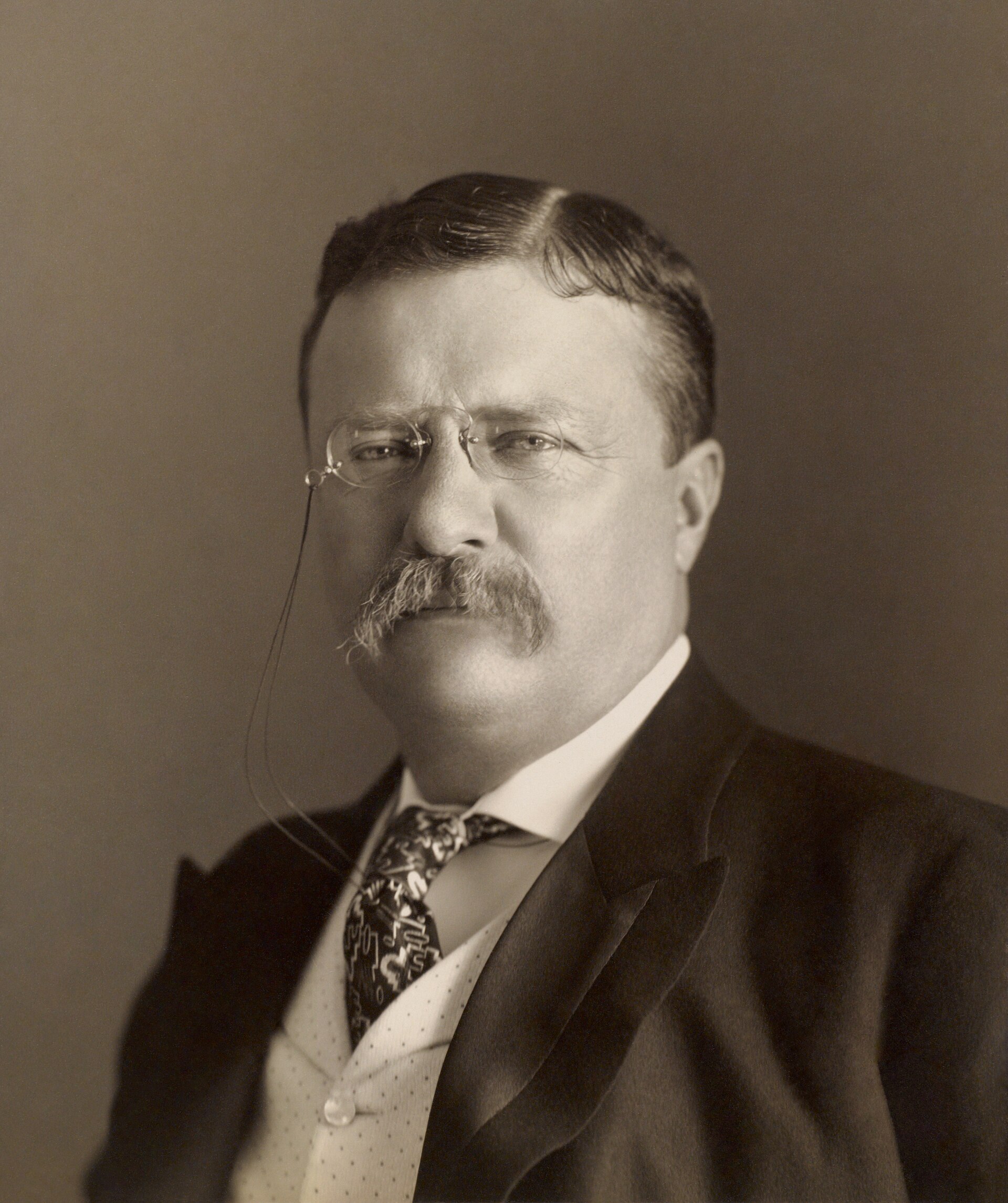
Amid rising concerns over the safety of college sports, the NCAA was founded in 1906 to address the alarming number of injuries and deaths, particularly in football. The catalyst for these reforms was the 1904 football season, which saw 18 deaths and 159 serious injuries. President Theodore Roosevelt intervened, leading to a meeting of 13 schools in December 1905 to discuss and implement essential safety reforms.
The organization was initially named the Intercollegiate Athletic Association of the United States before being renamed the NCAA in 1910. While football was the primary focus, basketball soon came under the NCAA's purview as it gained popularity. By 1939, the first NCAA men's basketball tournament was held, marking a significant milestone for the sport and ensuring standardized safety measures for student-athletes.
Overview of early NCAA safety reforms:
| Year | Event | Impact |
|---|---|---|
| 1904 | Football season injuries and deaths | Highlighted the need for safety reforms |
| 1905 | President Roosevelt's intervention | Led to the formation of safety discussions |
| 1906 | NCAA founded | Established to guarantee safer play |
| 1910 | Renamed NCAA | Broadened focus to include other sports |
| 1939 | First NCAA men's basketball tournament | Standardized basketball safety and rules |
These early reforms played a crucial role in shaping the safety standards and organizational structure of college sports, ensuring the well-being of student-athletes.
Establishment and Early Years
The establishment of the NCAA in 1906 marked a pivotal moment in the regulation of college sports, initially focusing on football safety. However, as basketball's popularity surged, the NCAA soon extended its governance to this sport as well. By 1939, the burgeoning interest in college basketball led to the first NCAA Division I men's basketball tournament, featuring eight teams competing for the championship title. This event set the precedent for future tournaments and established the NCAA's role in organizing and regulating collegiate basketball.
The NCAA's influence extended beyond tournament organization to include the establishment of rules and regulations governing gameplay and athlete eligibility. These measures ensured a fair and competitive environment, contributing significantly to the sport's growth within collegiate settings.
In 1973, the NCAA's structured approach culminated in the creation of three distinct divisions, including Division I, further elevating the status of college basketball. This structured governance has made college basketball an integral part of NCAA athletics, fostering its development and popularity over the years.
NCAA Basketball Integration
Following its establishment in 1906, the NCAA integrated basketball into its regulatory framework to standardize college sports and enhance athlete safety. Over the decades, the NCAA's influence on basketball has expanded considerably. The inaugural men's basketball championship took place in 1939, featuring eight teams and culminating in Oregon's victory over Ohio State.
In 1951, acknowledging the growing popularity of women's basketball, the NCAA established separate championships for men's and women's basketball. This move formalized the development of women's collegiate sports and provided structured opportunities for female athletes.
In 1973, the NCAA introduced divisions—Division I, II, and III—categorizing basketball programs based on the size and athletic commitment of their institutions. This ensured a more level playing field and allowed schools to compete against similarly resourced programs.
The NCAA basketball tournament has grown significantly from its modest eight-team inception in 1939 to a 68-team event by 2011, solidifying its status as a major event in American sports culture. Today, both men's and women's basketball championships draw massive audiences, underscoring the success of the NCAA's integration efforts.
First NCAA Tournament
The excitement around NCAA basketball integration reached a milestone with the inaugural NCAA Division I men's basketball tournament in 1939. This first tournament brought together eight teams, marking the beginning of what would become the annual March spectacle cherished by basketball fans worldwide. The 1939 championship game saw Oregon claim victory over Ohio State with a final score of 46-33, cementing their place in history as the initial NCAA champions in men's basketball.
The term "March Madness" was originally coined by Henry V. Porter in 1939, coinciding with the debut of the NCAA tournament. This alignment of events set the stage for a tradition that would grow exponentially over the decades. Initially modest, with only eight teams competing, the tournament's format was a far cry from today's expansive 68-team bracket.
Oregon's triumph in 1939 not only crowned them as the first NCAA champions but also demonstrated the potential and excitement of collegiate basketball. As the tournament has evolved, its significance has only grown, enthralling millions every year. The 1939 tournament laid the foundation for the thrilling, unpredictable, and beloved event known as March Madness.
Evolution of the Tournament
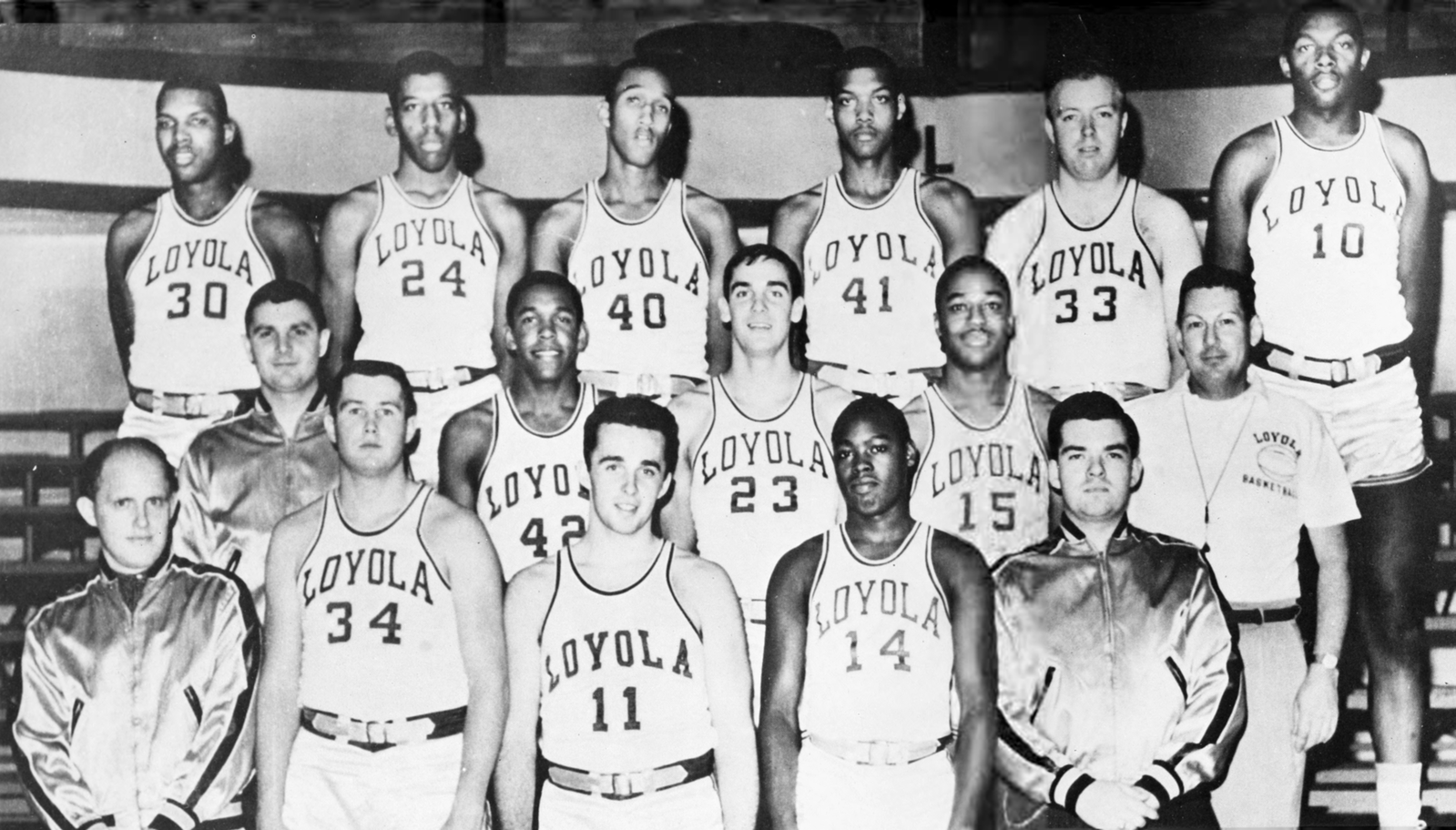
As the NCAA tournament progressed from its humble beginnings in 1939, it evolved into a sprawling, nationwide spectacle that captures the attention of millions each year. Originally featuring just eight teams, the tournament crowned Oregon as the premier champion. Over the years, the format and scope of the tournament have changed dramatically, reflecting the growing popularity of intercollegiate basketball.
By 1951, the field expanded to 16 teams. This expansion continued, with 32 teams competing by 1975. The year 1985 marked a significant milestone, as the tournament grew to include 64 teams, solidifying its reputation as "March Madness." In 2011, the inclusion of the "First Four" games brought the total to 68 teams, creating even more excitement and unpredictability.
Here's a brief overview of the tournament's evolution:
| Year | Field Size | Notable Change |
|---|---|---|
| 1939 | 8 | First tournament |
| 1951 | 16 | Initial expansion |
| 1975 | 32 | Major expansion |
| 1985 | 64 | Established "March Madness" |
| 2011 | 68 | Introduction of "First Four" |
Today, the NCAA Division I men's basketball tournament is a cultural phenomenon, showcasing the best in college basketball. Each spring, fans get swept up in the drama and excitement as teams vie for the coveted national championship.
Key Milestones in NCAA Basketball
NCAA basketball officially entered the collegiate sports scene in 1939, quickly becoming a pivotal component. The inaugural NCAA Division I men's basketball tournament featured eight teams, setting a precedent for the annual national championship competition. This pivotal event laid the foundation for what has become one of the most eagerly awaited spectacles in college sports.
Over the years, the NCAA has introduced significant changes to enhance the basketball season. A landmark moment was the establishment of the NCAA women's basketball tournament in 1982, promoting gender equality and broadening the sport's appeal. The men's tournament has expanded from eight teams in 1939 to 68 teams by 2011, including the "First Four" round, reflecting the sport's increasing popularity and competitive nature.
The NCAA has also played a crucial role in shaping the rules and structure of college basketball. The introduction of shot clocks in the 1985 season was aimed at accelerating the game's pace and boosting scoring opportunities. These changes have resulted in numerous memorable moments and records, heightening the excitement for fans and players alike. The evolution of these elements underscores the continuous growth and enthusiasm surrounding NCAA basketball.
Impact of March Madness
NCAA basketball's milestones have paved the way for March Madness to become a cultural phenomenon. The NCAA tournament, known for its high stakes and thrilling upsets, began in 1939 with just eight teams. Today, it has expanded into a 68-team spectacle, a testament to its remarkable growth. The term "March Madness," coined by Henry V. Porter and popularized by Brent Musburger, encapsulates the tournament's unpredictable and exhilarating nature.
UCLA's dominance in the tournament's history, with 11 championships and seven consecutive titles from 1967 to 1973, set a high bar for excellence. Each year, the tournament's "One Shining Moment" anthem captures the essence of the competition, highlighting the crucial plays and emotional triumphs that define the event.
The impact of March Madness extends beyond the basketball court. It unites fans from all walks of life, creating a shared experience as they follow their favorite teams. The tournament's expansion has allowed more teams to dream big, turning underdogs into legends. From its humble beginnings to its current grandeur, March Madness remains a reflection of the enduring appeal and excitement of college basketball's championship pursuit.
Modern NCAA Basketball Structure
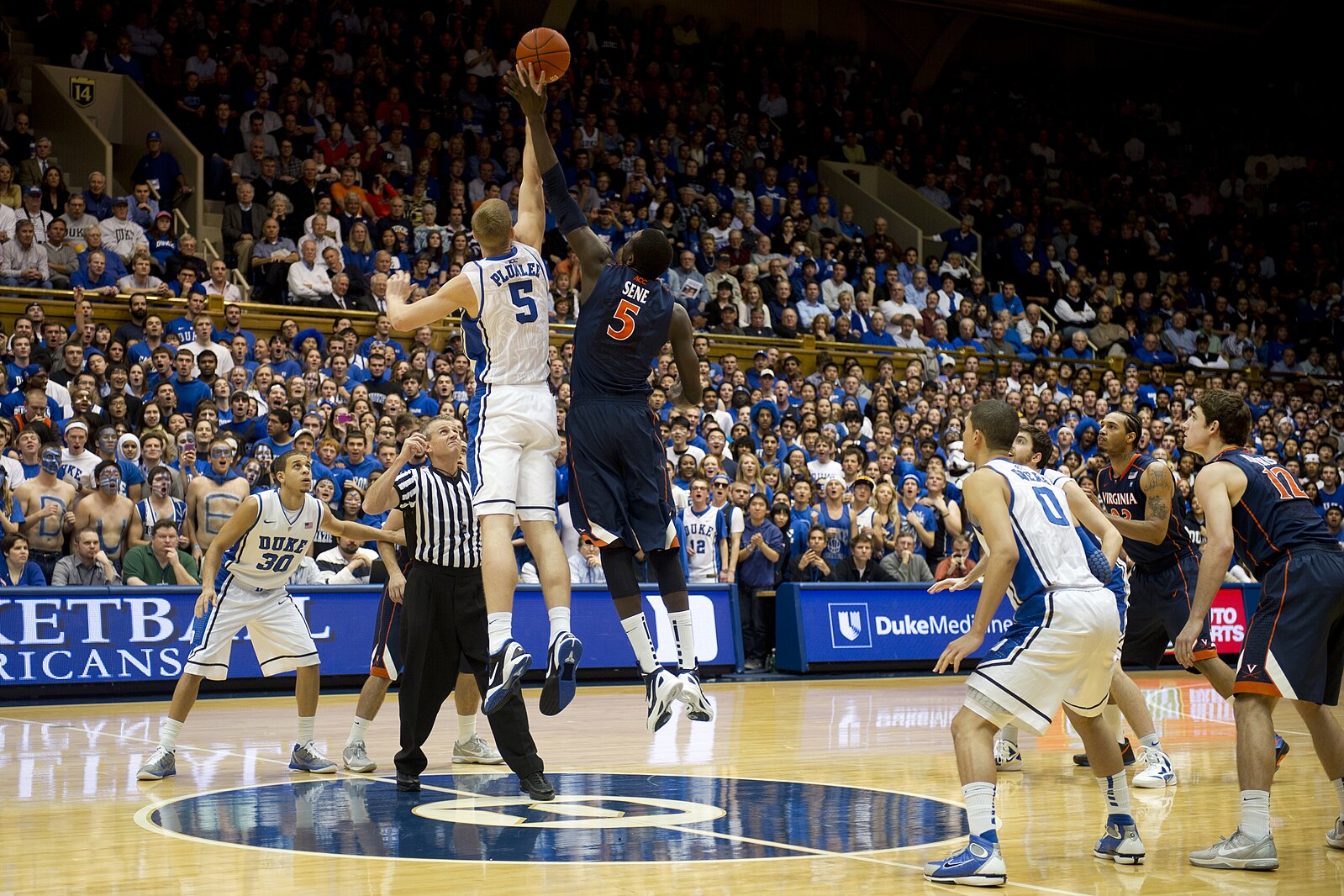
Basketball's incorporation into the NCAA in 1906 laid the groundwork for the sport's structured development and regulation within collegiate athletics. The establishment of the men's basketball tournament in 1939 was a pivotal event, marking the inception of what would eventually be known as "March Madness."
In 1973, the NCAA introduced three divisions: Division I, II, and III, to accommodate varying levels of competition among institutions. This restructuring enabled schools to compete more equitably and vie for championships within their respective divisions.
The inception of the women's basketball championship in 1982 significantly enhanced the visibility and growth of women's collegiate basketball, offering female athletes a platform to display their talents.
Today, the NCAA Division I men's basketball tournament, commonly referred to as "March Madness," features 68 teams and stands as one of the most eagerly awaited events in college sports.
Key points to note:
- Division I, II, and III address different levels of competition.
- "March Madness" has significantly expanded since 1939.
- Women's basketball achieved greater prominence with the 1982 championship.
- The NCAA oversees structured growth across all divisions.
- College athletics benefit from the NCAA's regulation and organization.