When Did the NCAA Start Women's Basketball?
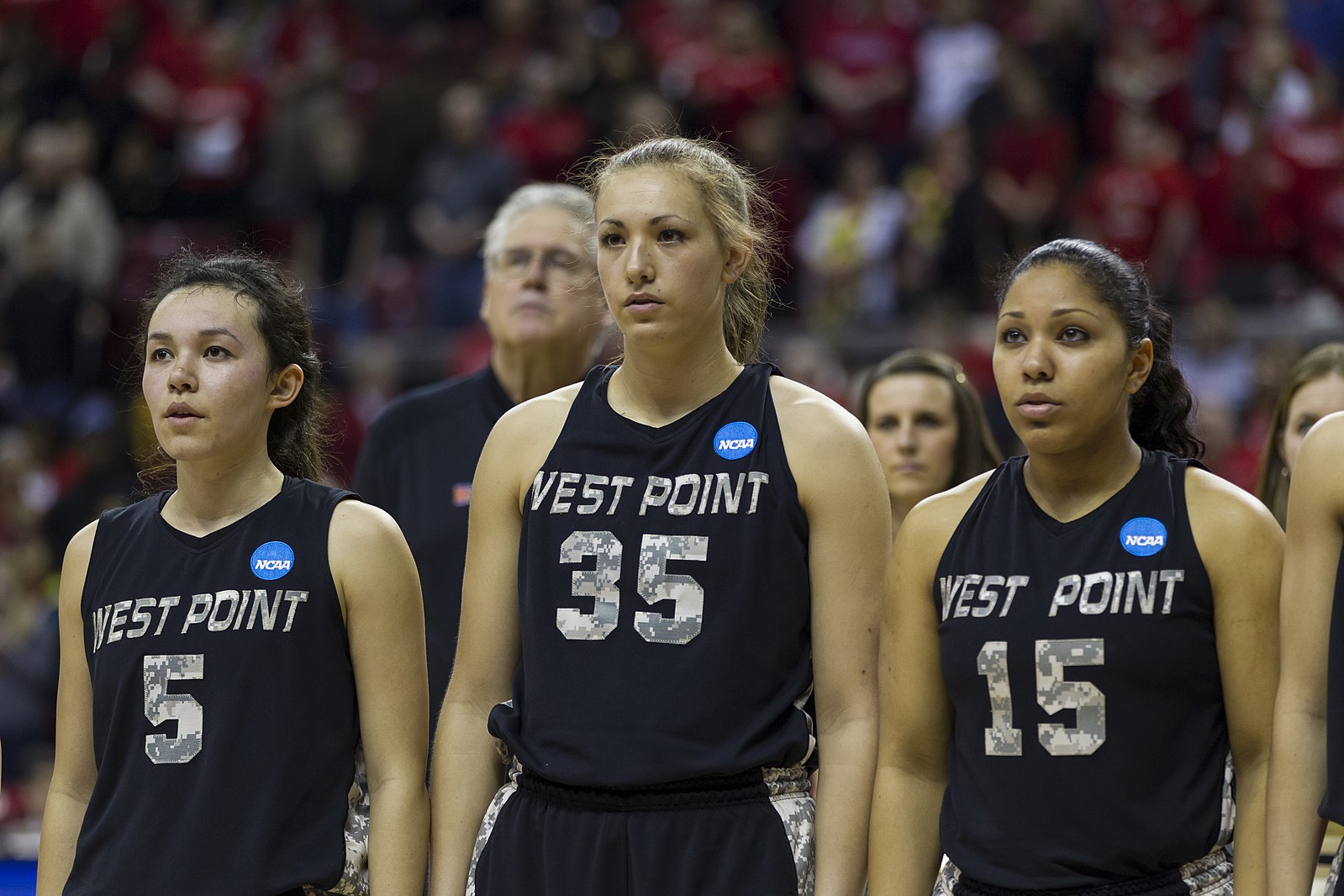
The NCAA officially started sponsoring women's basketball in 1982, marking a significant milestone in the sport's history. Prior to this, the Association for Intercollegiate Athletics for Women (AIAW) served as the main governing body for women's collegiate sports. The shift from AIAW to NCAA was influenced by Title IX, which mandated equal opportunities for women in educational programs, including sports. The inaugural NCAA women's basketball championship in 1982 underscored this pivotal change, reshaping the landscape of women's collegiate athletics.
Early Beginnings of Women's Basketball
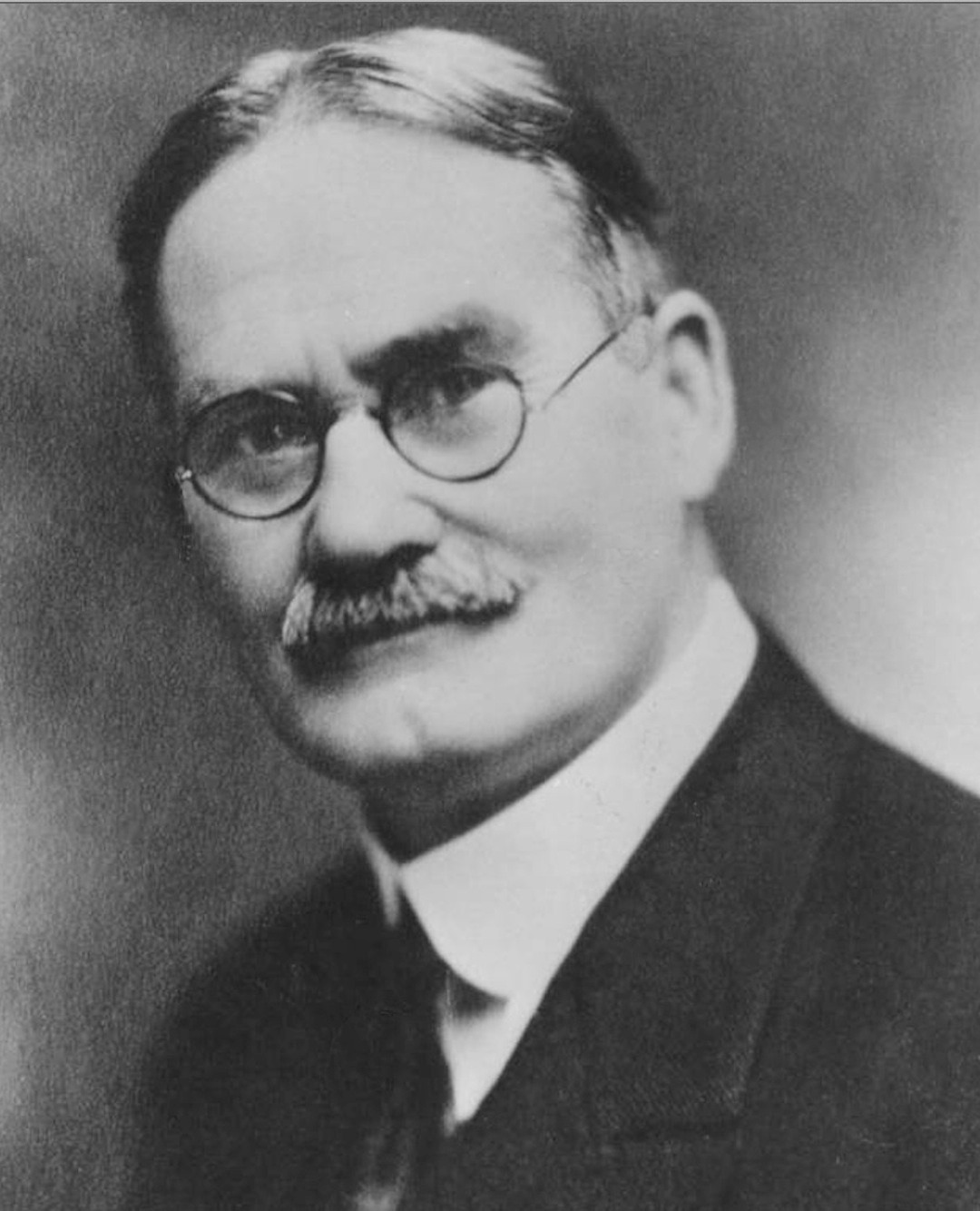
The origins of women's basketball date back to 1892 when Senda Berenson adapted James Naismith's original rules at Smith College to enhance women's physical health. Berenson's pioneering efforts laid the groundwork for women's inclusion in organized sports. In 1893, the first intercollegiate women's basketball game was played between UC Berkeley and Miss Head's School, marking a significant milestone in the history of women's sports.
The first official intercollegiate game of women's basketball occurred in 1896 between Stanford University and UC Berkeley, with Stanford winning 2-1. This landmark event demonstrated women's capability to compete with intensity and passion comparable to men's sports.
Over the years, women's basketball continued to evolve. The passage of Title IX in 1972 was a transformative moment, significantly increasing opportunities for female athletes. By 1982, the NCAA began sponsoring women's basketball championships, providing a formal and recognized platform for the sport. This development marked the beginning of the modern era of NCAA women's basketball, enhancing its status and popularity.
The Rise of Women's Collegiate Basketball
The rise of women's collegiate basketball has been transformative. The NCAA began sponsoring women's basketball championships in 1982, marking a pivotal moment in the recognition and support of women's collegiate sports. Before this transition, women's basketball was governed by the Association for Intercollegiate Athletics for Women (AIAW), which laid the groundwork for competitive women's sports.
The inaugural NCAA championship game on March 28, 1982, saw Louisiana Tech defeat Cheyney State 76-62. This event was more than just a game; it signified the beginning of a new era for women's basketball. The NCAA's involvement brought women's basketball the same level of prestige and organizational support that men's sports had enjoyed since the NCAA men's tournament began in 1939.
The establishment of the NCAA championship for women catalyzed the growth of women's basketball programs nationwide. Colleges and universities began investing more in their women's teams, leading to increased visibility and improved resources. This shift not only enhanced the sport but also empowered countless female athletes to pursue their dreams on a larger stage, transforming the landscape of collegiate athletics.
Formation of the AIAW
As women's collegiate basketball gained momentum, the demand for a dedicated governing body became evident. In response, the Association for Intercollegiate Athletics for Women (AIAW) was established in 1971 to oversee women's collegiate sports, including basketball. This marked a significant advancement in organized competition and opportunities for female athletes in higher education.
The AIAW quickly made an impact by hosting its first national championship for women's basketball in 1972. This event was a milestone, reflecting the growing recognition and support for women's athletics. By 1974, the AIAW secured television coverage for its championships, which significantly increased the sport's visibility and popularity.
For over a decade, the AIAW governed women's basketball, providing a platform for female athletes to compete at a high level. However, in 1982, the NCAA decided to sponsor women's basketball championships, leading to a split in loyalties and differing competition formats as both organizations vied for control and influence over the sport. Ultimately, the NCAA's takeover marked the end of the AIAW's governance in women's basketball.
Title IX and Its Impact
Title IX: A Catalyst for Gender Equality in Sports
Enacted in 1972, Title IX prohibits sex discrimination in federally funded educational programs, marking a pivotal moment for gender equality in sports, particularly women's basketball. Prior to Title IX, opportunities for female athletes were severely limited. The legislation's passage catalyzed a dramatic surge in female athletic participation, with numbers increasing from around 30,000 in 1972 to over 200,000 by 2020.
Title IX didn't just boost participation; it also led to increased funding and resources for women's athletic programs. Colleges began allocating more money and support to women's basketball, resulting in enhanced training, facilities, and competitive opportunities. This foundation was crucial for the growth and visibility of NCAA women's basketball.
Nevertheless, the journey toward full equality has been ongoing. The NCAA held its first women's basketball championship in 1982, almost a decade after Title IX's enactment, underscoring the persistent challenges in collegiate athletics. Over the decades, Title IX has continued to drive change, significantly transforming the landscape of women's collegiate sports.
Transition to NCAA Sponsorship
The transition to NCAA sponsorship in 1982 marked a monumental shift in women's collegiate basketball. Before the NCAA's involvement, the Association for Intercollegiate Athletics for Women (AIAW) organized women's college basketball, holding its final national championships in 1981. The NCAA's entry brought significant changes, enhancing the visibility and support for the sport.
The first NCAA women's basketball championship took place on March 28, 1982, with Louisiana Tech defeating Cheyney State 76-62. This transition didn't just signify a change in leadership; it set a new standard for women's collegiate athletics.
The NCAA's involvement catalyzed the growth of women's college basketball by providing more resources and media coverage. This shift allowed the sport to flourish, leading to expanded tournaments and greater public recognition. By fostering a more competitive and well-supported environment, the NCAA has played a vital role in elevating women's basketball to new heights, ensuring its continued development and popularity.
The Inaugural 1982 NCAA Championship
The inaugural 1982 NCAA Women's Basketball Championship marked a historic milestone in collegiate sports, crowning the first NCAA women's champion and signaling a shift in the landscape of women's collegiate athletics. Held in March 1982, the tournament featured 32 teams, highlighting the promising growth of women's basketball within the NCAA.
Louisiana Tech emerged victorious in this groundbreaking event, defeating Cheyney State 76-62 in the national title game. This win was a significant achievement for both Louisiana Tech and women's collegiate sports, setting a precedent for future competitions. The championship game took place at the Norfolk Scope in Norfolk, Virginia, drawing a dedicated audience, albeit smaller than the men's tournament.
Interestingly, the NCAA women's championship ran concurrently with the AIAW Championship, creating divided loyalties among fans and teams. Despite this division, the NCAA's commitment to women's athletics was evident. The success of the inaugural tournament played a crucial role in increasing visibility and support for women's sports, laying the foundation for the growth and evolution of NCAA women's basketball in the years to come.
Evolution of NCAA Women's Basketball
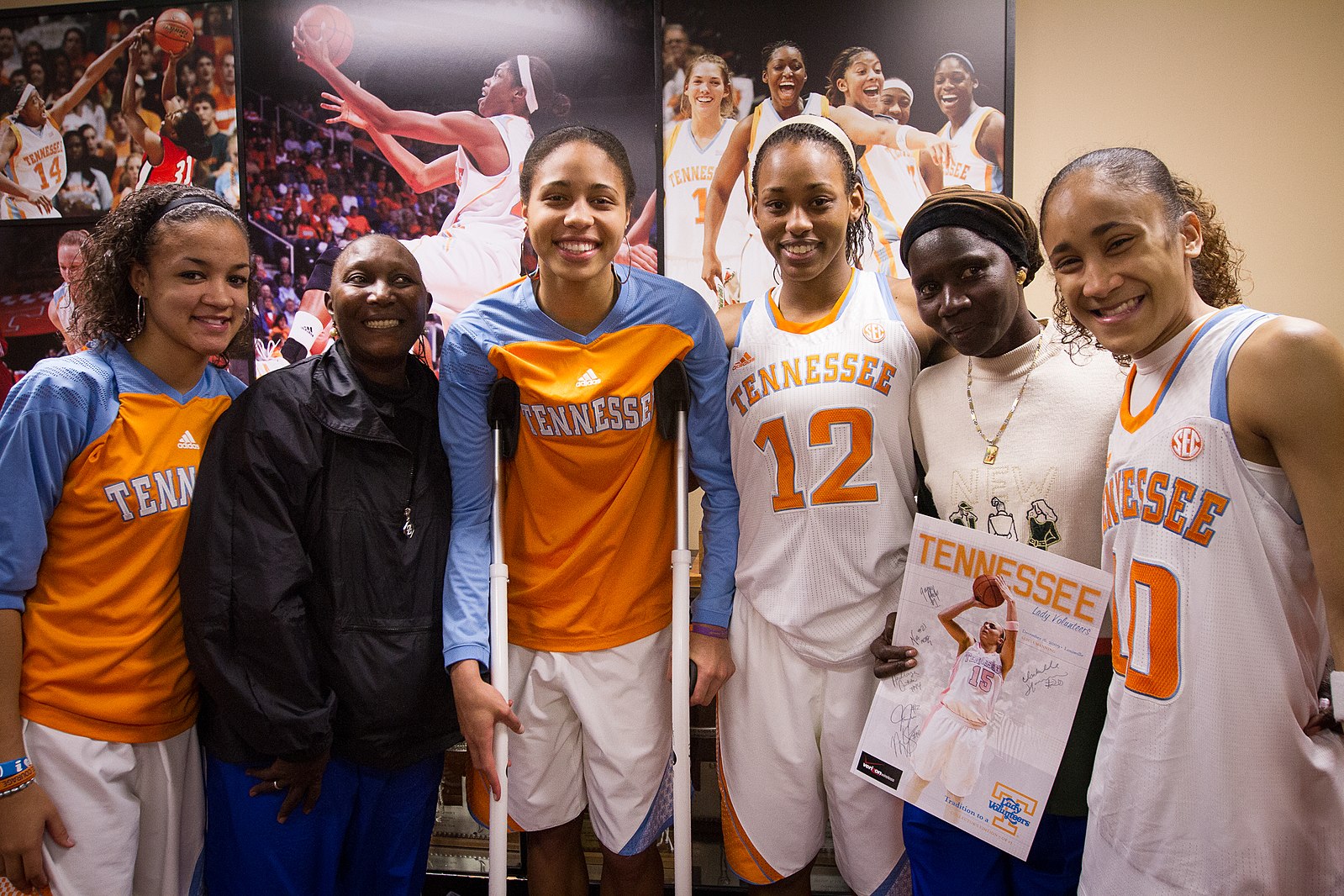
The evolution of NCAA women's basketball since its inaugural championship in 1982, with early champions like Louisiana Tech, reflects significant transformations in the game's dynamics. Key rule changes have enhanced the speed and competitiveness of the sport. Historical milestones have underscored its growing popularity, leading to an expanded tournament that now includes 68 teams.
Early Championship Winners
The NCAA's entry into women's basketball in 1982 marked a pivotal moment in collegiate sports. The first NCAA women's basketball championship, held on March 28, 1982, saw Louisiana Tech defeating Cheyney State with a score of 76-62, heralding a new era in women's collegiate athletics.
This development came after almost a decade of resistance from the NCAA to establish a women's championship. While the men's tournament had been running since 1939, it wasn't until 1982 that the NCAA incorporated women's basketball. Notably, the final AIAW (Association for Intercollegiate Athletics for Women) championship was held concurrently, emphasizing the gender disparities in sports at the time.
Since that inaugural game, the NCAA women's basketball championship has experienced significant growth. The tournament expanded from 32 teams in 1982 to 68 teams in 2023. This growth reflects the rising popularity of women's basketball and underscores the NCAA's commitment to providing competitive opportunities for female athletes.
Key Rule Changes
From its inception in 1982, NCAA women's basketball has seen growth in popularity alongside substantial rule changes aimed at improving the game's fairness, pace, and excitement, reflecting the sport's evolution over the years.
In 1987, the NCAA introduced the three-point shot, allowing players to score an extra point for shots made from beyond 19 feet, 9 inches. This change added a new strategic element to the game, encouraging skillful long-range shooting.
Another significant rule change occurred in 2015 when the NCAA transitioned from 20-minute halves to four 10-minute quarters. This adjustment brought the women's game into closer alignment with the men's format and impacted game flow and strategy.
In 2013, the NCAA adopted a 10-second backcourt limit, requiring teams to advance the ball past half-court within 10 seconds. This rule enhanced the game's pace and reduced stalling tactics.
Lastly, the introduction of the alternating possession arrow in 1986 changed how jump balls were handled after the opening tip-off and in overtime periods, simplifying the process and reducing disputes.
Here's a quick recap of these key rule changes:
- 1987: Introduction of the three-point shot.
- 2015: Shift to four 10-minute quarters.
- 2013: Adoption of the 10-second backcourt limit.
- 1986: Introduction of the alternating possession arrow.
Historical Milestones
The NCAA began sponsoring women's basketball championships in 1982, ushering in a new era of recognition and growth for the sport. This marked a significant expansion of opportunities for female athletes in collegiate sports. Prior to the NCAA's involvement, women's college basketball was governed by the Association for Intercollegiate Athletics for Women (AIAW), which held its first national championship in 1969. The transition to NCAA sponsorship represented a major milestone in the history of women's basketball.
The inaugural NCAA women's basketball championship took place on March 28, 1982. In this landmark event, Louisiana Tech defeated Cheyney State 76-62, setting the stage for future growth and increasing competitiveness in the sport. Notably, the 1982 championships were unique as both the AIAW and NCAA tournaments were held simultaneously, splitting the audience for women's college basketball. This duality underscored the transitional period and the challenges associated with the NCAA's new role in women's sports.
The implementation of Title IX in 1972 led to a significant increase in female athlete participation. This surge in interest and support for women's sports ultimately prompted the NCAA to include women's basketball in its championship offerings, cementing its status as a cornerstone of collegiate athletics.
Key Milestones and Achievements

A significant milestone in NCAA women's basketball is the inaugural championship in 1982, where Louisiana Tech triumphed over Cheyney State. This event marked a pivotal transition from the AIAW's final championship on the same day to complete NCAA oversight. The tournament's expansion from 32 to 68 teams by 2023 highlights the increasing recognition and popularity of women's collegiate basketball.
Inaugural Championships Overview
The inaugural NCAA women's basketball championship in 1982 was a pivotal moment in collegiate sports history. This event marked the first NCAA-organized women's basketball championship, held on March 28, 1982. Louisiana Tech claimed victory over Cheyney State with a score of 76-62, symbolizing a new era for women's collegiate sports.
Key details highlighting the significance of the inaugural women's basketball championship include:
- First NCAA Women's Championship: This was the inaugural event organized by the NCAA for women's basketball, making it a historic milestone.
- Tournament Participation: The championship featured 32 teams, demonstrating the expanding interest and involvement in women's basketball.
- Dual Championship Model: In 1982, both NCAA and AIAW (Association for Intercollegiate Athletics for Women) tournaments were held, reflecting the competitive environment of the sport.
- Enhanced Media Coverage: The NCAA's involvement led to increased media attention and support, paving the way for the sport's future growth.
This championship wasn't just a game; it was a turning point that signified the advancement and recognition of women's collegiate athletics.
Historic First Winners
Louisiana Tech's victory in the inaugural 1982 NCAA women's basketball championship was a monumental achievement that paved the way for future advancements in women's collegiate sports. On March 28, 1982, the Lady Techsters defeated Cheyney State with a final score of 76-62, marking a significant milestone in women's basketball history.
Kim Mulkey, a key player for Louisiana Tech during this championship, played an instrumental role in the team's success. Mulkey's contributions were pivotal, and she later made history by becoming the only woman to win a Division I title both as a player and a coach, highlighting the opportunities the inaugural championship helped create.
The 1982 tournament, featuring 32 teams, signified growing interest in women's sports. Louisiana Tech's victory remains a landmark moment, symbolizing the start of a new era in women's collegiate athletics.
NCAA Expansion Impact
Louisiana Tech's historic victory in the 1982 championship set the stage for numerous milestones in NCAA women's basketball. The NCAA's sponsorship of women's basketball championships marked a new era of recognition and support for female athletes. This inaugural event not only showcased high-level competition but also laid the groundwork for the sport's future growth.
By 2023, the NCAA women's basketball tournament expanded from an initial 32 teams to 68 teams, reflecting increasing interest and participation in women's sports. Several significant milestones have driven this expansion:
- Inaugural Championship (1982): Louisiana Tech's win over Cheyney State brought national attention to women's collegiate basketball.
- Three-Point Shot Introduction (1987): This rule change added a strategic dimension to the game, making it more competitive and exciting.
- Title IX Enactment (1972): Predating the NCAA's sponsorship, Title IX was essential in promoting gender equality and increasing funding for women's sports.
- Continued Growth and Expansion: The gradual increase in team participation demonstrated the sport's rising popularity and the NCAA's commitment to fostering women's basketball.
These milestones underscore how the NCAA's expansion efforts have transformed women's basketball into a celebrated and competitive sport.
Cultural and Global Influence
Since 1982, when the NCAA began sponsoring women's basketball championships, the sport has grown into a cultural and global phenomenon. The inaugural championship saw Louisiana Tech triumph over Cheyney State, setting the stage for increased visibility and support for women's athletics. Thanks to Title IX, enacted in 1972, women's basketball received significant enhancement, promoting gender equality and dramatically increasing female athlete participation from 30,000 to over 200,000 by 2020.
The NCAA's involvement didn't end with the championships. It led to a substantial rise in media coverage. In 1982, only 37 credentialed journalists covered the women's tournament. By 2019, that number had skyrocketed to 716, showcasing the growing interest and respect for women's sports. This visibility has paved the way for broader cultural acceptance and enthusiasm for women's basketball.
The establishment of the WNBA in 1996 further expanded the sport's global reach. It attracted top talent from around the world, making women's basketball not just an American pastime but a global one. The sport's influence is evident in the increasing number of international players and the heightened attention in various countries.