Who Have Been the Biggest Cinderella Stories in March Madness History?

You've probably heard of some incredible Cinderella stories in March Madness history, but what makes them so enchanting? Consider the 1983 N.C. State team that shocked everyone or the 1985 Villanova squad, the lowest seed to ever win the championship. George Mason's magical run to the Final Four in 2006 and Butler's back-to-back championship game appearances in 2010 and 2011 are also iconic. These underdog tales are filled with unforgettable moments and key players. But what do these stories have in common, and how did they defy the odds?
Definition and Significance
Cinderella stories in March Madness refer to the exhilarating moments when lower-seeded teams surpass expectations and make deep runs in the tournament. These underdog teams captivate fans, embodying the excitement and unpredictability that define March Madness. For instance, the 1985 Villanova Wildcats, the lowest seed (No. 8) ever to win a national championship, exemplify this phenomenon.
Such narratives extend beyond mere underdog tales; they are the essence of the tournament. Consider the 2006 George Mason Patriots, an 11-seed that stunned everyone by reaching the Final Four. These stories inspire fans and future generations alike, highlighting resilience and exceptional teamwork.
Cinderella teams often become instant fan favorites, shifting loyalties and drawing in viewers who might not have otherwise watched. The surge in viewership and engagement they generate makes these moments unforgettable.
The impact of these underdog stories transcends the court, significantly contributing to the tournament's tradition and folklore. They make March Madness a celebrated event in American sports culture, where dreams are realized, and legends are forged.
1983 N.C. State

The 1983 N.C. State Wolfpack epitomized the true essence of a Cinderella story. Entering the NCAA Tournament as a 6 seed, they shocked the world by clinching the national title, defeating the heavily favored Houston team in the final. Led by the charismatic coach Jim Valvano, the Wolfpack's expedition was nothing short of remarkable.
- N.C. State's victory over Houston, featuring future NBA stars Hakeem Olajuwon and Clyde Drexler, remains one of the most iconic upsets in March Madness history.
- This championship marked the first time a team seeded lower than 5 had won the national title, setting a new standard for future Cinderella teams.
- The Wolfpack's tournament run included multiple close games, finishing with a record of 6-0 and an average winning margin of just 4.3 points.
- Jim Valvano's emotional and memorable celebration after the win symbolized the unpredictability and excitement of the tournament.
N.C. State's 1983 triumph is often regarded as one of the most unforgettable moments in NCAA history. Their story is a tribute to the underdog spirit, inspiring countless future teams to believe that anything is possible in March Madness.
1985 Villanova

Few moments in March Madness history capture the essence of unpredictability like Villanova's 1985 championship run. As an 8-seed, Villanova pulled off one of the greatest Cinderella stories by clinching the national championship, making them the lowest seed to win the title. Their path to glory was nothing short of extraordinary, as they won every game by five points or fewer, showcasing incredible resilience and poise under pressure.
In the championship game, Villanova faced Georgetown, a formidable opponent. The Wildcats executed their game plan flawlessly, securing a narrow 66-64 victory. This triumph not only marked a significant moment in NCAA tournament history but also symbolized the sheer unpredictability and excitement that defines March Madness.
Villanova's 1985 victory remains a defining moment, epitomizing the potential for any team to achieve greatness regardless of their seeding. Since then, Villanova has built on this legacy, winning further championships in 2016 and 2018, proving their status as a powerhouse in college basketball. Their 1985 run is a timeless reminder of why we love March Madness.
2006 George Mason
You can't discuss Cinderella stories without highlighting George Mason's historic run to the Final Four in 2006. As an 11-seed, they shocked the nation by defeating top-seeded teams such as Michigan State, North Carolina, and Connecticut. Their journey underscored the power of determination and strategic gameplay, proving that mid-major teams can significantly impact the tournament.
Historic Final Four Run
George Mason's 2006 Final Four run is one of the most unforgettable moments in March Madness history. As a No. 11 seed, George Mason University made a historic journey to the Final Four, becoming the first team from the Colonial Athletic Association to do so. Their path to this achievement was extraordinary and captivated fans everywhere.
- They stunned No. 6 seed Michigan State.
- They toppled No. 3 seed North Carolina.
- They overcame No. 7 seed Wichita State.
- They won an overtime thriller against No. 1 seed Connecticut in the Elite Eight.
Guided by head coach Jim Larranaga's strategic brilliance, the Patriots demonstrated that anything is possible in March Madness. Their incredible run showcased the sheer unpredictability of the tournament and inspired future underdog teams to dream big. George Mason's journey wasn't just about the wins; it was about the heart, determination, and belief that they could compete with the best.
The team's miraculous march to the Final Four reflects the magic of college basketball, proving that on any given day, even the most unlikely teams can rise to prominence and carve their names into history.
Defeating Top-Seeded Teams
One of the most astonishing aspects of George Mason's 2006 NCAA Tournament run was their ability to defeat top-seeded teams. As a No. 11 seed, the George Mason Patriots kicked off their Cinderella story by upsetting Michigan State in the opening round. Winning 75-65, they set the stage for what would become one of the most remarkable odysseys in March Madness history.
The momentum continued as the Patriots took down North Carolina, the No. 1 seed, in the second round. With a 65-60 victory, they solidified their reputation as a formidable underdog. This win was a defining moment, showcasing their resilience and ability to stand toe-to-toe with the best. Coach Jim Larranaga's strategic game plan, which capitalized on their defensive skills and unyielding spirit, played a vital role in their success.
George Mason's path to the Final Four also included victories over Wichita State and UConn, further proving their mettle. Their odyssey remains one of the most celebrated Cinderella stories in NCAA history, illustrating the unpredictable nature of the tournament and the enduring allure of a true underdog triumphing over top-seeded teams.
2011 Butler

Butler's unexpected championship appearances in 2010 and 2011 are quintessential Cinderella stories. Under Brad Stevens' sharp coaching, Butler's defensive prowess and strategic gameplay propelled them past formidable teams, gaining national recognition. Their consecutive finals runs, especially as a mid-major, cemented their place in NCAA history.
Unexpected Championship Game Appearance
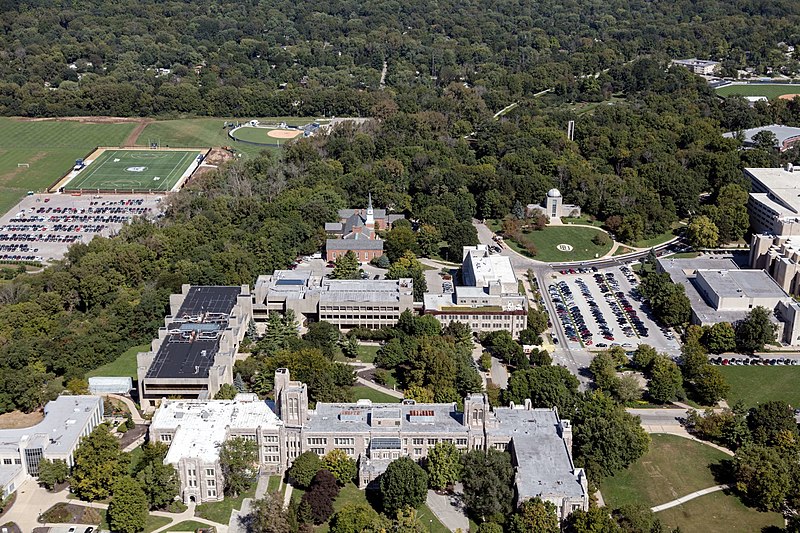
Against all odds, Butler University, a No. 5 seed, stunned the college basketball world by making its inaugural NCAA Championship Game appearance in 2010. As a mid-major team, Butler's journey was nothing short of miraculous. Their path to the finals was paved with gritty performances and key victories over higher-seeded teams, including No. 4 seed Wisconsin and No. 2 seed Kansas State. This unexpected championship game appearance highlighted the potential for smaller schools to compete at the highest level.
In the championship game, Butler faced off against powerhouse Duke. Despite their underdog status, the Bulldogs battled bravely, losing by a narrow margin of 61-59. This near-upset showcased Butler's determination and resilience, earning them national acclaim and respect.
Butler's 2010 run wasn't an isolated incident. They followed up with another impressive performance in 2011, reaching the finals again as a No. 8 seed. Although they fell to Connecticut, their consecutive appearances demonstrated their consistency and skill.
- First mid-major team to reach back-to-back finals
- Raised the Horizon League's profile
- Proved smaller schools could challenge top programs
- Garnered widespread admiration and respect
Butler's story remains one of the most inspiring in March Madness history.
Brad Stevens' Coaching Prowess
Brad Stevens' coaching brilliance at Butler University transformed the Bulldogs into a formidable force in college basketball. From 2007 to 2013, Stevens led Butler to back-to-back national championship game appearances in 2010 and 2011, marking some of the most remarkable Cinderella Stories in March Madness history. In the 2009-10 season, Stevens guided Butler to a 30-5 record, culminating in a dramatic run to the national championship game against Duke.
Stevens replicated his success in the 2010-11 season, steering Butler, a No. 8 seed, to the national championship game once more. This made them the first team since the 1985 Villanova Wildcats to reach the title game in consecutive years. His coaching philosophy, emphasizing strong defense, teamwork, and player development, was instrumental in these accomplishments.
Stevens' ability to get the best out of his players and navigate the pressures of March Madness solidified his reputation. His success at Butler led to his hiring as the head coach for the Boston Celtics in the NBA, further showcasing his exceptional coaching prowess.
Butler's Defensive Mastery
Butler University's defensive prowess, under the guidance of Brad Stevens, was instrumental in their Cinderella runs during the 2010 and 2011 March Madness tournaments. As a No. 5 seed, Butler made consecutive appearances in the NCAA Championship games, surprising higher-seeded teams with their relentless defense.
Their strategy focused on limiting opponents' field goal percentages. In 2010, the Bulldogs held their opponents to an average of just 55.8 points per game, showcasing a disciplined defensive approach that stifled teams like Syracuse and Kansas State.
In the 2011 tournament, Butler continued their defensive excellence by holding Florida's high-scoring offense to just 60 points in the Final Four. Under Stevens' leadership, the team emphasized:
- Team defense
- Effective communication
- Disciplined play
- Limiting scoring opportunities
These elements made Butler one of the most formidable defensive teams in March Madness history. Their ability to execute a tight defensive game plan was crucial to their surprising success, cementing their status as a true Cinderella story that captivated the nation. The impact of their defensive strategy in those magical runs cannot be overlooked.
2013 Florida Gulf Coast
Florida Gulf Coast University, famously dubbed "Dunk City," captured the nation's attention during the 2013 NCAA Tournament with an unprecedented run to the Sweet 16. As a No. 15 seed, they epitomized the Cinderella story, making history by becoming the highest-seeded team to reach this stage at that time. Their journey began with a stunning upset over No. 2 seed Georgetown, marking the initial time a No. 15 seed had ever defeated a No. 2 seed in NCAA tournament history.
Led by head coach Andy Enfield, Florida Gulf Coast's high-flying, fast-paced offense earned them the nickname "Dunk City." Their win over Georgetown wasn't a fluke; they followed it up with another impressive victory against No. 7 seed San Diego State. The team's electrifying dunks and thrilling style of play captivated fans and generated significant media attention, making them the darlings of March Madness.
Although their Cinderella run ended in the Sweet 16 with a loss to No. 3 seed Florida, Florida Gulf Coast set a new standard for mid-major programs. Their remarkable performance in 2013 remains one of the most memorable and exciting chapters in NCAA Tournament history.
Impactful Moments and Players
While Florida Gulf Coast's 2013 run remains unforgettable, other moments and players have also left an indelible mark on March Madness history. These Cinderella stories feature impactful moments and players who have captivated audiences and changed the tournament's landscape.
In 2018, Sister Jean, the 98-year-old nun, became a national sensation as she cheered Loyola Chicago, an 11 seed, to the Final Four. Her presence and encouragement not only inspired her team but also captured hearts nationwide. Donte Ingram's buzzer-beating three-pointer against Miami kicked off Loyola's remarkable expedition, cementing his place in NCAA history.
Stephen Curry, a name now synonymous with NBA success, first dazzled the nation in the 2008 NCAA Tournament. Averaging 34.3 points per game, Curry led the 10-seed Davidson Wildcats to the Elite Eight, showcasing his scoring and playmaking prowess.
In 1983, N.C. State, under coach Jim Valvano, stunned everyone with dramatic victories, culminating in a championship win over Houston. Their resilience and determination have become legendary.
George Mason's 2006 run to the Final Four included key moments like their overtime victory against UConn. Players like Jai Lewis and Lamar Butler delivered standout performances, making their Cinderella story unforgettable.
These moments and players have left an indelible impact on March Madness history.
Role of Coaches
Coaches play a crucial role in the success of Cinderella teams by crafting effective game plans and fostering team cohesion. Take Jim Valvano, whose leadership of the 1983 N.C. State team to a national championship is legendary for its under-pressure coaching. Similarly, Rollie Massimino's strategic brilliance in 1985 led the Villanova Wildcats to victory as the lowest-seeded team to claim a national title.
In 2006, Jim Larranaga's leadership guided George Mason to the Final Four, showcasing the importance of motivation and adaptability in coaching. Porter Moser's focus on defense and teamwork during Loyola Chicago's 2018 Final Four run highlighted how these elements can elevate a lower-seeded team. Shaka Smart's innovative techniques during VCU's 2011 Final Four journey further exemplify the transformative impact of strong coaching.
Here is a snapshot of these influential coaches:
| Coach | Team | Notable Achievement |
|---|---|---|
| Jim Valvano | N.C. State | 1983 National Championship |
| Rollie Massimino | Villanova | 1985 National Championship |
| Jim Larranaga | George Mason | 2006 Final Four |
| Porter Moser | Loyola Chicago | 2018 Final Four |
| Shaka Smart | VCU | 2011 Final Four |
These examples underscore how effective coaching can transform a Cinderella team's aspirations into reality through strategic planning and inspirational leadership.