Why Retiring Jersey Numbers Honors Basketball Legends

In basketball, retiring a jersey isn’t just about celebrating a player’s skills. It’s about recognizing their legacy—their impact on the court, in the locker room, and in the hearts of fans. A retired jersey is a permanent honor, a way to say, “This player changed everything for us.”
These numbers, hanging high in the rafters, tell stories of greatness. They remind us of iconic moments, unforgettable wins, and players who redefined what it means to be part of a team. From Bill Russell’s league-wide #6 to the Boston Celtics’ 22 retired jerseys, this tradition is one of the NBA’s most meaningful ways to honor its legends.
Let’s explore how it all started, what it takes to earn this honor, and why it matters so much.
How It All Began
View this post on Instagram
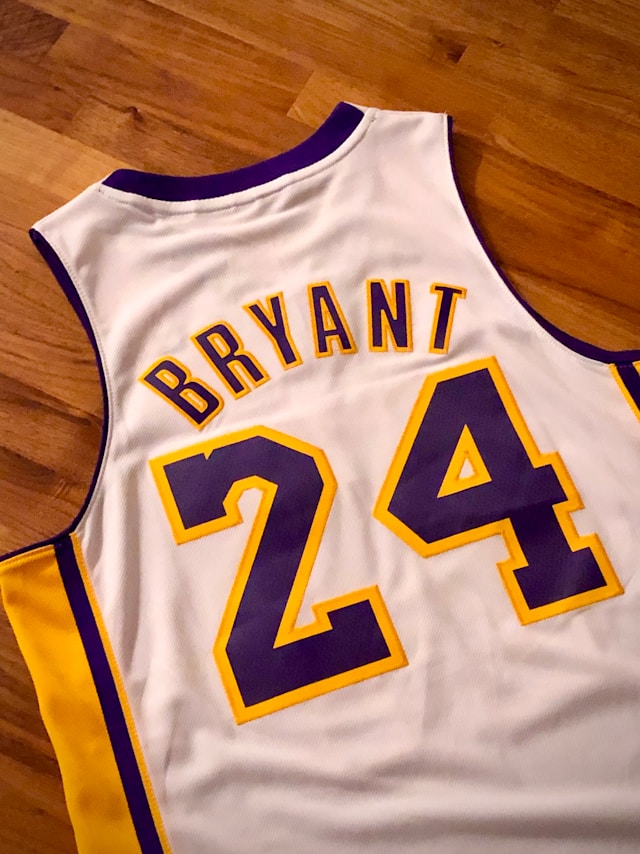
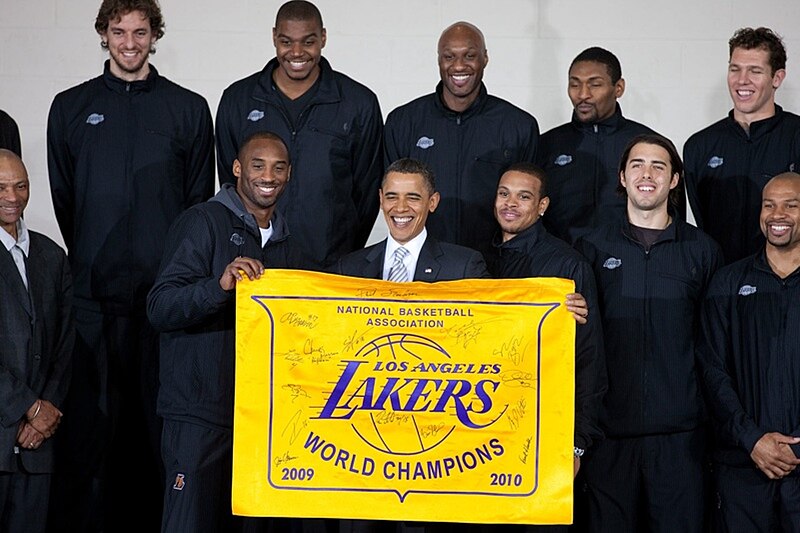
The idea of retiring jersey numbers didn’t start with basketball. In fact, it began with hockey. In 1934, the Toronto Maple Leafs retired Ace Bailey’s number 6 after a career-ending injury. It was a heartfelt gesture that set the stage for sports teams to show lasting appreciation for their players. In basketball, the tradition began in the 1960s. One of the first NBA players to have his number retired was Bob Cousy of the Boston Celtics. His number 14 was taken out of circulation in 1963, cementing his place in the franchise’s history. Today, walking into an NBA arena feels incomplete without looking up at the rafters. Each retired number is a reminder of players who helped define the game and brought their teams to new heights. Not every great player gets their jersey retired. Teams are careful about this honor because it’s permanent—it says, “This player represents our values and our history.” So, what are they looking for? While most jersey retirements happen at the team level, Bill Russell’s #6 was retired across the entire NBA. That’s an honor only a few athletes in any sport have ever received. Russell’s impact goes far beyond his 11 championships with the Celtics. He was a pioneer, breaking barriers as the NBA’s first Black head coach and using his platform to advocate for social change. Other sports have made similar moves. Major League Baseball retired Jackie Robinson’s #42 to honor his groundbreaking role in integrating the league. The NHL retired Wayne Gretzky’s #99 for his legendary contributions to hockey. These numbers symbolize something bigger than the game—they represent cultural change and greatness that transcends sports. It’s rare enough to have your jersey retired by one team, but a handful of players have achieved this honor with multiple franchises. This kind of recognition shows that some players’ influence is just too big for one team to claim. Some franchises are known for their long histories and iconic players, and it shows in the number of retired jerseys hanging in their arenas. The Boston Celtics lead the pack with 22 retired numbers. Legends like Larry Bird, Paul Pierce, and Bill Russell helped build a dynasty, and the team hasn’t hesitated to honor their contributions. The Los Angeles Lakers, another historic franchise, have retired 13 numbers, including Magic Johnson, Kareem Abdul-Jabbar, and Kobe Bryant. Each number tells the story of an era when the Lakers dominated the league. Other teams take a more selective approach. The Chicago Bulls, for instance, have retired only six numbers, focusing on players like Michael Jordan and Scottie Pippen. And while the Charlotte Hornets have retired just one number—Bobby Phills’ 13—it holds deep meaning as a tribute to his life and career cut tragically short. Retiring a jersey isn’t just about what a player does on the court. It’s about who they are as a person and the legacy they leave behind. Take Pau Gasol, for example. His jersey retirement with the Lakers wasn’t just about championships—it was about the mentorship he provided to younger players and his continued work in the community. Bill Russell is another great example. His influence as a leader and activist left an impact that went far beyond basketball. His jersey retirement is a symbol of his courage and the barriers he broke. Even non-players have been honored in this way. Some teams retire numbers for influential coaches, broadcasters, or owners who shaped the franchise’s success. When a jersey is retired, it’s not just for the player—it’s for the fans and the community. It’s a way to preserve the history of the game and remind everyone of the legends who came before. For fans, seeing those numbers in the rafters sparks memories of the moments that made them fall in love with basketball. It’s a connection between generations, a way for older fans to share the stories of their heroes with the next wave of basketball enthusiasts. For players, it’s the ultimate acknowledgment of their contribution to the sport. It says, “You made a difference, and we’ll never forget you.” Jersey retirement is one of the NBA’s most special traditions. It’s a way to honor greatness, preserve history, and celebrate the players who shaped the game we love. Whether it’s Bill Russell’s #6 hanging in every NBA arena or a local team paying tribute to their hometown hero, these numbers remind us why basketball is more than just a game. It’s about legacy, community, and the power of inspiring others. Every time we look up at those jerseys in the rafters, we’re reminded of the legends who made basketball what it is today—and the players who will carry that legacy forward.What Does It Take to Get a Jersey Retired?
The Rare League-Wide Retirement
Players Honored by Multiple Teams
Teams with the Most Retired Jerseys
It’s More Than Just Basketball
Why It Matters
Conclusion