Complete Guide to Choosing the Right Basketball Net
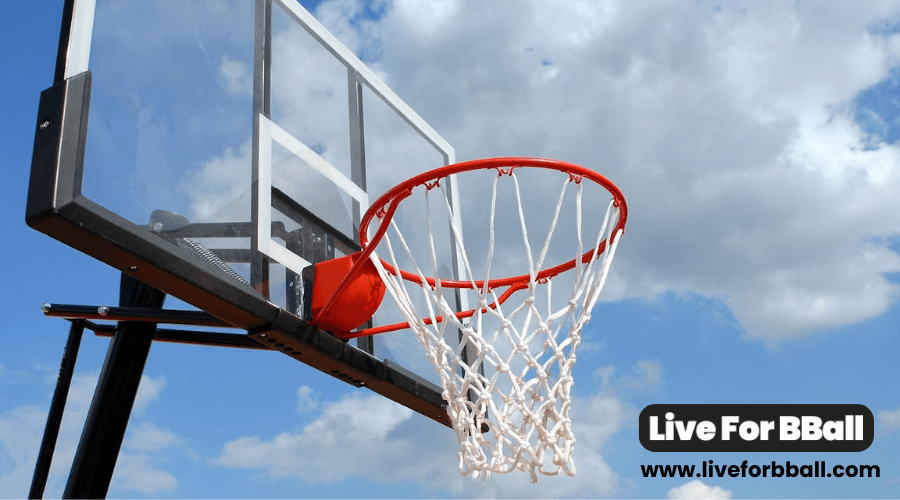
Picking the perfect basketball net isn’t just about finding something to hang on your rim—it’s about elevating your game, creating that satisfying swish, and making your hoop set up last. Whether you’re a weekend warrior, a driveway legend, or a serious player, the right net can transform how you experience every shot. From material types to weather protection, sound preferences, and durability, this guide will help you make the best choice.
Understanding Net Materials: Nylon, Polyester, or Chain?
Let’s start with the heart of the decision: material. Basketball nets mainly come in three options—nylon, polyester, and chain—and each has its pros and cons depending on where and how you play.
Nylon Nets
- Best for: Indoor or casual play.
- Why choose it: Nylon nets are lightweight, affordable, and perfect for recreational use. If you’re setting up a hoop in your garage or basement, nylon is a solid choice.
- Durability Check: Nylon nets can last a decent amount of time with proper care, especially if they’re used indoors. For occasional use, they provide the classic swish at a budget-friendly price.
- Drawbacks: They don’t hold up well in harsh outdoor conditions. Leave them under the sun and rain, and you’ll soon see fraying, discoloration, and tears.
Polyester Nets
- Best for: All-around durability.
- Why choose it: Polyester nets strike the perfect balance between strength and flexibility. They can handle both indoor and outdoor courts, especially if treated with a UV coating for extra sun protection.
- Performance Edge: Polyester nets maintain their shape better than nylon, even after months of regular play. They also resist mildew and mold better, making them a safer choice for outdoor environments.
- Bonus: They offer a similar swishing sound to nylon nets but last longer outside.
Chain Nets
- Best for: Outdoor courts and streetball vibes.
- Why choose it: Nothing beats that crisp metallic clink of a chain net. Built from sturdy metal, these nets can withstand intense weather conditions—rain, snow, or blazing sun. Chain nets are a classic choice for public parks and serious outdoor setups.
- Built to Last: A high-quality rust-proof chain net can last for years with little to no maintenance. It is perfect for players who want to install it and forget about it.
- Drawbacks: They can rust over time if not rust-proofed. Plus, they’re noisier than nylon and polyester, which might annoy the neighbors.
Quick Comparison
| Material | Best For | Pros | Cons |
| Nylon | Indoor/Casual | Affordable, lightweight | Not weather-resistant |
| Polyester | Indoor/Outdoor | Durable, versatile, UV-coated | Slightly pricier |
| Chain | Outdoor/Streetball | Weatherproof, iconic sound | Rust risk, heavier |
If you’re setting up a net outdoors, polyester or rust-proof chain nets will give you the best bang for your buck. For indoor setups, nylon does the job perfectly.
Extra Tip: If you live in an area with frequent rain or harsh winters, a chain net with a rust-resistant coating is an excellent investment.
Protecting Your Net from Weather
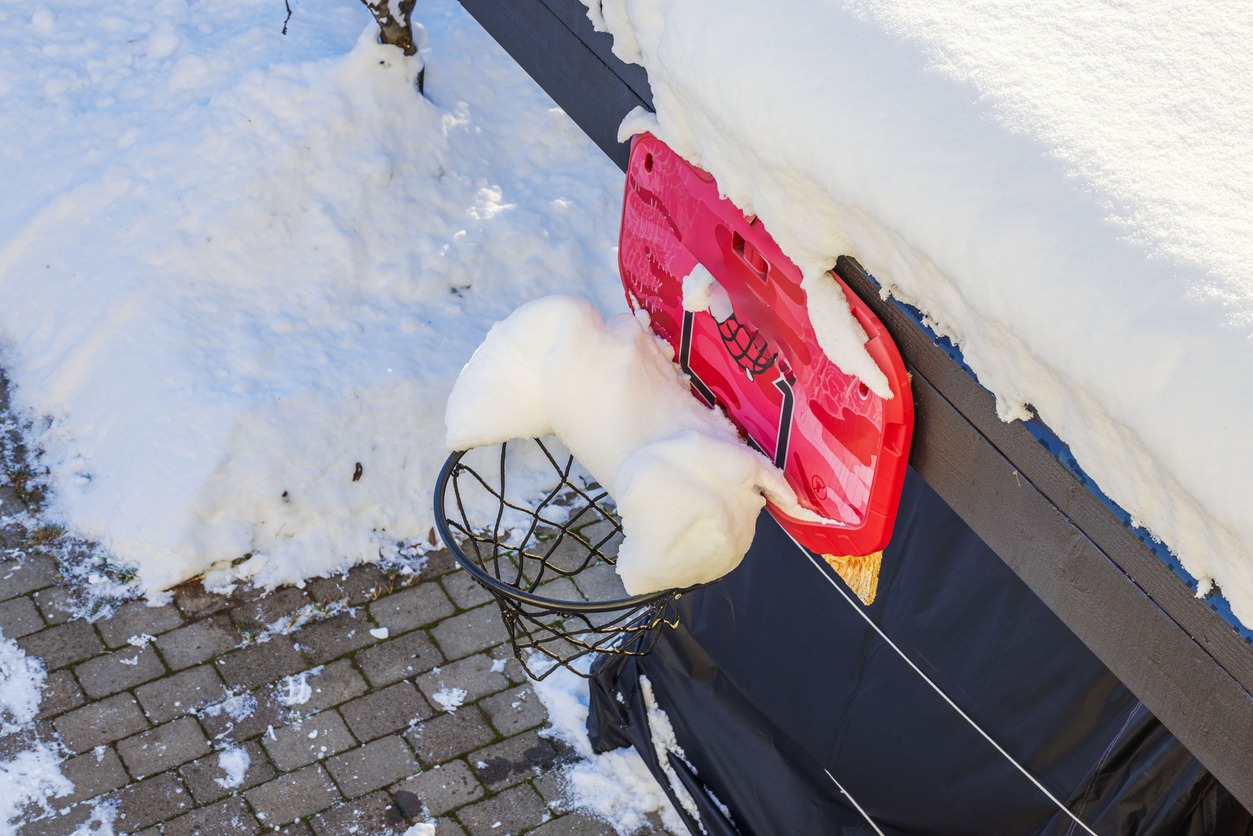
Outdoor hoops face everything Mother Nature throws their way, so your net needs to be ready for the challenge. Here’s what to look for if you want a net that doesn’t wear out in a few months:
- UV Coating: Look for nets (especially nylon or polyester) labeled as UV-resistant. The sun’s rays can weaken the fibers and fade colors over time. A UV-coated net will last much longer under direct sunlight.
- Rust-Proof Chains: If you love chain nets, make sure they’re rust-proof. Standard chains will corrode when exposed to rain, but rust-resistant options can hold up for years.
- Weather-Treated Materials: Some nets are designed with special coatings that resist moisture and snow. If you live in a place with unpredictable weather, this feature is a game-changer.
Longevity Tips
- Rotate or remove nets during extreme weather (like storms or heavy snowfall) to keep them in top condition.
- Inspect nets regularly for wear and tear, especially at the attachment loops, where fraying often begins.
- Choose darker-colored nets if fading bothers you; they tend to look better longer under sunlight.
Pro Tip: Spending a little extra on weather-resistant nets upfront can save you money (and hassle) in the long run. A net that lasts 2-3 years outdoors beats replacing a cheaper one every few months.
Getting the Right Fit for Your Hoop
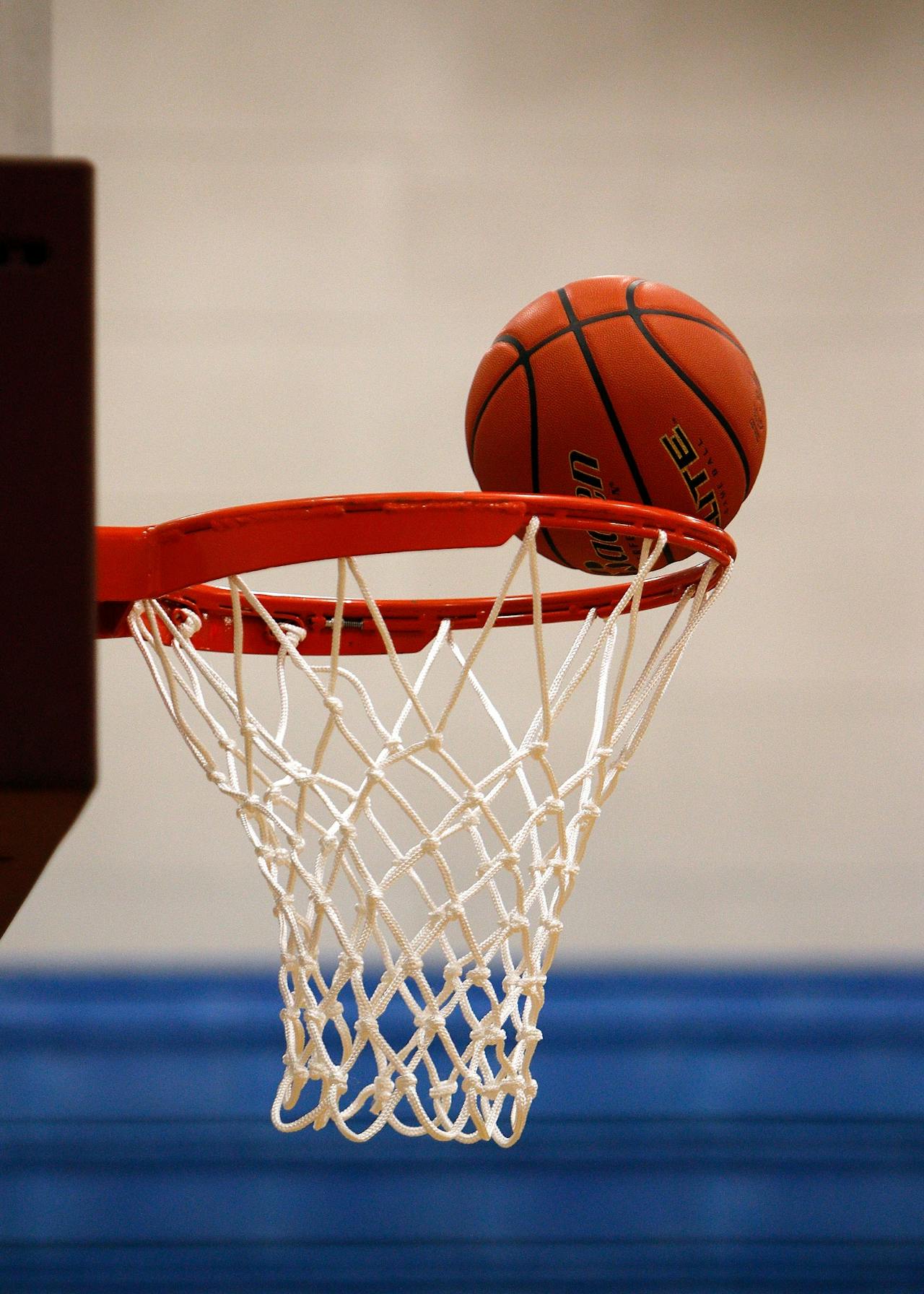
A perfectly fitted net doesn’t just look good—it performs better, too. Here’s how to make sure your net fits your hoop like a glove:
- Standard Rim Size: Most basketball rims have a standard diameter of 17-18 inches. Double-check your rim size to avoid surprises.
- 12 Loops: Almost all basketball nets require 12 loops to attach securely. If your net doesn’t have 12 loops, it won’t fit properly, leading to sagging or loose spots.
- Length and Style: Nets come in different lengths—some are short and tidy, while others are longer for that extra swish effect. Pick what suits your playing style.
DIY Measurement Guide
- Grab a measuring tape and measure the inner diameter of your rim. Confirm it matches the standard size.
- Count the attachment hooks or loops on your rim to ensure compatibility with the net you choose.
Pro Tip: If you’re replacing an old net, take measurements before you buy a new one to ensure a perfect fit.
Choosing the Sound and Feel You Want

The sound a basketball net makes when you sink a shot might seem like a small detail, but for many players, it’s a big deal. Different materials give you different vibes:
- Nylon Nets: Soft, smooth swish. It’s the classic indoor court sound that many players crave.
- Polyester Nets: Similar to nylon but with slightly more durability. The swish is just as satisfying.
- Chain Nets: Loud, metallic clink. It’s the soundtrack of outdoor courts and pickup games, bringing streetball energy to every shot.
What’s Your Vibe?
- Love the classic swish? Stick with nylon or polyester.
- Prefer an outdoor, gritty feel? Chain nets bring the noise and nostalgia.
Why It Matters: The sound of the net adds to the rhythm and feel of your game. Whether you prefer a quiet swish for focused practice or the loud clink of a chain net, pick a net that matches your style.
Tips for Installing Your Basketball Net

A secure net installation is key to safe and enjoyable play. Here’s how to set up your net step-by-step:
- Start with the Rim: Make sure your rim is sturdy and clean. Wipe off any dirt or rust that could snag the net.
- Attach the Net Loops:
- If it’s a 12-loop net, attach each loop one by one, starting with the top of the rim.
- Pull each loop tightly to secure it.
- Check for Balance: Once all loops are attached, adjust the net so it hangs evenly.
- Test It Out: Give the net a gentle tug to ensure it’s secure. Then, grab a ball and start shooting!
Pro Tip: For chain nets, use gloves during installation to protect your hands.
Balancing Cost and Quality
Basketball nets range in price, and the right one depends on your budget and needs:
- Nylon Nets: $10-$30. Great for indoor use or casual play.
- Polyester Nets: $20-$50. A durable, all-around option for indoor and outdoor courts.
- Chain Nets: $30-$100. Pricier but worth it for outdoor setups that need serious durability.
Conclusion
Choosing the right basketball net boils down to understanding your needs—where you’re playing, how often you’ll use it, and what kind of experience you want. Nylon is perfect for indoor fun, polyester offers the best of both worlds, and chain nets bring streetball energy.
Invest in quality, consider weather resistance for outdoor play, and don’t forget to factor in the sound that gets you hyped up. With the right basketball net, every shot feels better—and every game feels more like the real deal. So go ahead, pick your net, and let the swish (or clink!) fuel your next game!