Dallas Mavericks' Retired Jersey Numbers: Honoring the Icons of Mavs History
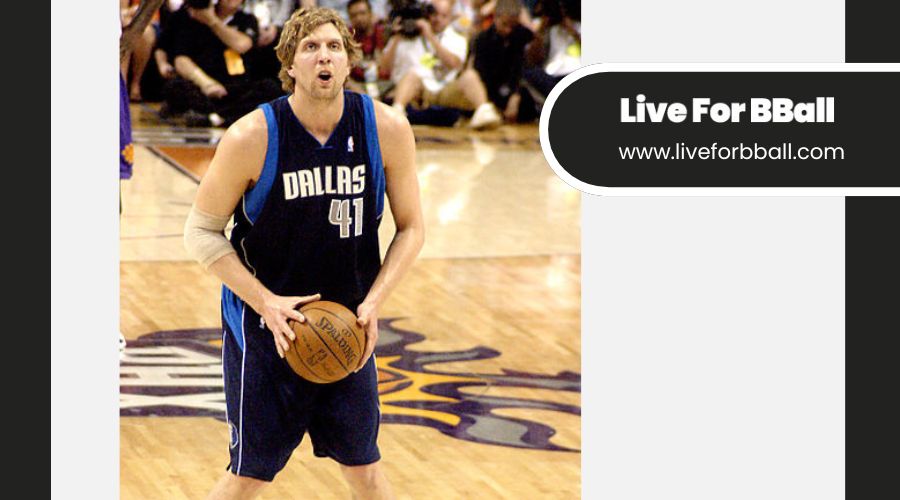
When you look up at the rafters of the American Airlines Center, you’ll see numbers that stand for greatness—the retired jerseys of players who helped shape the Dallas Mavericks into the franchise it is today. Each number tells a story of hard work, perseverance, and legacy, reminding fans of the individuals who made a lasting impact on Mavericks' history.
So far, the Dallas Mavericks have retired five jersey numbers: Derek Harper (#12), Brad Davis (#15), Rolando Blackman (#22), Dirk Nowitzki (#41), and Kobe Bryant (#24). While most of these players built their legacies wearing Mavericks jerseys, one number stands out as a tribute to the game itself and its influence on a global level.
Let’s examine each number, the players behind them, and how they shaped the Mavericks’ story.
#12: Derek Harper
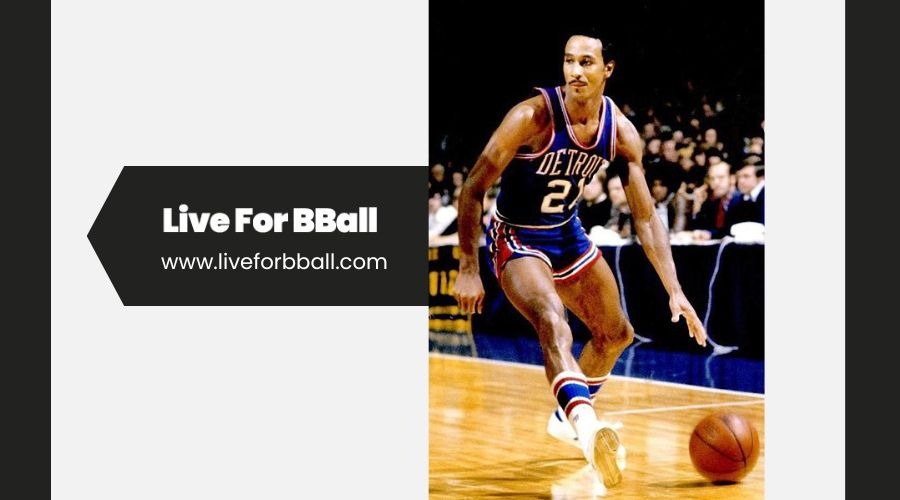
Derek Harper was more than just a talented point guard; he was the Mavericks’ defensive leader during the 1980s and early 1990s. Known for his tough, relentless defense and ability to create turnovers, Harper set the standard for what it meant to be a competitor in Dallas.
Retiring Harper’s #12 wasn’t only about his 1,551 steals—a record that still holds in franchise history. It was about his leadership and the way he inspired his teammates. Harper spent 12 seasons with the Mavericks, logging over 5,000 assists and averaging 14.4 points and 5.9 assists per game. He often took on the toughest defensive matchups and was a vocal leader on the court.
What made Harper special was his ability to excel on both ends of the floor. While his defense earned him two All-Defensive Second Team selections, his offensive contributions were just as crucial. Harper’s knack for delivering in clutch moments made him the kind of player his teammates could count on. His #12 jersey represents the hustle and determination that have become hallmarks of Mavericks basketball.
#15: Brad Davis
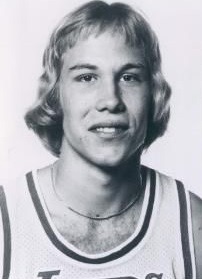
Every team needs a solid foundation, and for the Dallas Mavericks, Brad Davis was one of the first cornerstones. Joining the team during its inaugural season in 1980, Davis quickly became a fan favorite for his calm presence and smart play.
Over 12 seasons with the Mavericks, Davis played in 883 games—a record that held until Dirk Nowitzki surpassed it decades later. As a point guard, he was known for his reliability, starting 396 games and shooting an impressive 51% from the field. Davis had a gift for controlling the game’s tempo, often making the smart play to keep the team competitive against tougher opponents.
But Davis’ contributions went beyond the stat sheet. He was a leader on and off the court, setting an example for his teammates with his work ethic and professionalism. Younger players often turned to him for guidance, and he became a key figure in shaping the Mavericks’ identity in their early years.
When the Mavericks retired Davis’ #15 jersey, it was a way of honoring his dedication and loyalty. He was there during the team’s early struggles, providing stability when it was most needed. Even now, fans remember Davis as one of the first players who truly embodied what it meant to be a Maverick.
#22: Rolando Blackman
View this post on Instagram
Rolando Blackman was the Mavericks’ first superstar. Drafted by Dallas in 1981, Blackman became the face of the franchise during the 1980s, earning four All-Star selections and cementing himself as one of the greatest scorers in team history. Blackman’s offensive brilliance speaks for itself. With 16,643 career points—the second-highest total in Mavericks history, trailing only Dirk Nowitzki—he was a scoring machine. Averaging 19.2 points per game over 11 seasons, Blackman’s consistency made him a nightmare for defenders. His smooth jump shot and ability to deliver under pressure made him the go-to player in clutch moments, often lifting the Mavericks in big games. Fans loved Blackman not just for his scoring but for his leadership and composure. He was a role model on and off the court, showing younger players how to handle themselves in high-pressure situations. His ability to perform at an elite level while maintaining his humility made him a favorite among fans and teammates alike. When his #22 jersey was retired, it was more than a celebration of his scoring records. It was a recognition of the impact he had on the Mavericks’ growth as a team. Blackman’s legacy lives on as a reminder of how far the franchise has come and the role he played in its rise. When people think of the Dallas Mavericks, Dirk Nowitzki is the name that comes to mind. The German forward transformed the franchise over his 21-year career, becoming the Mavericks’ all-time leader in points, rebounds, and games played. He also delivered the team’s first NBA championship in 2011, cementing his place as one of the greatest players in league history. Nowitzki’s impact goes beyond the numbers. Sure, he scored over 31,000 points and earned 14 All-Star selections, but what really made him special was his loyalty and humility. Fans admired him not just for his famous one-legged fadeaway but for the way he stayed with the Mavericks through thick and thin, helping to build the team into a contender. Dirk’s influence reached far beyond Dallas. He inspired a generation of European players to pursue their NBA dreams and showed that hard work and dedication could overcome any obstacle. His story—from a young prospect in Germany to an NBA champion—resonated with fans around the world. When the Mavericks retired his #41 jersey, it was a celebration of everything he brought to the team and the city. Dirk’s legacy continues to inspire not just Mavericks fans but basketball fans everywhere. His jersey serves as a reminder of what can be achieved through loyalty, determination, and heart. Kobe Bryant never suited up for the Dallas Mavericks, but his influence on the game of basketball was so profound that the team decided to retire his #24 jersey. After Bryant’s tragic death in 2020, Mavericks owner Mark Cuban announced that no player in the franchise would wear #24 again as a way to honor Kobe’s legacy. Bryant’s impact on basketball is hard to overstate. A five-time NBA champion and two-time Finals MVP, he inspired players and fans alike with his skill, determination, and drive to be the best. His philosophy, the “Mamba Mentality,” became a rallying cry for athletes striving to reach their full potential. For the Mavericks, retiring Kobe’s jersey wasn’t just about his on-court achievements. It was a way to show respect for a player who meant so much to the game. By honoring him, the Mavericks acknowledged his influence on basketball as a whole and the inspiration he provided to players around the world. Kobe’s jersey in the rafters is a reminder of his enduring legacy and the way he touched the lives of so many, even beyond the teams he played for. His #24 will always serve as a symbol of excellence and the relentless pursuit of greatness. Each retired number has its own story. From Derek Harper’s defense to Dirk Nowitzki’s leadership, these jerseys represent the values that define Mavericks basketball. They stand for the players who gave their all for the team and left a lasting impression on the fans and the franchise. Looking up at the rafters, it’s impossible not to feel a sense of pride. These jerseys are more than just tributes; they’re a connection between the team’s past and its future. They remind us of the hard work, loyalty, and passion that have been part of the Mavericks’ journey. For fans, these numbers are a source of inspiration. They tell the stories of players who overcame challenges, broke records, and lifted the team to new heights. Whether it’s Harper’s grit, Davis’ leadership, Blackman’s scoring, Nowitzki’s loyalty, or Bryant’s inspiration, each number holds a special place in Mavericks history. When you visit the American Airlines Center, take a moment to look up. Those jerseys hanging above the court aren’t just pieces of cloth; they’re pieces of the Mavericks’ story. And for the fans and the players who carry on that legacy, the story is far from over.#41: Dirk Nowitzki
#24: Kobe Bryant
The Legacy of Mavericks Retired Jerseys
Related posts