Detroit Pistons' Retired Jersey Numbers: A Legacy of NBA Greatness
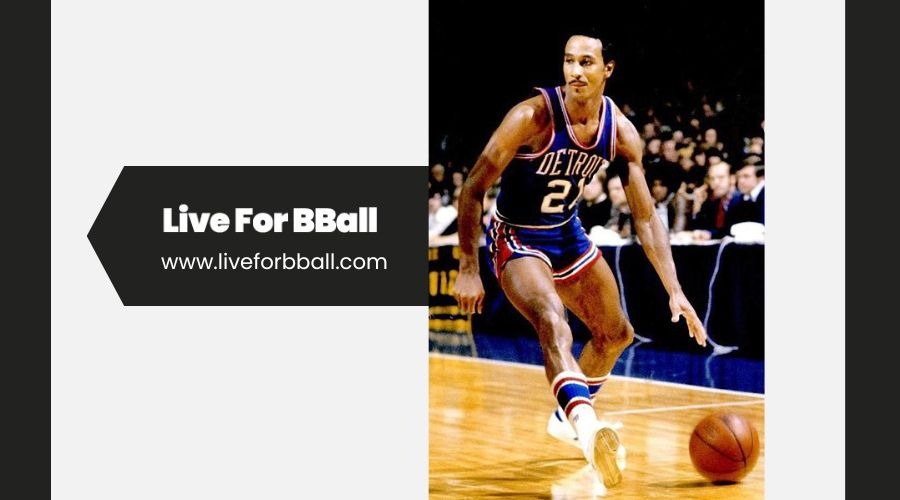
When you step into the home of the Detroit Pistons, your eyes are immediately drawn upward. There, suspended from the rafters, hang the numbers of legends who defined an NBA franchise and captured the hearts of Detroit fans for generations. Each jersey tells a story of grit and greatness, and each number symbolizes an era, a player, and a legacy that continues to inspire.
The Bad Boys Era
In the late 1980s, the Detroit Pistons were the team nobody wanted to face. They didn’t just win; they dominated with a mix of skill, toughness, and sheer willpower. At the center of it all were three icons whose jerseys now hang in the rafters: Isiah Thomas (#11), Joe Dumars (#4), and Dennis Rodman (#10).
Isiah Thomas, the heart and soul of the Bad Boys, is a name that needs no introduction. As the franchise’s all-time leader in points, assists, and steals, he epitomized excellence on both ends of the floor. Isiah’s dazzling ball-handling, leadership, and unyielding drive led the Pistons to back-to-back championships in 1989 and 1990. Oh, and let’s not forget his 1990 NBA Finals MVP trophy. When you think of the Pistons, you think of Isiah – the ultimate competitor who always played with a chip on his shoulder.
Next to him was Joe Dumars, a player as calm as Isiah was fiery. Known for his lockdown defense and smooth scoring, Dumars earned six All-Star appearances and was the 1989 NBA Finals MVP. His ability to balance defense with offensive precision made him one of the best two-way guards in NBA history. But Dumars wasn’t just a star on the court; he later built the Pistons’ 2004 championship team as the team president, cementing his legacy in multiple roles.
And then there’s Dennis Rodman, perhaps the most colorful figure in Pistons history. Known as “The Worm,” Rodman was a rebounding machine and defensive juggernaut, winning two NBA Defensive Player of the Year awards during his time in Detroit. His relentless hustle and unique style of play made him a fan favorite and an absolute nightmare for opponents.
Together, these three legends embodied the Bad Boys’ relentless spirit, a legacy that’s as unforgettable as it is iconic.
The Retired Numbers and the Legends Behind Them
#2 Chuck Daly
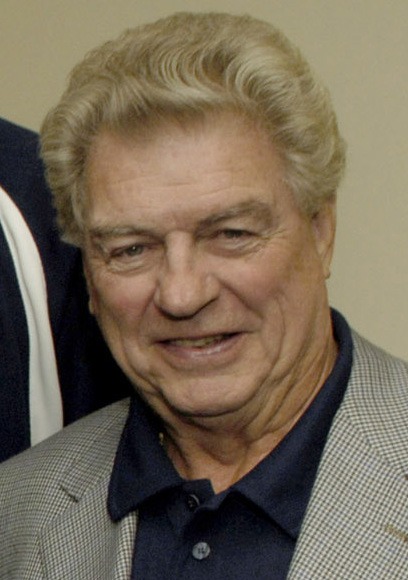
A rarity in the NBA, Chuck Daly’s jersey was retired not for his playing days but for his brilliance as a coach. Daly led the Pistons to their first two championships in 1989 and 1990, compiling 467 regular-season wins and 71 playoff victories over nine seasons. Known for his ability to manage the fiery personalities of the Bad Boys, Daly built a team culture of toughness and accountability that defined Detroit basketball. He was affectionately called the “Prince of Pessimism” for his calm yet calculated coaching style that pushed players to their peak.
Daly’s leadership wasn’t just about X’s and O’s—he brought a psychological edge to the team, helping them outwit opponents on and off the court. His legacy as one of the NBA’s greatest coaches was cemented with his induction into the Hall of Fame and the honor of having his number 2 retired.
#4 Joe Dumars
Joe Dumars’ legacy spans both the court and the front office. A six-time All-Star and the 1989 NBA Finals MVP, Dumars was one of the best two-way guards in league history. He combined precision scoring with defensive excellence, contributing 16,401 career points while shutting down some of the league’s best scorers. Dumars’ defensive efforts against Michael Jordan during the Bad Boys era are legendary; he was often the Pistons’ first line of defense against the league’s top scorers. Offensively, his cool demeanor and sharp shooting made him the ideal complement to Isiah Thomas.
Dumars’ impact didn’t end when he retired. As team president, he constructed the roster that won the 2004 NBA championship, proving his eye for talent and strategy. His dual legacy as a player and executive cements his place as one of the most influential figures in Piston's history.
#10 Dennis Rodman
Dennis Rodman, nicknamed "The Worm," was a defensive powerhouse during his time with the Pistons. He won back-to-back Defensive Player of the Year awards in 1990 and 1991 and led the league in rebounding. Rodman’s relentless hustle resulted in an astonishing average of 13.1 rebounds per game over his career, including a season-high average of 18.7 rebounds in 1991-92. Beyond the numbers, Rodman’s ability to guard multiple positions gave the Pistons unmatched defensive versatility.
Rodman’s role in the Pistons’ championship runs cannot be overstated. Whether grabbing crucial boards or diving for loose balls, he embodied the team’s hard-nosed identity. Despite his off-court antics, Rodman’s dedication and impact during games made him an essential part of Detroit’s success.
#11 Isiah Thomas
Isiah Thomas is often regarded as the heart and soul of the Detroit Pistons. As the team’s all-time leader in points (18,822), assists (9,061), and steals (1,861), Thomas’ impact on the franchise is unmatched. A 12-time All-Star and the 1990 NBA Finals MVP, Thomas’ leadership on and off the court propelled the Pistons to back-to-back championships.
One of his most memorable performances came in Game 6 of the 1988 Finals when he scored 25 points in a single quarter on a severely sprained ankle. It was a moment that defined his career—gritty, fearless, and relentless. Off the court, Thomas was a unifier, rallying his teammates and pushing them to their limits. His combination of skill and leadership made him one of the greatest point guards in NBA history and an irreplaceable figure in Piston's history.
#16 Bob Lanier
View this post on Instagram
Bob Lanier was a dominant big man during his time with the Pistons in the 1970s. He racked up 15,488 career points and made seven All-Star appearances while wearing the Detroit jersey. Known for his skillful footwork and scoring ability, Lanier’s presence in the paint made him one of the league’s most feared centers of his era. His signature sky hook and soft touch around the rim made him nearly impossible to defend.
Off the court, Lanier was a true ambassador for the game. He served as an NBA Cares Global Ambassador, working to improve communities and promote the sport worldwide. His number 16 represents not just his dominance on the court but also his contributions to basketball’s growth off the court.
#21 Dave Bing
Dave Bing dazzled fans in the late 1960s and early 1970s with his scoring prowess. As the 1967 NBA Rookie of the Year, Bing averaged an impressive 22.6 points per game during his Pistons career, including a career-high average of 27.1 points per game in the 1967-68 season. His agility and sharp shooting made him a cornerstone of the team during a challenging period for the franchise.
Beyond basketball, Bing’s impact extended into his role as a civic leader, serving as the mayor of Detroit from 2009 to 2013. His leadership in the community mirrored his on-court excellence, making him one of the most respected figures in Pistons history.
#1 Chauncey Billups
"Mr. Big Shot" earned his nickname for a reason. Chauncey Billups’ ability to deliver in clutch moments was instrumental in the Pistons’ 2004 NBA championship run, where he was named Finals MVP. Billups finished his career with 15,804 points and 1,830 three-pointers made, ranking him among the most reliable shooters of his era.
His defining moment came during the 2004 Finals when he outdueled the Lakers’ star-studded lineup, proving that teamwork and mental toughness could overcome individual talent. Billups’ leadership extended beyond scoring; he was the steady hand that kept the Pistons composed in high-pressure situations, making him a fan favorite and a symbol of Detroit’s resilience.
#3 Ben Wallace
Ben Wallace’s story is one of defying the odds. Undrafted and undersized for a center, Wallace became one of the most dominant defensive players in NBA history. He won four Defensive Player of the Year awards—an NBA record—and amassed over 10,000 rebounds and 2,000 blocks during his career.
Wallace anchored the Pistons’ defense during their 2004 championship run, often guarding players much taller and more heralded. His defining trait was his ability to inspire the entire team with his relentless energy and focus. Wallace’s rise from obscurity to superstardom remains one of the NBA’s most inspiring stories, and his No. 3 jersey is a lasting reminder of his impact on the game.
Jersey Retirement Ceremonies: Memorable Moments
Each jersey retirement ceremony is a celebration of a player’s journey and their bond with the fans. Chauncey Billups’ night was filled with chants of "Mr. Big Shot" as fans relived his clutch performances. Ben Wallace’s ceremony highlighted his incredible journey from being undrafted to becoming a franchise icon. For Joe Dumars, the evening reflected not just his playing career but also his contributions as an executive, drawing heartfelt applause from fans and former teammates alike. Chuck Daly’s ceremony was a moment of reverence, honoring the man who built the foundation for the Pistons’ championship success. These ceremonies connect generations of Pistons fans, reminding everyone of the unforgettable moments these players delivered.
Statistical Milestones and Achievements
Behind each retired jersey is a record book filled with accomplishments. Isiah Thomas’ 9,061 career assists remain a franchise record, and his 25-point quarter in the 1988 Finals stands as one of the greatest playoff performances ever. Ben Wallace’s 1,486 blocks and four Defensive Player of the Year awards set the standard for defensive excellence. Dave Bing’s single-season scoring average of 27.1 points still ranks among the best in franchise history. Bob Lanier’s consistent scoring and rebounding ensured the Pistons stayed competitive in his era. These numbers highlight not only individual greatness but the collective impact these players had on the Pistons’ success.
Comparing Eras: Bad Boys vs. 2004 Champions
The Bad Boys of the late 1980s and the 2004 champions both defined Detroit basketball but in different ways. The Bad Boys relied on physicality and relentless defense, led by Isiah Thomas, Joe Dumars, and Dennis Rodman. The 2004 team emphasized teamwork and balance, with Chauncey Billups and Ben Wallace anchoring a lineup without a traditional superstar. Both teams showed that success comes from grit and determination, showcasing the Pistons’ ability to adapt and win across eras.
Legacy in the NBA
The Pistons’ retired jerseys represent more than just Detroit; they symbolize key moments in NBA history. Chuck Daly’s coaching philosophy influenced a generation of coaches. Isiah Thomas’ leadership helped redefine the point guard position. Ben Wallace’s defensive dominance inspired a new appreciation for players who excel without scoring. These legends didn’t just shape the Pistons; they left their mark on the entire league.
As fans look up at the rafters, they see more than just numbers. They see grit, excellence, and players who define what it means to wear the Detroit Pistons jersey. These legends continue to inspire and remind us of the heights that hard work and determination can achieve.
Related posts