Differences Between Men's and Women's Running Shoes

When it comes to running shoes, one size definitely does not fit all—and it’s not just about size. Men's and women's running shoes are designed with unique features to match the differences in anatomy, biomechanics, and running needs. Choosing the right pair of running shoes isn’t just about picking something that fits; it’s about finding a shoe that complements your body and running style, helping you avoid discomfort and even injuries.
Here, we’ll explain the key differences between men’s and women’s running shoes and give you practical tips for finding the perfect fit, whether you’re sticking with gender-specific options or exploring cross-gender styles.
1. Anatomical Design Variations
Men’s and women’s feet aren’t just scaled versions of each other. There are anatomical differences that manufacturers consider when designing running shoes. Women’s shoes, for example, are typically built with a wider forefoot and a narrower heel to accommodate the natural shape of their feet. This design helps reduce heel slippage and ensures a snug, supportive fit.
On the other hand, men’s running shoes tend to have a consistent width from heel to toe. This matches their broader body structure and reduces the need for adjustments in shoe shape. Men’s shoes also generally feature higher volume, providing more space for wider feet.
Another significant difference comes from the Q-angle—the angle formed where the thigh bone meets the shinbone. Women’s wider hips create a larger Q-angle, which can lead to overpronation (where the foot rolls inward excessively while running). To address this, women’s running shoes often include added support features like medial posts or stability elements to promote proper alignment.
2. Width and Size Specifications
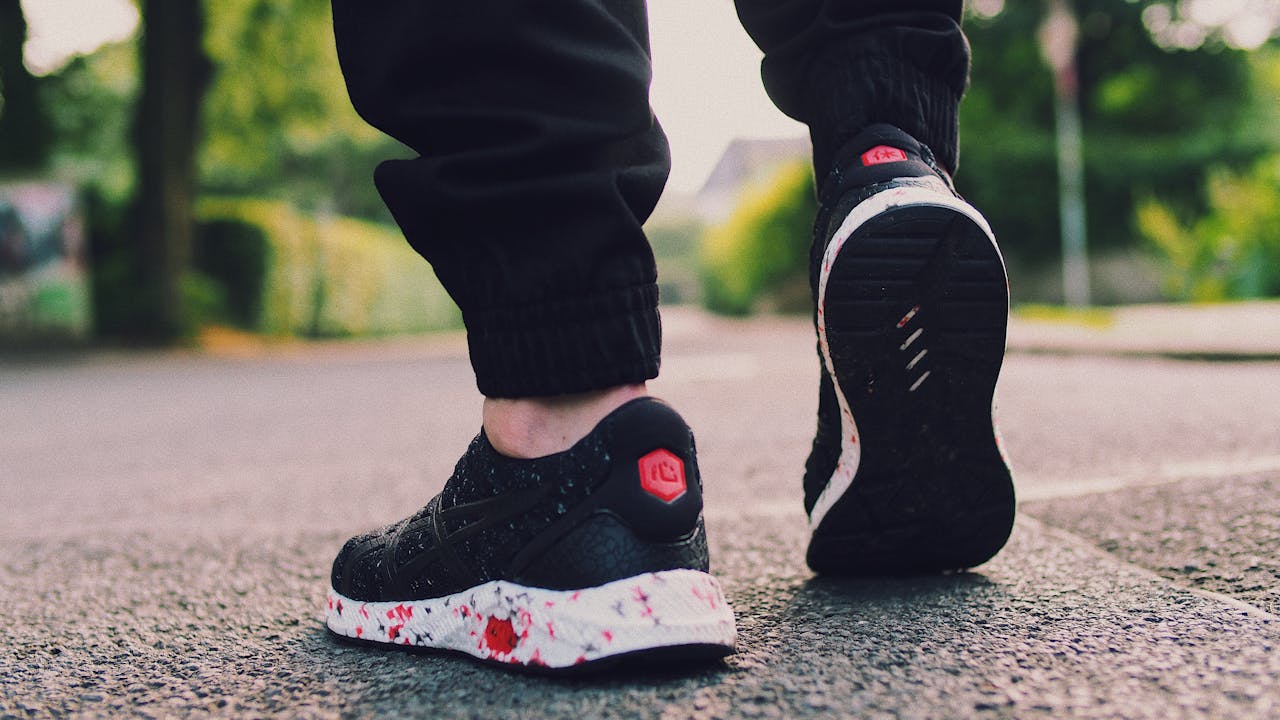
Width plays a big role in running shoe comfort, and this is where men’s and women’s shoes differ significantly. Men’s running shoes usually have a standard width labeled as D, while women’s shoes are a B width. That 5mm difference might not sound like much, but it can greatly impact how the shoe feels on your foot.
It’s worth noting that brands are increasingly recognizing that not everyone’s feet fit these traditional standards. Many now offer wide and narrow options for both men’s and women’s models. For instance, if you’re a woman with wider feet, you might find better comfort in men’s shoes, and men with narrower feet might prefer women’s models.
When trying on running shoes, don’t just focus on length. The width—especially in the forefoot and heel—can make or break your running experience. A shoe that’s too narrow might pinch your toes, while one that’s too wide could lead to blisters from excessive movement.
3. Support and Cushioning Elements
Support and cushioning are designed differently in men’s and women’s running shoes to accommodate variations in body weight and biomechanics. Women generally have a lower body weight than men, which means their shoes are built with softer midsoles for better impact absorption. Softer cushioning allows for a smoother ride and helps prevent unnecessary strain on the joints.
By contrast, men’s shoes feature firmer midsoles to support their heavier frames. The denser cushioning ensures that the shoes remain responsive and durable even under higher impact forces.
Some shoe brands also tweak the heel-to-toe drop—the difference in height between the heel and forefoot—to cater to gender-specific biomechanics. Women’s models often have a steeper drop to account for their unique stride patterns and natural alignment.
4. Q-Angle Impact on Shoe Design
Let’s dig a little deeper into the Q-angle and how it affects running shoe construction. Women’s wider hips naturally result in a larger Q-angle, which can cause the knees to track inward and the feet to roll more during running. This biomechanical difference is one of the main reasons why women’s running shoes often include enhanced stability features. These elements help counteract overpronation and maintain proper alignment.
Men, with their narrower hips, have a smaller Q-angle, leading to more neutral biomechanics. As a result, men’s running shoes tend to focus more on cushioning and less on corrective stability features.
Understanding how the Q-angle affects your running form can help you choose a shoe that provides the right level of support, whether you’re a woman seeking extra stability or a man looking for neutral cushioning.
5. Weight Distribution Considerations
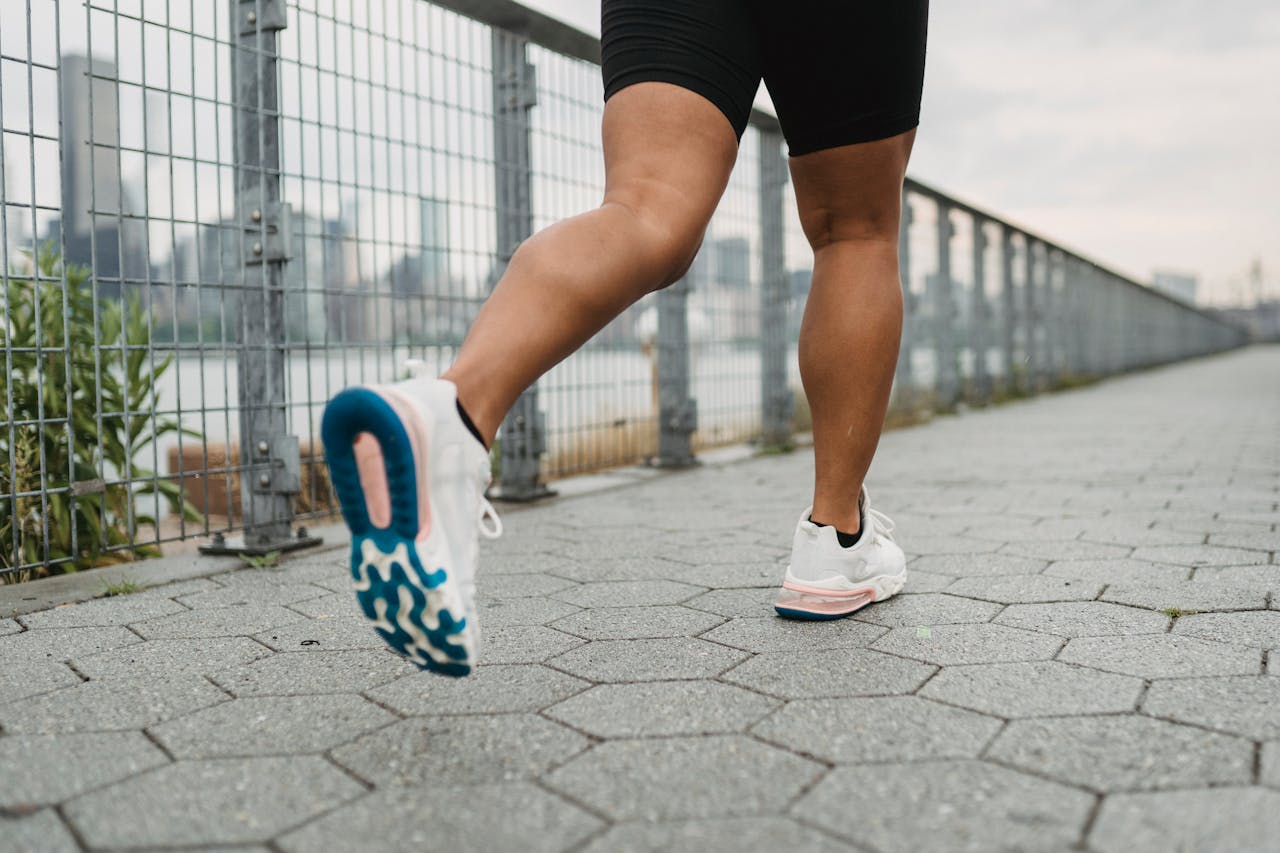
Weight distribution plays a critical role in how running shoes are designed. Men typically carry more body weight than women, so their shoes are built to handle greater impact forces. This is why you’ll often find firmer midsoles and enhanced durability features in men’s models.
Women’s shoes, on the other hand, are designed with lighter frames in mind. Their midsoles are softer and often feature deeper flex grooves to promote flexibility and a more natural range of motion. These features not only improve comfort but also optimize energy return, helping female runners maintain efficiency over long distances.
If you’re a heavier runner—regardless of gender—it’s important to look for shoes with sufficient cushioning and support to prevent overuse injuries.
6. Shape and Last Differences
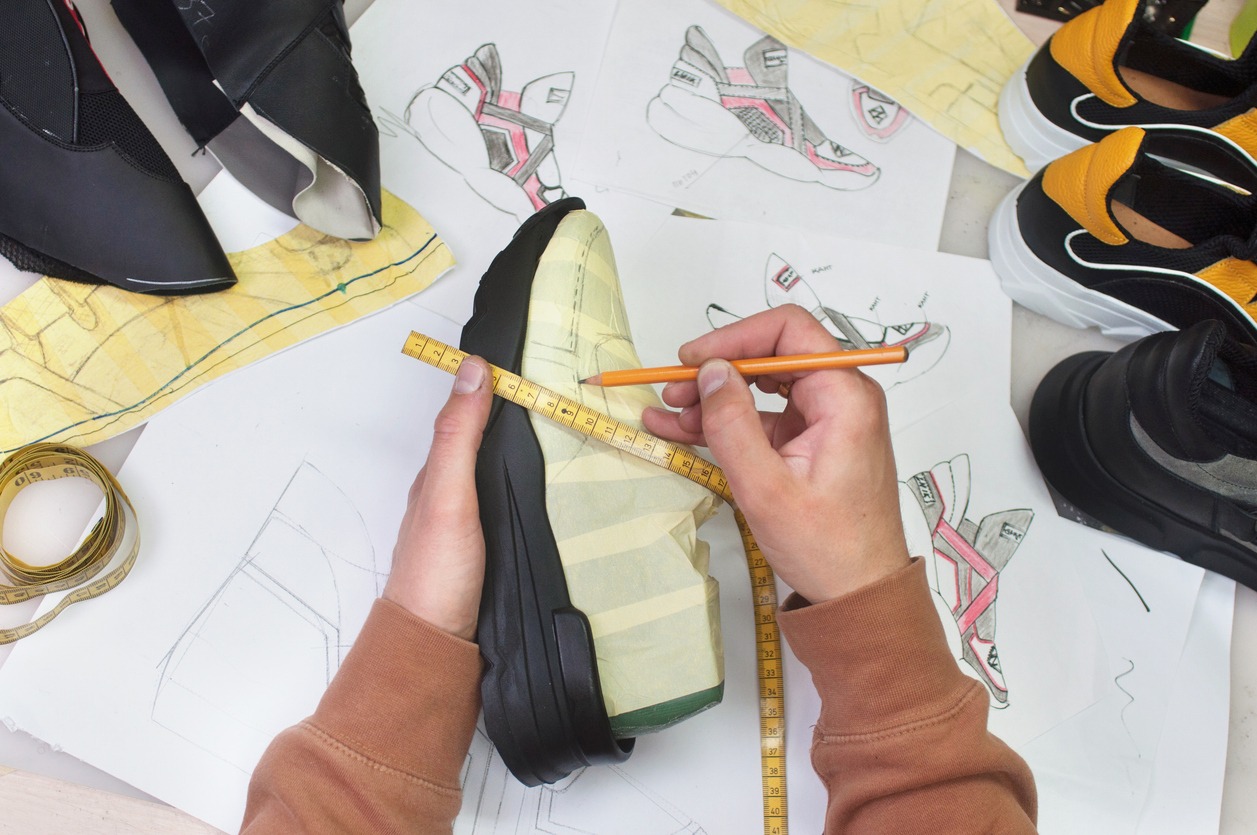
The shape of a shoe—determined by the last used during manufacturing—is another area where men’s and women’s models diverge. Women’s shoes are built on narrower lasts, reflecting their narrower heels and wider forefoot. This ensures a snug fit that reduces the risk of blisters and hotspots.
Men’s shoes, however, use wider lasts to accommodate their generally broader feet. The consistent width from heel to toe offers a balanced fit for men, but it might not suit women’s foot shapes as well.
Because lasts influence every aspect of a shoe’s fit, you can’t simply resize a men’s shoe to make it a women’s model (or vice versa). Instead, manufacturers design entirely separate molds for each gender.
7. Proper Fit Guidelines
Finding the right fit goes beyond just picking your usual size. Here are some tips to ensure your running shoes work for you:
- Get Professionally Fitted: A professional fitting can help you identify your exact size, width, and any specific needs like arch support or pronation correction.
- Try Shoes in the Afternoon: Feet tend to swell throughout the day, so trying on shoes later ensures you get a size that’s comfortable even after a long run.
- Wear Running Socks: Always try shoes with the socks you plan to use during runs to ensure the fit is accurate.
- Don’t Ignore Width: Length isn’t the only factor—make sure the width feels right, especially in the forefoot and heel.
Remember, it’s okay to step outside traditional gender labels. If a men’s shoe fits your foot better, go for it—and vice versa.
8. Cross-Gender Shoe Selection

There’s no rule that says you have to stick to shoes designed for your gender. Many runners find that cross-gender models suit them better. For instance, women with wider feet often prefer men’s shoes for extra room, while men with narrower feet may appreciate the snug fit of women’s designs.
When exploring cross-gender options, keep these tips in mind:
- Convert Sizes Correctly: Women’s sizes are typically 1.5 sizes larger than men’s (e.g., a women’s 8.5 is equivalent to a men’s 7).
- Focus on Fit: Prioritize how the shoe feels rather than its label.
- Consult Experts: A footwear specialist can guide you toward the best options for your unique needs.
9. Performance and Comfort Features
At the end of the day, running shoes should help you perform your best while keeping you comfortable. Women’s shoes often feature softer materials and targeted pressure zones to cater to lighter body weights and unique foot strike patterns. Men’s shoes, meanwhile, prioritize durability and stability to handle greater impact forces.
Brand-specific innovations, like Nike’s gender-specific Air Zoom units or ASICS’ tailored heel-to-toe drops, highlight the importance of choosing a shoe designed for your body’s needs. These features aren’t just marketing gimmicks—they’re engineered to enhance your running experience.
Conclusion
Understanding the differences between men’s and women’s running shoes can make all the difference in your running performance and overall comfort. Whether you’re looking for extra stability, optimal cushioning, or a perfect fit, knowing what to look for will help you make an informed decision.
Remember, the best running shoe is the one that fits your feet and meets your needs—gender label aside. So take your time, try on different shoe options, and don’t hesitate to seek professional advice. Your feet will thank you on every mile of your journey.